


The pet food aisle has undergone a dramatic transformation over the last decade. Traditional bags of dry kibble and stacks of canned wet food are increasingly sharing shelf space—and refrigerator real estate—with gently cooked, human-grade fresh dog food. As these diets grow in popularity, pet owners are frequently asking a fundamental question: Do veterinarians actually recommend fresh dog food?
The short answer is that a veterinarian may indeed recommend a cooked, fresh recipe for an individual dog. However, the term "fresh" by itself is not a universal stamp of nutritional approval. A meaningful veterinary recommendation must bridge the gap between a recipe’s specific formulation, its scientific backing, and the unique physiological needs of a dog’s life stage, health status, and daily routine.
Evaluating these diets requires looking past marketing buzzwords to examine clinical research, digestibility data, and manufacturing standards. This article, sponsored by JustFoodForDogs—with editorial control maintained independently by Vetstreet—explores how to separate promotional claims from clinical evidence, helping pet owners prepare for an informed conversation with their veterinarian.
Decoding "Vet Recommended" in the Fresh Food Era
In pet food advertising, the phrase "vet recommended" is ubiquitous, but its clinical meaning can vary wildly. To make an informed decision, pet owners must understand that this claim generally falls into one of three categories, which should never be treated as interchangeable:

- Formulation with Veterinary Input: This indicates that a brand’s recipes were developed by or in consultation with veterinary professionals, such as board-certified veterinary nutritionists, to ensure they meet basic nutritional thresholds.
- Individual Clinical Recommendations: This occurs when a practicing clinician selects a specific recipe for an individual patient based on that dog’s unique health profile, medical history, and dietary tolerances.
- Survey-Based Claims: This is a broad marketing claim derived from brand-sponsored surveys, indicating that a certain percentage of surveyed veterinarians have recommended or would recommend the product category or brand.
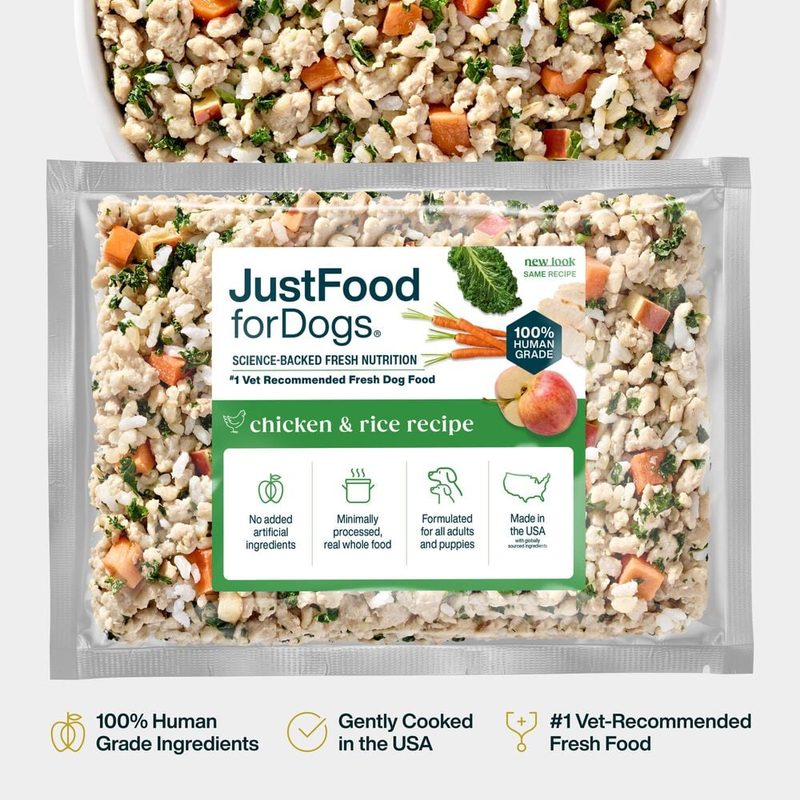
For pet owners investigating prepared, cooked options like JustFoodForDogs Fresh Frozen meals, the goal of a veterinary consultation is not to obtain a blanket endorsement of "fresh food" as a broad category. Instead, the objective is to narrow down the choices to a specific, complete recipe and daily portion size that aligns with the dog’s physical needs and the household’s daily routine.
What a Veterinarian Analyzes Before Recommending a Diet
When a veterinarian evaluates a dog’s diet, they do not start with the food itself; they start with the patient. A food that is highly beneficial for one dog may be clinically inappropriate for another. A thorough veterinary assessment typically evaluates:
- The Individual Patient Profile: This includes the dog’s age, expected adult size (especially critical for growing large-breed puppies), body condition score, activity levels, and current medical history.
- Formulation Expertise and Quality Control: Veterinarians often reference the guidelines established by the World Small Animal Veterinary Association (WSAVA) Global Nutrition Committee. Rather than issuing a seal of approval for specific brands, the WSAVA selection guide provides a series of rigorous questions for pet owners and veterinary teams to ask manufacturers. These questions investigate the manufacturer’s formulation expertise, quality control protocols, internal research standards, and willingness to provide a typical nutrient analysis.
- Nutritional Adequacy and Regulatory Compliance: The product label serves as the essential starting point. A veterinarian will verify whether a fresh diet is formulated to meet the nutritional levels established by the Association of American Feed Control Officials (AAFCO) for a specific life stage, or if it has undergone animal feeding trials. It is vital to distinguish between a "complete and balanced" daily diet and products labeled for supplemental or intermittent feeding only.
- Caloric Density and Water Weight: Because fresh foods typically have a much higher moisture content than dry kibble, their serving weights differ substantially. A veterinarian must calculate a precise calorie plan, which may require obtaining a typical nutrient analysis from the manufacturer to understand the nutrient delivery per calorie, particularly when managing chronic health conditions.
Comparing Fresh Diets with Traditional Kibble
A common misconception among pet owners reading fresh dog food reviews is that dry kibble is inherently inferior or inadequate. In reality, a high-quality, complete, and balanced kibble does not lose its nutritional value simply because a fresh option exists.
When considering a transition, pet owners should identify the specific reasons for wanting to make a change. Is the goal to address a practical preference, such as appealing to a picky eater, or is it to manage a clinical issue like gastrointestinal sensitivity? Establishing a clear baseline of the dog’s current health and behavior allows owners and veterinarians to monitor whether the dietary transition is achieving its intended goals.
Furthermore, a dog’s diet history is rarely limited to what is in their primary food bowl. To make an accurate assessment, veterinarians need a complete picture of everything the dog consumes. This includes treats, dental chews, table scraps, dietary supplements, and any food administered by different family members. Because these extras can quickly alter total daily calorie intake and disrupt nutrient balances, keeping a detailed log of these items prior to a veterinary appointment is highly recommended.
How to Evaluate Scientific Evidence in Pet Nutrition
To cut through the noise of product claims, pet owners must understand what different types of scientific studies actually measure. A research link on a manufacturer’s website is only as valuable as the specific question the underlying study was designed to answer.
To help interpret these scientific claims, it is useful to break down the primary types of nutritional research and understand their clinical boundaries:
Nutrient Analysis
A nutrient analysis establishes the exact chemical composition of the finished food. While it verifies that the recipe contains the necessary vitamins, minerals, and macronutrients, it does not, on its own, establish how those nutrients perform over a dog’s lifetime or how they affect individual health outcomes.
Adequacy Feeding Trials
An adequacy feeding trial evaluates a food according to standardized protocols (such as those defined by AAFCO) to ensure it can support dogs during specific life stages, such as growth, reproduction, or adult maintenance. While these trials confirm that a diet prevents deficiencies and supports basic health over a set period, they do not establish that one diet is inherently superior to another.
Digestibility Studies
A digestibility study measures the proportion of nutrients and energy that a dog’s body actually absorbs from the food versus what is lost in their feces. While high digestibility is a strong indicator of ingredient quality and efficient nutrient absorption, these studies are short-term evaluations and do not prove long-term health benefits, disease prevention, or extended lifespan.
Clinical-Outcome Research
Clinical-outcome research investigates how a specific diet affects a particular health marker or disease state within a defined population of dogs. While these studies provide high-level evidence for targeted veterinary diets, their findings cannot be generalized to healthy dogs or applied to other unrelated health conditions.
Case Study: The 2021 University of Illinois Digestibility Research
For a concrete example of recipe-specific evidence, pet owners can look to a peer-reviewed study published in 2021 titled "Nutrient digestibility and fecal characteristics, microbiota, and metabolites in dogs fed human-grade foods."
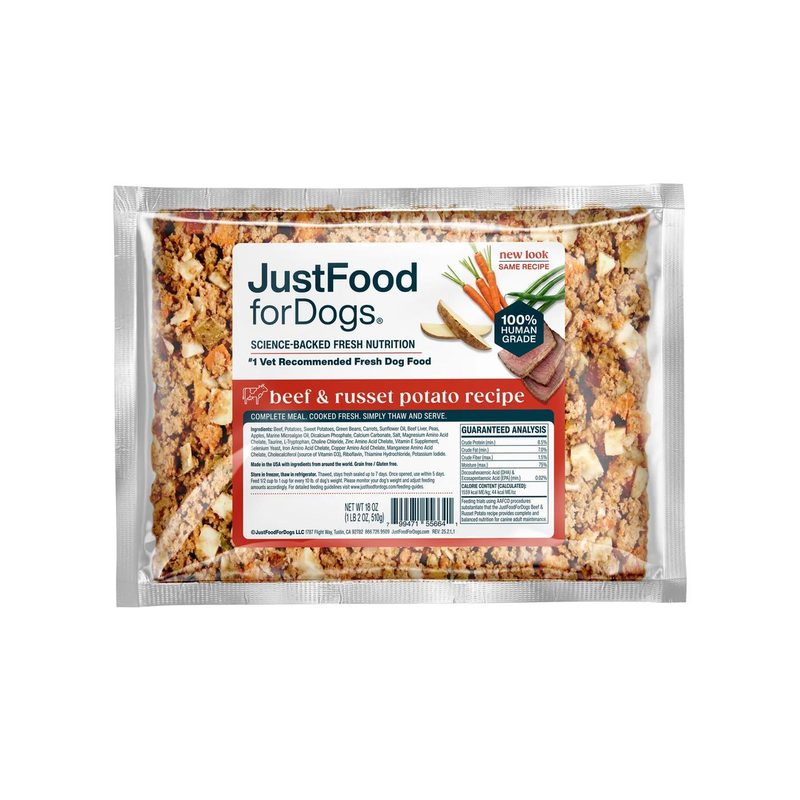
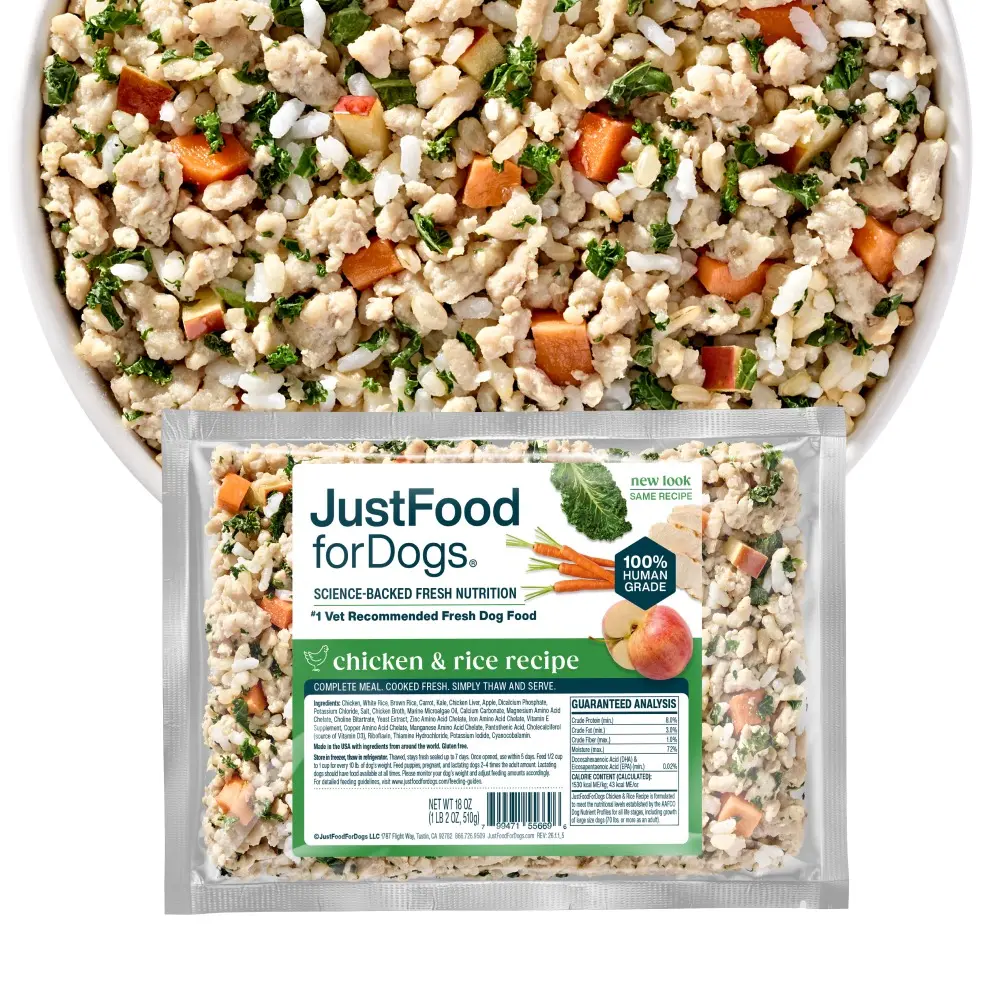
This independent study, conducted at the University of Illinois, evaluated four commercial diets, including two specific human-grade recipes from JustFoodForDogs: Beef & Russet Potato and Chicken & White Rice. The researchers utilized a replicated four-diet crossover design involving 12 healthy adult dogs, with each dog receiving each diet over a series of 28-day feeding periods.
The published findings revealed that the tested human-grade fresh diets demonstrated significantly greater nutrient digestibility and resulted in lower fecal output (smaller stool volume) compared to the extruded dry kibble used as a comparison diet.
While these results provide clear, objective data regarding the digestive performance of these specific JustFoodForDogs formulations, the details of the study design highlight why broad generalizations should be avoided:
- Recipe-Specific Results: The study evaluated the finished, specific formulations as tested. It did not isolate "freshness" as a single, independent variable. Because the diets differed simultaneously in their raw ingredients, nutrient profiles, moisture content, and processing methods, the results belong to those specific recipes rather than to the entire category of fresh pet food.
- Defined Populations: The study was conducted on a small cohort of healthy adult dogs. Consequently, its findings do not automatically predict clinical outcomes for growing puppies, senior dogs, or pets suffering from chronic illnesses.
- Clinical Scope: While reduced stool volume and high digestibility are practical benefits that many pet owners appreciate, they are distinct from broader clinical claims. A digestibility study is not a longevity study, and these findings should not be interpreted as proof of disease prevention or extended lifespan.
The Practical Realities of Homemade vs. Commercial Fresh Diets
For owners who prefer the concept of fresh feeding but want to prepare meals at home, veterinarians emphasize the critical importance of formulation safety. While cooking fresh ingredients at home is entirely viable, preparing a nutritionally complete diet requires strict adherence to recipes formulated by qualified veterinary nutritionists.

Improvising recipes, swapping ingredients, or omitting recommended vitamin and mineral supplements frequently leads to severe, long-term nutrient deficiencies or toxicities. "Homemade," "fresh," and "complete" are distinct concepts, and a fresh meal is only beneficial if it meets all of a dog’s metabolic requirements.
Similarly, when reading online customer reviews for commercial fresh foods, pet owners should use them for their proper purpose. Reviews are highly useful for evaluating practical aspects of a brand, such as packaging design, delivery reliability, food texture, and initial palatability for picky eaters. However, consumer testimonials are anecdotal and do not constitute controlled scientific evidence of health or medical benefits.
Preparing for Your Next Veterinary Consultation
The most effective way to transition a dog to a fresh diet is to collaborate directly with a veterinarian to establish a practical, actionable feeding plan. Rather than asking a general question about whether fresh food is "good," pet owners should aim to leave their appointment with a specific prescription:
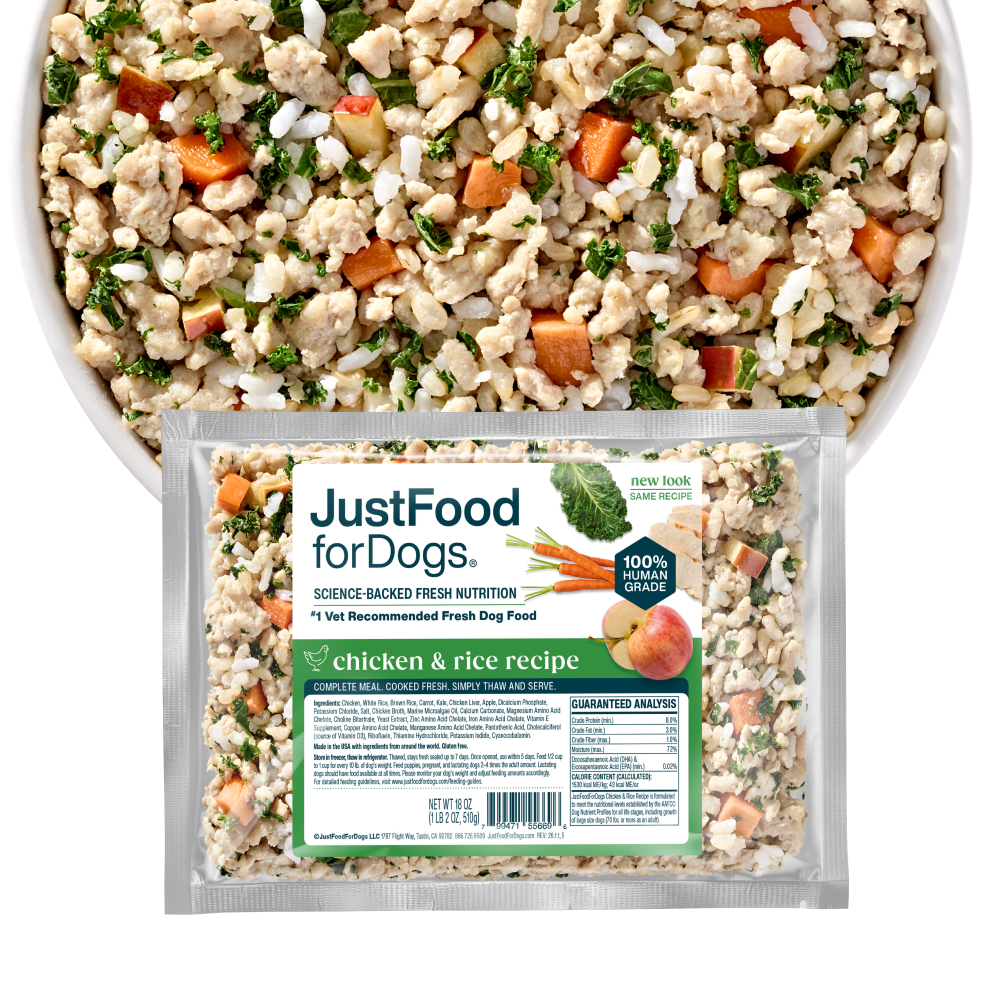
- An Exact Recipe: A clear identification of a complete and balanced formulation (such as JustFoodForDogs Chicken & White Rice) that matches the dog’s life stage and health status.
- A Precise Daily Caloric Goal: A calculated starting portion size based on the food’s calorie density, accounting for any other treats or supplements.
- A Transition Plan: A structured schedule for gradually mixing the new food with the old diet to minimize gastrointestinal upset.
- Monitoring Parameters: A clear understanding of what signs to watch for—such as changes in body weight, body condition score, energy levels, or stool quality—and when to schedule a follow-up assessment.
By focusing on recipe-specific evidence, understanding the limitations of nutritional research, and keeping the individual dog’s health at the center of the decision, pet owners can work alongside veterinary professionals to build a safe, sustainable, and highly nutritious feeding routine.