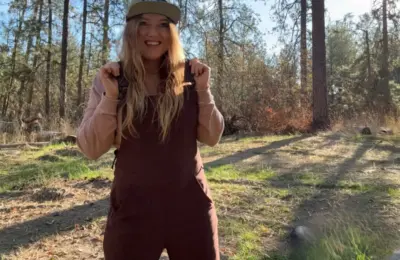


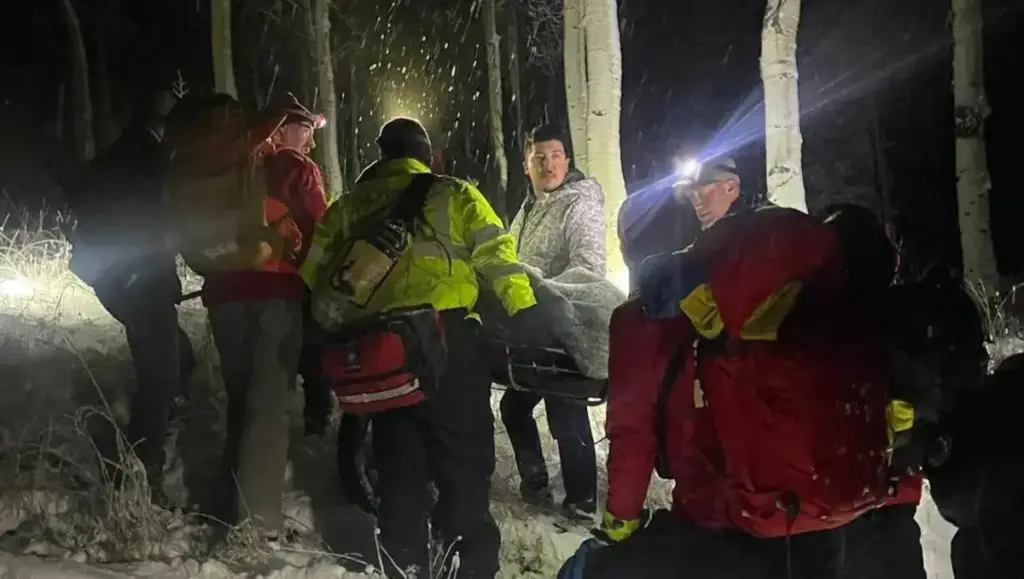
For Korin Pusillo, her very first elk hunt in the rugged backcountry of northwest Colorado quickly transformed from an exciting outdoor adventure into a grueling physical test of survival. Clutching the slick mountainside on her hands and knees, the 39-year-old found herself clawing desperately for traction as a routine autumn day gave way to a relentless alpine blizzard.
The ordeal unfolded on October 14 in Bears Ears, a remote and sprawling wilderness area near Steamboat Springs. Earlier in the day, persistent rain had soaked the high-altitude ground before abruptly transitioning to heavy, wet snow. The dramatic shift left a layer of treacherous mud hidden beneath several inches of fresh accumulation. Every forward step Pusillo attempted on the steep incline resulted in an involuntary slide backward, stripping away her footing and compounding the physical toll of the hike.
"Everything changed so fast," Pusillo reflected on the harrowing experience. "It was hard to get our bearings, and I think even experienced hunters would have been surprised by how quickly the weather turned."
At the time, Pusillo was tracking elk alongside her boyfriend, his brother, and their father—a seasoned veteran of the local terrain who had hunted the Bears Ears area for decades. But as driving snow and dense fog quickly obscured the landscape, and fallen timber blocked familiar, well-trodden routes, even the veterans began to struggle with navigation, heightening the tension for the entire party.
"These guys were so confident because they’d hunted the area for years, but when they started losing that confidence, that’s when it got really scary," Pusillo recalled. "If these guys are getting worried, I’m getting worried."
Three Hunter Emergencies in 14 Hours
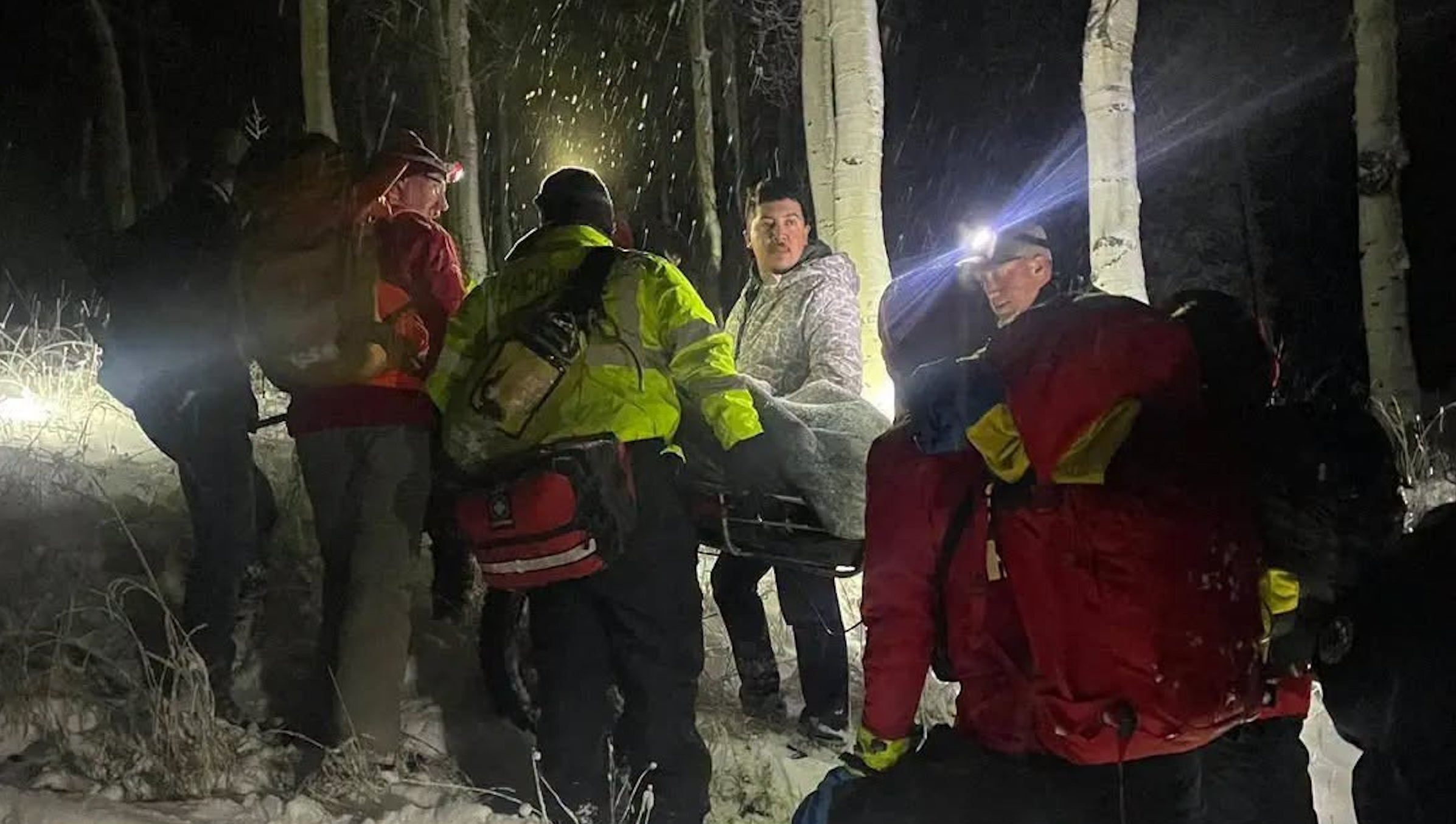
Pusillo and her group were far from alone in their struggle against the elements. Their close call coincided with an exceptionally busy and dangerous 24-hour stretch for Routt County Search and Rescue (SAR), the dedicated volunteer team tasked with patrolling the vast backcountry of the region. According to an official statement released by the squad on Facebook, responders were thrust into a high-tempo emergency response window, handling three distinct SOS calls involving distressed hunters within a grueling 14-hour period on October 14 and 15.
The dangerous convergence of events occurred as Colorado’s first rifle elk season opened simultaneously with the arrival of the region’s first significant, low-elevation winter storm. The first emergency call reached dispatch at 2:59 P.M. on October 14, prompting local authorities to launch a search for an overdue hunter near Dunckley Pass, a high-altitude mountain crossing situated at roughly 9,800 feet southwest of Steamboat Springs. By the time emergency crews mobilized, more than six inches of snow had already blanketed the pass. Working into the evening, officers with Colorado Parks and Wildlife alongside county sheriff’s deputies successfully located the overdue hunter shortly after dark, cold and disoriented but ultimately safe.
Just hours later, at 7:43 P.M., a second emergency distress call came in from the Bears Ears area, located approximately 20 miles north of the town of Hayden. Another hunter had become entirely separated from their party as visibility plummeted. Fortunately, the individual managed to place a 911 call just as the battery on their cellular phone died, providing dispatchers with vital coordinates before communications were cut off entirely.
Incident commander John Williams detailed the grueling nature of the nighttime rescue in an email, noting that snow-covered, unplowed roads transformed the drive to the primary staging area into a nearly three-hour ordeal. Once on site, rescue crews were forced to hike downhill on foot through difficult terrain to reach the stranded hunter, who had grown so cold and exhausted that they were physically incapable of walking back up the mountain. Rescuers wrapped the hypothermic individual in a specialized thermal blanket and, aided by civilian bystanders, hauled the patient nearly 1,500 vertical feet uphill through eight inches of heavy snow on a wheeled rescue stretcher. Williams noted that a combination of wet clothing, rapidly dropping temperatures, and severe physical exhaustion heavily contributed to the hunter’s separation from their group.
The emergency sequence continued into the early hours of October 15, when a third hunter sustained serious injuries in a freak accident involving a falling tree in the Bears Ears sector. A spokesperson for the local search-and-rescue organization told the Steamboat Pilot & Today that a large tree had reportedly crashed down onto the hunter while they were sleeping inside their tent. Nearby emergency responders quickly mobilized to evacuate the injured camper and transport them down the mountain for urgent medical evaluation and treatment.
How Pusillo’s Group Made It Back
For Pusillo and her companions, the decision to press forward into the teeth of the storm was initially driven by success in the field. The group had briefly discussed packing up camp and heading out before the weather deteriorated further, but her boyfriend’s father successfully shot a bull elk. The animal had bolted downhill, running deep into a forested valley before expiring. Dedicated to processing the game, the hunters stayed put to handle the carcass under a protective tarp.
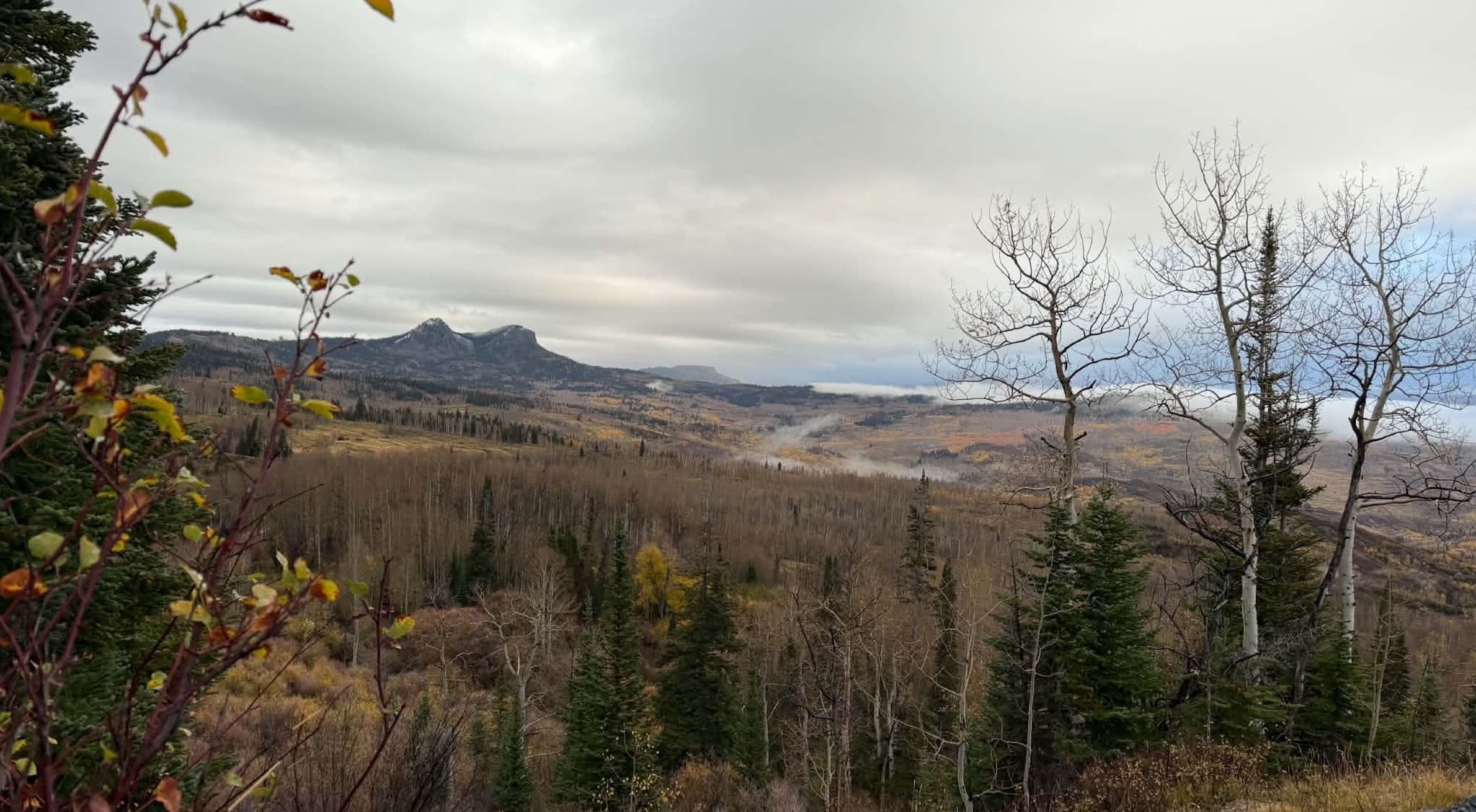
As they worked against the clock and the elements, the steady rain morphed into massive, wind-driven snowflakes. By the time they finally packed up and began the arduous hike back toward camp, Pusillo estimated that four inches of fresh snow had already accumulated on the ground.
"Our boots were fine and we had ponchos, but we didn’t have waterproof gloves, which would have been good to have, because in some parts, it was so slick that we literally had to crawl up on our hands and knees," Pusillo said.
The treacherous combination of slick mud underneath the accumulating snow made vertical climbs nearly impossible without using all four limbs. Simultaneously, newly fallen timber and heavy snow-laden branches blocked familiar paths and obscured landmarks. Adding to the peril, her boyfriend’s dedicated GPS unit began to malfunction after being exposed to excessive moisture, while condensation and wet conditions interfered with his brother’s smartphone screen, blinding their digital navigation tools. Disoriented by the whiteout conditions, the group momentarily lost their way and was forced to stop, regroup, and backtrack through the unfamiliar terrain.
Salvation ultimately came through a combination of digital forethought and low-tech markers. The group successfully relocated their route by referencing a camp-location pin that Pusillo had previously saved and shared from her own smartphone earlier in the trip. As they pushed through the dark, they also kept a sharp eye out for reflective markers affixed to trees, spotting them intermittently in the harsh beams of their headlamps. The harrowing return journey consumed roughly four hours of strenuous exertion.
Despite the punishing conditions, all four members of the party successfully returned to their campsite under their own power, avoiding the need to place a panicked call for emergency rescue.
"I’m glad my phone didn’t die, because if it had, we might have been the fourth rescue call that night," Pusillo reflected.
Preparing for October Hunting Conditions
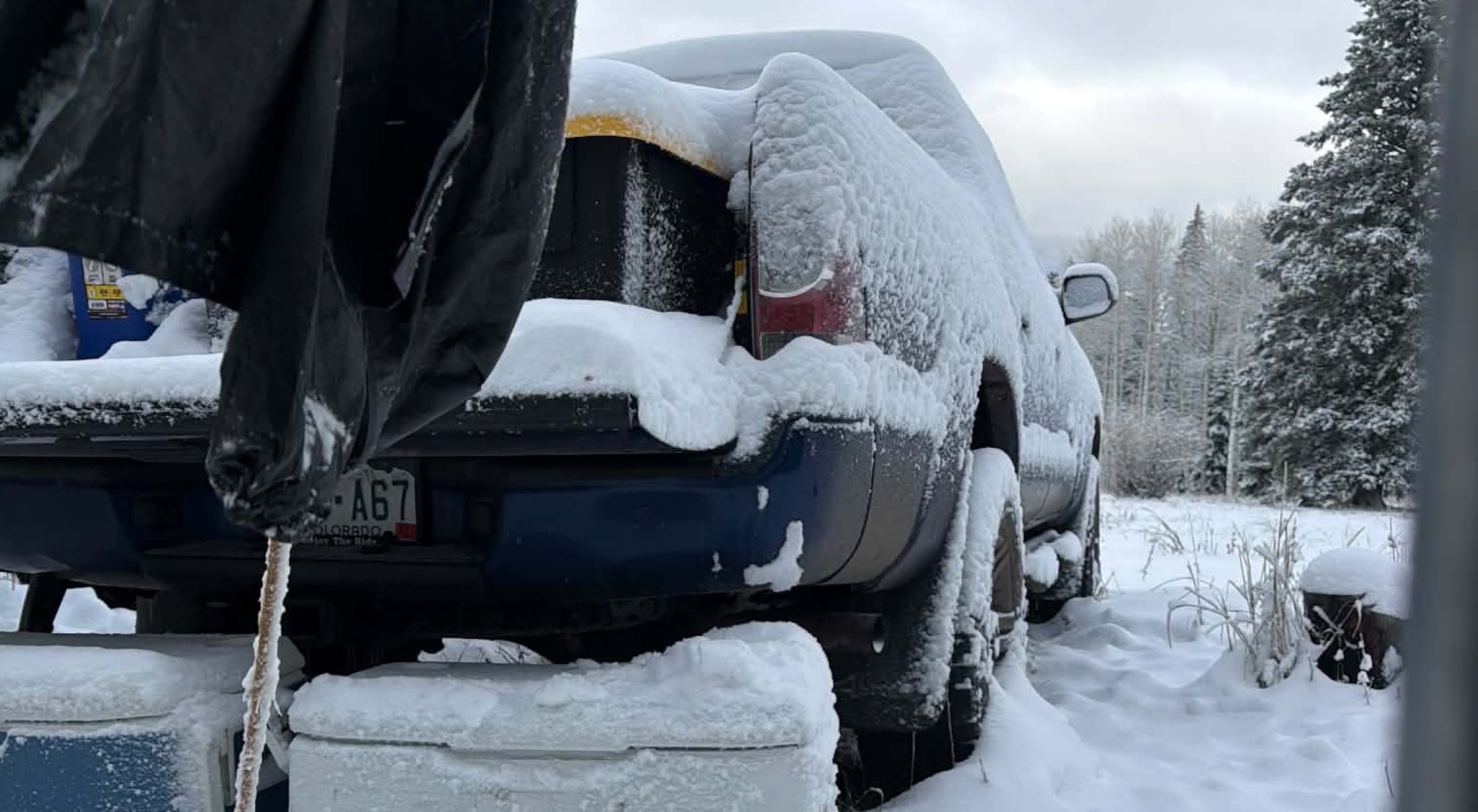
While the storm caught many backcountry recreationists off guard, meteorologists had tracked the incoming system days in advance. On October 13, the National Weather Service issued a winter weather advisory warning of four to eight inches of snow accumulation above 9,500 feet, accompanied by fierce wind gusts reaching up to 35 miles per hour across several western Colorado mountain ranges.
Pusillo acknowledged that her hunting party had checked local weather forecasts for the nearby town of Craig, which indicated rain showers, but they completely failed to anticipate that the freezing temperatures would extend heavily into their specific high-altitude hunting grounds.
"We weren’t prepared for snow because we didn’t think it was going to get cold enough to snow," she admitted.
In the wake of the intense 14-hour window, Routt County Search and Rescue issued a stern reminder to hunters, campers, and all other backcountry users, emphasizing the critical importance of maintaining comprehensive preparedness for sudden weather shifts during the transition seasons.
"Being prepared in weather conditions like these can be a matter of life or death, and help can be many hours away," the rescue organization stressed in its public advisory.
State wildlife and safety authorities echo these warnings. Colorado Parks and Wildlife regularly advises big-game hunters to continuously monitor localized mountain forecasts, carefully plan and communicate reliable exit routes, and always carry adequate emergency equipment capable of sustaining an unexpected overnight stay in freezing conditions. Furthermore, the Colorado Search and Rescue Association recommends that all backcountry travelers pack redundant navigation tools, fresh spare batteries, and establish strict, agreed-upon check-in schedules with contacts outside the wilderness before heading into the Rockies.