In the television landscape of the mid-2000s, creator and producer J.J. Abrams helped establish a new standard for engrossing, puzzle-box storytelling that relied heavily on shock reveals, dense mythologies, and irresistible mysteries. Before he took his talents to the big screen for massive franchise reboots and interplanetary adventures, Abrams co-created Lost, the legendary ABC drama that immediately hooked audiences with its unforgettable 2004 pilot. Directed by Abrams himself, that premiere introduced viewers to a disoriented Jack Shephard, played by Matthew Fox, waking up amidst the burning wreckage of Oceanic Flight 815 to aid the scattered survivors.
While that opening masterclass struck television gold, Abrams would go on to channel those exact atmospheric conditions and high-concept structural beats into a completely different kind of venture after stepping away from Lost in 2005. Three years later, his paranormal sci-fi procedural Fringe premiered on Fox, opening with its own haunting variation of an aerial disaster. Although the aircraft in question manages to avoid a catastrophic crash and lands safely via autopilot, the eerie scene awaiting the emergency response teams inside raises deeply unsettling questions about the state of the passengers, setting off a sprawling multi-season investigation into the impossible.
When it first debuted, the critical and public reception to Fringe was far more muted than the immediate, wildfire success of Lost. However, over the course of its five-season run, the series steadily built a fiercely dedicated fanbase and enjoyed a dramatic shift in cultural perception, eventually cementing its status as an influential cult classic of modern television. Now, for sci-fi enthusiasts looking to dive into Abrams’ convoluted lore, complex alternate timelines, and speculative science without investing in another subscription service, the opportunity has arrived. Fringe is currently available to stream in its entirety completely free of charge on Pluto TV.
What is Fringe About?
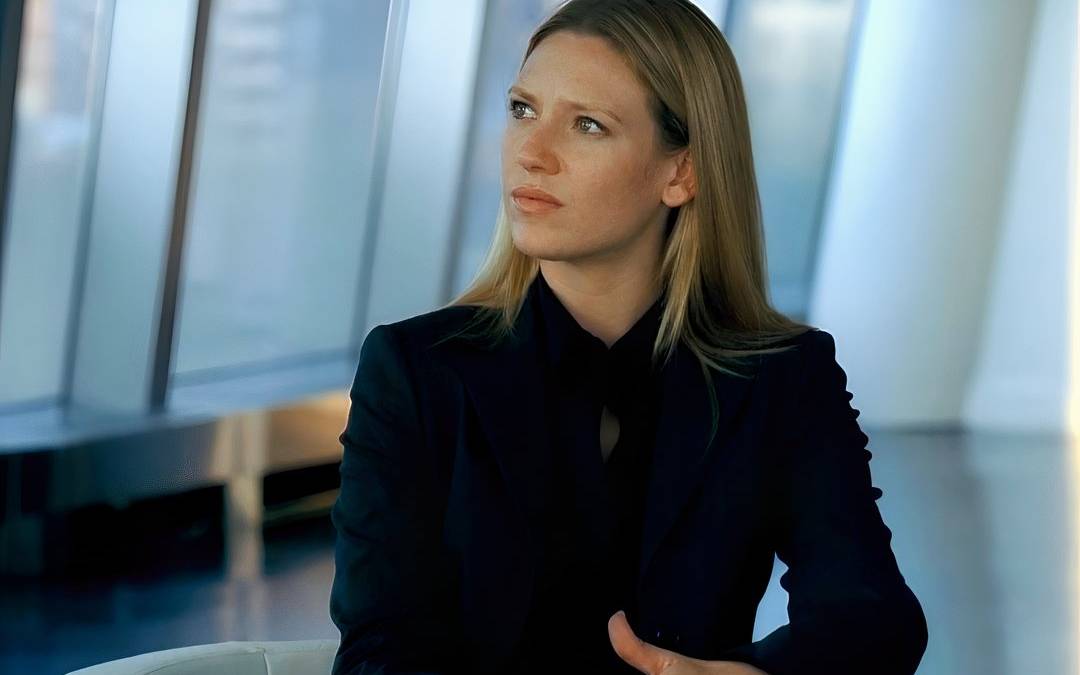
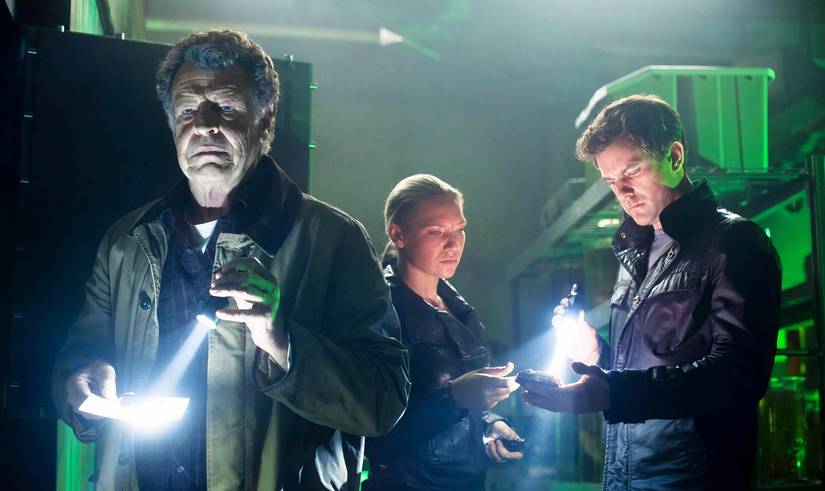
Set against the backdrop of modern federal law enforcement, Fringe follows a specialized Joint Federal Task Force known as the Fringe Division. Operating under the auspices of the FBI, this clandestine unit is tasked with investigating bizarre, inexplicable cases that push the boundaries of conventional understanding, delving deep into speculative scientific concepts such as parallel universes, quantum entanglement, and advanced technological singularities. The core team is anchored by FBI Special Agent Olivia Dunham, portrayed by Anna Torv; Dr. Walter Bishop, an eccentric and institutionalized genius played by John Noble; and Peter Bishop, Walter’s estranged, sharp-witted son brought in to manage his unpredictable father, played by Joshua Jackson.

The series kicks off as the trio begins investigating a series of terrifying anomalies around Reiden Lake, phenomena that are eventually tied to a vast, ominous doomsday event engineered by a shadowy network of rogue scientists. As the agents and scientists dive deeper into these fringe cases, they uncover dark, unsavory secrets about one another, adding a heavy psychological toll to the already extraordinary demands of their unorthodox lives.
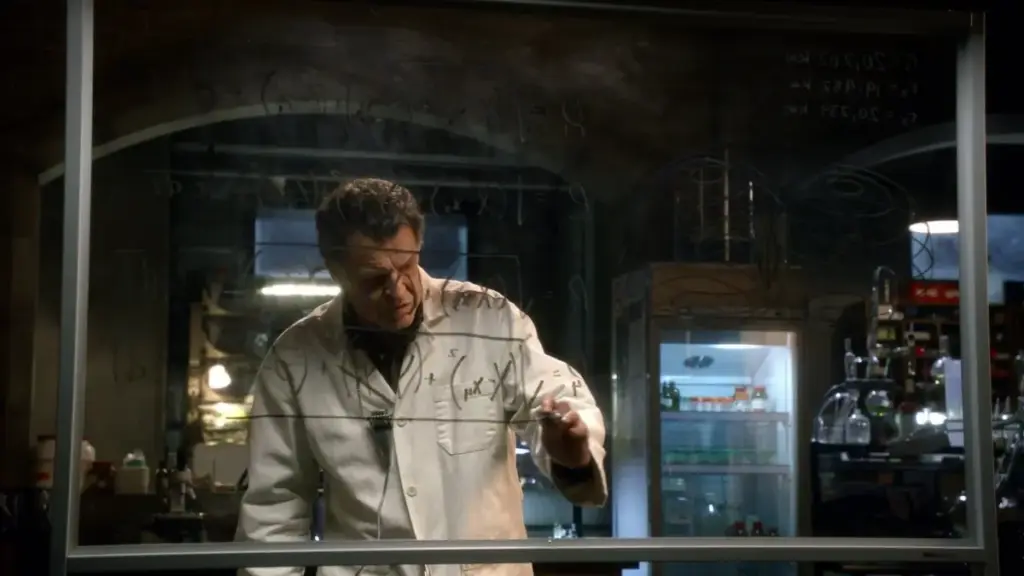
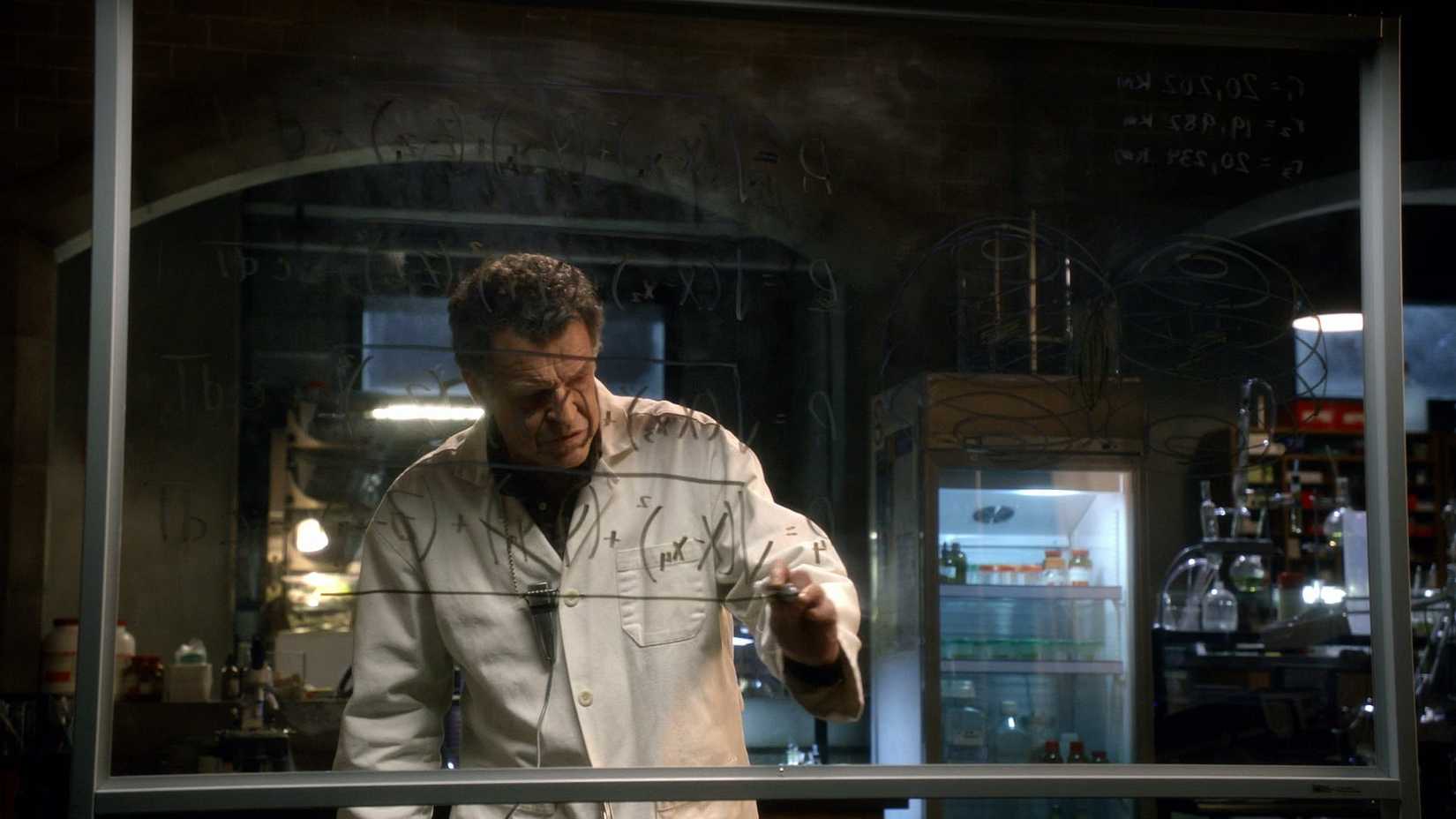
From those initial procedural roots, Fringe evolves into a relentless narrative race to solve baffling scientific mysteries that constantly challenge the ethical boundaries of human knowledge. Dr. Walter Bishop embodies the archetype of the classic mad scientist, gleefully engaging in dubious, boundary-pushing experiments while approaching everyday societal matters with a refreshing, irreverent detachment. His complex, evolving dynamic with Peter and Olivia breathes life into the procedural format that dominated the early seasons, where the team confronts everything from heightened cognitive abilities and dimension-related disasters to deeply troubling instances of quantum entanglement. Because mainstream scientific institutions refuse to acknowledge or study these major, reality-altering concerns, it falls squarely upon the shoulders of this eccentric trio to prevent the total demise of humanity.
Fringe’s Hard Sci-Fi Elements Are Perfectly Balanced with Deeply Moving Interpersonal Bonds
At first glance, casual viewers might mistake Fringe for a modern derivative of celebrated genre predecessors like The X-Files or The Twilight Zone, heavily drawing inspiration from their outlandish plotlines and standalone monster-of-the-week formats. For instance, standout installments like the fourth-season episode "Welcome to Westfield" showcase reality-bending anomalies that directly evoke classic anthology storytelling. However, a closer inspection reveals a deeply overlooked sci-fi series that consistently prioritizes tender empathy and emotional resonance, even when its characters are entirely consumed by the mechanics of alternate timelines and parallel universes. At its core, the show tells a surprisingly moving story about family—both biological and found—and what those connections truly mean when the very nature of existence is constantly in flux.
It is remarkably easy for television series that dabble in heavy sci-fi jargon and theoretical physics to slip into a didactic, overly intellectualized tone, but Fringe successfully avoids this trap by maintaining a breezy, dark sense of humor that routinely cuts through the mounting tension. Even the most stoic and no-nonsense figures in the administrative hierarchy, such as FBI boss Phillip Broyles, portrayed by the late Lance Reddick, are frequently granted moments of levity and unexpected vulnerability, grounding the high-stakes narrative in authentic human reactions.
Moreover, while the series frequently stretches scientific plausibility well beyond its breaking point, these narrative leaps never hinder its core ability to engage and entertain the audience. Viewers do not need an advanced degree or an in-depth understanding of theoretical fringe science to appreciate the unconventional ride. Instead, the profound vulnerability displayed by the central trio allows audiences to deeply relate to the utterly bizarre, terrifying situations they find themselves navigating week after week.
Though Fringe originally aired on Fox during the tail end of the traditional network television era, long before the modern streaming binge-watch model became the industry standard, the series is uniquely suited for marathon viewing sessions. It is the type of engrossing narrative that can easily be consumed in its entirety over a long weekend without requiring the viewer to constantly decode confusing exposition or overly convoluted reveals. That accessibility remains a vital part of the show’s unstated charm. Fringe ultimately succeeds in making its wildly fantastical, reality-bending elements work purely because of the grounded, hard-earned love shared between its characters. Intellect and empathy function as two halves of a singular whole throughout the series, creating a deeply fulfilling television experience that lingers long after the credits roll.
Fringe is currently streaming for free on Pluto TV.