



Aliens, sentient computers, and killer dolls frequently headline discussions regarding the enduring legacy of The Twilight Zone, but none of these classic sci-fi tropes capture the show’s dark brilliance quite like a grim, earthbound episode devoid of the supernatural.
While the celebrated anthology series remains deeply influential in science fiction and horror, it is undeniably a product of its time. Airing from 1959 until 1965, the show inevitably displays production designs and creature effects that, while groundbreaking for their era, look dated by today’s standards. Yet, the reason The Twilight Zone continues to endure across generations is not found in its special effects, but rather in its unflinching exploration of deeper human emotions. These psychological elements remain entirely timeless, allowing the series to feel paradoxically dated yet urgently relevant to contemporary society. A quintessential example of this phenomenon is the third-season episode "The Shelter," which debuted 65 years ago in the fall of 1961.
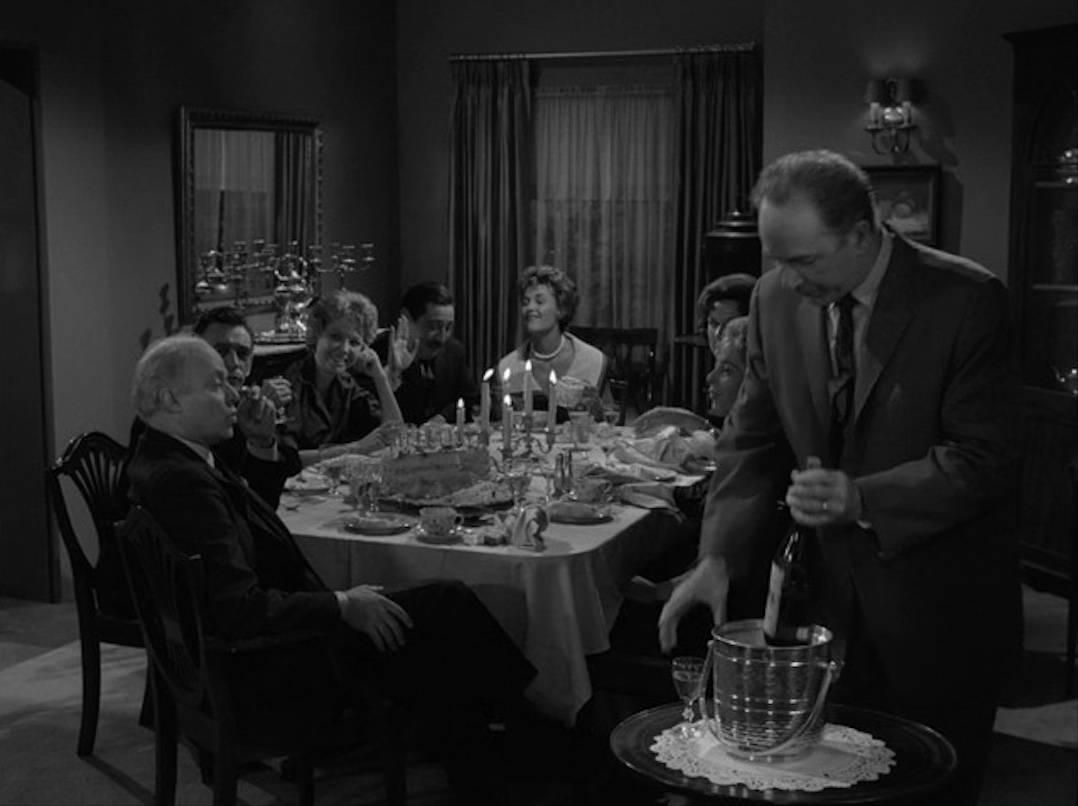
Written by series creator and host Rod Serling, "The Shelter" strips away the cosmic anomalies and interdimensional travel that typically defined the show, focusing instead on ordinary people pushed to the absolute brink. The narrative begins innocuously enough, with a handful of neighboring families gathered to celebrate a birthday dinner for Dr. Bill Stockton, portrayed by Larry Gates. Dr. Stockton has served as the neighborhood physician for years, and the evening is filled with the comfortable warmth of community and suburban camaraderie.
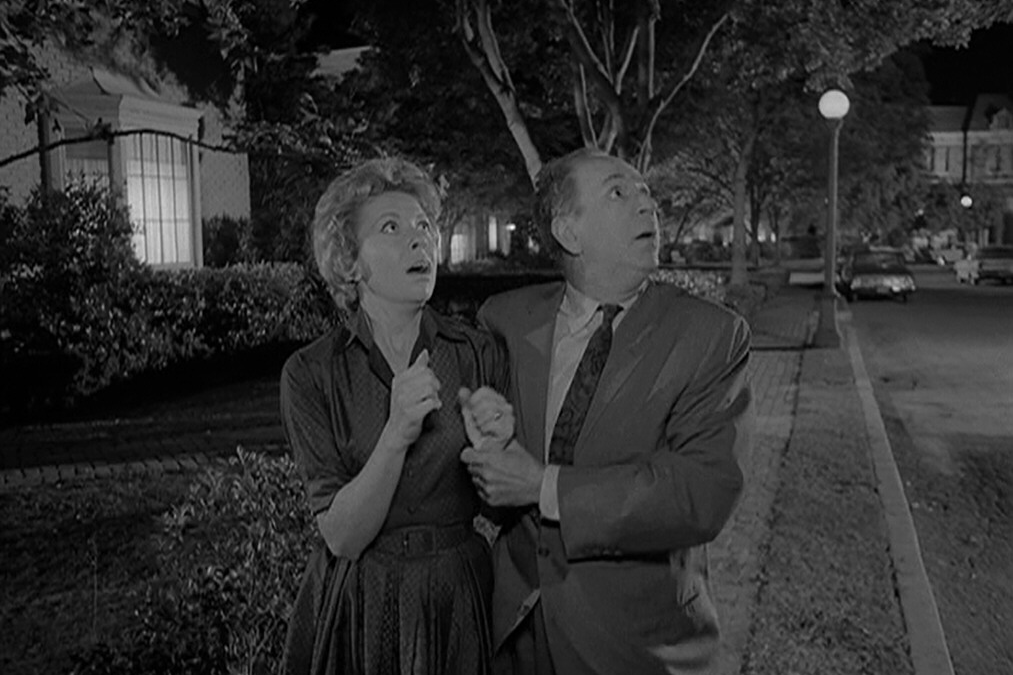
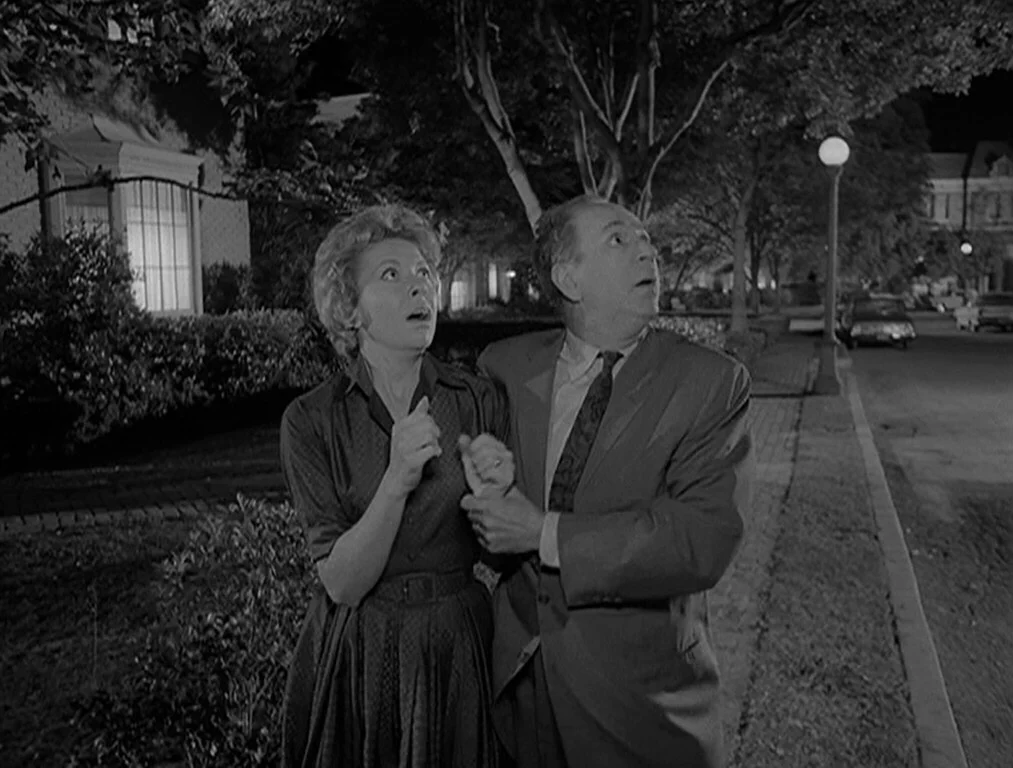
That fragile peace is shattered instantly when an emergency announcement crackles over the radio. Unidentified objects have been detected in nearby skies—signaling that a nuclear attack may be imminent—and citizens are urgently instructed to seek shelter immediately in their basements or private bomb shelters.
As it turns out, Dr. Stockton is the only resident on the block with the foresight to build a fallout shelter. It is a precaution that his neighbors had previously mocked, even lightheartedly teasing him about it over their birthday dinner just moments before. Nevertheless, Stockton believed in being prepared, constructing the underground bunker exclusively for himself, his wife, and his child, with zero provisions or physical room to accommodate anyone else. Despite the complete lack of extra space, supplies, or oxygen, all of Stockton’s neighbors immediately converge on his home, frantic and pleading to be let inside. Stockton apologetically refuses, explaining the hard physical limitations of the shelter, and locks his family safely inside.
Outside the heavy steel door, a panic-fueled argument rapidly degrades among the neighbors over who among them deserves a place inside the bunker. The veneer of civilized suburban life peels away, exposing base emotions and deep-seated prejudices. In a chilling display of tribalism, one neighbor argues that another man, due to his foreign birth, is less deserving of safety than his native-born American neighbors. As collective hysteria mounts, rationality is completely abandoned, and the desperate group resolves to scavenge a nearby flagpole, turning it into a crude battering ram to smash down the door of Stockton’s shelter.
Why ‘The Shelter’ is Still Relevant Today

While The Twilight Zone is famously synonymous with the supernatural, there is not a single fantastic element in "The Shelter." Even the signature twist ending lacks anything strange or otherworldly. When the episode originally aired in 1961, it tapped directly into a profound, everyday terror that defined the Cold War era. At the time, American school children were subjected to mandatory "duck and cover" drills, and countless families were constructing backyard bomb shelters in earnest. With the benefit of historical hindsight, viewers today know that a nuclear exchange never materialized during the height of the Cold War, but in 1961, the threat felt chillingly immediate and authentic, making the episode a harrowing mirror of its cultural moment.
In that specific regard, "The Shelter" exhibits its age. More than six decades later—and over a quarter-century removed from the geopolitical shifts of the post-Cold War era—a sudden nuclear assault on American suburbs feels culturally distant. Yet, much like the greatest triumphs of The Twilight Zone, the surface-level plot is not really what the story is about.
The most poignant and enduring message touched upon in "The Shelter" was never about the bygone Red Scare; it was an indictment of prejudice and volatile human nature. At the opening of the episode, Dr. Stockton is hailed as a cherished friend, a pillar of the community, and a trusted doctor. By the climax, those exact same neighbors are cursing his name, transforming him into a mortal enemy simply because he refuses to sacrifice his own family’s survival to accommodate them in a space that cannot physically hold them. Furthermore, the trapped citizens immediately fracture along ethnic and national lines, turning their collective fear and aggression inward against one another.
In that sense, "The Shelter" remains as relevant as it ever was. Even if modern audiences cannot directly relate to the specific nuclear dread of the 1960s Cold War, the manifestations of hatred, tribalism, and bigotry continue to dominate daily headlines around the globe. This psychological truth explains why The Twilight Zone continues to resonate decades after its initial broadcast. The landmark series was never truly about aliens, killer dolls, or even the looming terror of a nuclear holocaust; it was always an unflinching study of human nature, which remains forever timeless.
The Twilight Zone is available to stream for free on Pluto TV.