



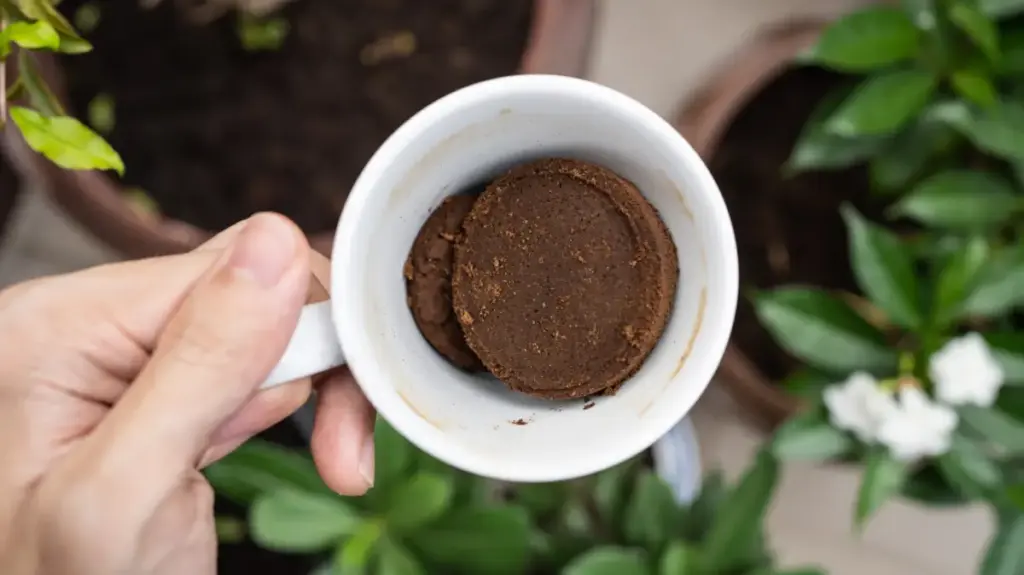
Few things can top the feeling of a nice, freshly brewed cup of joe early in the morning. For millions of people around the world, the daily ritual of making coffee is an essential part of waking up and starting the day on the right foot. But brewing your own coffee at home comes with perks well beyond simply skipping the morning rush-hour wait at the local coffee shop.
While there are plenty of ill-advised tips circulating online about natural fertilizers that do not really do much for your home garden, coffee is a well-known, well-researched, and scientifically backed addition to composting and gardening that offers a host of genuine benefits. Whether you start with whole beans—and you really should, since there is a distinct scientific reason why coffee tastes significantly better when brewed from freshly ground beans—or opt for your favorite pre-ground bag from the grocery store, there is a fantastic secondary use for those spent dregs once you have extracted all the rich flavor from them.
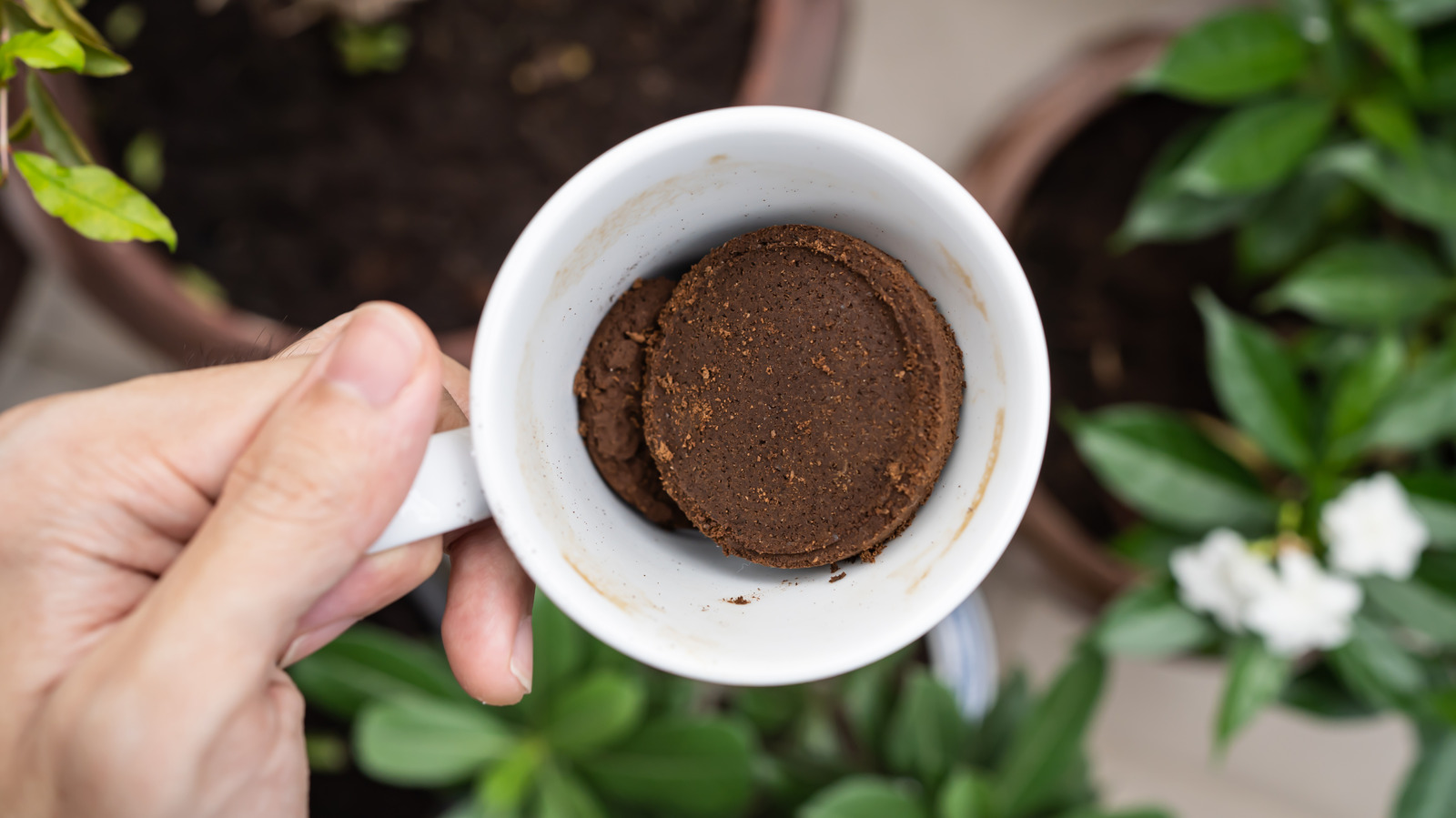
Instead of tossing those leftover grounds into the trash can without a second thought, gardeners and environmental enthusiasts are increasingly putting them to work in the yard. Doing so not only helps reduce household waste and lightens the load on local landfills, but it can also leave your home garden looking lusher and healthier than ever before. Used coffee grounds serve as an exceptional substitute for, or complement to, traditional commercial mulch. Mulch, broadly defined, consists of any material used as a protective layer spread atop the soil to help suppress unwanted weeds, retain vital soil moisture, regulate fluctuating ground temperatures, and improve overall soil health over the long term.
The primary benefit of applying coffee grounds on top of your garden soil, aside from being an effective way to live a more waste-free lifestyle, is the significant improvement it brings to soil quality. When organic matter like coffee grounds is introduced to the garden, local soil microbes, beneficial fungi, and earthworms actively feed on the material. These organisms decompose the grounds into useful, bioavailable nutrients that further enrich the soil, creating a thriving underground ecosystem. Furthermore, earthworms play a critical role by helping to aerate the soil as they move through it, creating small tunnels that dramatically improve water drainage and root penetration. While the spent grounds attract this healthy ecosystem of beneficial organisms that actively support plant health, they have also been shown through practical use and observation to help repel common garden pests such as slugs and snails, offering a natural defense mechanism without the need for harsh chemical pesticides.
There are several methods you can follow to successfully incorporate coffee grounds into your home garden routine, depending on your landscape layout and the specific plants you are cultivating. One straightforward approach involves spreading a thin layer of coffee grounds directly over the soil surface, taking careful care not to pack the material down too tightly in any one spot, which could create an impermeable barrier to air and water. Gardeners should note that certain plants, such as hydrangeas and roses, tend to thrive in and benefit from the naturally slightly acidic nature of coffee, while other plants, particularly young seedlings, are not nearly as fond of the residual caffeine and acidity. It is always wise to check what conditions best suit the specific type of plant you are growing before applying amendments directly. Additionally, pet owners should keep in mind that ingesting large amounts of coffee grounds can be dangerous and toxic to dogs, meaning you might want to avoid surface applications in areas where your pets spend a significant amount of time playing or resting.
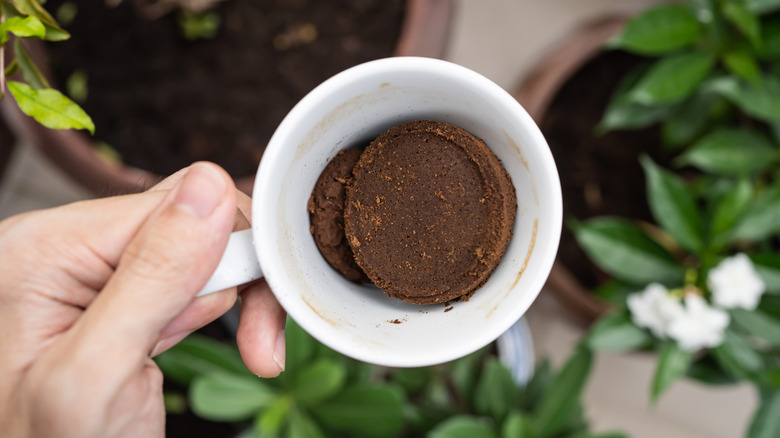
For a much gentler and safer approach that minimizes any risk of over-acidification or clumping, gardeners can easily combine one part coffee grounds with three to four parts bark mulch or any other standard mulching material before spreading it across the beds. This dilution ensures that the organic matter breaks down gradually while still delivering the intended benefits of weed suppression and moisture retention.
The most reliable and foolproof method, however, is to add your spent coffee grounds directly to a homemade compost pile, where they can break down evenly alongside a balanced mix of other green and brown organic materials. When utilizing this composting method, it is important to ensure that the coffee grounds account for no more than roughly twenty percent of the total volume of the compost pile to maintain a healthy carbon-to-nitrogen ratio and prevent the material from becoming too dense or overly acidic.
If your daily coffee intake ultimately surpasses your gardening needs and you find yourself with an abundance of spent grounds, you will be glad to know there are many other clever uses for coffee grounds both inside and outside of the kitchen. It truly stands out as one of the most versatile by-products of modern daily life, and one that people rarely think to repurpose beyond the morning brew. Resourceful homeowners use ground beans as a natural meat tenderizer for steaks, a passive way to absorb and eliminate unpleasant odors in refrigerators and around the house, and even as a mild abrasive to help remove stubborn, baked-on grease from pots and pans. So, the next time you brew a comforting cup of coffee to start your day, you may want to think twice before automatically tossing those nutrient-rich grounds into the garbage.