

When video game enthusiasts discuss titles where choices truly matter, conversations almost inevitably drift toward familiar giants. Players frequently analyze the sweeping narrative branches and dramatic resolutions of massive open-world role-playing games, or look back at decades-old trilogies to debate how individual decisions ultimately culminated in tightly controlled finales. Large-scale narrative branches are naturally engaging; they offer players a profound sense of satisfaction, fostering a simulated feeling of influence over vital events and the characters they grow to care about.
However, much like the mechanics surrounding video game romance, traditional branching structures have increasingly grown somewhat predictable and routine. Major role-playing experiences often follow a familiar formula: accumulate points, pass a skill check, alter a political alliance, or steer toward one of a handful of distinct, predetermined conclusions.

In a landscape dominated by these conventional formulas, a subset of narrative-driven titles is deliberately challenging what it means for a player’s agency to genuinely impact a story. By moving away from standard dialogue wheels and high-stakes political chess matches, developers are finding innovative, unconventional ways to weave player choice directly into the psychological, emotional, and structural fabric of interactive media.
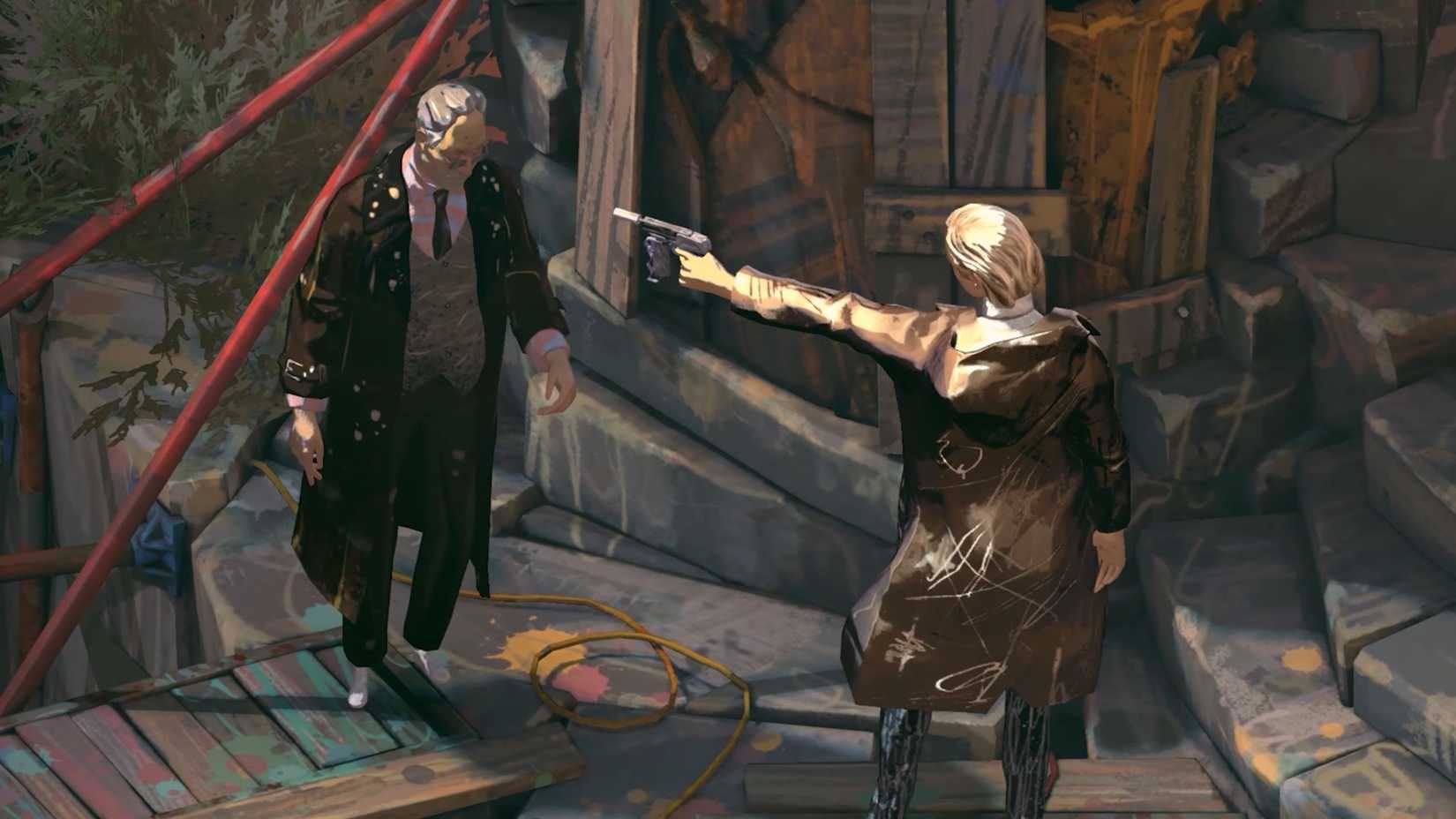
Among the titles redefining this design philosophy is Zero Parades: For Dead Spies, an intricate narrative experience released in May 2026 for Windows PC, with upcoming console ports planned for later in the year. The game presents a distinct approach to player choice, ensuring that decisions do not merely ripple outward to alter the external plot, but actively reshape the internal actions and mental state of the protagonist herself.
The story centers on Hershel, a decommissioned operative who wakes up in a locked room alongside a comatose individual, completely devoid of memory regarding how she arrived there. Thrust into a labyrinthine and hazardous political conspiracy within the fictional setting of Portofiro, the player’s primary objective is to untangle the mystery while navigating a precarious path toward redemption.

Drawing clear thematic inspiration from its spiritual predecessor, Disco Elysium, Zero Parades incorporates traditional computer role-playing game statistics focused on persuasion, mental fortitude, and specialized knowledge. Yet, the implementation of these stats extends far beyond utilitarian tasks like picking locks or deceiving NPCs. Investing points into specific social or mental attributes unlocks entirely new perspectives on unfolding events, sometimes rewarding the player with profound lore that feels just as fulfilling as discovering a physical pathway through a level.
Conversely, leaning too heavily into certain psychological extremes can drag the protagonist into spirals of madness or overwhelming anxiety. Players might find themselves bonding with a drunken businessman over shared, surreal delusions, only to watch their character succumb to fatigue or psychological collapse if the delusion meter maxes out.
Rather than punishing the player with an abrupt "game over" screen that forces a reload, Zero Parades largely adopts a "yes, and" philosophy. Even when a decision leads to a disastrous or seemingly fatal outcome, the narrative almost always carves out a way forward. This forward momentum, however, frequently forces the player down a route vastly different from their original intentions. It cultivates an atmosphere of perpetual uncertainty, mirroring the psychological vulnerability of its protagonist and forcing players to improvise rather than safely navigate a predictable decision tree.
This willingness to subvert conventional player expectations is also evident in the horror-tinged visual novel space, notably through the work of independent studio Black Tabby Games. Known for pushing the boundaries of choice-driven design while concurrently developing their expansive project Scarlet Hollow, the studio released the experimental psychological thriller Slay the Princess in late 2023 across multiple platforms, including PlayStation, Xbox, Nintendo Switch, and PC.
In Slay the Princess, the player assumes the role of a lone protagonist guided by an authoritative narrator into a secluded woodland cabin. The mission is straightforward in premise yet unsettling in execution: descend into the basement and slay the imprisoned princess, whom the narrator describes as a catastrophic threat wearing the guise of an innocent maiden.
From that initial premise, the narrative diverges into wildly unforeseen directions. Even a seemingly passive choice, such as refusing to enter the cabin entirely, instantly fractures the story into an entirely unique thematic branch. While the game ultimately funnels its myriad narrative threads toward a fixed collection of thematic conclusions, the ultimate outcome represents only a fraction of the experience. Each individual path—even those sharing similar ultimate destinations—explores entirely new facets of the protagonist, the mysterious narrator, and the elusive princess herself.
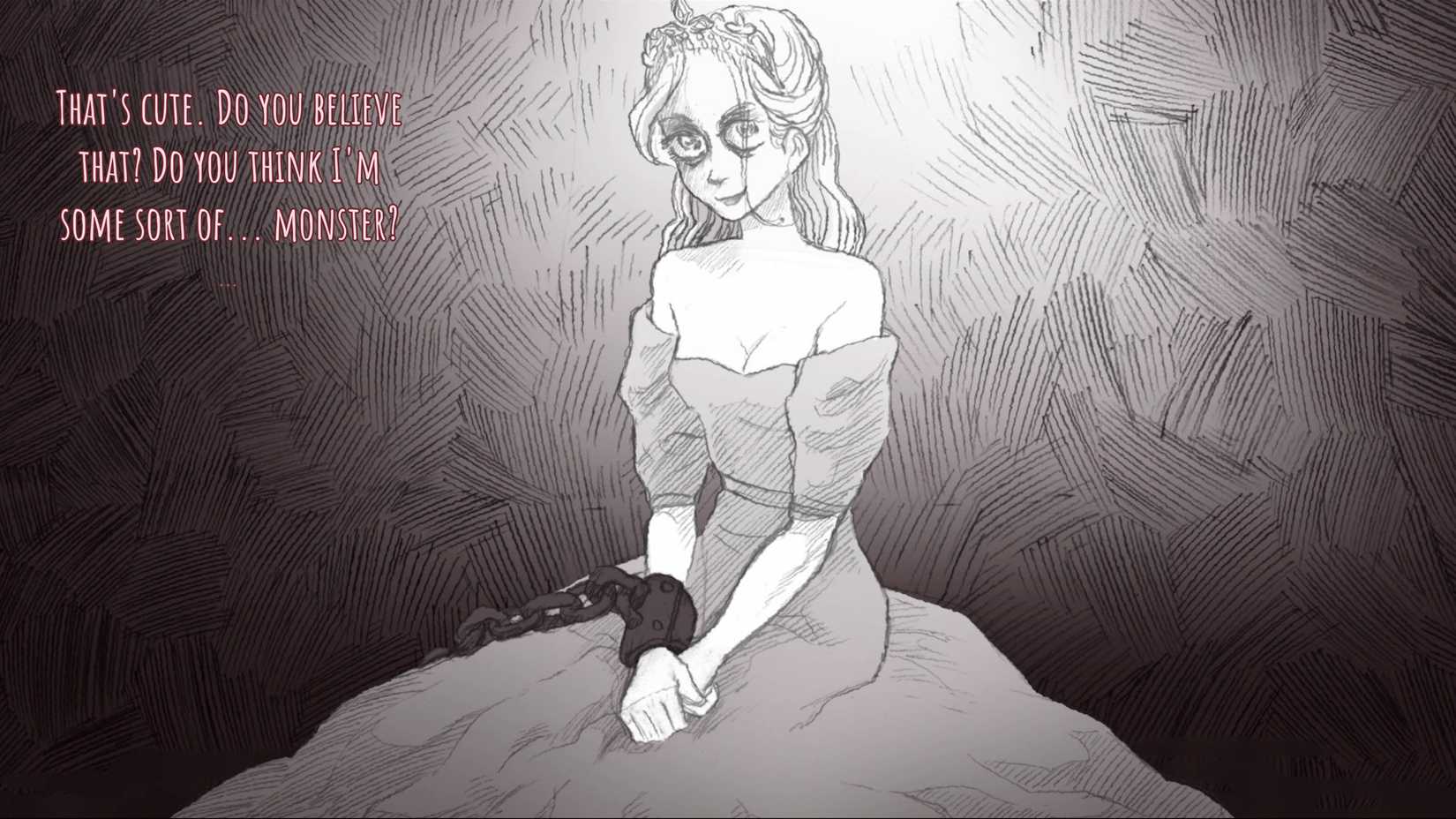
Because players must base their choices entirely on instinct, environmental context, and the psychological weight of prior encounters, the decision-making process carries a raw intensity. If a princess brutally dispatches the player character in one iteration, subsequent runs are naturally colored by that trauma, transforming the decision-making process into a deeply reactive psychological dialogue rather than a dry mechanical calculation.
Pushing the concept of player agency to its absolute breaking point requires a level of structural audacity that few developers attempt. Among the most extreme examples in recent years is The Hundred Line: Last Defense Academy, developed by Too Kyo Games and published by Aniplex. Released in April 2025 for Windows PC and Nintendo Switch, the game approaches narrative branching with a scale that borders on the chaotic.
The premise strands a group of teenagers in an isolated, uncanny academy following an invasion of Tokyo by surreal, aggressive entities. A ghostly figure assumes the role of headmaster and military commander, granting the students supernatural blood magic to fight back against the onslaught. For the initial thirty hours of the experience, the game deliberately funnels players down a strictly linear path devoid of major narrative branches, seemingly culminating in a definitive conclusion before looping the player back to the beginning.

It is at this juncture that The Hundred Line fundamentally transforms. Subsequent playthroughs introduce sweeping structural shifts where a single, seemingly minor action can completely detonate the established storyline, altering the fates of every student at the academy. The project features a staggering one hundred distinct endings, none of which are designated as the official canon. Absurd comedic routes sit alongside deeply traumatic and serious narrative paths as equally valid expressions of the game’s design.
By imbuing individual choices with immense, paradigm-shifting power while simultaneously stripping away traditional player control over the ultimate trajectory of those choices, the game upends the conventional dynamic between player and software. Although the sheer scale of such a branching architecture proved financially and logistically grueling for its creators, the resulting experience stands as a striking testament to how interactive media can challenge traditional storytelling conventions.
Ultimately, these titles demonstrate that the enduring appeal of choice-driven narratives does not solely rely on the sheer quantity of endings or the grand political scale of the game world. By experimenting with psychological vulnerability, perceptual framing, and structural subversion, developers continue to discover fresh avenues for player agency long after traditional formulas have grown familiar.