


Dehydrated pet food has transformed the modern dog bowl, offering a unique middle ground between the convenience of dry kibble and the nutrient profile of fresh, minimally processed diets. Among the pioneers of this category, The Honest Kitchen has established a diverse lineup of human-grade dehydrated recipes, base mixes, toppers, and broths. However, transitioning to this format of feeding introduces a critical variable that traditional kibble feeders rarely have to consider: the preparation process.
According to veterinary nutritionists, the way dehydrated pet food is prepared directly influences its digestibility, caloric density, and safety. While the basic sequence of preparing these meals is straightforward—measuring the dry product, adding warm water, stirring, and waiting for hydration—the ratios and nutritional roles vary significantly across the product line. Because complete recipes, base mixes, toppers, and broths serve entirely different dietary purposes, there is no single, universal food-to-water ratio that applies to every product in the lineup. Understanding how to interpret product labels and establish a precise, repeatable preparation routine is essential for maintaining a dog’s long-term health and nutritional balance.
Decoding the Product Lineup: Understanding Ratios and Nutritional Roles
Before opening any package of dehydrated pet food, owners must identify the specific role that product is formulated to play in their dog’s diet. The Honest Kitchen categorizes its products into distinct functional groups, and treating these formulas as interchangeable can lead to serious nutritional deficiencies or accidental overfeeding.
Complete Dehydrated Recipes
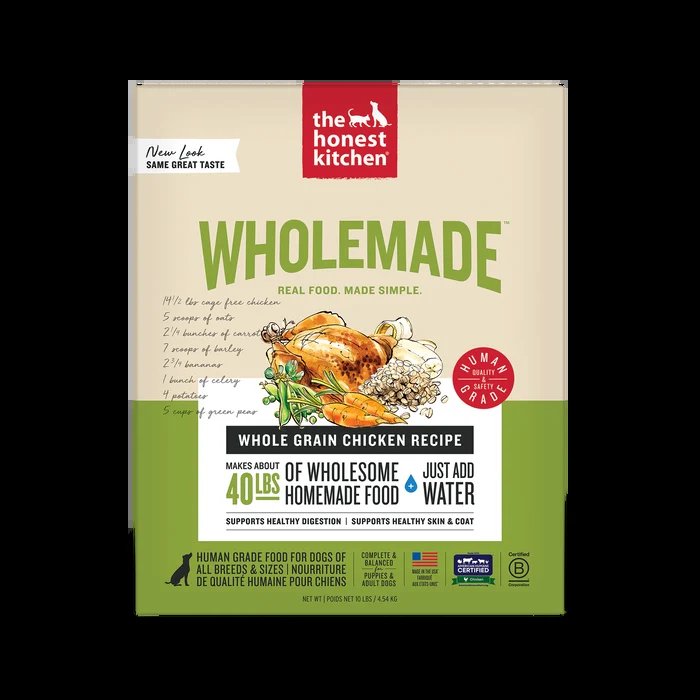
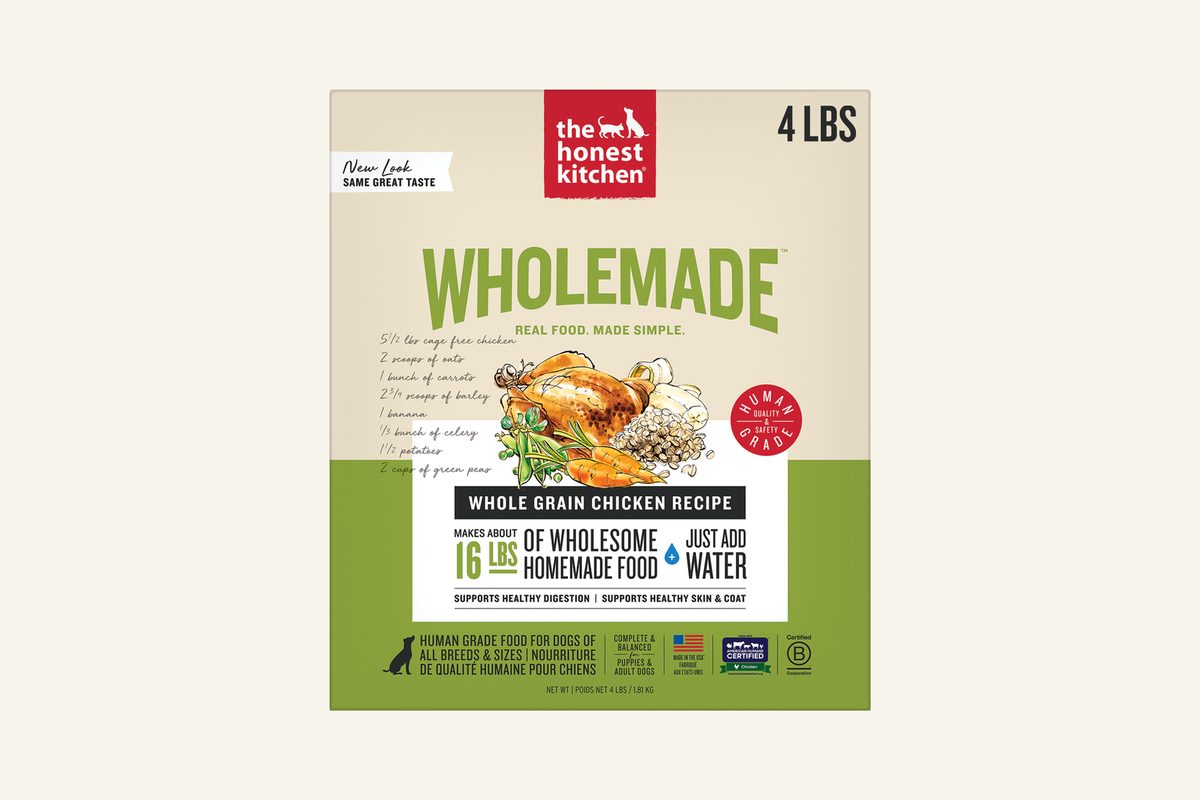
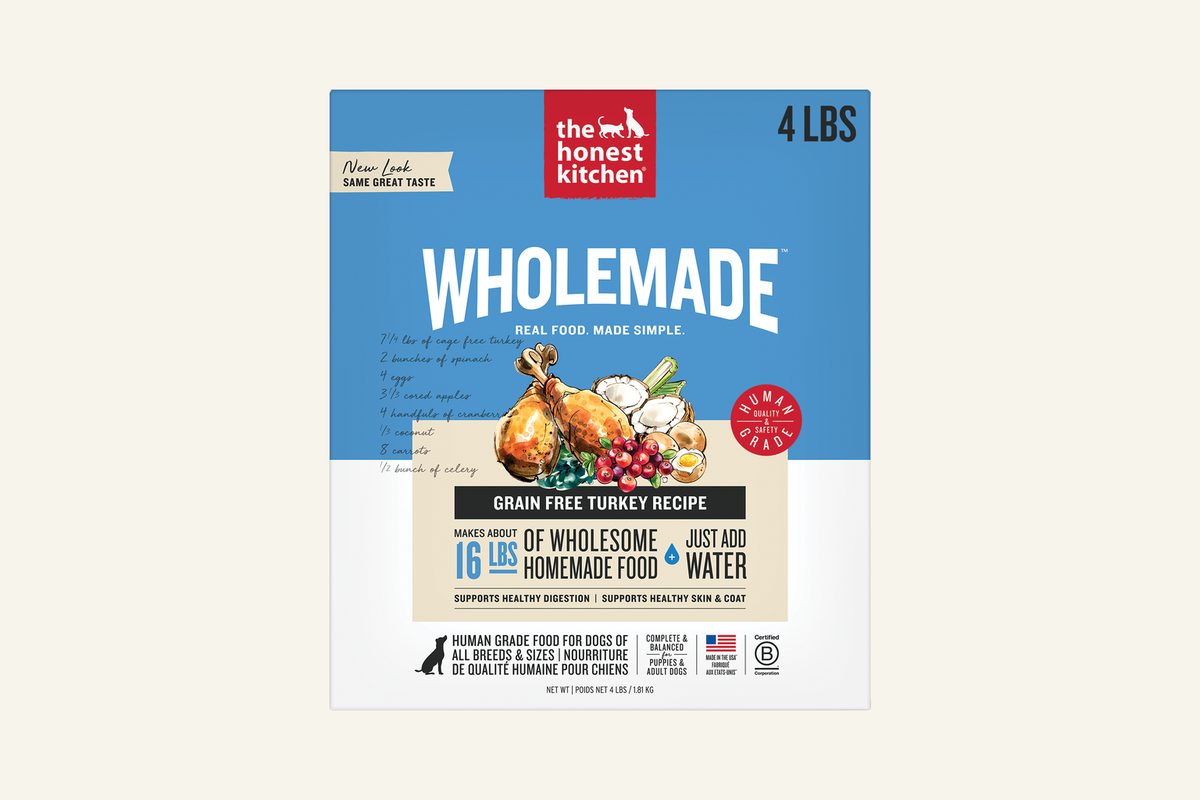
Complete dehydrated recipes, such as the Wholemade Whole Grain Chicken or the Wholemade Grain Free Turkey, are formulated to provide complete and balanced daily nutrition on their own. These recipes carry a nutritional adequacy statement confirming they meet the nutrient profiles established by the Association of American Feed Control Officials (AAFCO) for specific life stages. When prepared with the exact water ratio specified on the package, these formulas can serve as a dog’s entire meal. The primary preparation risk with complete recipes is applying a remembered ratio from a previous bag or a different formula, which can alter the food’s consistency and caloric concentration.
Base Mixes
Base mixes are designed for owners who prefer to add their own fresh proteins or raw ingredients. A base mix contains dehydrated vegetables, fruits, vitamins, and minerals, but it is not nutritionally complete on its own. It only becomes a balanced meal when prepared exactly as directed, with the specified amounts and types of fresh protein added by the owner. Serving a dry base mix without these additions, or assuming it is a complete diet, can lead to severe nutritional imbalances over time.
Toppers and Pour Overs
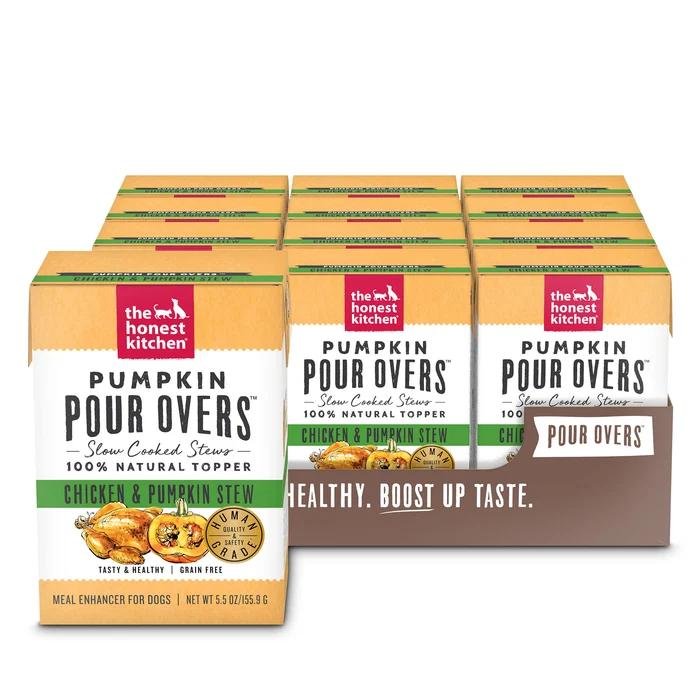
Toppers, including products like Pumpkin Pour Overs, are supplemental foods designed to add flavor, moisture, and variety to a complete base diet. Because they are classified as intermittent or supplemental feeding options, they do not provide balanced nutrition on their own. The primary challenge with toppers is caloric management. Adding a topper to a dog’s regular meal without reducing the calories of the primary food can lead to gradual weight gain.
Broths and Liquid Supplements
Dehydrated broths and instant liquid supplements are designed to enhance hydration and aroma. They are mixed with water in limited amounts and should never be used as a substitute for a complete meal. Additionally, the mixing ratios for these liquid products are entirely different from those of dehydrated food recipes, meaning owners must never apply a broth ratio to a dehydrated meal, or vice versa.
Veterinary professionals emphasize that checking the product label for the FDA-regulated nutritional adequacy statement is the only reliable way to confirm how a product fits into a dog’s bowl. Relying on online reviews, social media posts, or memories of old packaging can lead to preparation mistakes, as manufacturers occasionally update their sourcing, densities, and feeding guidelines.

The Core Method: Precise Measurement and Hydration
A successful feeding routine relies on consistency, starting with how the dry ingredients are measured. Because dehydrated food is highly concentrated, minor variations in the dry portion can result in significant caloric differences once the food is reconstituted.
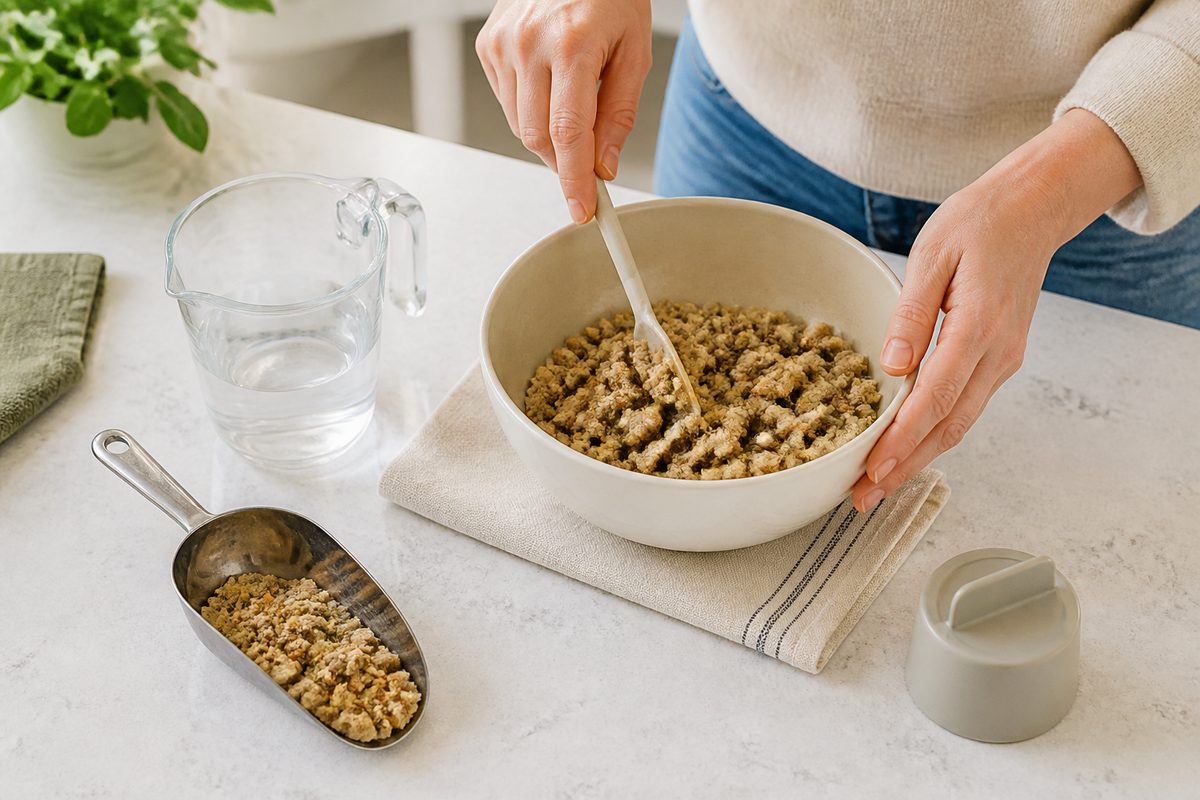
To ensure accuracy, owners should place the feeding bowl on a stable, level surface. When measuring the dry food, the measuring cup should be leveled off rather than packed tightly or left with a rounded mound. If a proprietary scoop is included in the packaging, owners must confirm the exact volume it represents, as scoops from different brands or older product lines are rarely identical.
To prevent common preparation mistakes, pet professionals recommend writing down the exact measurements required for the current recipe on a kitchen card or a dedicated feeding log. Recording the specific dry food measurement alongside the corresponding warm water measurement helps eliminate guesswork, particularly in households where multiple family members share feeding duties.
The temperature of the water used for rehydration is equally critical. The Honest Kitchen recommends using warm water to prepare its dehydrated formulas. Warm water serves multiple purposes: it helps the dehydrated ingredients absorb moisture quickly, helps release the natural aromas of the ingredients to entice picky eaters, and ensures the meal reaches a comfortable consumption temperature.
Conversely, boiling water should be avoided, as excessive heat can degrade heat-sensitive vitamins and minerals and present a burn hazard to the dog. Cold water may be used in a pinch, but it is generally less effective at initiating rapid, uniform hydration, which can leave the meal unevenly textured or unappealingly cool.
The Critical Three-Minute Wait: Hydration and Consistency
Once the warm water is added to the measured dry food, thorough stirring is required to ensure even moisture distribution. Owners should use a clean utensil to scrape the sides and bottom of the bowl, breaking up any dry pockets of food that may have settled.
After stirring, the mixture must sit for a minimum of three minutes. This waiting period is not merely a suggestion; it is a functional requirement of the dehydration process. During these three minutes, the dehydrated meats, grains, and vegetables absorb the water, expanding and settling into a soft, digestible texture that closely resembles a fresh, home-cooked meal.
During this brief wait, owners should seal the dry food package tightly, store any measuring tools, and keep the hydrating bowl out of reach of eager pets. After three minutes have elapsed, a final stir will reveal whether any dry clumps remain and allow the owner to verify the final consistency.
Troubleshooting Common Texture Issues
Occasionally, a prepared meal may not look exactly like the images on the packaging, prompting owners to make unmeasured adjustments. If the mixture appears too thick, owners should first verify that both the dry food and water were measured accurately according to the specific recipe’s label. If the measurements were correct, a small, measured amount of warm water can be stirred in to achieve the dog’s preferred consistency, provided it aligns with the label’s allowances.
If the mixture appears too thin or watery, it is usually the result of over-measuring the water or under-measuring the dry food. In this scenario, owners should resist the urge to throw in unmeasured handfuls of dry food to thicken the mixture, as this introduces extra, uncounted calories. Instead, allowing the mixture to sit for an extra minute or two can help absorb remaining moisture. If the texture remains watery, it should be served as is, and the measurements should be adjusted carefully for the next meal.
Dry pockets at the bottom of the bowl typically indicate that the bowl was too small to allow proper mixing or that the stirring was not thorough enough. Using a wider bowl and ensuring the utensil reaches the very bottom during the initial stir will resolve this issue.
Managing Transitions and Calorie Integrity in Mixed Feeding
Switching a dog to a dehydrated diet requires a gradual transition over a period of seven to ten days. A sudden shift in diet can disrupt the canine gastrointestinal tract, leading to acute digestive upset such as vomiting, diarrhea, gas, or general discomfort.
The 7-to-10-Day Transition Framework
- Days 1 to 3: The meal should consist primarily of the dog’s former food, with only a small, properly prepared portion of the new dehydrated food mixed in. Owners should closely monitor the dog’s appetite, stool consistency, and comfort level.
- Days 4 to 6: If the dog shows no signs of digestive distress, the proportion of the new dehydrated food can be increased gradually while the old food is decreased proportionally.
- Days 7 to 10: The transition can progress toward the full intended portion of the dehydrated diet, provided the dog’s digestion, enthusiasm for meals, and bowel patterns remain stable.
- In Case of Upset: If at any point during the transition the dog exhibits persistent diarrhea, repeated vomiting, lethargy, or a refusal to eat, the transition should be paused, and a veterinarian should be consulted.
The Mathematics of Mixed Feeding
Many pet owners choose to use dehydrated food as a topper or in combination with traditional kibble to manage feeding costs or introduce variety. While mixed feeding is highly effective, it requires careful caloric calculations.
Because dehydrated food expands significantly once water is added, the volume in the bowl can be deceptive. A small amount of dry, dehydrated food contains a concentrated number of calories. Therefore, if an owner adds a prepared topper to a dog’s bowl without reducing the portion of the base kibble, the dog will receive excess calories, leading to gradual weight gain.
The World Small Animal Veterinary Association (WSAVA) emphasizes the importance of evaluating a dog’s total daily caloric intake, including treats, toppers, and main meals, rather than relying on visual portion sizes. When incorporating a dehydrated product as a topper, owners should calculate the calories of the dry portion being added and subtract an equivalent caloric value from the primary diet.
Storage Safety and Long-Term Dietary Adjustments
Maintaining the safety and nutritional quality of dehydrated pet food requires proper storage practices for both the dry product and any prepared leftovers.
Storing Dry and Prepared Food
The Federal Drug Administration (FDA) recommends keeping dry pet food in its original packaging. The original bag contains critical tracking information, including the lot code, best-by date, and ingredient list, which are essential if the manufacturer issues a product update or if the dog experiences an unexpected health issue. If the bag is placed inside a secondary plastic bin, it should be kept within the original packaging rather than poured directly into the container, as residual oils from previous batches of food can spoil and contaminate the fresh food.
Once reconstituted with water, dehydrated food is classified as a wet pet food and must be treated with the same safety precautions as canned food. According to general guidelines, prepared dehydrated food can be kept in a sealed, covered container in the refrigerator for up to three to four days. Any prepared food left at room temperature for more than a few hours should be discarded to prevent bacterial growth.
Adjusting Portions Over Time
A dog’s nutritional requirements are dynamic, changing as the animal transitions through different life stages and activity levels. A feeding chart on a package is a helpful baseline, but it cannot account for an individual dog’s specific metabolism, underlying health conditions, or daily energy expenditure.
Puppies, for example, require specialized formulas that support rapid skeletal and muscular development, and their feeding guidelines must align with their anticipated adult weight. Conversely, senior dogs may benefit from diets with adjusted protein-to-fat ratios, lower sodium levels, or enhanced joint support, depending on their organ function and mobility.
Veterinarians recommend assessing a dog’s body condition score (BCS) monthly. If a dog begins to trend over or under its ideal weight, the dry food portion should be adjusted under veterinary guidance. When modifying the portion size, the water ratio must be recalculated accordingly to maintain the proper food-to-water balance. Making controlled, single-variable changes to a dog’s diet ensures that any shifts in health, digestion, or weight can be easily tracked and managed.