

The iconic toy retailer FAO Schwarz has officially joined the growing coalition of major international brands banning mohair from its supply chain. The decision comes in the wake of damning undercover investigations by PETA Asia that revealed widespread cruelty, violence, and neglect within the global mohair industry. The corporate policy change was finalized and announced just hours before animal rights supporters were scheduled to stage a high-profile demonstration outside the brand’s flagship store in New York City, complete with a giant, symbolic "bloody" teddy bear.
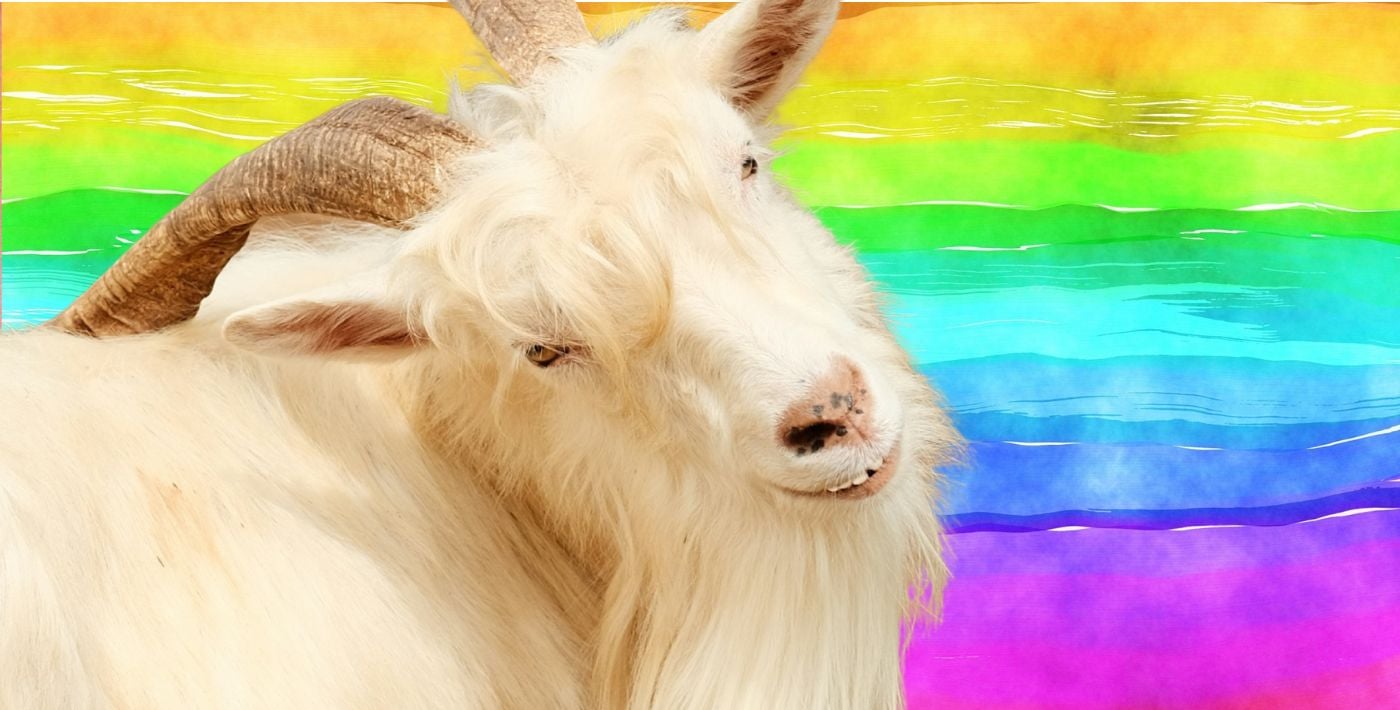
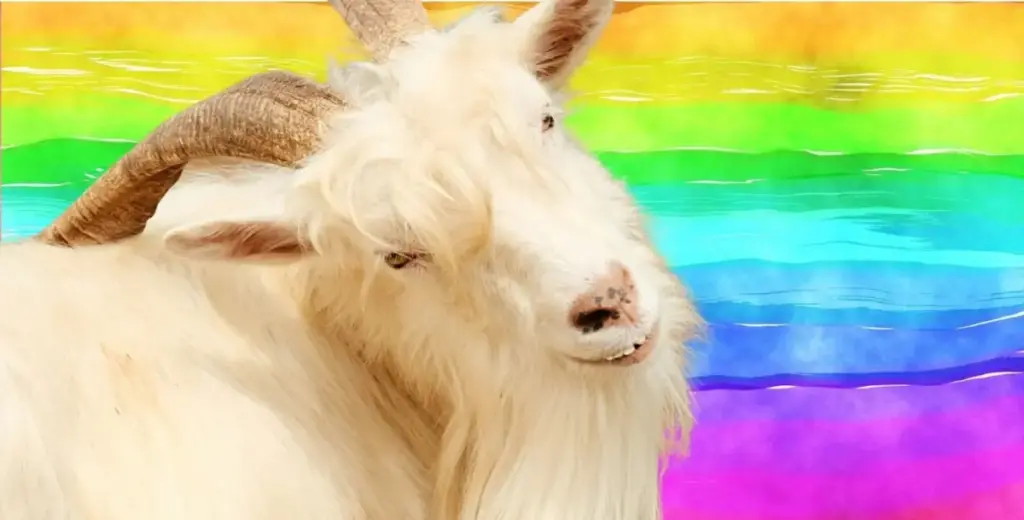
FAO Schwarz now stands alongside a rapidly expanding roster of prominent global retailers and fashion houses—including Adidas, Columbia, Gap, UNIQLO, and Zara—that have formally rejected the use of mohair. These companies have pulled the material from their production lines after reviewing documented evidence showcasing what angora goats endure for the sake of consumer goods such as winter sweaters, woven blankets, specialty yarns, and children’s plush toys.
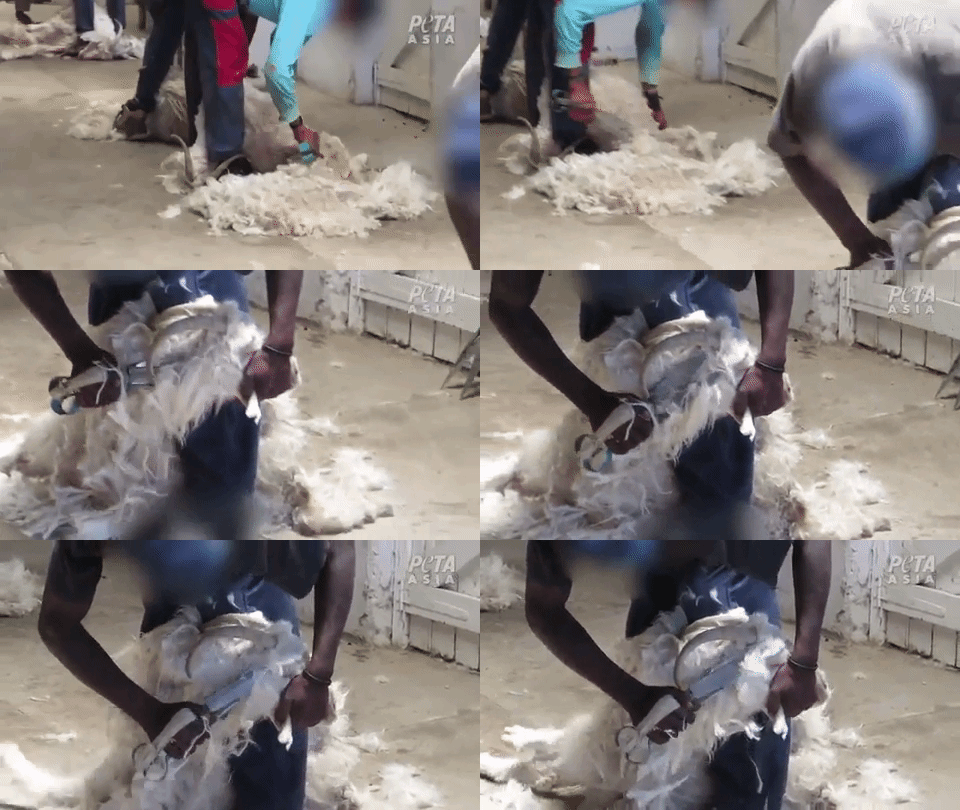
The momentum behind the boycotts traces back to comprehensive exposés conducted by PETA investigations teams in South Africa, a nation that currently reigns as the world’s leading producer of mohair. The undercover footage painted a harrowing picture of routine abuse, negligence, and distress inflicted upon the animals during shearing and general farm management processes.

According to the findings, workers handling the goats in South Africa frequently resorted to rough, violent methods. Investigators documented instances where shearers lifted goats entirely off the concrete flooring by their tails, an action that veterinary experts note likely results in spinal fractures and severe internal trauma. When individual goats panicked or struggled against the restraint, workers were captured on video sitting directly on top of the animals to subdue them. Other footage showed workers carelessly throwing the vulnerable animals across rooms.
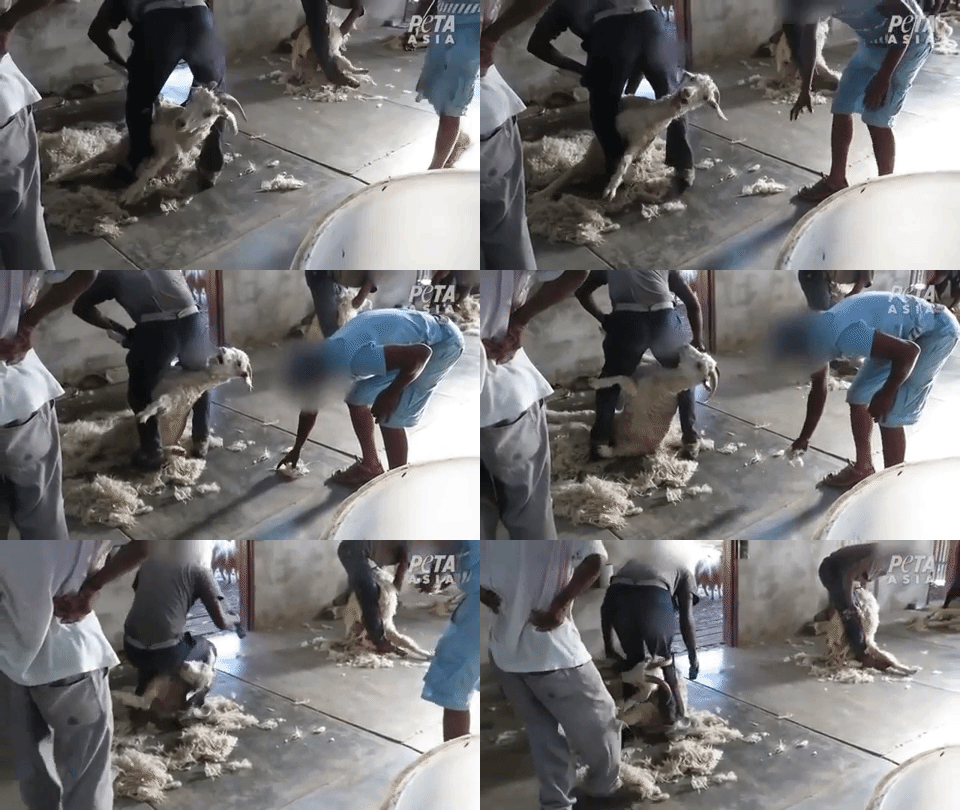
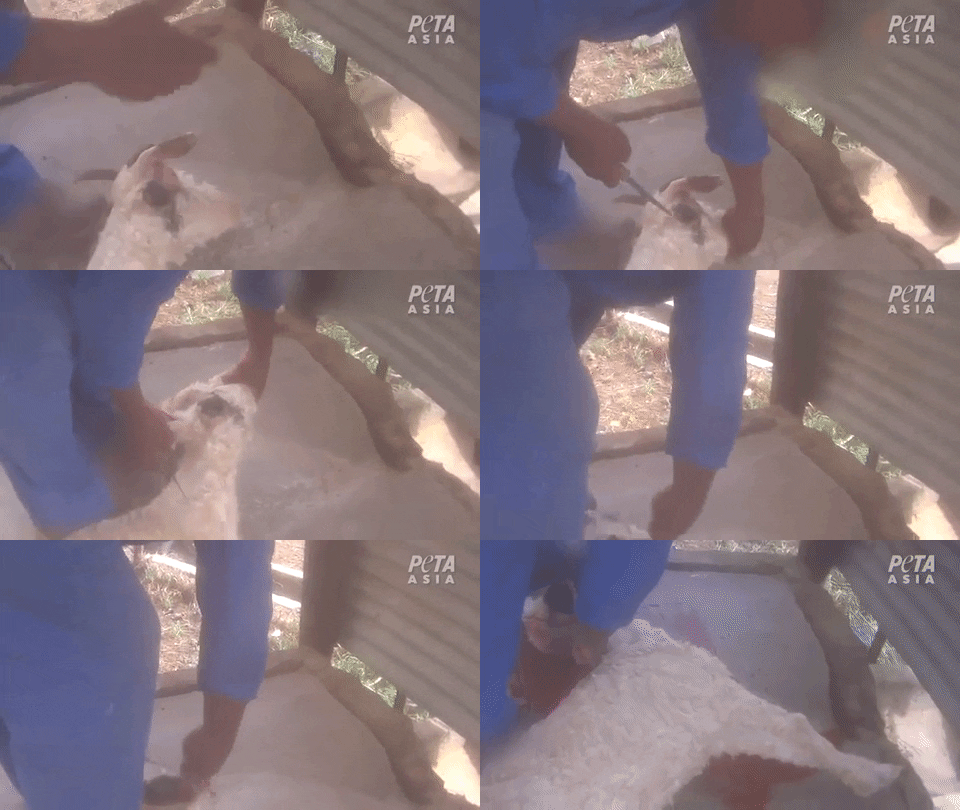
Because shearers in the industry are compensated based on the volume of fleece they harvest rather than an hourly wage, they are incentivized to rush through the process as quickly as possible. This speed-driven approach consistently compromises the safety and welfare of the animals. Investigators observed goats left with deep lacerations, bleeding profusely from careless handling with shears.

The psychological and physical toll extended even to the youngest animals on the farms. Goat kids, experiencing the shearing process for the very first time, were recorded crying out in visible and audible fear. Furthermore, workers subjected the animals to painful mutilations, using pliers to punch sharp metal needles through their ears for identification purposes. The procedure causes intense, immediate pain, prompting one local farmer quoted in the investigations to remark that the goats "scream terribly."
Beyond the violence of the shearing shed, the industry’s lifecycle for angora goats is marked by premature slaughter. Once the animals experience a decline in fleece quality and are no longer deemed profitable by farm operators, they are killed—frequently years before reaching the end of their natural life expectancy. Undercover footage captured instances of workers cutting the throats of these goats, reinforcing the conclusion that the commercial mohair trade is inextricably linked to routine violence from start to finish.
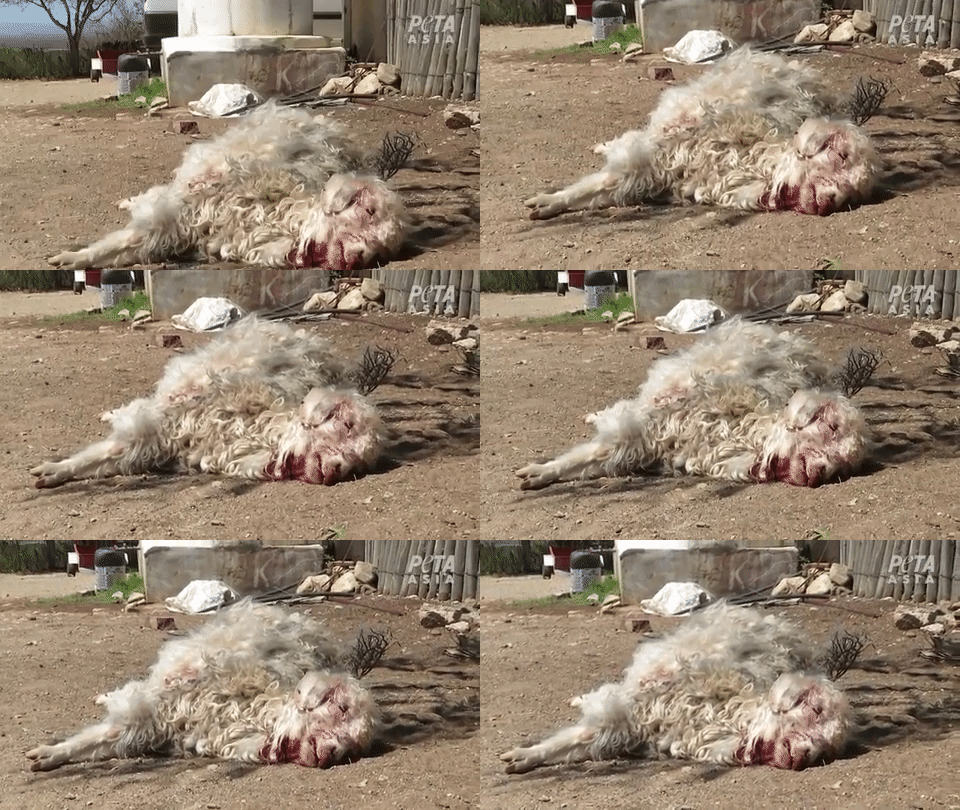
The steady accumulation of this evidence has fundamentally shifted corporate consciousness regarding animal-derived fibers. The decision by FAO Schwarz removes mohair from plush toys and associated products, closing another commercial avenue for an industry facing unprecedented scrutiny.
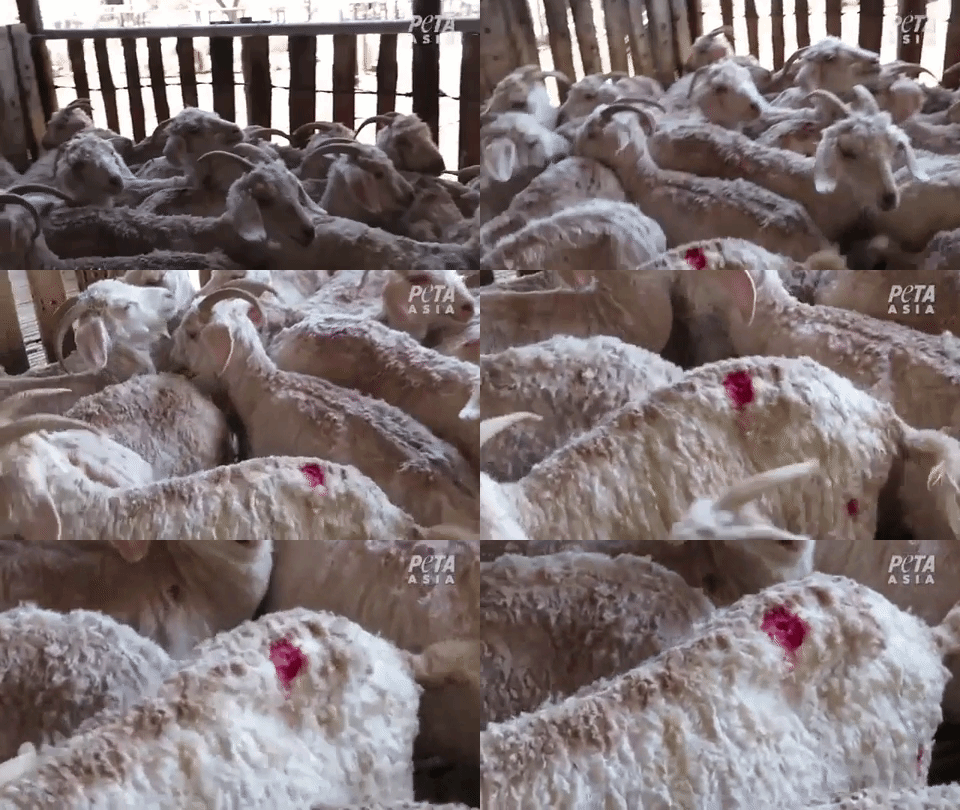
While the growing list of corporate bans represents a significant milestone for animal protection advocates, campaigns continue to target remaining holdouts in the retail and toy manufacturing sectors. Animal rights organizations are actively urging other prominent enterprises, such as Steiff, to follow the lead of FAO Schwarz and major apparel brands by immediately ending the sale and utilization of mohair.