


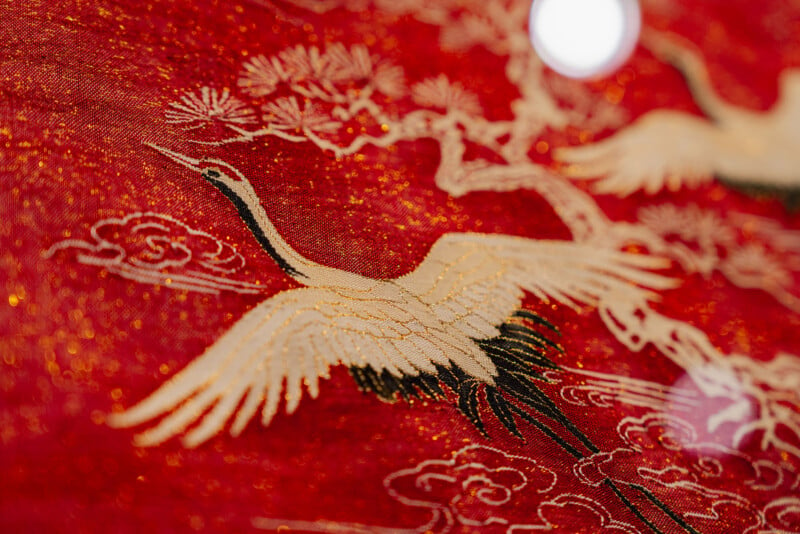
To an English speaker, the word kesi—pronounced kooh-su—may not roll off the tongue easily, but the visual heritage of the craft is immediately recognizable to anyone familiar with Chinese culture. These stunning, intricate silk tapestries represent a high-water mark of textile artistry that peaked around the twelfth century, characterized by minute detail, pictorial depth, and exceptional patience. Today, however, the tradition faces the quiet realities of modern life. In contemporary China, only eight individuals are officially recognized as master inheritors of the traditional kesi weaving technique, bearing the weight of a centuries-old craft on their shoulders.
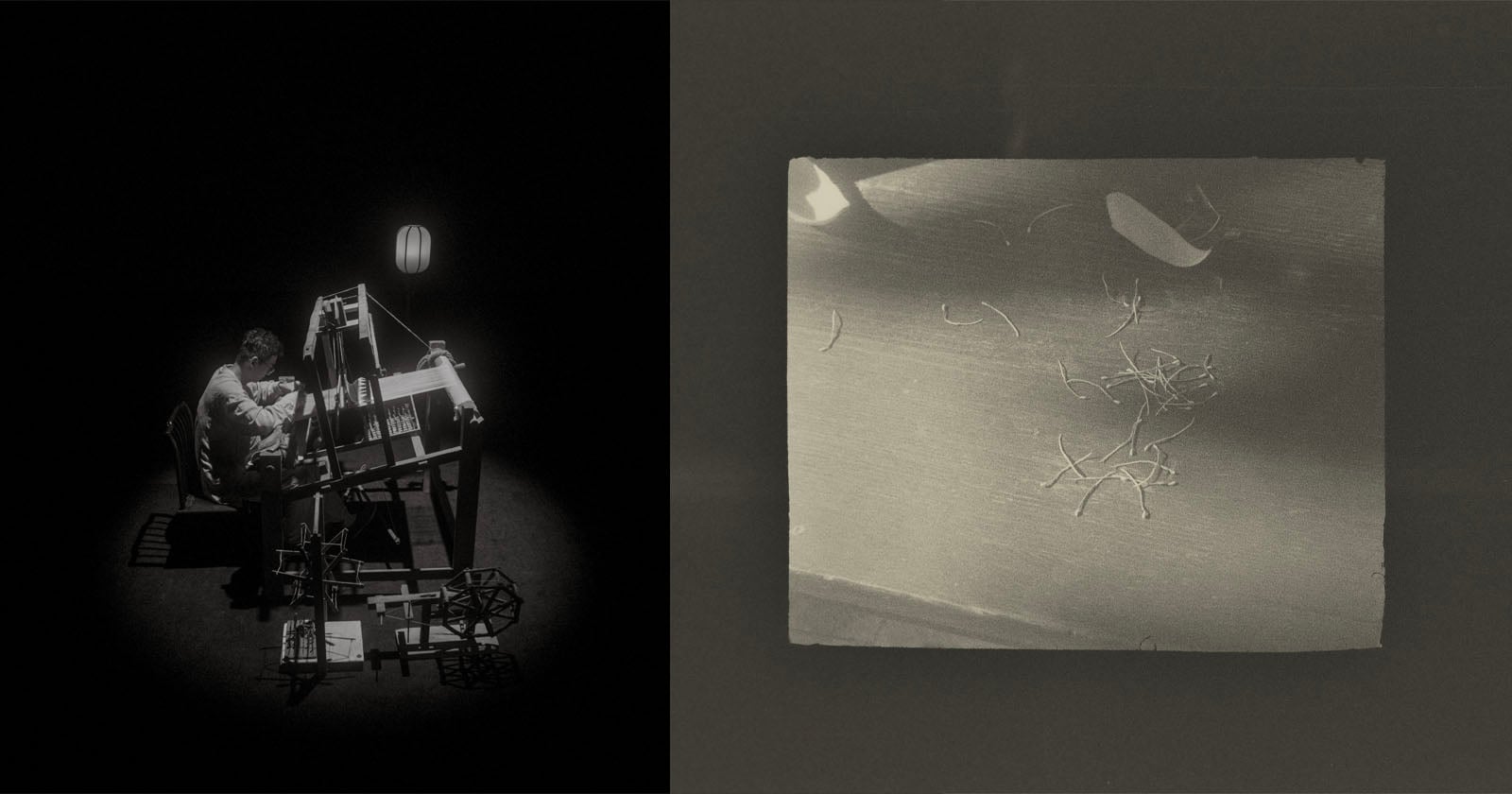
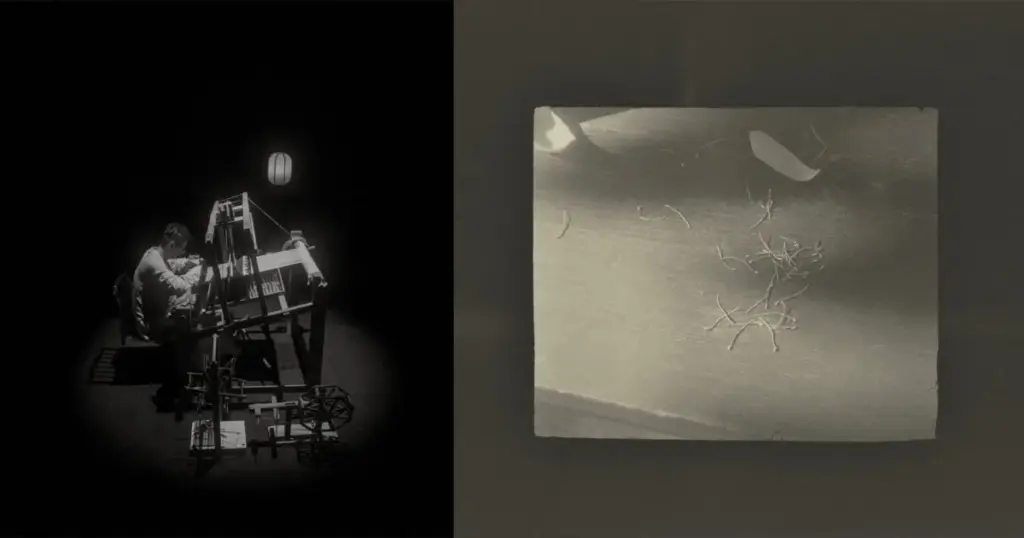
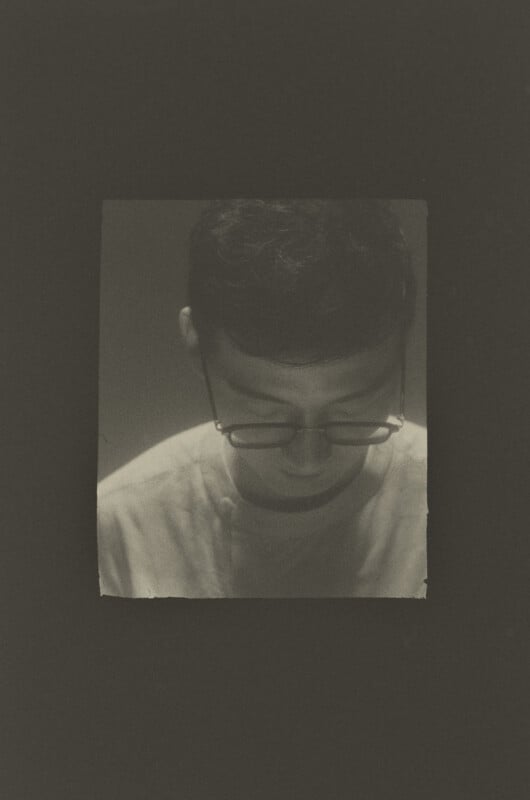
One of these rare practitioners is Jingwei, a young artisan from Suzhou who spends weeks painstakingly interweaving colored silks section by section around a foundational structure. To document his meticulous process and bring this vanishing art form into the contemporary global eye, a unique collaboration was forged. Memory solutions company Lexar and iconic camera manufacturer Leica teamed up to document the artist, enlisting acclaimed photographer Jing Huang for the assignment. Huang is no ordinary commercial photographer; his distinct artistic vision centers heavily on negative space, capturing the quiet edges and ambient atmosphere of subjects rather than merely documenting the central objects themselves.
“For me, photography is not only about recording time,” Huang reflects. “Sometimes it is about forgetting time. What stays in an image is not simply when or where it was taken, but whether it carries a sense of beauty that can still be felt beyond that moment.”
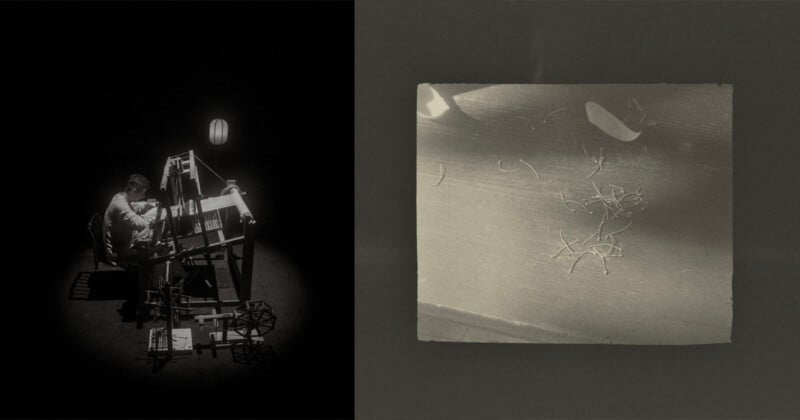
This thoughtful, evocative perspective defines the award-winning photographer’s body of work, offering glimpses of everyday life and environment that typically require an empathetic, deeply observant eye to perceive. Armed with an old Leica SLR camera and traditional 35mm film, Huang set out to establish a visual conversation between himself and the Suzhou artisan, bridging the gap between the speed of the shutter and the glacial pace of the loom.
The resulting works from this artistic exchange recently formed the centerpiece of a celebrated exhibition at Leica Gallery Amsterdam, which has just concluded its run. Linda Warmerdam, manager and curator of the gallery, notes that the project derived its profound impact from the interplay of different creative disciplines.
“What makes this project meaningful is the dialogue between the photographer’s eye and the artisan’s hand,” Warmerdam says. “Through photography, audiences can encounter Suzhou kesi not only as a heritage object, but as a living process shaped by time, patience, and human presence.”
Huang’s photographic style draws deep inspiration from traditional Chinese ink painting and small-format compositions, searching deliberately for stillness, restraint, and balance. These are precisely the same philosophical and aesthetic elements that govern the creation of traditional kesi.
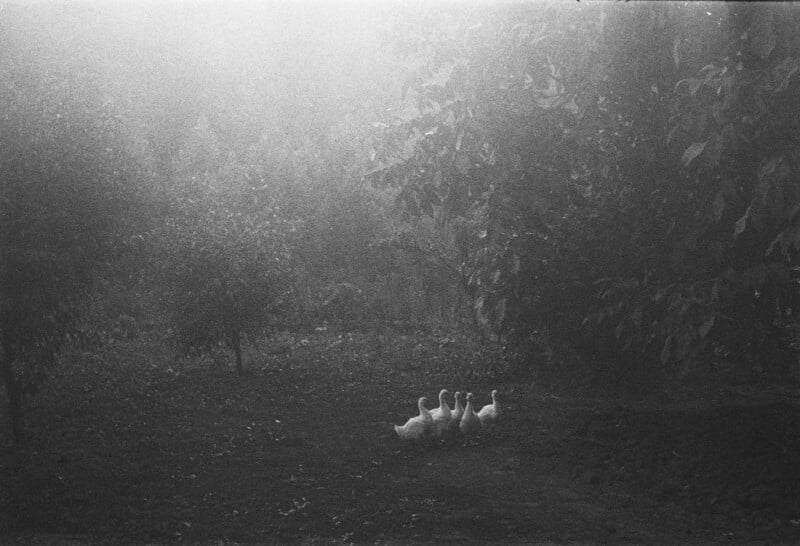
“What moves me most about kesi is its restraint,” says Jingwei, describing the profound discipline required by his medium. “It is not a free gesture. It is created within the order of warp and weft, built slowly through time, patience, and the experience of the hand.”
While the artistic subject matter is deeply rooted in analog history and ancient craft, the partnership behind the documentation involves modern corporate supporters. Lexar, a major memory solutions enterprise headquartered in Shenzhen, explains that backing an analog-focused photography exhibition is, paradoxically, a natural extension of its technological mission.
“Lexar has always been close to the creative process—photographers, filmmakers, and creators rely on storage to protect work that often cannot be recreated,” says Grace Su, General Manager of Lexar EU.
Su draws a direct philosophical parallel between the two seemingly disparate creative mediums featured in the exhibition, uniting them under a shared human impulse.
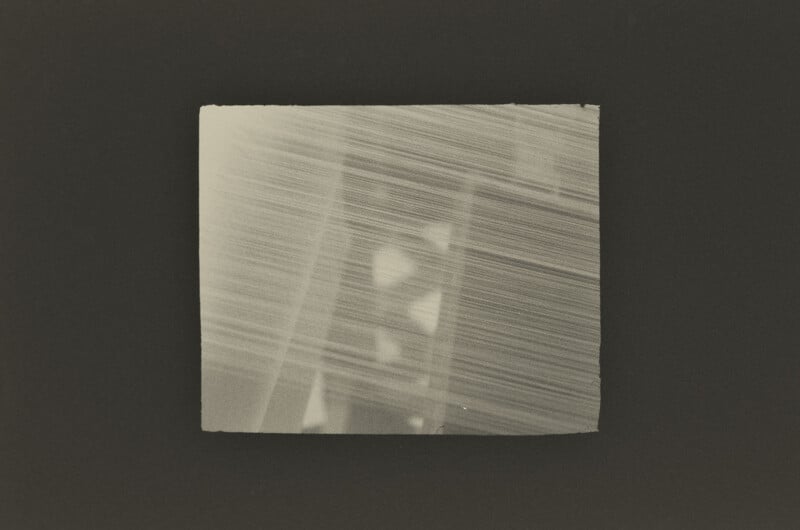
“Kesi builds an image over time, while photography often captures one in a fraction of a second,” Su observes. “लेकिन both depend on the same thing: a creator deciding what is worth seeing, and how it should be remembered.”