


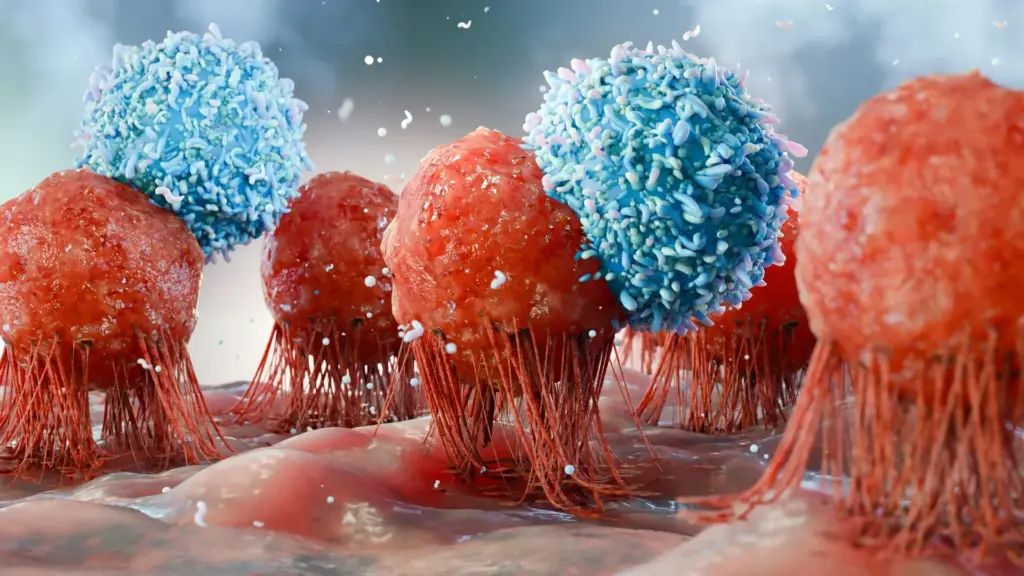
The landmark study addresses some of the most persistent, long-standing hurdles in the field of cancer immunotherapy. For years, scientists and clinicians have grappled with the severe limitations of manufacturing sufficient quantities of functional immune cells outside the human body, keeping them viable and active once administered, and ensuring they can successfully infiltrate complex tumor microenvironments. In preclinical experiments involving mice, the USC-led research team demonstrated that their newly engineered cells successfully integrated into the bone marrow, continuously produced fresh waves of active immune defenders, and substantially slowed the progression of aggressive blood cancers and solid tumors alike.
The multi-institutional research team focused their efforts on an immature class of immune cells known as granulocyte-monocyte progenitors, or GMPs. In a typical biological system, these progenitor cells naturally differentiate into macrophages and other vital frontline defenders that protect the body from invading pathogens and orchestrate broad immune reactions. However, the researchers discovered that GMPs could be coaxed to multiply extensively within a laboratory setting while meticulously retaining their core identity and their critical capacity to mature into fully functional immune cells when needed. Furthermore, these cells can be precisely modified using genetic engineering to recognize specific molecular targets on cancer cells, amplifying their therapeutic potential.
"The study establishes a scalable and engineerable GMP platform for cellular immunotherapy and introduces concepts that we believe could have broad implications for both cancer immunotherapy and stem cell biology," said the paper’s corresponding author, Qi-Long Ying, MD, PhD, a professor of stem cell biology and regenerative medicine at the Keck School of Medicine of USC.
Challenging Conventional Wisdom in Stem Cell Biology
Beyond its immediate implications for oncology, the discovery challenges conventional paradigms concerning blood and immune cell development. Historically, the hallmark property of self-renewal—the ability of cells to divide repeatedly while retaining their original properties—has been strictly attributed to hematopoietic stem cells within the blood-forming system. These foundational stem cells possess the unique capability to generate every major category of blood and immune cell in the human body.
Progenitor cells, by contrast, occupy a more advanced position along the developmental continuum. Because they are already committed to producing a much narrower range of specialized progeny, they have long been assumed to possess a severely limited capacity for long-term self-renewal.
The USC researchers overturned this assumption by demonstrating that GMPs can maintain their self-renewing properties when placed in carefully optimized laboratory environments. Instead of rapidly maturing and losing their foundational traits, these progenitor populations continued to multiply exponentially while preserving their identity and their latent ability to generate fully operational immune cells.
"The prevailing view has been that long-term self-renewal in the blood system is primarily a property of the hematopoietic stem cells that can generate any type of blood or immune cell," Ying explained. "We found that, under the right conditions, GMPs can also self-renew, dividing extensively while keeping their identity and ability to produce functional immune cells. That gives us a scalable starting point for engineering cell therapies for cancer, infectious disease and potentially many other conditions."
This revelation provides a crucial manufacturing advantage, offering a reliable, renewable starting point for creating advanced, customized cell therapies that can be scaled to meet clinical demand.
Why Macrophages Stand Out as Potential Cancer Weapons
Macrophages represent some of the most versatile and potent defenders within the human immune system. Derived from Greek terminology translating to "big eaters," macrophages earn their name through their exceptional ability to engulf and digest bacteria, cellular debris, and other foreign threats. Beyond direct phagocytosis, they play a central role in orchestrating immune responses by emitting signaling molecules that dictate the behavior of neighboring cells. Certain subsets of macrophages possess the natural ability to migrate directly into tumor tissues, making them exceptionally attractive candidates for cancer immunotherapy.
This mobility is particularly vital when confronting solid tumors—malignancies that form distinct masses in organs and tissues. While existing cell-based therapies, such as chimeric antigen receptor (CAR) T-cell treatments, have achieved remarkable clinical successes against certain leukemias and lymphomas, treating solid tumors has remained notoriously difficult.
Macrophages offer an alternative therapeutic avenue because they naturally traffic into dense tissues and infiltrate tumors. Yet, transforming natural macrophages into practical, off-the-shelf medical treatments has presented formidable scientific and logistical roadblocks.
Once macrophages reach full maturity, their capacity to proliferate in large numbers outside the human body drops drastically. They are also notoriously difficult to modify genetically, and they frequently suffer cellular damage during standard freezing, preservation, and storage protocols, complicating the supply chain required for widespread clinical distribution.
Furthermore, once introduced into a patient’s bloodstream, mature macrophages often sequester themselves in organs such as the liver and the lungs rather than dispersing evenly throughout the body. Their relatively rapid clearance from circulation can also truncate their therapeutic window, limiting how long a treatment remains clinically effective. To circumvent these roadblocks, the USC team elected to intervene much earlier in the developmental lifecycle of the immune system.
Creating a Renewable Supply of Progenitor Cells
Rather than attempting to cultivate and expand massive quantities of fully mature macrophages, first author Shi Yue, MD, working within Ying’s laboratory alongside colleagues, concentrated their efforts upstream on GMPs.
The researchers formulated a precisely defined chemical cocktail that allowed GMPs to survive, thrive, and multiply continuously in laboratory cultures over extended periods. This specialized chemical environment successfully blocked the cells from prematurely differentiating into mature immune cells, thereby preserving a stable, renewable reservoir of progenitors.
Even after undergoing extensive expansion in vitro, the GMPs maintained their distinct molecular profiles. Crucially, when introduced to the proper biochemical signals, they readily transitioned into functional macrophages and other related immune cell types.
This innovative approach establishes a paradigm where clinicians can manufacture vast numbers of engineered immune cells derived from a continuously expandable master population of progenitors, bypassing the need to repeatedly harvest and prepare mature cells from individual patients.
To validate the reproducibility and robustness of this technique, the USC team partnered with independent researchers in the laboratory of Ravi Majeti, MD, PhD, at Stanford University. The Stanford collaborators independently demonstrated that GMPs could be successfully maintained for prolonged periods and genetically modified, providing vital outside verification of the technique’s reliability and its viability for future clinical translation.
"This method for the expansion and engineering of GMPs opens the door to numerous translational applications, much like T cell expansion and engineering," noted Majeti, who serves as Director of the Institute for Stem Cell Biology and Regenerative Medicine at Stanford University. "We have already demonstrated engineering of these cells to drive multiple potent functions, and there is a lot more to be explored."
Programming Progenitors to Recognize and Destroy Tumors
With an expandable progenitor platform established, the research team investigated whether these cells could be programmed to target and destroy cancer.
They accomplished this by introducing a chimeric antigen receptor, commonly known as a CAR, into the GMPs via genetic engineering. This synthetic receptor equips the resulting immune cells with a specialized molecular antenna capable of identifying specific antigens displayed exclusively on the surface of cancer cells, directing their destructive activity straight toward the tumor.
While CAR technology has become a cornerstone of modern oncology—most notably through therapies that reprogram a patient’s own T cells—applying a similar conceptual framework to macrophage progenitors represents a significant leap forward in cellular engineering.
To maximize the therapeutic impact, the scientists also engineered some of the progenitor cells to express an additional immune-stimulating signal. This secondary modification was specifically intended to recruit, activate, and mobilize neighboring immune cells, including endogenous T cells, thereby orchestrating a comprehensive, multi-pronged attack against the malignancy.
This dual-action design offers another profound clinical advantage: the additional signal maintained its potency even when the genetic characteristics of the donor cells did not precisely match those of the recipient. This breakthrough paves the way for potential "off-the-shelf" immunotherapies. Unlike personalized cell therapies that require lengthy, complex, and costly preparations using an individual patient’s own tissues, off-the-shelf products could be manufactured in large, standardized batches in advance and kept ready for immediate administration to multiple patients.
Preclinical Success in Animal Models
Following the successful expansion and genetic modification of both murine and human GMPs, the researchers evaluated their therapeutic efficacy using sophisticated mouse models of cancer.
When administered to the test subjects, the engineered progenitor cells successfully homed to the bone marrow and other primary hematopoietic niches responsible for blood cell generation. These biological environments served as a permanent home where the GMPs could continuously manufacture fresh supplies of engineered macrophages and related defenders from within the body.
This self-sustaining feature represents a major departure from conventional therapies utilizing mature macrophages. Rather than depending entirely on a finite injection of immune cells that degrade or vanish quickly, the progenitor-based approach establishes a persistent, internal factory capable of generating replacement cells over time. This strategy effectively addresses the rapid clearance rates that have historically hindered macrophage-based therapies in clinical trials.
When tested in mice harboring aggressive blood cancers and solid tumors, the CAR-expressing GMPs successfully suppressed disease progression across both categories of malignancy. The therapeutic response was markedly enhanced when the progenitor cells carried both the CAR receptor and the secondary immune-activating signal, confirming that the combination strategy successfully stimulated a broader, more durable antitumor immune response.
Although these experimental results are highly encouraging, researchers emphasize that the findings remain strictly preclinical. Extensive further research and rigorous clinical trials will be required to determine whether engineered GMPs can be administered safely and effectively in humans, particularly regarding their long-term persistence and behavior inside the human body.
Expanding Horizons Beyond Oncology
Beyond the realm of cancer treatment, the research team explored whether their expandable progenitor platform could address other complex medical conditions rooted in immune system dysfunction.
In a separate series of experiments, the investigators tested their methodology on mouse models of chronic granulomatous disease. This severe, inherited genetic disorder impairs the ability of specific immune cells to generate the reactive molecules required to destroy harmful microbes, leaving affected individuals acutely vulnerable to recurrent, life-threatening bacterial and fungal infections.
When the researchers introduced functional GMPs into mice afflicted with the disorder, the cells successfully restored the animals’ compromised ability to combat bacterial pathogens.
This promising outcome suggests that renewable, genetically engineered immune cell progenitors could eventually yield transformative treatments for inherited immunodeficiencies, rare genetic disorders, and potentially refractory infectious diseases.
According to the study’s authors, the broader lesson of the research is that the precise developmental stage chosen for cellular engineering may be just as critical as the genetic modifications themselves. By intervening early in the cellular lifecycle before full maturation occurs, scientists may unlock a new generation of immunotherapies that are significantly easier to manufacture, more versatile in application, and capable of maintaining a continuous, self-renewing supply of specialized defenders within the patient.
"Our study suggests that the future of immunotherapy may depend not only on designing better CAR receptors, but also on choosing the right developmental stage of the cell," Ying concluded.
The study, titled "Expansion and CAR engineering of granulocyte-monocyte progenitors for cellular immunotherapy," was supported by a diverse coalition of philanthropic and institutional funders, including the Chen Yong Foundation of the Zhongmei Group, a sponsored research project from Myelogene Inc., the L.K. Whittier Foundation, the Eli and Edythe Broad Innovation Award, the Ming Hsieh Institute for Research on Engineering Medicine for Cancer Award, the USC SBIR/STTR Planning Award, the Xia Research Fund, and the Wu & Jiang Research Fund. Additional backing included support from the Ludwig Institute for Cancer Research and a California Institute for Regenerative Medicine Predoctoral Training Fellowship.