


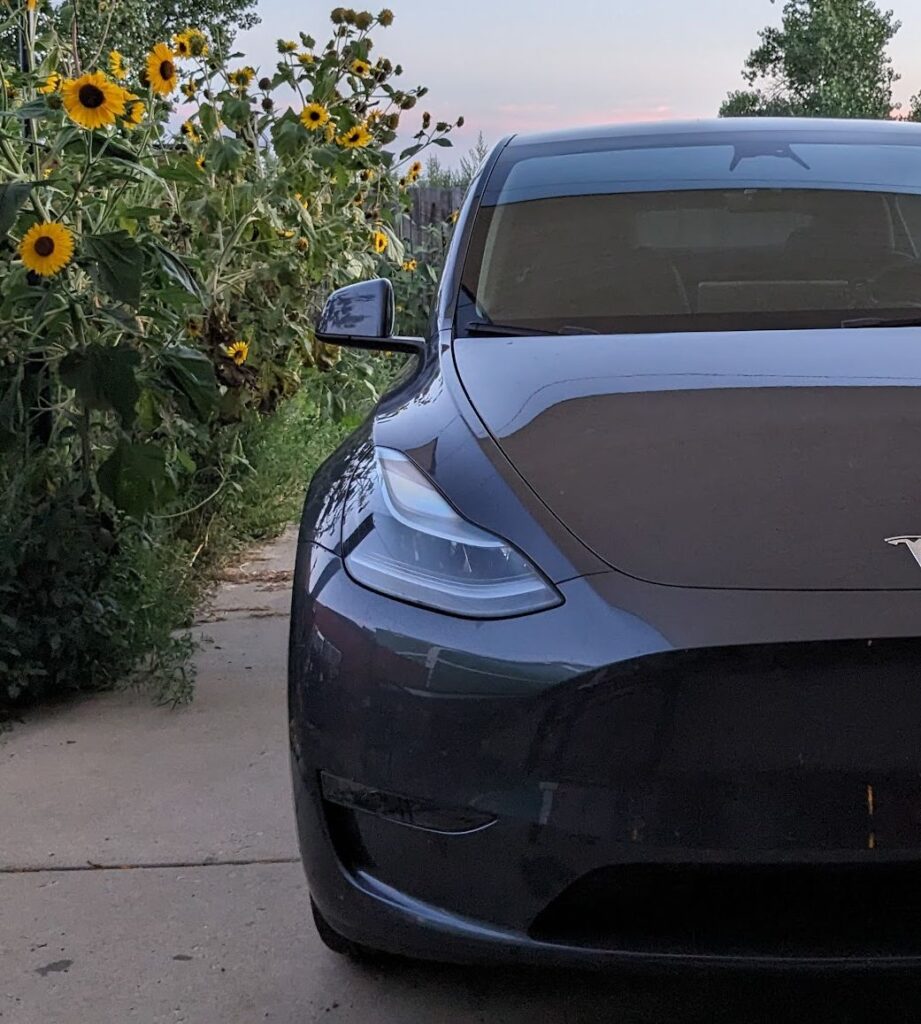
TEMPE, Ariz. — For nearly two decades, financial independence pioneer Peter Adeney—better known to millions of online followers as Mr. Money Mustache—has championed a philosophy of extreme frugality, self-reliance, and intentional living. However, a couple of years ago, the prominent blogger surprised his loyal readership by announcing a deliberate pivot. In an effort to counter his deeply ingrained habits of thrift, Adeney initiated a lifestyle experiment aimed at loosening the purse strings, beginning with the purchase of a brand-new Tesla Model Y.
Reflecting on the launch of his new chapter, Adeney noted the internal irony of his transformation. At the time, he recalled thinking how easily he could adjust his habits, imagining himself as an enlightened middle-aged figure realigning his path for the next several decades of comfortable living. What followed was a two-year period marked by a heightened sense of abundance, extensive travel, and a conscious effort to spend money in ways he associated with true wealth.
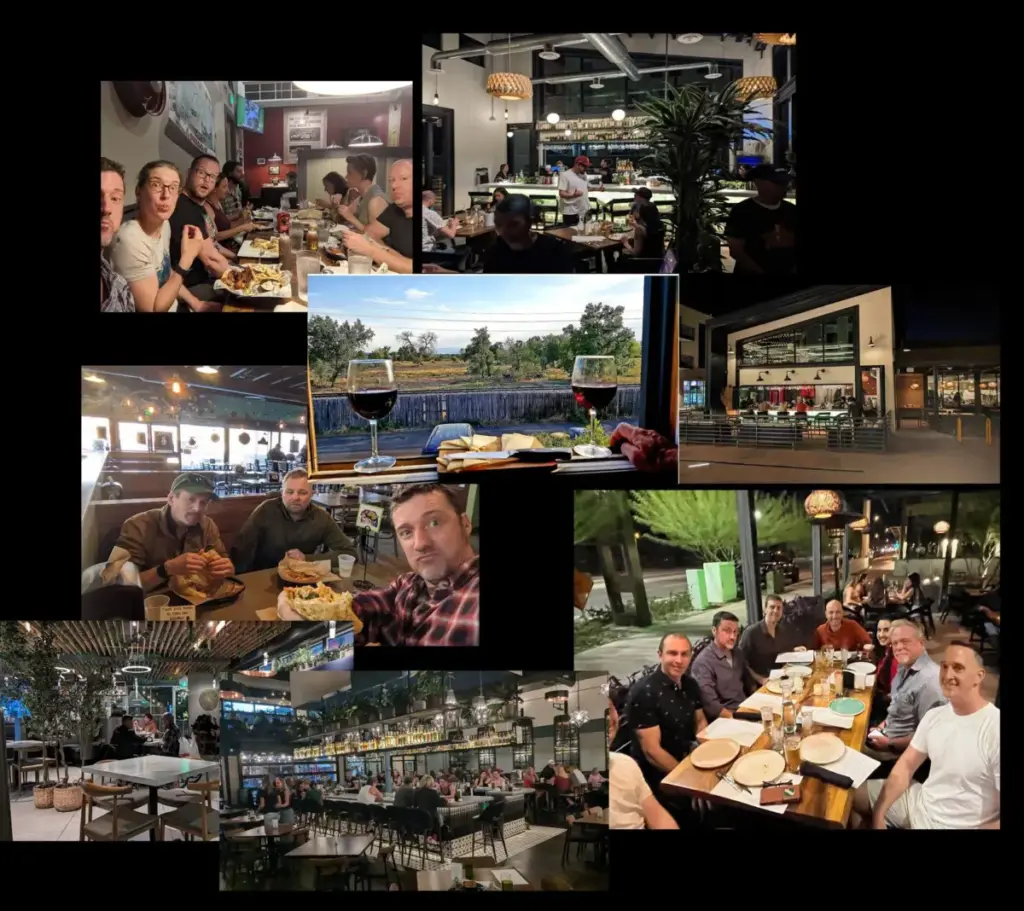
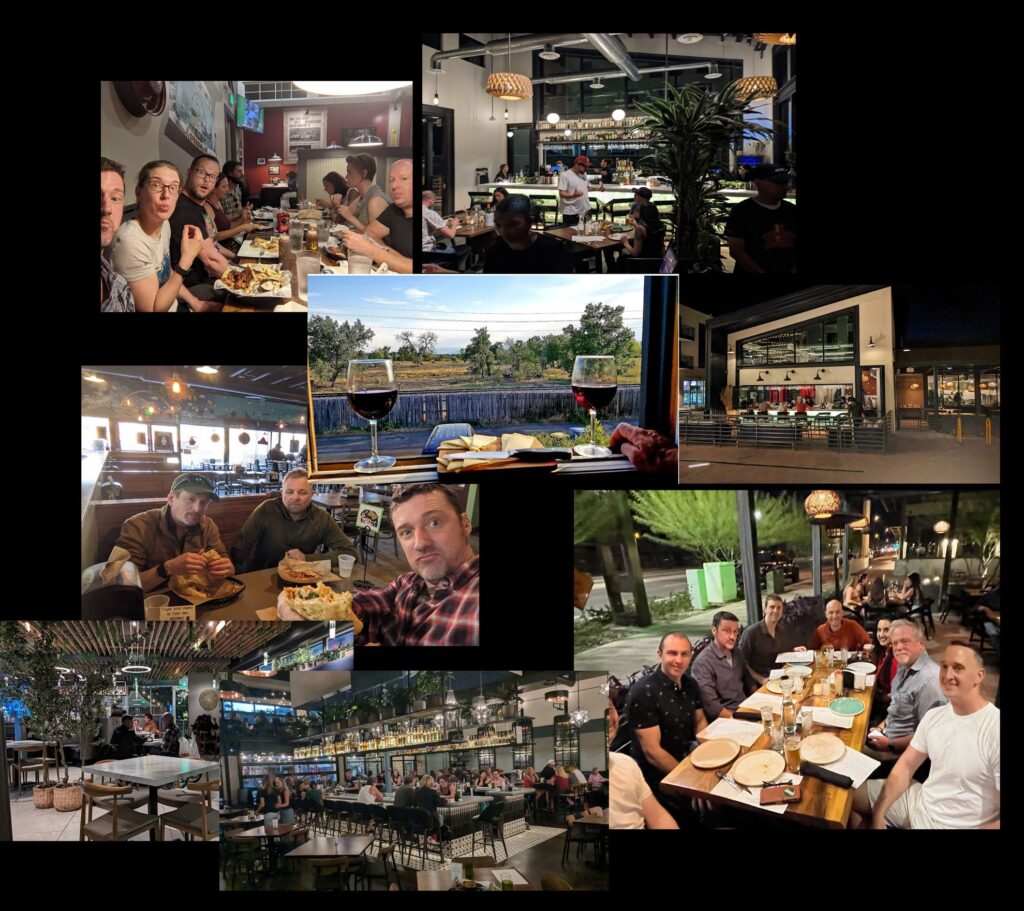
Rather than sticking strictly to his historical routine of discount shopping and budget travel, Adeney embraced a lifestyle of convenience and comfort. He dined out regularly at stylish restaurants, booked accommodations based on aesthetic appeal and comfort rather than rock-bottom prices, and routinely paid extra for preferred airline seating to minimize travel fatigue. His grocery habits shifted from exclusive reliance on wholesale clubs like Costco and Sam’s Club to occasional high-end shopping trips at Whole Foods, indulging his preferences without second-guessing the higher price tags.
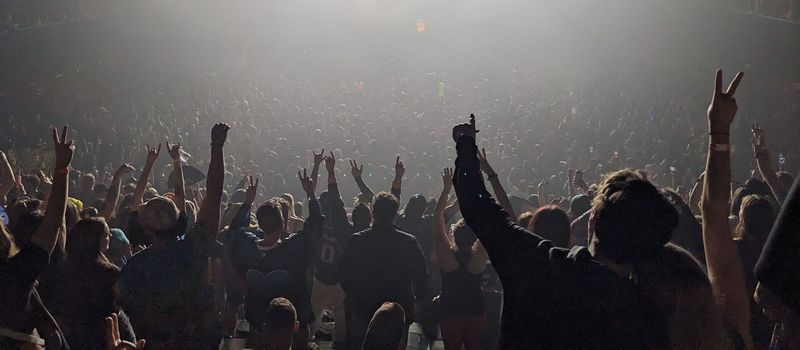
The lifestyle shift also extended to his social life and leisure activities. As a single man for much of the period, Adeney maintained an open schedule that allowed him to travel on a whim, meet new people, and explore various destinations. Alongside his adult son, he attended a diverse selection of late-night electronic dance music concerts and visited three different Meowwolf immersive art venues. Among these excursions was a spontaneous Christmas Day road trip from his winter residence in Tempe, Arizona, to Las Vegas. The period felt like an adventurous transition, stretching time and creating the impression of a year filled with continuous movement and discovery.
Despite the noticeable uptick in flashy spending and the conscious decision to abandon his strict budgetary guardrails, Adeney assumed his overall annual expenditures must have drifted firmly back into mainstream consumer territory. Yet, because he was genuinely enjoying the newfound freedom, he resisted the urge to tally the numbers in real-time.
The reckoning arrived recently when Adeney engaged in a round of informal coaching with a friend. The two decided to compile and compare their respective spending figures for the previous year. Sorting through months of transactions and clicking the spreadsheet’s sum button yielded results that caught the veteran personal finance writer off guard.
While his overall expenditures had indeed risen—particularly within travel-related categories—the macroeconomic impact on his personal finances remained remarkably modest. Depending on the accounting treatment for his vehicle and ongoing business expenses, his annual cost of living moved from roughly $20,000 to approximately $30,000, bolstered by the foundational financial subsidy of a fully paid-off home.
This modest level of spending remains easily sustainable under standard retirement withdrawal frameworks, requiring a nest egg of roughly $1 million. Because Adeney’s investment portfolio sits considerably higher than that threshold—bolstered by years of robust economic growth and a prolonged stock market rally—his total expenditure remains well below conventional safety margins.
Although he humorously acknowledges that he "failed" to elevate his spending to the levels historically recommended for wealthy retirees, the experiment has left him largely satisfied. The adoption of an abundance mindset brought greater enjoyment to his daily routine, opening the door for further lifestyle experiments in the years ahead. The exercise echoed principles previously discussed on his blog regarding optimization councils, wherein individuals share tips on extracting maximum value and enjoyment from life. Nearly twenty years into early retirement, Adeney continues to evaluate his approach, remaining open to continuous learning and external feedback.
A detailed review of the financial ledger reveals the specific distribution of his $30,026.76 annual expenditure across personal and business accounts. Groceries totaled $5,960.39, accommodating his own needs alongside his young adult son about half the time, plus occasional guests. Restaurant spending reached $2,243.59, reserved strictly for special social occasions rather than routine dining convenience. Travel expenses accounted for $6,158.77, which included business-related trips to events like Camp Fi and other professional conferences.
Utility bills amounted to $1,909.51, while a combined Amazon and household category registered $3,554.10—noting that approximately three-quarters of the business-side expenses in this bracket represented construction materials purchased for clients and subsequently reimbursed via invoice. Expenditures on alcohol for entertaining totaled $250.67.
Healthcare costs reached $3,536.66, kept low through a combination of a Direct Primary Care medical subscription and a high-deductible health-sharing arrangement via Sedera Health, alongside out-of-pocket spending on advanced screening blood tests. Automobile costs, restricted primarily to insurance and vehicle registration, stood at $2,425.21, exclusive of a formal depreciation calculation. Phone and internet services totaled $1,410.56, covering gigabit home internet and a monthly mobile carrier bill. Finally, property taxes accounted for $2,577.30, remaining reasonable relative to prevailing neighborhood home valuations in the $500,000 to $600,000 range.
Comparing these figures to his previously published 2019 spending data demonstrates that his cost of living has experienced only a minor increase, despite recent inflationary pressures across the broader economy. While he directed more financial resources toward travel and leisure, his home renovation expenditures declined because his frequent absences left him with less time for DIY home improvement projects. Health insurance also represents a newly introduced recurring cost compared to his earlier self-insured status.
The most significant structural factor keeping his baseline expenses low remains the absence of housing costs, having paid off his mortgage years ago. Furthermore, his affinity for maintaining and servicing his own property eliminates typical recurring bills for landscaping, plumbing, tree pruning, and handyman services.
While Adeney acknowledges that paying off the mortgage entirely may not have been the mathematically optimal financial move—especially given the opportunity to secure low-interest borrowing during the favorable credit markets of 2021 and investing the principal in index funds—the psychological peace of mind provides immense personal value. Additionally, owning the home outright removes the necessity of purchasing traditional homeowners insurance, generating an estimated annual savings of roughly $2,000 that further enhances the effective return on the initial payoff.
On the medical front, continued good health and favorable fortune meant he incurred no major unexpected medical bills. He maintains a two-tiered medical strategy consisting of a direct primary care clinic membership costing $107 per month, paired with a high-deductible health-sharing plan costing $201 per month. At a combined monthly cost of $308, the arrangement undercuts standard commercial bronze-tier health insurance plans while delivering personalized, zero-deductible care for routine medical needs alongside baseline protection against catastrophic health events.

Reflecting on the broader philosophy of resource allocation, Adeney emphasizes that money serves fundamentally as a tool for survival and, ideally, self-actualization. Evaluating potential lifestyle improvements relies on a core happiness principle: resolving persistent friction points in daily life yields greater satisfaction than simply doubling down on aspects that are already functioning well.
For Adeney, personal relationships, health, daily routines, and food require no fundamental overhaul. The primary ongoing frustration involves physical spatial constraints. Engaging in space-intensive hobbies such as woodworking construction and music within a relatively compact residential footprint has pushed his current workshop capacity to its limits. Expanding his workspace from the existing two-car, 440-square-foot garage to a larger facility remains a theoretical improvement, though his deep attachment to his current neighborhood and neighbors discourages any immediate relocation.
While long-term aspirations include the potential development of a mountain compound featuring natural landscape elements, Adeney remains cautious about overcommitting his time and energy. Given that his daily schedule is already filled with fulfilling commitments, managing an additional property portfolio offers diminishing returns on personal happiness.
As he looks toward the horizon, Adeney remains enthusiastic about maintaining an active lifestyle filled with complex projects and ongoing personal experiments. At the same time, shifting market conditions have introduced new considerations for automotive consumers. With the future of the federal $7,500 electric vehicle tax credit facing potential policy shifts under incoming federal leadership, current pricing for electric vehicles like the Tesla Model Y and Model 3 sits at historically accessible levels, offering a timely window for prospective buyers navigating the automotive market.