Dehydrated cat food has emerged as an increasingly popular option for pet owners seeking a middle ground between the convenience of dry kibble and the high moisture content of wet canned food. Characterized as a dry, shelf-stable format designed to be reconstituted with water before serving, dehydrated food offers a compact storage solution that transforms into a soft, moist meal at feeding time. However, as with any pet food category, dehydration is simply a method of processing rather than an automatic guarantee of superior nutrition, safety, or suitability. Determining whether this format is appropriate for a specific feline companion requires a careful evaluation of nutritional adequacy, life stage suitability, household practicality, and veterinary health requirements.
This article, sponsored by The Honest Kitchen, explores the realities of dehydrated feline diets. While The Honest Kitchen maintains sponsorship, Vetstreet retains full editorial control, utilizing current product information alongside independent pet-nutrition and veterinary sources to provide an objective analysis of the dehydrated cat food landscape.
Understanding Dehydrated Cat Food and Assessing Suitability
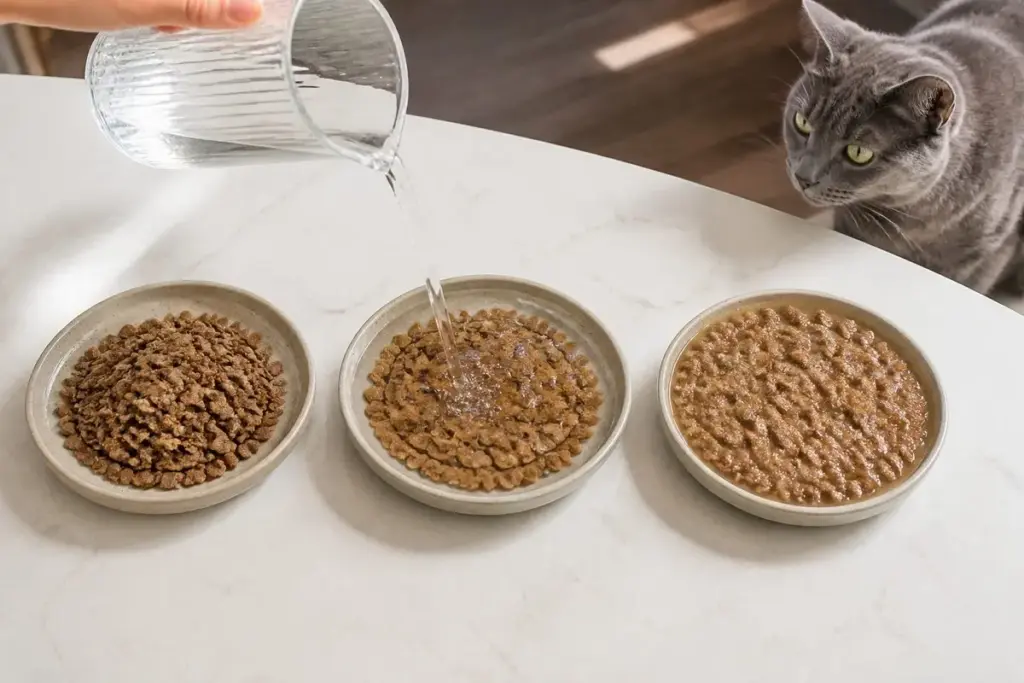
At its core, dehydrated cat food is prepared by removing the vast majority of moisture from a formulated recipe. This low-moisture state makes the product highly compact and shelf-stable, allowing pet owners to store significant quantities of food without dedicating valuable refrigerator space to opened cans or fresh diets. When mealtime arrives, the owner measures the specified amount of dry food, adds water according to the package directions, stirs the mixture, and waits for the food to rehydrate before serving it to the cat.
While this preparation process is relatively straightforward, determining whether a specific bag of dehydrated food is suitable for a household involves answering several critical questions. First, owners must verify whether the product is intended to serve as a complete diet or merely as a supplemental topper. This distinction is found in the nutritional adequacy statement on the packaging, as supplemental products cannot legally or safely replace a fully balanced meal.
Second, the food must be appropriate for the cat’s specific life stage. Felines have vastly different nutritional demands during periods of growth compared to adult maintenance or senior years. Third, owners must understand the precise preparation requirements, as the ratio of dry food to water, as well as the required waiting time, can vary significantly between different formulas and brands.
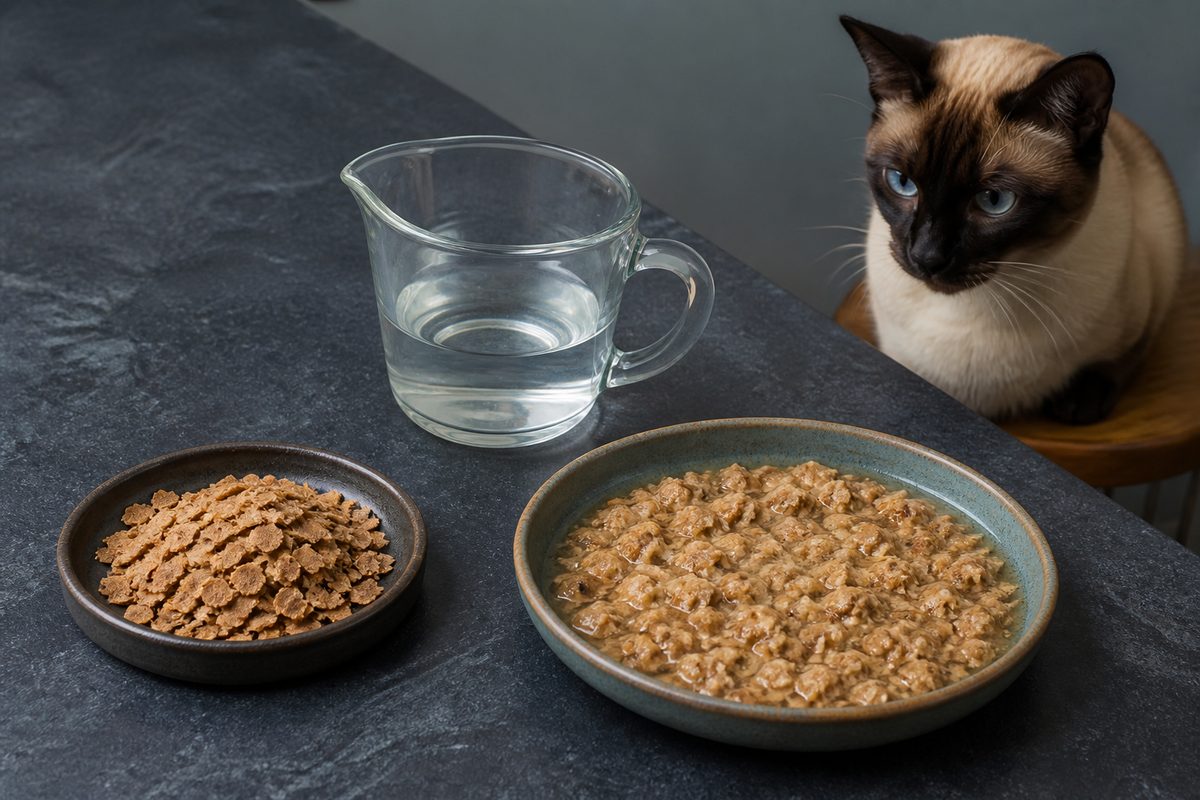
Beyond preparation, feline acceptance is a vital factor. Cats are notoriously sensitive to the texture of their food. A gradual introduction is essential to gauge whether a cat will willingly consume a rehydrated, mash-like meal. Furthermore, owners must evaluate whether a dehydrated diet aligns with any existing medical plans. For cats on therapeutic veterinary diets—such as those formulated for urinary, kidney, gastrointestinal, or allergic conditions—introducing an unapproved food can disrupt carefully managed therapeutic nutrition. Finally, household practicality must be considered; the daily routine of measuring, mixing, waiting, and cleaning up must fit consistently into the caregiver’s lifestyle to ensure accurate portioning and safe food handling.
The term "dehydrated" describes how the food is processed and served, not its inherent nutritional value. One dehydrated formula may provide complete and balanced nutrition, while another is formulated only as a topper or mixer. According to the U.S. Food and Drug Administration (FDA) guidance on complete and balanced pet foods, the nutritional adequacy statement is the only reliable place to verify if a product is intended to serve as a sole diet and for which specific life stages it is formulated.
How Dehydrated Food Differs from Other Formats
The pet food market is filled with terminology that can easily confuse consumers. Words like "dehydrated," "raw," "freeze-dried," and "air-dried" are often used interchangeably in casual conversation, yet they represent distinct manufacturing processes and result in entirely different eating experiences for the cat.
A primary point of clarification involves the distinction between raw and dehydrated foods. Dehydrated food is not inherently raw. For example, The Honest Kitchen states that the proteins in its dehydrated feline recipes, such as the Grain Free Chicken & Fish formula, are gently cooked to a minimum temperature of 165 degrees Fahrenheit before undergoing the dehydration process. This temperature threshold is significant because it effectively pasteurizes the ingredients, meaning these products should be categorized as cooked-and-dehydrated rather than raw or freeze-dried. Assessing these diets requires looking at current labels rather than relying on broad assumptions about "less processed" or "raw" feeding.
To understand where dehydrated food fits, it is helpful to compare it directly to other common feline feeding formats:
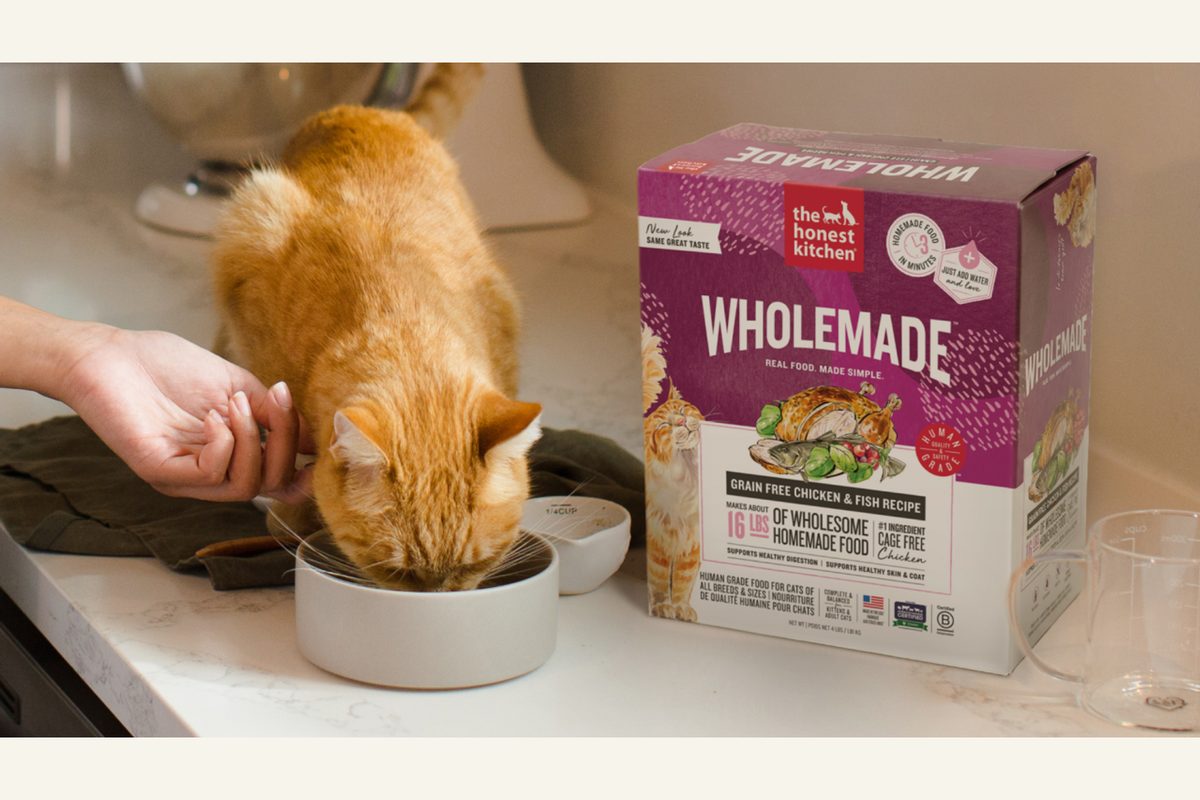
- Traditional Dry Food (Kibble): Kibble is formulated and manufactured to be served dry. Its pieces retain their shape in the bowl and are highly calorie-dense by volume. Many cats prefer the crunch and familiarity of kibble, meaning a switch to a rehydrated diet represents a significant texture change that requires a patient transition.
- Wet Canned, Minced, or Pouch Food: Wet foods are packaged with substantial moisture already included, requiring no home preparation beyond opening the container. They are available in a wide variety of textures, from smooth mousses and pates to minced chunks in gravy. Once opened, leftovers require immediate refrigeration and must be handled safely.
- Freeze-Dried Food: Freeze-drying removes moisture through sublimation under a vacuum. Unlike dehydrated foods, some freeze-dried products are raw while others are cooked. Consequently, the term "freeze-dried" alone does not confirm how pathogens were handled or whether the food is cooked. Pet owners must check the product label for nutritional adequacy and specific serving instructions, as some freeze-dried foods can be fed dry while others require rehydration.
- Air-Dried Food: Air-dried foods typically feature a dense, chewy, or jerky-like texture. They are processed at varying temperatures and are generally served directly from the bag without adding water. Air-dried is not synonymous with dehydrated, and the term does not guarantee a specific nutritional profile.
- Supplemental Hydration Products and Toppers: Broths, gravies, and pour-overs are designed to add moisture and aroma to an existing diet. However, many of these products are labeled strictly for intermittent or supplemental feeding and do not contain the complete array of nutrients required to serve as a cat’s sole source of nutrition.
Evaluating the Potential Benefits of Rehydrated Meals
The primary advantages of rehydrated cat food are practical and physical rather than purely medical. By adding water directly to the dry food during preparation, owners ensure that moisture is fully integrated into the meal. This is particularly relevant given that cats often have a low thirst drive. According to the Cornell Feline Health Center, felines naturally obtain water both by drinking and through their diet. While adding water to food can successfully increase a cat’s overall fluid intake, it does not replace the need for constant access to fresh, clean drinking water, nor does it substitute for a veterinary fluid therapy plan in clinically dehydrated animals.
From a storage perspective, dehydrated food is highly efficient. Because the moisture is added at home, the manufacturer does not need to ship heavy water weight, resulting in a compact package that takes up minimal pantry space. This format also offers portion flexibility, allowing owners to adjust the amount of dry food and water within the manufacturer’s guidelines to achieve a preferred consistency.
Furthermore, preparing dehydrated food with warm (not hot) water releases a natural, warm aroma that can make the meal highly appealing to a healthy cat. However, this aromatic appeal should not be used to mask a sudden or persistent loss of appetite. Felines are highly vulnerable to serious health complications, such as hepatic lipidosis, if they experience prolonged periods of inadequate food intake. If a cat consistently refuses food, the solution is a prompt veterinary evaluation rather than attempting to entice the animal with different food temperatures or textures.
The Critical Question of Nutritional Completeness
The format of a cat food does not automatically dictate its nutritional adequacy. Whether a food is extruded into kibble, canned as a pate, or packaged as a dry dehydrated powder, its ability to support a cat’s health depends entirely on its formulation. Pet owners must locate the nutritional adequacy statement on the product packaging to determine if the diet is complete and balanced.
This verification is especially critical in the dehydrated and alternative pet food categories, which frequently feature a mix of full meals, toppers, and supplemental mixers. A shopper might see a package containing recognizable ingredients like chicken, sweet potatoes, and spinach and assume it is suitable as a daily diet. However, nutritional completeness is determined by a precise balance of essential vitamins, minerals, amino acids, and fatty acids, not by the visual appeal of the ingredients.
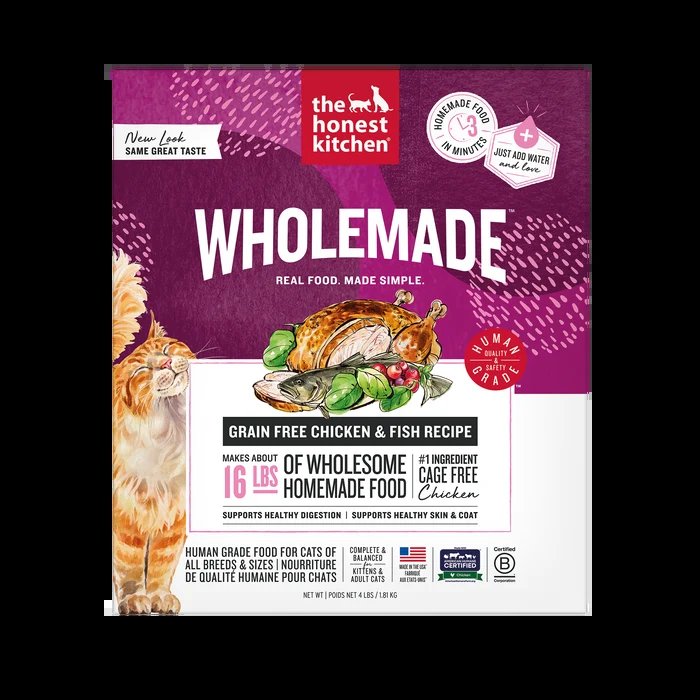
When reading a dehydrated cat food label, owners should first check the nutritional adequacy statement to confirm it is formulated as a complete and balanced diet. Second, they should verify the intended life stage, ensuring it matches their cat’s age and developmental needs. Third, they should consult the feeding guidelines, keeping in mind that the listed amounts are starting points. A cat’s actual caloric requirements depend on its body condition, neuter status, activity level, age, and overall health. Owners should monitor their cat’s weight and adjust portion sizes under veterinary guidance rather than relying solely on the package feeding chart.
For kittens, the diet must be specifically formulated to support rapid growth and development. Before feeding a dehydrated recipe to a growing kitten, owners must ensure the package explicitly states it is suitable for growth or all life stages. The Honest Kitchen’s Dehydrated Grain Free Chicken & Fish recipe, for example, is formulated to meet the nutritional levels established for both kittens and adult cats. However, because product formulations and labels can change over time, the physical package in hand must always be the final authority.
For adult and senior cats, nutritional needs can vary widely. While an adult maintenance diet is suitable for healthy adult felines, senior cats often require individualized nutrition. A senior cat may remain highly active and healthy, or they may develop chronic conditions such as kidney disease, hyperthyroidism, diabetes, or dental pain. While a soft, rehydrated food can be highly convenient for an aging cat, it should never replace a therapeutic veterinary diet prescribed for a specific medical condition.
Spotlight on The Honest Kitchen’s Dehydrated Offerings
The Honest Kitchen currently provides two primary dehydrated feline recipes designed to offer a moist meal from a dry, shelf-stable pantry format.
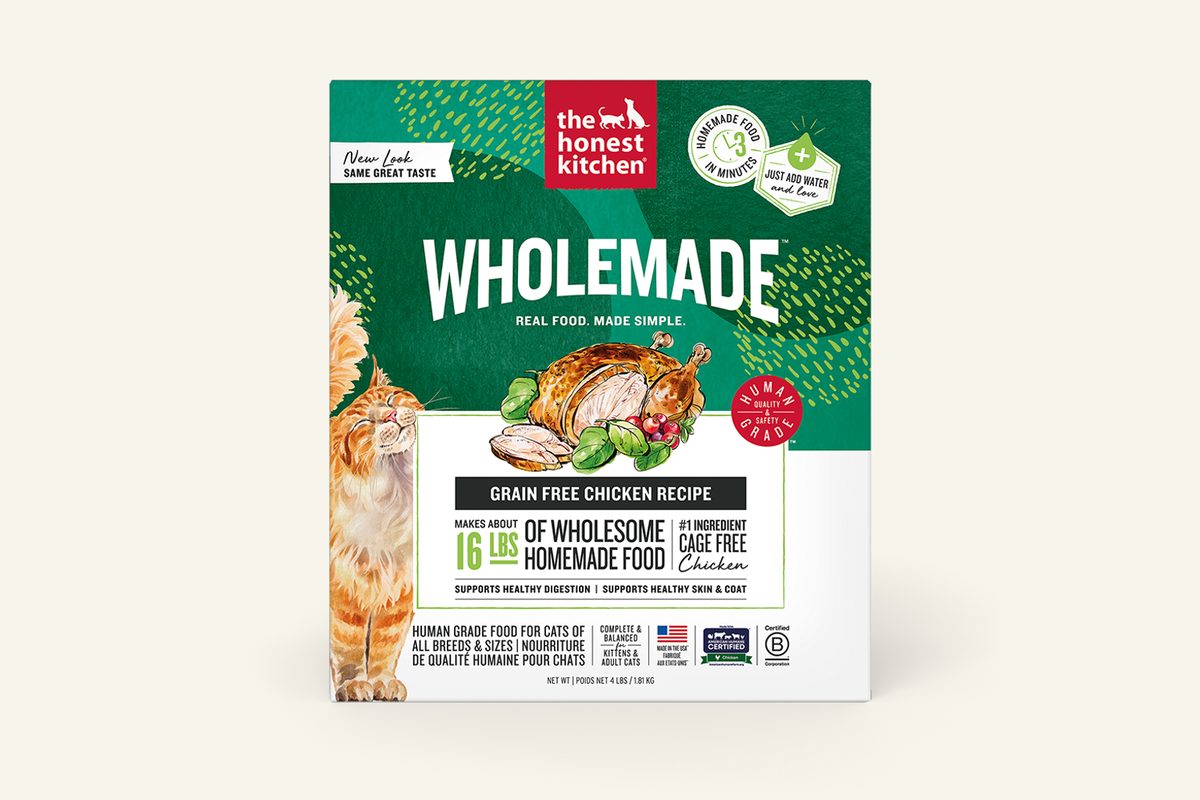
The first option is the Dehydrated Grain Free Chicken & Fish formula. This recipe combines chicken and dehydrated fish into a grain-free format. The brand states that the proteins in this recipe are gently cooked to at least 165 degrees Fahrenheit before dehydration, which eliminates pathogens while preserving nutrients. According to the manufacturer, this recipe is formulated as a complete meal or a topper and is suitable for both kittens and adult cats. This product highlights the importance of reading labels carefully: the phrase "complete meal or topper" indicates two distinct serving roles with very different portion sizes, while the cooking temperature clarifies that the product is cooked, not raw.
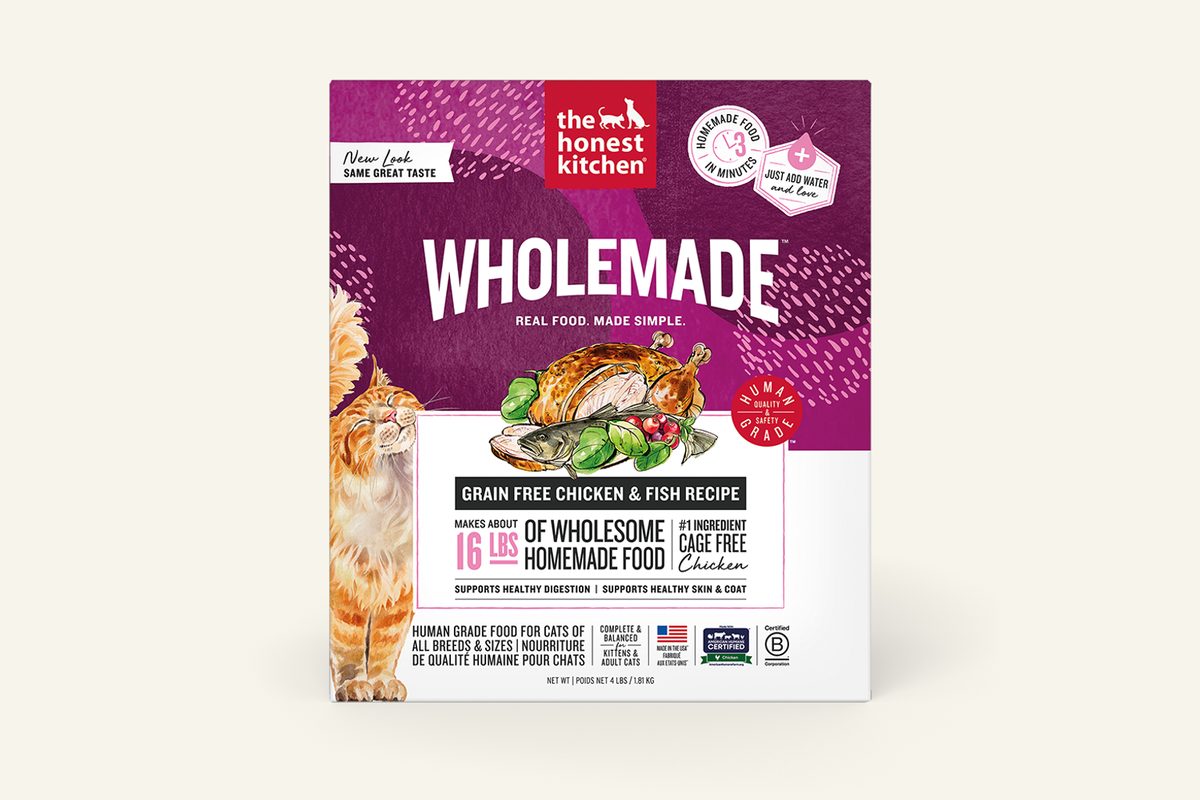
The second option is the Grain Free Chicken Dehydrated Cat Food, which offers a chicken-forward alternative for households seeking a single-protein source or accommodating specific feline taste preferences. As with any diet change, introducing a new flavor should be done thoughtfully. Cats with sensitive digestive tracts or suspected food sensitivities benefit from highly controlled, gradual dietary changes. Rapidly rotating flavors can make it difficult for veterinarians to identify the source of adverse food reactions or digestive upset.
While these dehydrated options are highly versatile, they exist within a broader product lineup from The Honest Kitchen that includes wet canned-style foods and dry cluster-style kibble. The best choice for an individual cat may not always be the dehydrated format. If a cat persistently refuses rehydrated food but consistently eats an appropriate wet canned recipe, the wet food is the superior choice for that animal. Ultimately, successful pet food selection involves matching a complete and balanced formula to the specific preferences of the cat and the practical capabilities of the household.
Best Practices for Preparation and Safe Handling
Preparing dehydrated cat food requires a mindful approach to hygiene and portion control. Because the addition of water creates a highly perishable, moist meal, safe food handling practices are essential to prevent the growth of harmful bacteria.
The preparation process should always begin by measuring the dry portion of the food using a clean, dry measuring tool. This measurement should be based on the cat’s calculated daily caloric needs and the manufacturer’s feeding guidelines. Owners should avoid guessing or "eyeballing" the portions, as minor discrepancies can lead to significant overfeeding or underfeeding over time. Once the dry portion is measured, the bag should be resealed tightly and stored in a cool, dry place.
Next, the water must be measured separately. Using warm water within the temperature range recommended by the manufacturer helps the food hydrate evenly and enhances its natural aroma. Once the water is added to the dry food, the mixture should be stirred thoroughly to break up any dry pockets and allowed to sit for the exact duration specified on the packaging. Before serving, the caregiver should verify that the food has cooled to a safe, comfortable temperature.
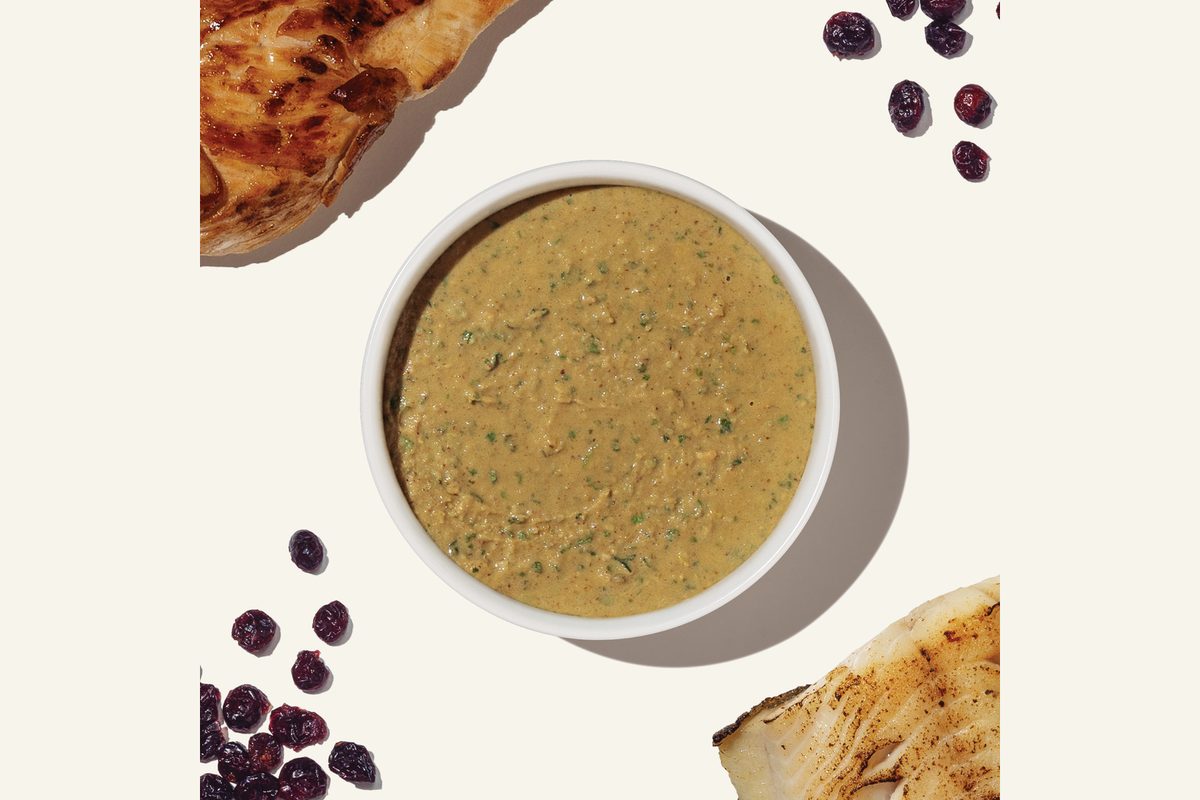
Any uneaten rehydrated food should be treated with the same safety precautions as open wet canned food. If a cat does not consume the meal within a reasonable timeframe—typically around 30 minutes, especially in warm weather—the leftovers should be discarded or placed in a clean, covered container and refrigerated. Owners must follow the manufacturer’s specific guidelines regarding how long prepared food can be safely stored in the refrigerator, and any food showing signs of spoilage or left out for too long must be thrown away.
Proper hygiene also extends to feeding dishes and utensils. Bowls must be washed thoroughly with soap and water after every meal. Placing fresh rehydrated food on top of a dried, leftover layer from a previous feeding can introduce bacteria and compromise food safety.
Implementing a Safe Transition and Monitoring Plan
Introducing a cat to a dehydrated diet requires a gradual transition over a period of at least one to two weeks. Because cats are highly sensitive to changes in both the ingredients and the texture of their food, an abrupt switch can lead to gastrointestinal upset, vomiting, diarrhea, or complete food refusal.
A structured 14-day transition plan can help ensure a smooth adjustment:
- Establishing a Baseline: Before beginning the transition, owners should record the cat’s current weight, typical daily food intake, meal schedule, water consumption habits, and normal stool consistency. The transition should only begin when the cat is in good health and free from active illness or stress.
- Initial Introduction (Days 1–3): Prepare a very small portion of the dehydrated food exactly according to the package directions. Offer this small sample alongside the cat’s familiar food in a separate dish, or mix a tiny amount into the existing food. This stage is designed to test the cat’s recognition and acceptance of the new texture and smell without risking a significant drop in their daily calorie intake.
- Gradual Increase (Days 4–7): If the cat tolerates the initial taste and shows no signs of digestive distress, slowly increase the proportion of the dehydrated food while decreasing the amount of the old food. Owners must carefully monitor the cat’s total daily calorie intake to ensure they are consuming enough food to maintain their energy levels and body weight.
- Establishing the New Routine (Days 8–14): Continue to steadily adjust the ratio until the cat is eating the target portion of the dehydrated food. During this phase, owners should verify that the daily preparation, storage of leftovers, and cleanup routine are practical for all household caregivers.
Throughout the transition and in the weeks that follow, owners must monitor several key health indicators, including the cat’s appetite, stool quality, body weight, skin and coat condition, and overall energy levels. Keeping a written log of daily food portions, water added, leftovers, and physical observations can provide highly valuable information for a veterinarian if any health or digestive concerns arise.
If a cat displays persistent texture refusal, owners should not attempt to "starve" the animal into accepting the new food. Felines are highly sensitive to calorie restriction and can rapidly develop life-threatening liver disease if they stop eating. If a cat refuses the rehydrated texture despite a slow and patient transition, it is a clear indication that this specific format may not be a good fit, and the owner should consult their veterinarian about alternative options, such as a high-quality wet canned food.
Decoding Common Industry Claims
When evaluating alternative pet foods, consumers frequently encounter marketing claims that require careful translation into objective, evidence-based facts:
- "Human Grade": This term refers to a regulatory and manufacturing standard indicating that the ingredients were handled and processed in accordance with human food safety regulations. While it reflects a specific production standard, it is not a medical claim and does not prove that the food is inherently healthier or more effective at treating disease than feed-grade products.
- "Real Food": While using recognizable, whole-food ingredients is appealing to consumers, it does not guarantee nutritional completeness. A balanced diet depends on the precise chemical profile of the finished product, which must be verified through the nutritional adequacy statement.
- "Grain-Free": Grain-free is a recipe characteristic rather than a universal health requirement for felines. While some cats may have specific dietary sensitivities, true grain allergies are relatively rare in cats. Choosing a grain-free diet should be based on individual health needs and veterinary advice rather than general marketing trends.
- "Adds Moisture": Rehydrating a dry food naturally increases the water content of the meal, which supports overall hydration. However, this is a general physical benefit and should not be interpreted as a medical treatment or preventative measure for chronic kidney disease, urinary crystals, or urethral obstructions.
Frequently Asked Questions
Is dehydrated cat food raw?
No, dehydrated cat food is not automatically raw. The classification depends entirely on the manufacturer’s processing methods. For example, The Honest Kitchen gently cooks the proteins in its dehydrated feline recipes to at least 165 degrees Fahrenheit before dehydration, which means these products are fully cooked and should not be referred to as raw.
Do I need to add water to dehydrated cat food?
Yes, dehydrated cat food is specifically formulated to be reconstituted with water before serving. Owners should always follow the exact measurements and water temperature guidelines provided on the product packaging to ensure the food hydrates to the correct consistency and nutrient density.
Can kittens eat dehydrated cat food?
Kittens can eat dehydrated cat food only if the specific product’s nutritional adequacy statement states that it is formulated for growth or all life stages. Owners must verify this information on the physical package and consult their veterinarian to ensure the food meets the high energy and nutrient demands of a growing kitten.
Is dehydrated cat food complete and balanced?
Some dehydrated cat foods are formulated as complete and balanced daily diets, while others are designed strictly as supplemental toppers or mixers. The only way to confirm a product’s nutritional status is to locate and read the AAFCO or FDA nutritional adequacy statement on the packaging.
What should I do if my cat refuses the rehydrated texture?
If a cat rejects the rehydrated food, owners should slow down the transition process, verify that the food is being prepared at a comfortable warm temperature, and offer a very small portion alongside their familiar food. If the refusal persists or the cat’s overall food intake drops, owners should consult their veterinarian, as the cat may simply prefer a different complete-and-balanced format, such as canned wet food.
The Bottom Line
Dehydrated cat food offers a practical and versatile option for pet owners who appreciate the compact storage of a dry product but wish to feed a moist, aromatic meal. When properly formulated, prepared according to directions, and introduced through a patient, gradual transition, dehydrated diets can serve as an excellent source of complete and balanced nutrition for healthy felines.
However, the format itself is not a universal solution for every household or every cat. Feline health, dietary preferences, and existing medical needs must always take precedence over marketing trends. By verifying nutritional adequacy statements, practicing safe food handling, and collaborating closely with veterinary professionals, cat owners can make highly informed, responsible decisions that support their companion’s long-term health and well-being.