


For millions of households, running tap water through a daily pitcher or a sophisticated under-sink filtration system is a matter of routine peace of mind. The expectation is straightforward: once the water passes through the filter, the chlorine taste is gone, mystery particles are trapped, microplastics are removed, and the boxes are checked. However, water filtration experts and public health advocates point out that not all filters are created equal, and a clean taste does not automatically equate to a clean bill of health.
Depending on the specific type of filter installed in a home, potentially hazardous contaminants—such as lead, per- and polyfluoroalkyl substances (PFAS), arsenic, and various pesticides—may still be slipping through into a daily glass of water. To address this blind spot, a new exposure-health startup called ROSE has officially launched its flagship at-home water testing kit, designed to give consumers a comprehensive look at what is actually remaining in their drinking water, even after filtration.
Why Having a Filter Doesn’t Mean You’re Covered
The assumption that any filter can remove any contaminant is a common misconception. Water filtration systems are certified to perform very specific jobs, rather than to strip every potentially harmful substance out of municipal water supplies. According to the NSF, an independent organization that develops rigorous public health standards and certification programs for filtration systems, an NSF/ANSI 42 certification focuses primarily on aesthetic qualities. This means the filter is proven to improve the taste, smell, and appearance of water, but it is not necessarily certified to reduce contaminants that pose serious long-term health risks.

For consumers looking to target genuine health hazards, filtration systems must carry certifications under NSF/ANSI 53 or NSF/ANSI 58, the latter of which applies specifically to reverse osmosis systems. These specialized standards address contaminants known to have adverse health effects. However, the exact substances a given filter is certified to reduce can vary widely from one brand and model to another.
Consequently, just because tap water tastes crisper or cleaner after filtration does not mean it is entirely free of heavy metals like lead, toxic elements like arsenic, or persistent chemical compounds like PFAS. Without understanding the specific ratings and certifications of a filtration system, or the exact chemical makeup of the local water source, consumers may not be receiving the level of protection they assume they have.
What’s Actually at Stake in Daily Drinking Water
The potential health implications of failing to filter out specific contaminants are significant, drawing continuous scrutiny from federal regulators and independent researchers alike. According to the United States Environmental Protection Agency (EPA), there is no established safe level of lead exposure, which is why the agency’s health-based goal for lead in drinking water is set firmly at zero.

Despite this regulatory target, widespread testing reveals a different reality. One prominent study found that roughly 25% of the tap water sources tested exceeded 1 part per billion of lead, which is the strict reference level recommended by the American Academy of Pediatrics to protect children from developmental and neurological harm. Lead typically leaches into drinking water from aging infrastructure, including lead service lines, lead-containing solder, and household plumbing fixtures.
Compounding these concerns are PFAS, widely referred to in public health discussions as "forever chemicals" due to their extraordinary persistence in the environment and the human body. These synthetic chemicals have been linked by researchers to a range of severe health conditions, including elevated cholesterol levels, liver damage, thyroid disease, and various reproductive health concerns. PFAS are notoriously widespread across the United States. One recent scientific study estimated that between 71 million and 95 million Americans may rely on groundwater sources containing detectable levels of these persistent chemicals, highlighting a systemic environmental challenge that standard carbon filters may fail to adequately address.
Introducing ROSE, a New Exposure-Health Startup
Co-founded by Eli Bronner and Henry Ellis, ROSE has positioned itself as a pioneering exposure-health company. The startup enters the market backed by a specialized scientific advisory board boasting deep expertise across environmental health, toxicology, epidemiology, and chemistry.

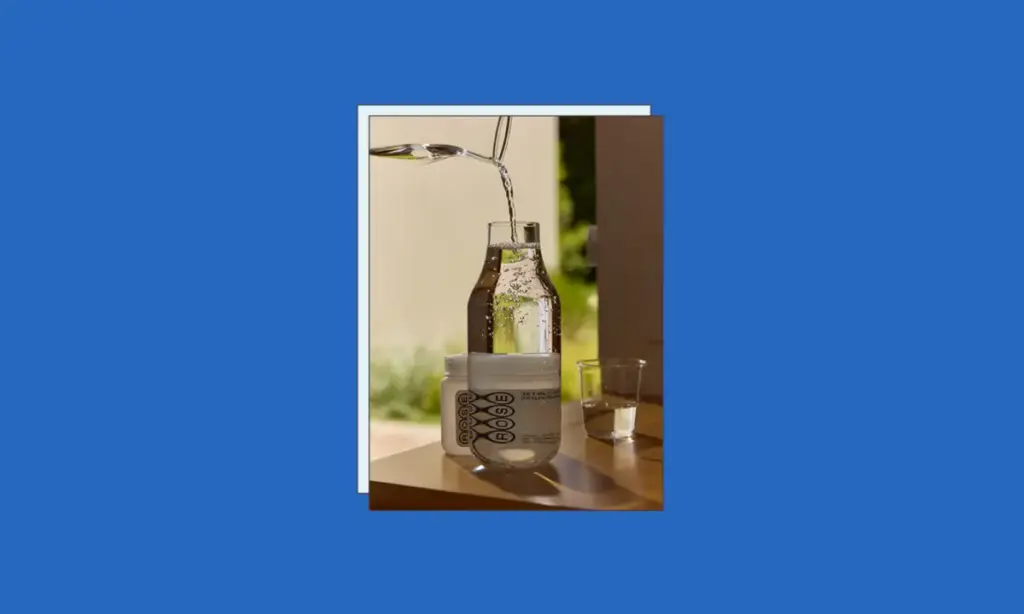
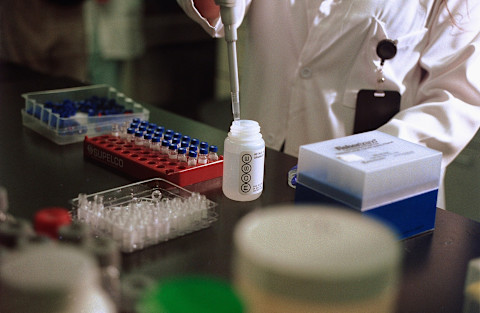
At the core of the company’s initial consumer offering is a $399 at-home water testing kit designed to analyze a single tap water sample for more than 100 distinct contaminants. This comprehensive panel screens for PFAS, agricultural pesticides, heavy metals, and volatile organic compounds. Rather than relying on simple color-changing strips, consumer samples are processed in an ISO-certified laboratory using advanced analytical methodologies that the company reports surpass standard EPA performance criteria. For households with complex plumbing or multiple water sources, a two-tap bundle is also available to provide a broader assessment of home water quality.
The company’s overarching philosophy centers on a clear three-step framework: test, treat, and track. Instead of forcing consumers to guess what contaminants their filtration systems need to capture, the service allows users to identify specific local hazards, take targeted measures to address them through appropriate filtration technology, and subsequently retest the water to verify whether those changes achieved the desired results.
How the Testing Process Operates
Despite the clinical precision required in the laboratory, the physical collection process for the consumer is designed to be straightforward. Users begin by freezing an included ice pack the night before sample collection. The following morning—ideally after the household tap has gone unused for approximately eight hours to capture standing water conditions—the sample is collected directly from the faucet. The entire collection procedure takes roughly seven minutes.

Once gathered, the sample is packaged alongside the frozen ice pack and dropped off at a UPS location on the same day. The company recommends completing this drop-off between Monday and Wednesday to prevent potential weekend shipping delays that could compromise the integrity of the sample during transit. Once the laboratory completes its analysis, results are delivered directly by email, and the ROSE team provides support to help users interpret the findings and navigate any questions.
Turning Results Into an Actionable Plan
Obtaining a detailed breakdown of a home’s water quality fundamentally changes how consumers approach filtration. For instance, if a ROSE test detects the presence of lead or specific PFAS compounds, the homeowner immediately knows to invest in a filtration system certified under NSF/ANSI 53 or 58 to mitigate those exact risks.
Conversely, testing can also reveal that an existing filter is performing adequately, but that it has simply reached the end of its functional lifespan. Periodic retesting serves as a practical diagnostic tool to determine whether standard filter replacement schedules are appropriate for a given household, as manufacturer recommendations are typically based on national averages rather than the unique chemical profile of a specific municipal or well water source.
The launch of the water test represents just the initial phase of the company’s broader roadmap. ROSE has announced plans to expand its consumer offerings into biomarker-based exposure testing in early 2027, with longer-term initiatives intended to encompass air quality, mold detection, and additional body-based testing as part of an integrated exposure-health platform.
Ultimately, the launch of the ROSE Water Test underscores a growing awareness that aesthetic improvements in drinking water do not guarantee safety from invisible chemical and metallic hazards. By bringing laboratory-grade analytical capabilities directly to residential consumers, the company aims to replace guesswork with concrete data, empowering households to make informed decisions about their drinking water and filtration infrastructure.