



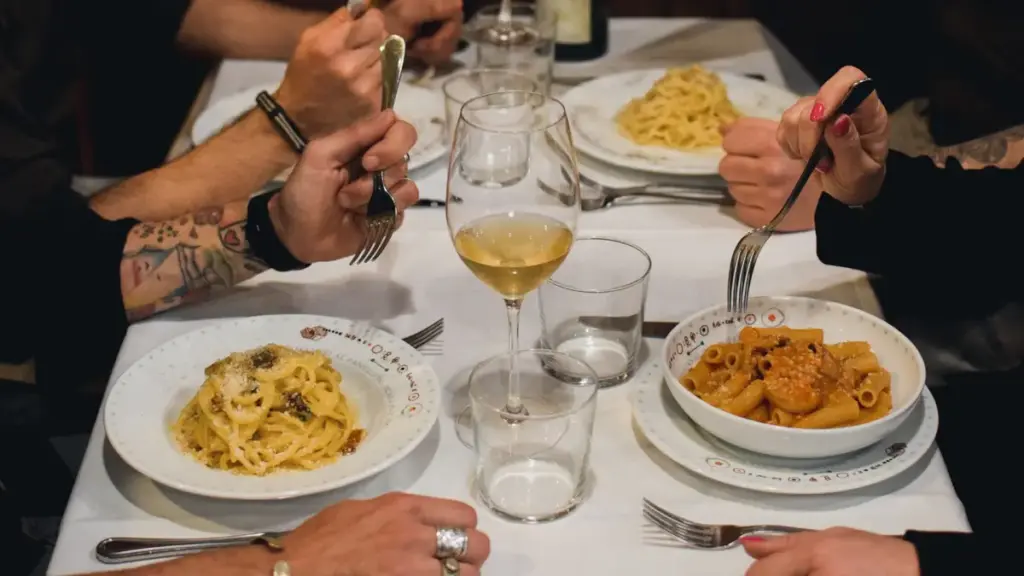
Roman cuisine is a reflection of the city itself—layered, deeply rooted in tradition, and full of contrasts. After years of eating through Rome, local food and beverage journalist and best-selling cookbook author Katie Parla has found that the best meals are shaped as much by history as the hands that prepare them. Family-run trattorias have served the city’s defining dishes for generations: cacio e pepe, carbonara, roasted lamb, and offal-based specialties, many of which trace their origins to Rome’s historic slaughterhouse economy. While these establishments remain essential anchors of the local food culture, a wave of neo-trattorias constantly reinterprets the classics, and the broader dining scene continues to shift dynamically. Today, the influence of Rome’s immigrant communities and diverse culinary traditions, ranging from Ethiopian to Venezuelan, is stronger than ever.

Navigating Rome through the changing seasons requires understanding its distinct rhythms. February and March often feel like a damp intermission that pivots quickly toward spring. One day travelers and locals alike are ducking into neighborhood bars to escape a sudden downpour, while the next they are scanning outdoor patios for a table in the sun. High season now revs up well before Holy Week, and by late March, the city is already moving at full tilt. This narrow stretch offers a brief window to enjoy artichokes simmered with the first peas, favas, and lettuce into vignarola, Rome’s definitive spring stew.

Eating and drinking well in the Eternal City is not just about knowing where to go; it is about understanding how to navigate its idiosyncratic dining culture. Travelers often book tables months in advance, making last-minute reservations a challenge. While online booking is becoming increasingly common, many cherished local spots still rely on the telephone. Restaurateurs recommend calling at the very start or end of service when the staff actually has time to pick up the phone. Visitors are encouraged to plan ahead while leaving some room for spontaneity.

The local dining landscape continues to evolve with notable additions. In San Giovanni, Beppe e I Suoi Formaggi has moved beyond its former Ghetto shop into a larger space where Beppe Giovale’s selection of Italian and French cheeses shares the table with dishes like tajarin with alpine butter. Near the Pyramid of Gaius Cestius, the third-generation, family-run Taverna Cestia serves Roman classics, seafood, and wood-fired pizza alongside a thoughtful wine list. In the Prati-adjacent neighborhood of Della Vittoria, Vetro pairs natural wines with small plates that borrow freely from Roman and wider European traditions, making it equally appealing for dinner or an evening drink.

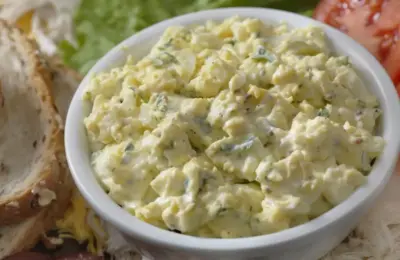
Among the city’s standout dining destinations, Vetro on Viale Carso offers a neighborhood hangout atmosphere set in a former alimentari, featuring a thoughtful natural wine selection spanning Italy, Spain, and southern France. Diners can sample dishes like gildas and eggs with mayonnaise alongside tongue with sweet potatoes and piquillo peppers. For fine dining enthusiasts, Orma Roma, located a few blocks southeast of the Galleria Borghese, showcases the culinary vision of Colombian chef Roy Caceres. Following the closure of his landmark Michelin-starred restaurant Metamorfosi during the pandemic, Caceres established Orma as a multi-concept space featuring a power-lunch bistrot, a tropical-inspired cocktail bar, and a main dining room blending his Colombian heritage with Italian flavors.

Historical consistency remains a cornerstone of Rome’s appeal. Colline Emiliane, situated a short walk from the Trevi Fountain, has been serving satisfying dishes from Emilia-Romagna since 1931 under current family ownership that began in 1967. The menu features rich egg-based house-made pastas such as tortelli di zucca and tagliatelle alla bolognese, alongside hearty mains like bollito misto. Similarly, Armando al Pantheon, located just 100 feet from Rome’s most intact ancient monument, has been championed by the Gargioli family for more than five decades. They dutifully produce classic Roman fare, including fettuccine with chicken innards and braised oxtail, complemented by seasonal sides and a curated wine list.

For traditional sweets and artisanal products, Moriondo e Gariglio operates as a time capsule infused with the scent of cocoa. Founded in Turin by former chocolatiers to the Savoy royal household, the shop followed the court to Rome in the late 19th century and settled near the Pantheon, offering over 80 handmade chocolates and seasonal specialties like marrons glacés. Meanwhile, historic institutions like Cesare al Pellegrino keep the memory of closed cultural landmarks alive. Resurrected by Leonardo Vignoli and Maria Pia Cicconi in the space of the former cult favorite Settimio al Pellegrino near Campo dei Fiori, the trattoria retains its original tiled floors, midcentury furniture, and iconic doorbell while serving classic regional dishes.

Hosteria Grappolo d’Oro defies the stereotype of brusque service in Roman restaurants by offering affable hospitality alongside traditional dishes like tonnarelli cacio e pepe and roasted suckling lamb. For quick bites, Forno Campo de’ Fiori and Forno Boccione in the historic Jewish Ghetto offer exceptional baked goods, from pizza alla pala to traditional pizza ebraica and ricotta and sour cherry tarts. Modern reinterpretations of local classics can be found at Mazzo in San Lorenzo, where culinary power couple Francesca Barreca and Marco Baccannelli serve inventive offal dishes like fried tripe with pecorino Romano in tomato sauce.

Trattoria Monti, run by the Camerucci family in the Esquilino district, brings the hearty flavors of the Marche region to the capital with dishes like game-filled fried olives and runny-yolk ravioli. Salumeria Roscioli in the Historic Center operates as a premier deli, wine bar, and restaurant celebrating top-tier cheeses, cured meats, and pasta classics. Beyond Italian staples, the city’s multicultural dining scene shines at venues like Mrgda on Via Prenestina, which offers authentic Ethiopian and Eritrean dishes accompanied by naturally leavened injera and honey-fermented wine.

Beverage destinations also define the city’s evening culture. Ma Che Siete Venuti A Fa’ in Trastevere stands as a renowned craft beer pub pouring international draft and vintage sour selections. For cocktail enthusiasts, Jerry Thomas Bar Room offers a refined, 1920s-style speakeasy experience behind an unmarked door, while Latteria Trastevere and L’Antidoto provide exceptional natural wines paired with artisan cheeses and innovative small plates.

Other notable neighborhood staples include Sora Lella on the Tiber Island, offering historic family recipes in a medieval setting; Tempio di Iside near the Colosseum, known for exceptional seafood crudi and pasta; Menabò Vino e Cucina in Centocelle, featuring regional Italian comfort food and natural wines; and Otaleg, where master gelatiere Marco Radicioni crafts all-natural, meticulously sourced gelato.

Further expanding the culinary map, venues like Cesare al Casaletto, A Rota Pizzeria Romanesca, C’è Pasta e Pasta, Tavernaccia Da Bruno, Trattoria Pennestri, Stecca, Sinosteria, Trecca, Ristorante da Michele, and Pizza Nader demonstrate the remarkable breadth of Rome’s food culture. From neighborhood trattorias serving offal-forward classics to innovative pizzerias and historic pastry shops, the city’s dining scene continues to honor its deep historical roots while embracing contemporary creativity.