


Apple has officially acknowledged a frustrating network bug impacting a cohort of iPhone 18 Pro Max users in the United States who utilize the AT&T cellular network. The issue, which causes devices to abruptly lose all cellular service and display an "SOS" symbol in the status bar, has prompted a swift response from Cupertino. While Apple has already rushed out software patches designed to prevent the issue from spreading, the company has confirmed that devices that have already succumbed to the bug cannot be saved by an over-the-air update and will instead require a physical hardware replacement.
The revelation follows a wave of customer complaints and technical reports concerning the newly launched iPhone 18 Pro Max, particularly units tied to AT&T’s network infrastructure. For affected users, the glitch goes far beyond a minor connectivity hiccup. Once triggered, the bug completely disables standard cellular capabilities, meaning affected handsets can no longer place phone calls, send text messages, or access cellular data over 4G or 5G networks.
Despite the widespread concern generated on social media and tech forums, Apple maintains that the glitch is isolated. According to the technology giant, the network bug impacts only a "small number" of iPhone 18 Pro Max users on the AT&T network. Even so, the severity of the symptom—complete and permanent loss of cellular signal—has made it a high-priority issue for both Apple and its carrier partner.
In a statement provided to the media following the initial discoveries, Apple outlined the scope of the problem and the defensive measures the company has deployed. "We have identified an issue affecting a small number of iPhone 18 Pro Max users on the AT&T network that may cause a device to lose service and be unable to make calls," Apple stated. "We released iOS 27.0.1 earlier this week and strongly encourage all iPhone 18 Pro Max users to update now, and are also issuing a carrier settings update today. These updates together are meant to help prevent this issue from occurring."
What Apple says about the AT&T issue
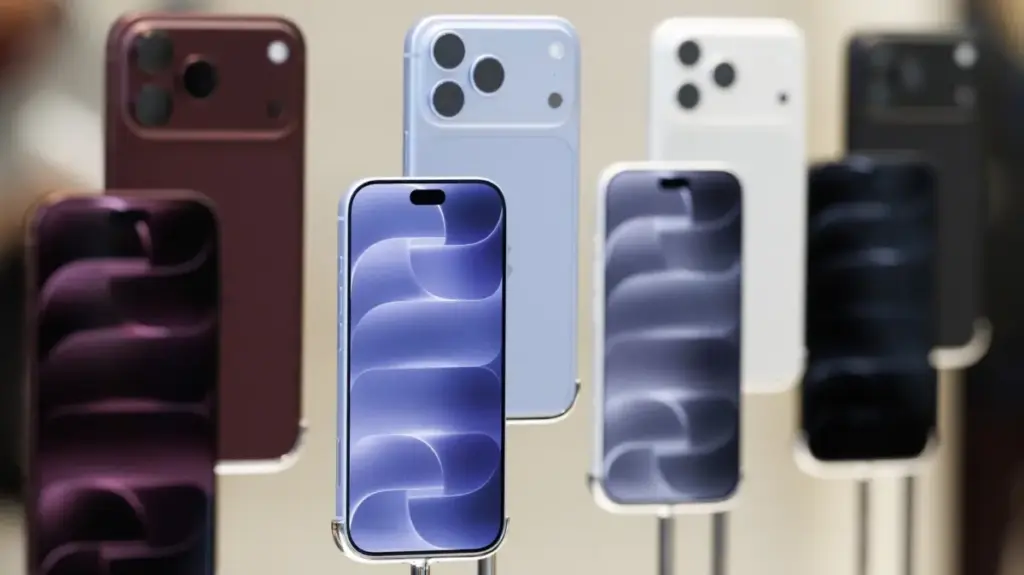
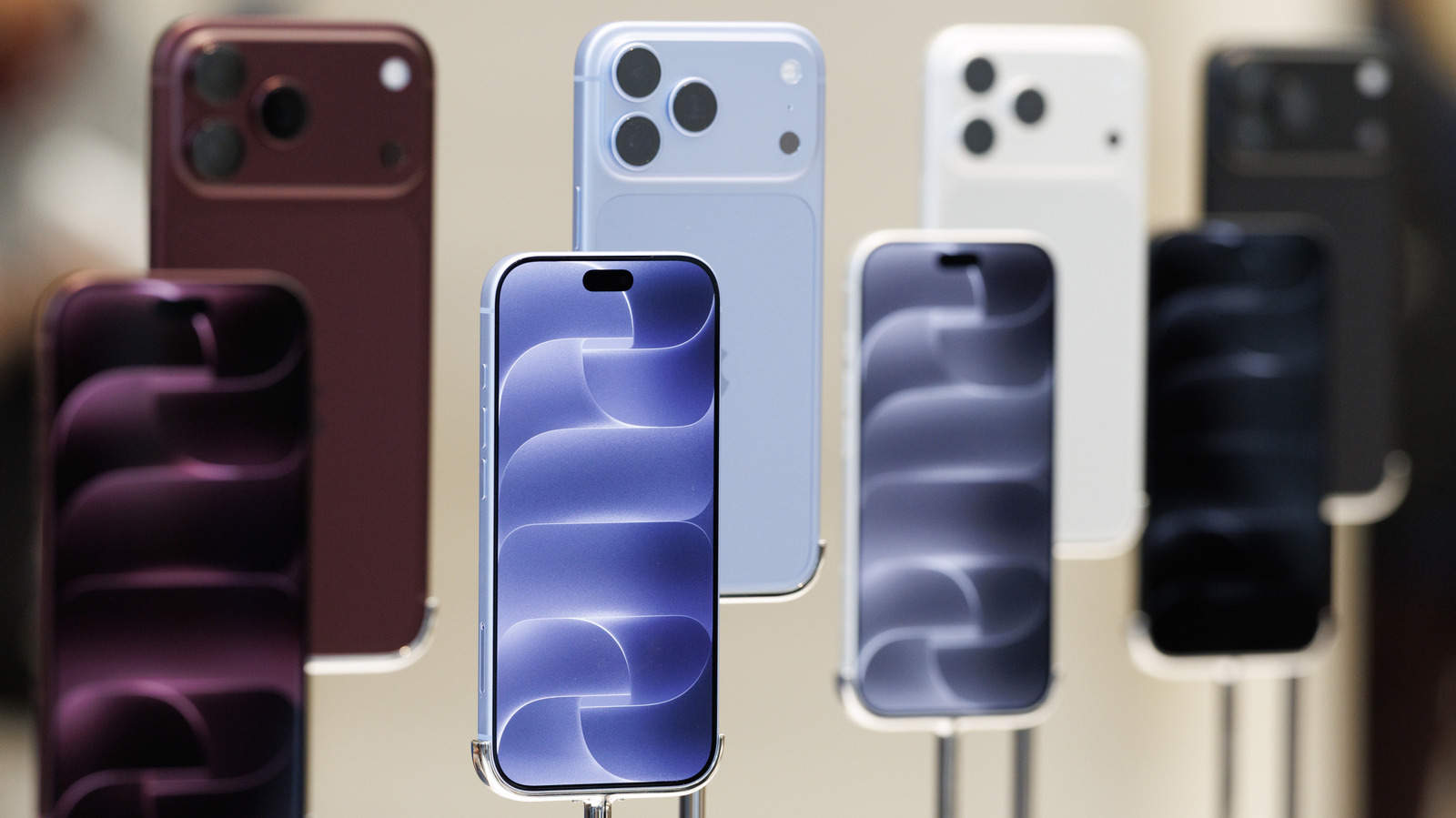
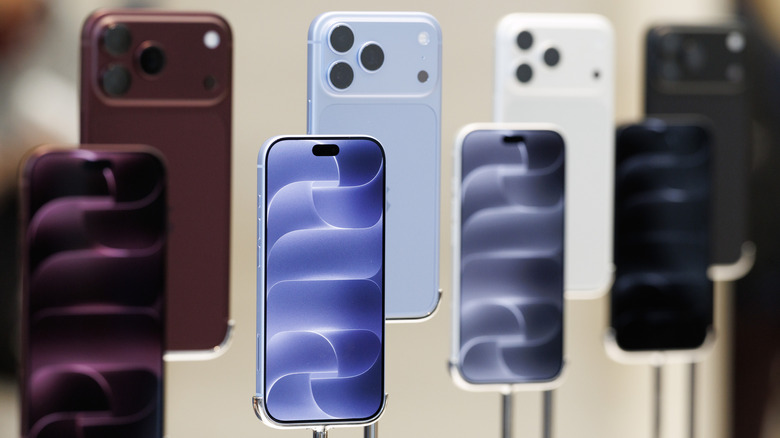
For consumers navigating the launch of Apple’s latest flagship lineup, identifying whether a device is at risk or already compromised is relatively straightforward. The iPhone 18 Pro Max is available in four distinct finishes—burgundy, glacial, silver, and black—and has otherwise garnered generally positive reviews for its advanced camera systems, overall performance, variable aperture capabilities, and integrated Siri AI features. However, for a subset of AT&T customers, the experience has been overshadowed by the status bar indicator shifting from standard signal bars to the ominous "SOS" symbol.
Industry observers have noted an interesting hardware detail surrounding the affected devices: the iPhone 18 Pro Max is unique within the US smartphone market for utilizing a Qualcomm modem instead of Apple’s custom-designed in-house modem. As of yet, however, neither Apple nor independent analysts have confirmed whether this specific hardware choice has a direct causal link to the AT&T network bug.
For users who currently possess a functioning iPhone 18 Pro Max on the AT&T network, Apple is urging immediate preventative action. The release of iOS 27.0.1 is intended to neutralize the threat, and device owners are advised to navigate to the settings menu to apply the software update. Following that installation, users are encouraged to verify that their carrier settings are fully up to date by checking the device’s system information menu, where a carrier settings prompt will typically appear if a newer version is awaiting deployment.
The most critical caveat in Apple’s guidance, however, concerns devices that have already experienced the failure. For any iPhone 18 Pro Max that has already lost its cellular signal and dropped into the persistent "SOS" state, standard troubleshooting techniques will not suffice. Apple has confirmed that software updates, network resets, and complete device restores will not restore connectivity once the underlying failure has manifested.
Consequently, customers whose handsets have already been disabled by the bug must take more drastic action. Apple has instructed affected consumers to reach out directly to Apple Support or visit an authorized service channel, as well as coordinate with AT&T customer service, to arrange for a formal device replacement.