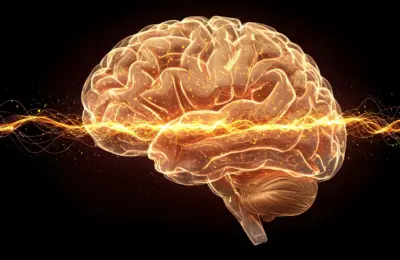


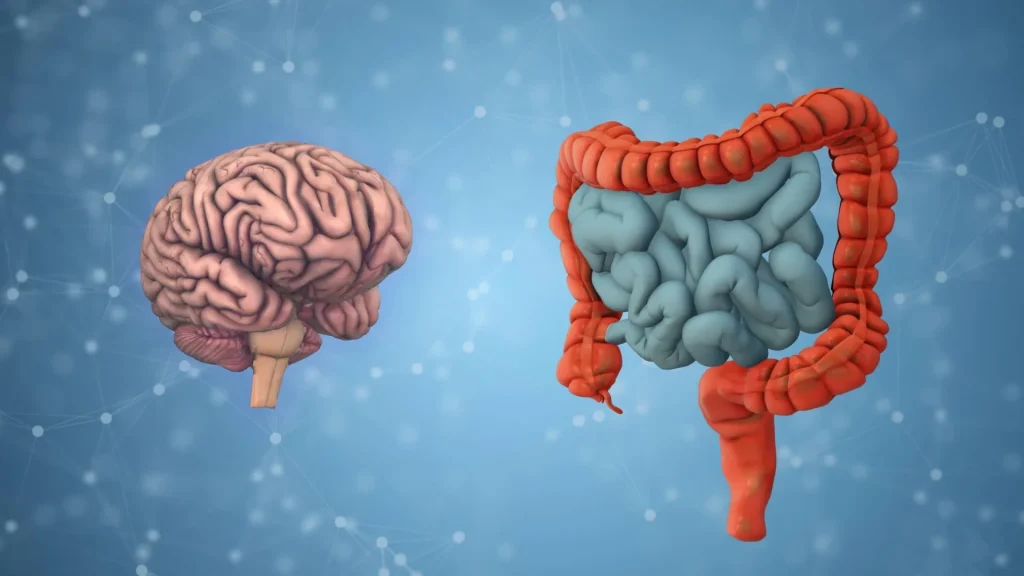
A groundbreaking new study conducted by researchers at UCLA Health suggests that the biological pace of human brain aging may be intimately connected to the microscopic communities of bacteria living in the human gut and the chemical compounds they produce. The findings, which offer a transformative look at biological shifts that can begin long before any noticeable problems with memory, focus, or thinking appear, shed new light on the complex communication network running between the gastrointestinal tract and the central nervous system.
For years, scientists have utilized sophisticated brain imaging techniques to estimate an individual’s "brain age," a metric that frequently diverges from a person’s actual chronological age. Previous research has consistently demonstrated that when a person’s brain appears biologically older than expected based on these scans, that pattern can be closely associated with poorer memory performance, weaker executive thinking skills, and pronounced changes in mood and emotional regulation.
However, the vast majority of earlier scientific investigations focused primarily on older adults or individuals who had already developed distinct neurological conditions or cognitive impairments. This left a significant and critical question unanswered within the medical and scientific community: Does an older-looking brain matter in younger, generally healthy adults, and what underlying biological mechanisms might be driving these discrepancies long before clinical symptoms manifest?
Measuring How Old the Brain Appears
In an effort to address these lingering questions, researchers at UCLA Health examined brain scans from nearly 1,500 healthy adults divided evenly across three separate, distinct study groups. The findings were subsequently published in the peer-reviewed medical journal eBioMedicine.
To conduct the evaluation, the research team employed a specialized neuroimaging approach that carefully measures how different areas and networks of the brain communicate with one another while a person is resting quietly inside the scanner. By analyzing these functional connectivity patterns, the researchers developed a sophisticated computer model capable of estimating each participant’s biological age based entirely on the intricate communication dynamics observed within their neural networks.
Once the computer generated the estimated brain age for every participant, the research team compared that figure directly with each individual’s actual chronological age. The numerical difference between the estimated brain age and the chronological age formed the basis of what the investigators designated as the Brain Aging Index, or BAI. This index provided a standardized method for quantifying whether a participant’s brain network appeared biologically younger, right on schedule, or older than their years on the calendar would suggest.
Older-Looking Brains Were Linked to Memory and Mood
When the researchers analyzed the data across all three study groups, clear and consistent patterns emerged regarding cognitive performance and emotional well-being. Participants whose brains appeared biologically older than their chronological age consistently performed worse on standardized tests measuring working memory and executive function. These vital cognitive abilities are responsible for helping people hold and manipulate temporary information in their minds, stay focused on complex tasks, plan ahead, and effectively organize their daily lives.
Furthermore, individuals who exhibited a higher Brain Aging Index also reported experiencing significantly more symptoms of depression compared to their peers whose brain scans aligned with or favored a younger biological age profile. When the researchers mapped these behavioral and emotional observations back to the brain scans, the patterns repeatedly involved specific brain regions that are heavily associated with memory retention and self-referential thought—the complex mental processes that human beings utilize when reflecting on themselves, their identities, and their personal life experiences.
Gut Bacteria Offer Another Clue
To investigate potential systemic drivers behind these neural differences, the researchers took their analysis a step further for one of the study groups. By examining stool samples collected from these participants, the team sought to determine whether variations in the pace of brain aging were connected to alterations in the composition of the gut microbiome.
The analysis revealed a compelling correlation: a higher Brain Aging Index was clearly associated with the presence of specific types of gut bacteria as well as several distinct metabolic byproducts generated by these microorganisms. Among these chemical signatures were certain specialized fat molecules, a cholesterol-related compound, and notably lower levels of a specific hormone known as estetrol.
The biological pathways and systems connected with these microbial and metabolic signals were wide-ranging, involving the immune system, the regulation of blood vessel function, the fundamental communication pathways between brain cells, and the cellular processes that biological tissues rely on to produce energy. These interconnected systems suggest that the dialogue between the gut and the brain is multifaceted and capable of exerting a profound influence on neural health.
Signs of Brain Aging May Appear Decades Early
"Brain aging doesn’t suddenly begin when we get older, but the biological signals may be detectable decades earlier," said the study’s senior author, Dr. Arpana Church, who serves as the co-director of the Goodman-Luskin Microbiome Center at UCLA Health.
Dr. Church emphasized that by connecting these early brain changes directly with the gut microbiome and its associated metabolites, researchers are beginning to identify specific biological pathways that could ultimately help the scientific community understand who may be at elevated risk for cognitive decline and, crucially, where medical science might intervene to support healthier aging processes. She noted that this line of inquiry ultimately opens the door to exploring whether intentionally targeting gut health could one day support healthier brain aging across the human lifespan.
The findings may eventually assist researchers and clinicians in identifying individuals at greater risk of cognitive or mood-related decline much earlier in life, long before irreversible damage occurs. Moreover, the research raises the intriguing possibility that the gastrointestinal tract could become a primary target for future therapeutic strategies designed to promote neurological health and early prevention.