


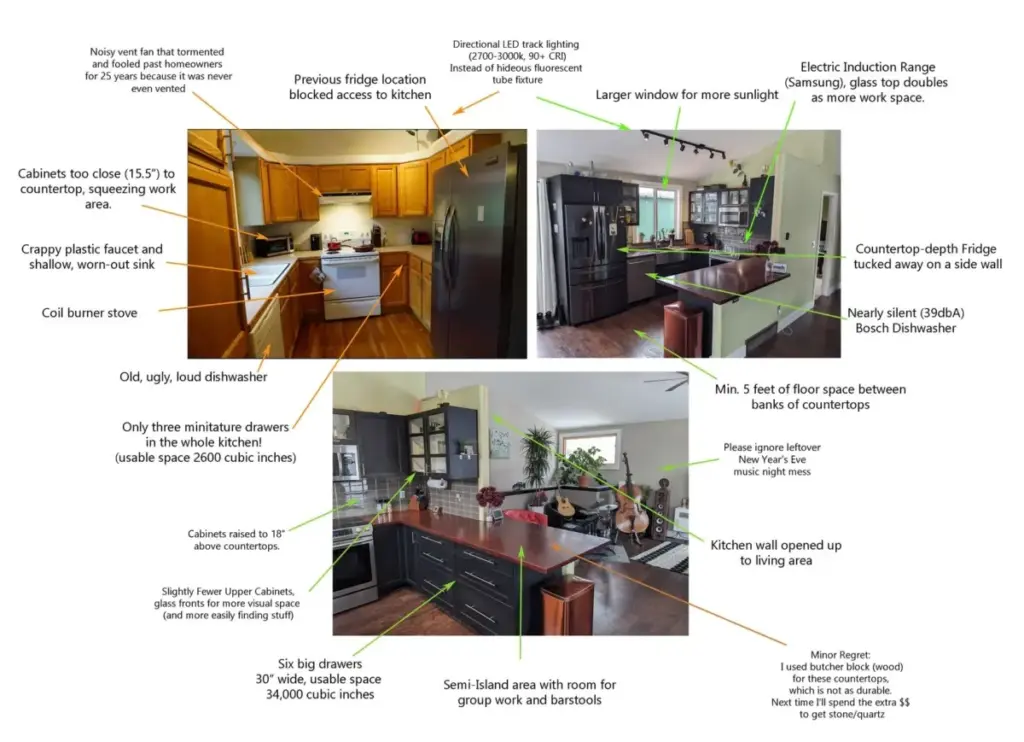
After emerging from the messy yet addictive grasp of building his seventeenth kitchen, veteran renovator and home economics commentator Mr. Money Mustache has published an extensive new report detailing the realities of residential remodeling. Standing at a newly constructed breakfast bar, the builder reflected on a pastime that spans more than two decades, offering a comprehensive look at why kitchens remain the emotional and financial epicenter of the modern home.
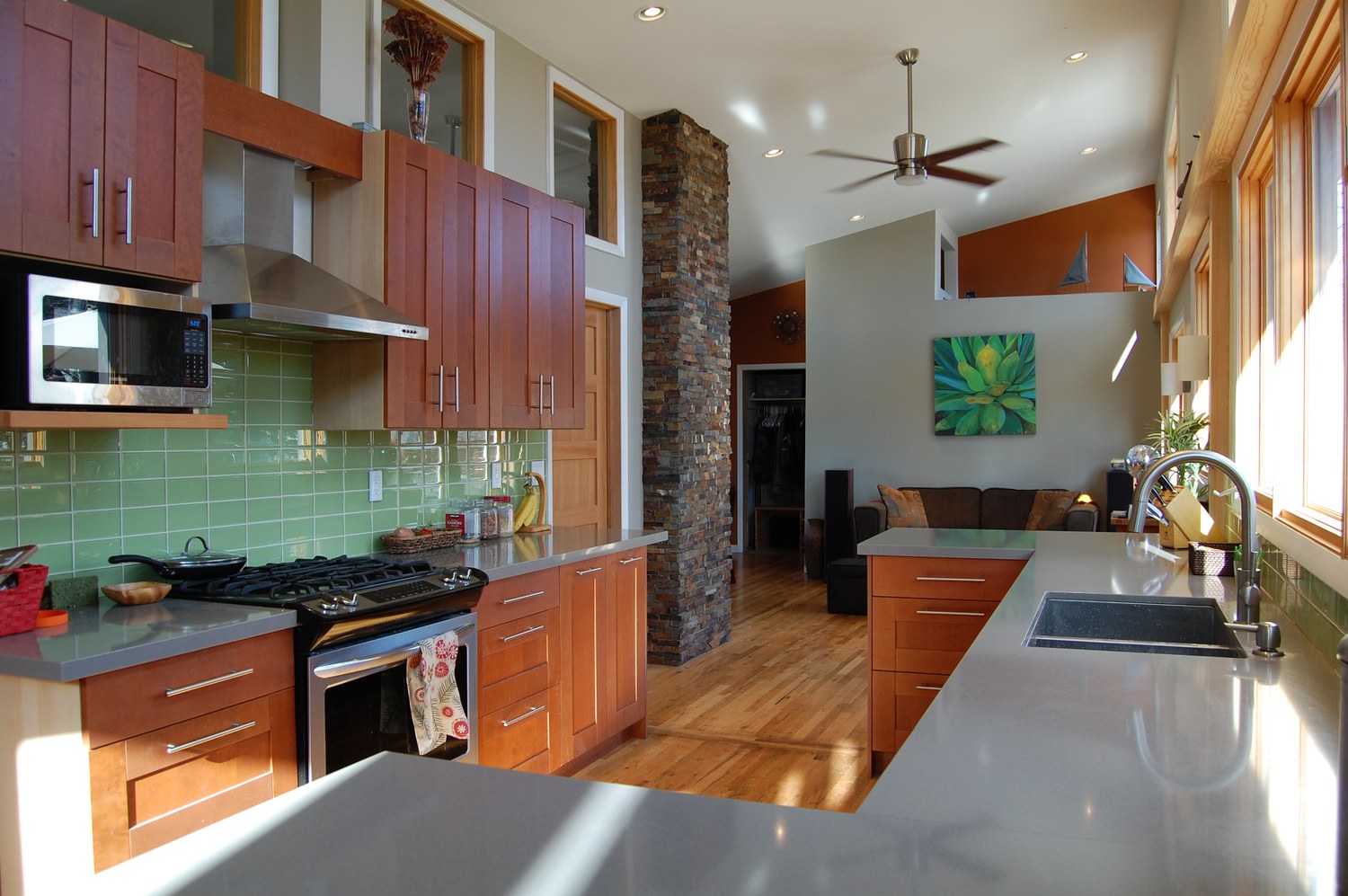
For many homeowners, housing represents the single largest expense of a lifetime. In recent years, that financial burden has exploded upward due to a severe imbalance between housing supply and demand. Aspiring buyers and current homeowners desperately want properties featuring beautiful, highly functional amenities, particularly updated kitchens and bathrooms. This intense desire frequently drives bidding wars that leave investment-minded buyers frustrated by irrational market conditions or settling for unattractive fixer-uppers out of sheer necessity.
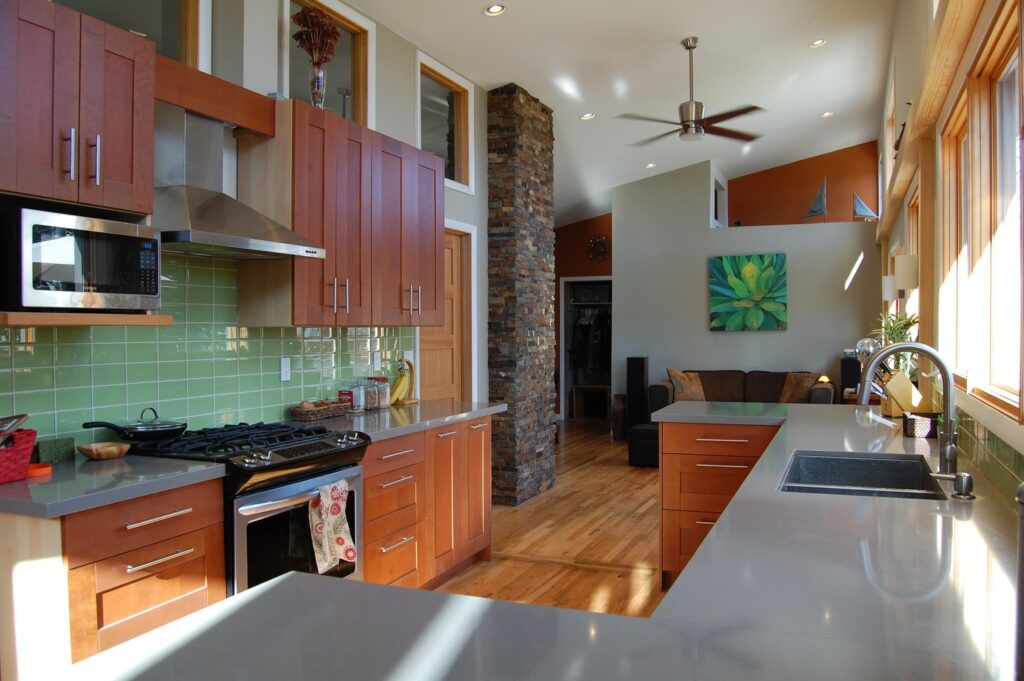
This dynamic has created a secondary crisis: a profound shortage of skilled tradespeople. While the market is saturated with flimsy sinks, leaky plastic-handled faucets, and low-grade faux-wood cabinetry, there are far too few experienced builders capable of rescuing a dated 1980s-style kitchen and catapulting it into the modern era. Consequently, finding a qualified professional willing to undertake a kitchen remodel often triggers eye-watering quotes ranging from $25,000 to more than $75,000 for a project that, while prestigious, relies on manageable core competencies.
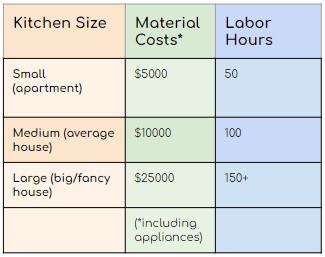
Calculations show that hiring out these projects translates to an exorbitant labor rate of between $100 and $300 per hour. Homeowners who are willing to roll up their sleeves and undertake some or all of the labor can reclaim those substantial funds for themselves. Furthermore, the financial rewards can exceed direct labor savings. Upgrading a kitchen in an active real estate market typically generates even more value than the initial out-of-pocket costs, returning capital through higher resale values down the line or increased monthly rental income for real estate investors. Real estate veterans often note that a kitchen is functionally just a larger, more elaborate version of a bathroom, meaning the acquisition of foundational building skills unlocks the ability to transform multiple core spaces within a property.
Navigating a major renovation successfully requires starting with a comprehensive view of the entire process, beginning with regulatory compliance. In most jurisdictions, securing a local building permit is mandatory if the project involves altering electrical wiring or plumbing hidden behind walls. Even in regions with more relaxed enforcement, the overarching priority must always be executing professional-grade work that strictly complies with local building codes. Ensuring that hidden infrastructure meets rigorous safety standards provides long-term peace of mind and prevents costly complications during future property transactions.
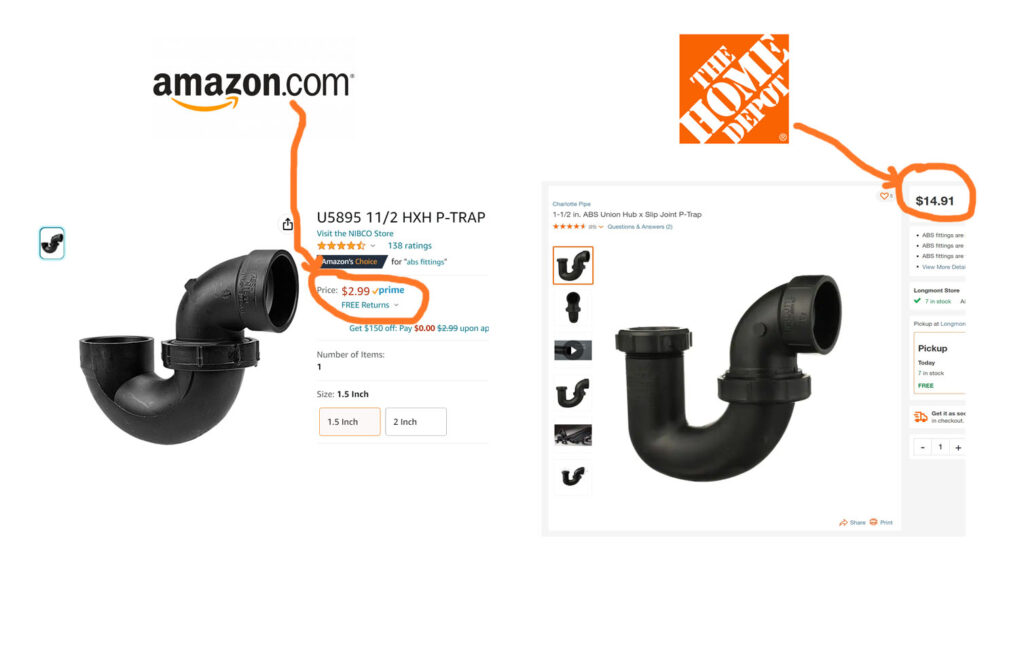
Financial planning forms the next crucial milestone. While material costs vary wildly depending on individual tastes and geographic markets, baseline budgeting requires accounting for cabinetry, appliances, flooring, and fixtures. Savvy material sourcing often dictates the success of a cost-efficient renovation. Aggressive price comparison between major home improvement retailers and online marketplaces can yield significant savings on standardized plumbing components, electrical supplies, and hardware, protecting the overall budget from sudden retail price inflation.
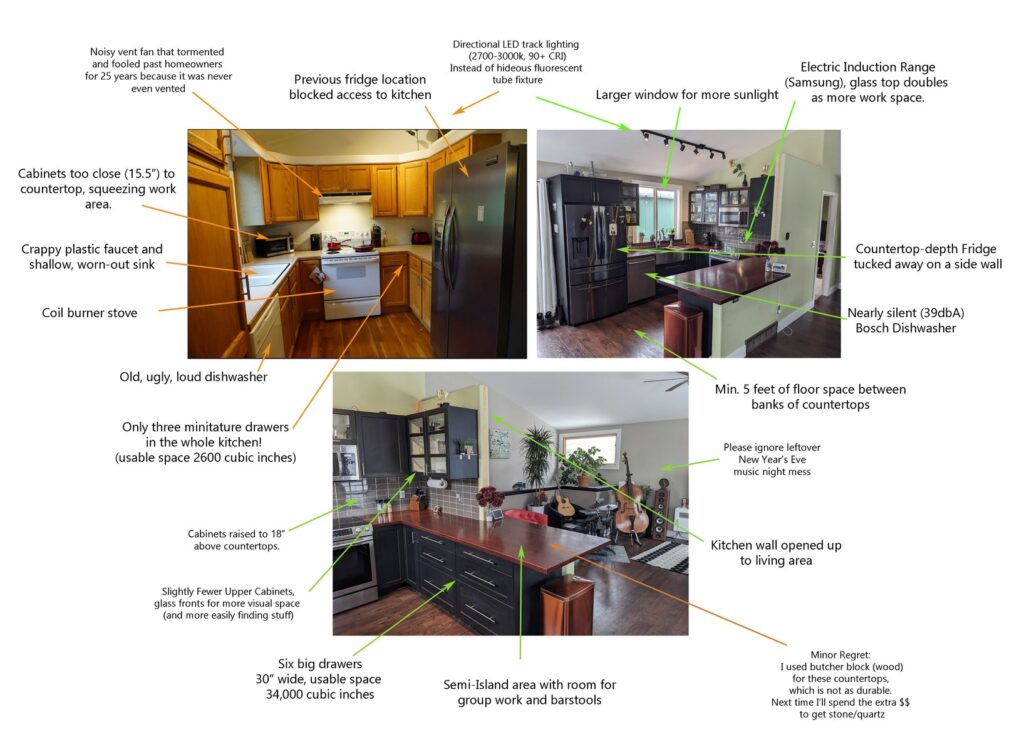
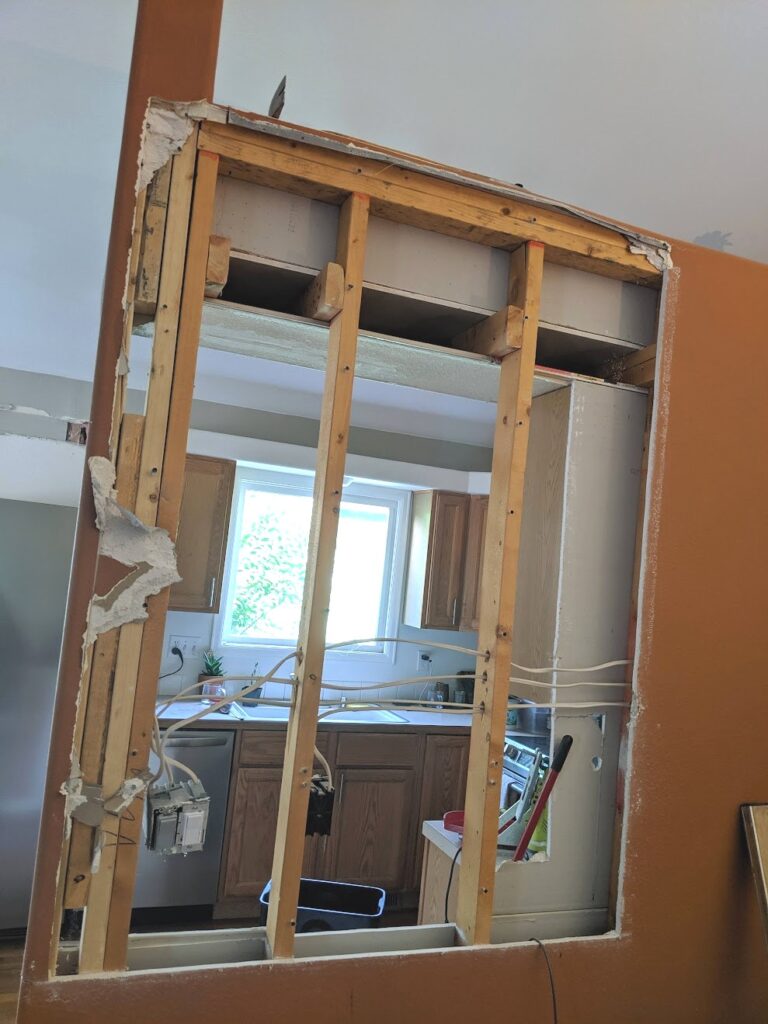
Layout optimization frequently requires addressing the architectural constraints of older homes, which were historically constructed with kitchens sequestered into cramped, isolated booths. Modernizing these older floor plans usually involves removing non-load-bearing walls that separate the cooking area from adjacent living spaces. Eliminating these barriers allows for the installation of spacious kitchen islands and creates an integrated, flowing environment. While consulting a structural engineer or experienced home builder remains the safest method for evaluating load-bearing walls, professionals generally look to exterior wall alignments, roof load distribution, and framing directions for initial guidance.

Designing the new space benefits greatly from modern digital tools. Utilizing free online 3D design software, such as kitchen planning applications provided by major furniture retailers, allows renovators to visualize spatial layouts, clearances, and cabinet configurations within minutes, bridging the gap between raw architectural dimensions and a finished aesthetic.
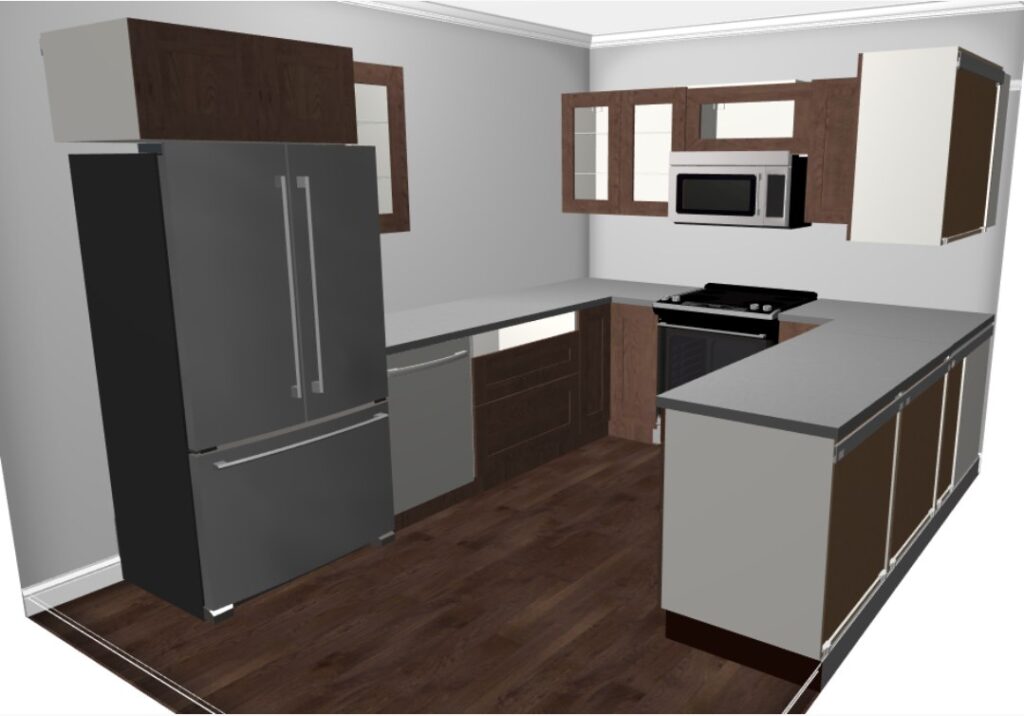
Once the layout is established, infrastructure updates involving plumbing and electrical systems come to the forefront. While leaving plumbing fixtures in their original positions minimizes complexity, modern remodeling often requires relocating sinks, dishwashers, or refrigerator water lines to accommodate an improved layout. Utilizing modern cross-linked polyethylene piping simplifies water supply rerouting, while careful attention to drainage geometry ensures proper waste removal. Similarly, electrical updates demand strict adherence to safety codes, including the installation of dedicated circuits for high-draw appliances and ground-fault circuit interrupter protection near water sources. Homeowners who feel intimidated by high-voltage wiring often find success by hiring an electrician exclusively for final panel hookups while performing the labor-intensive wire routing themselves.

Following the completion of rough-in work, hanging drywall and applying finish coats set the stage for surface treatments. Flooring choices vary depending on household durability requirements, ranging from engineered wood and luxury vinyl plank to traditional ceramic and porcelain tiles capable of withstanding heavy foot traffic from children and pets.

Cabinet installation relies heavily on precision, requiring a level, stud finder, and shims to ensure structural alignment. Modern rail-hanging systems have simplified upper and lower cabinet installation by allowing installers to anchor a heavy-duty metal track to wall studs, enabling micro-adjustments before locking individual units into place. When it comes to countertops, durable stone surfaces such as quartz or granite represent a higher upfront investment but provide long-term resilience and ease of maintenance compared to wood or tile alternatives, ultimately contributing to higher property valuations.
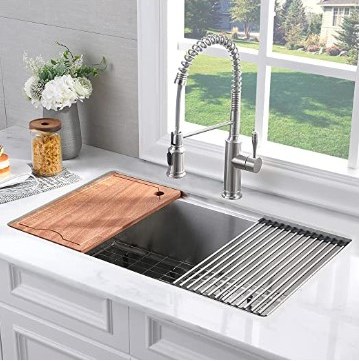
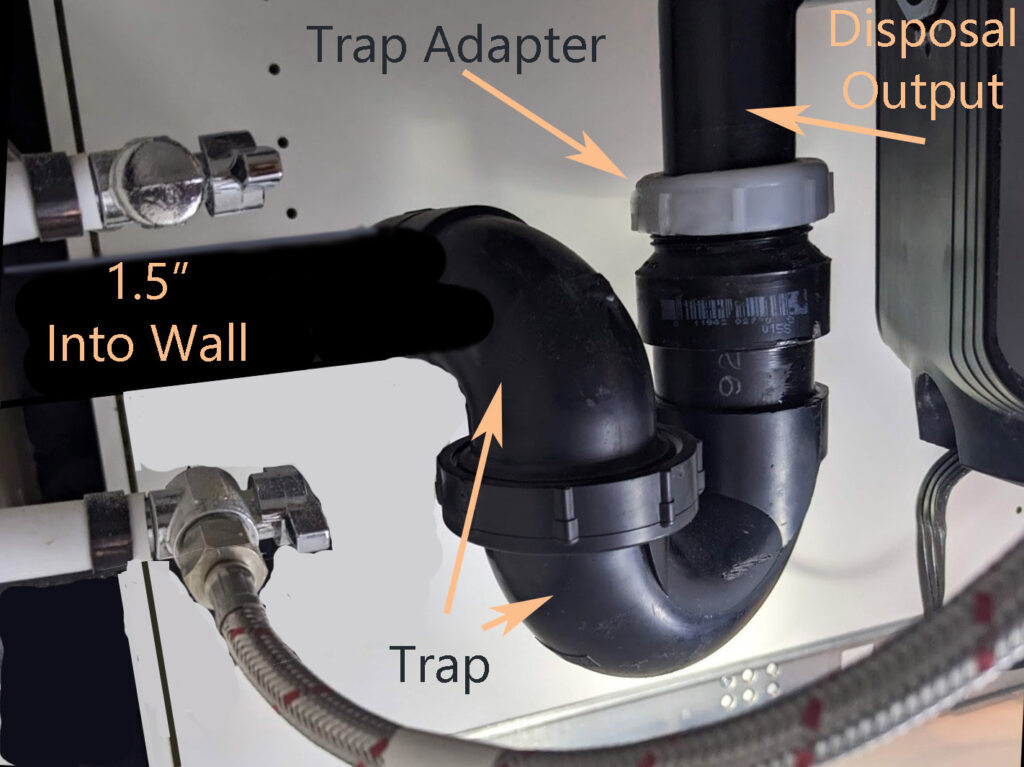
Sink and faucet selection has also evolved, with online retail platforms democratizing access to professional-grade fixtures at lower price points. Proper drain assembly beneath the basin remains critical to preventing leaks and ensuring smooth wastewater flow. Meanwhile, the appliance market offers opportunities for significant savings through used marketplaces, though caution is required when purchasing secondhand dishwashers, refrigerators, or laundry units to avoid hidden mechanical failures or weather-related freeze damage from previous outdoor storage.
The final stages of the project focus on architectural finish work, including trim installation, custom shelving, and full-height backsplashes. These finishing touches elevate the visual appeal of the space and maximize market value upon completion. By demystifying the major phases of kitchen construction, homeowners can approach large-scale renovations with greater confidence, transforming their living spaces while retaining substantial equity.