



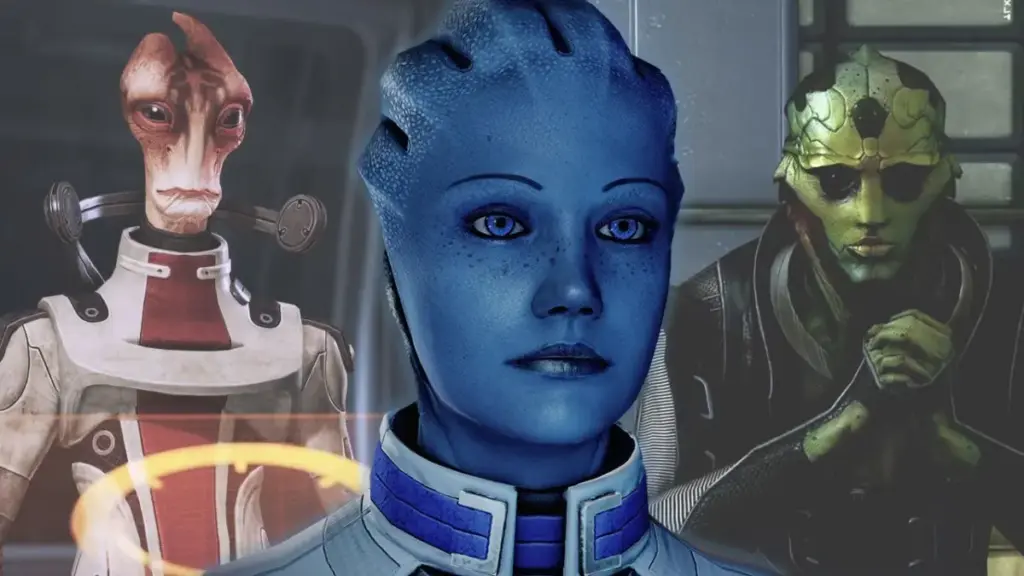
The video game industry is still reeling from the unexpected announcement that BioWare, the legendary studio responsible for shaping the modern role-playing genre, is being shut down by Electronic Arts. Amid the widespread mourning from fans and industry peers alike, former BioWare executive producer Mark Darrah has stepped forward to share his perspective on the studio’s demise and what it could ultimately mean for its treasured intellectual properties, including Mass Effect and Dragon Age.
The devastating news arrived on October 21 as part of a sweeping, major restructuring announcement from EA. While the statement brought some exciting developments for fans of franchises like The Sims, Fight Night, and Star Wars, it also delivered the crushing blow that BioWare was closing its doors, effectively ending the Edmonton workspace that had been the heart of the developer for decades.
According to EA’s official statement, the publisher had maintained a small team at BioWare working on early development for the next installment in the Mass Effect franchise. However, company leadership ultimately decided not to move forward with that development, cementing the decision to shutter the studio completely. Acknowledging the weight of the move, EA noted in its release that BioWare is a legendary studio that helped define the role-playing genre, emphasizing that the decision was not taken lightly.
The announcement hit the global gaming community with immense force. Within minutes of the news breaking, social media platforms were flooded with tributes from heartbroken fans, devastated former employees, and fellow developers sharing their grief and sending well-wishes to the staff affected by the layoffs. Yet, even as the gaming world processes the loss of one of its most influential creators of immersive storytelling, a singular, burning question has risen to the forefront of online discussions: What happens now to the rich universes BioWare spent decades building?
Naturally, speculation has run rampant across community forums and social media channels. Some passionate fans have gone so far as to publicly urge EA to sell off the dormant intellectual properties to outside companies. Among the favorites frequently cited by the community is CD Projekt Red, largely due to the mutual respect and close professional relationship the two studios have shared over the years. While nothing of the sort has been confirmed or even hinted at by corporate leadership, Darrah offered a measured dose of insight into the realistic possibilities for BioWare’s creations moving forward, striking a note of cautious optimism tempered by harsh corporate realities.

Reflecting on the situation in a detailed video discussion, Darrah pointed out the fundamental truth of corporate ownership that dictates the fate of these franchises. He reminded viewers that BioWare is one hundred percent owned by EA, meaning the publisher holds absolute rights to every single intellectual property the studio ever produced. EA owns Dragon Age, they own Mass Effect, and they own Jade Empire. According to Darrah, that ownership structure fundamentally leaves the overarching situation unchanged. With no active development teams currently working on a BioWare game within the broader EA organization—and with the distinct possibility that such a team may never exist again—the corporate landscape could theoretically shift in one of two directions.
On one hand, Darrah noted, the complete absence of internal development might make EA more inclined to part ways with the IPs by selling them off to interested third parties. On the other hand, the corporate giant might choose an entirely different path, opting instead to simply forget the franchises ever existed and bury them indefinitely in the corporate vault. Darrah suggested that observers will need to exercise patience before drawing any conclusions about EA’s long-term strategy for these dormant assets. Right now, he observed, the publisher appears to be firmly in cost-control mode. However, if the company eventually pivots toward a revenue-generation strategy, selling off beloved, established intellectual properties might suddenly become a much more desirable option for corporate leadership.
Adding another layer of complexity to the situation is the broader financial context surrounding EA itself. Back in August, EA was acquired by a consortium of private investors in a staggering and historic $55 billion deal. Reports surrounding the acquisition indicated that the massive investment group was banking heavily on future technological efficiencies—specifically the potential for artificial intelligence to help slash operational costs and manage the enormous debt incurred by the buyout.
Given the immense financial pressures facing the new ownership group, a segment of the gaming community has been left wondering whether this debt load might force a re-evaluation of valuable corporate assets. Fans are actively speculating whether the financial crunch could incentivize EA to sell off some of BioWare’s most cherished IPs to external developers, or perhaps even entertain the idea of spinning them back out to independent teams or former BioWare veterans under a different brand name.
For now, definitive answers remain completely out of reach. The only certainty in the wake of the restructuring is the profound sense of loss shared by fans and game developers alike, who are still grappling with the harsh realization that Mass Effect 5—a project many hoped would serve as a triumphant redemption for the series following previous missteps—may now never see the light of day. As the industry continues to process the end of an era, all eyes remain fixed on EA to see how the publisher ultimately decides to handle the legacy of one of gaming’s most celebrated development houses.