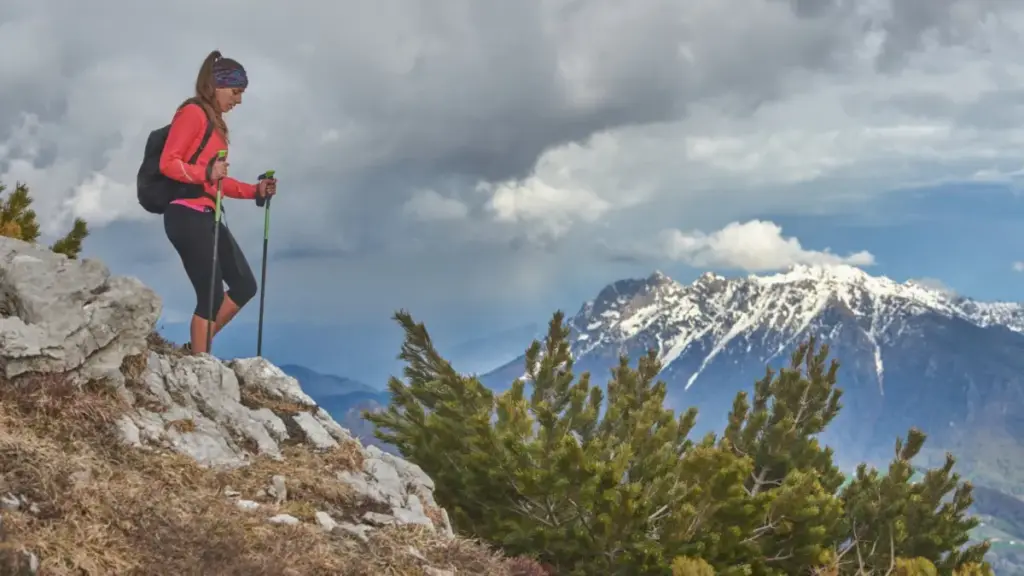
For anyone preparing for a trek into the wilderness or embarking on a multi-day journey across rugged terrain, the temptation to pack just one or two extra items is a familiar dilemma. Whether it is an extra fleece layer for an unpredictable weather forecast, an additional camera lens, or luxury camp comforts, packing the "just-in-case" gear often feels like a prudent choice. However, new scientific research suggests that overloading a hiking pack does far more than simply tire out your shoulders and back. According to a recent study, excessive backpack weight fundamentally changes how physical force is transmitted through your feet, potentially cutting a hiking trip short or triggering long-term physical damage.
The study, published in the Journal of Functional Morphology and Kinesiology, sought to measure the plantar pressure experienced by recreational hikers under varying backpack weight conditions. To better understand the implications of these findings, Outside spoke with one of the study’s lead researchers, Santi García-Cremades, PhD, a mathematician and associate professor of statistics at Miguel Hernández University in Elche, Spain. In addition, Dr. Gabriel Cooper, a podiatrist affiliated with the Icahn School of Medicine at Mount Sinai in New York City who was not involved in the research, weighed in on the specific foot injuries and medical complications associated with carrying heavy loads.
The consensus from the research and medical experts offers a clear rule of thumb for backpackers: a hiking pack should weigh no more than ten percent of a person’s body weight. Under this guideline, an individual weighing 180 pounds should carry a maximum backpack weight of 18 pounds. Exceeding this threshold, researchers warn, places unnecessary and potentially damaging strain on the body from the ground up.
"Hikers should be mindful that the effects on their feet could be felt immediately, leading them to quit the hike due to the development of a blister or more long-term problems, such as the development of arthritis of one of the many joints in their feet," Dr. Cooper explained.
How Heavy Should Your Hiking Pack Be?
To investigate the mechanical impact of heavy packs, the study’s authors recruited 39 recreational hikers staying at a hostel along the Camino de Santiago, a renowned network of long-distance pilgrimage and hiking trails spanning western Europe. At the time of recruitment, every participant had already walked a minimum of 12.5 miles during the preceding 24 hours while continuously carrying their personal hiking packs.
To measure how the load altered their biomechanics, researchers utilized the Podoprint system, a specialized flat platform embedded with sensitive pressure detectors designed to record plantar pressure—the exact physical force exerted by a person’s feet against the ground. The participants were evaluated on this platform across four distinct scenarios: standing and walking without any backpack; wearing the exact backpack they had been carrying on the trail; wearing a backpack experimentally loaded to ten percent of their body weight; and wearing a backpack loaded to 20 percent of their body weight.
The data revealed a clear threshold where the physical burden of the pack began to alter lower-body mechanics significantly.
"The key finding is very simple: once backpack load reaches around ten percent of body weight, we begin to detect significant changes in how pressure is transmitted through the foot," García-Cremades noted.
As the total weight inside the pack increased, the pressure measured across the soles of the feet rose in a progressive manner, with the most pronounced increases concentrated in the heel region. When participants carried a load equal to 20 percent of their body weight, the total static plantar pressure recorded by the sensors was nearly ten percent higher than the baseline measurements taken without any backpack at all.
What Happens to Your Feet Over Time When Your Pack Is Too Heavy?
The implications of this heightened plantar pressure extend far beyond temporary foot soreness at the end of a long day on the trail. Dr. Cooper emphasized that the continuous, unnatural stress of an overly heavy pack can precipitate a wide spectrum of acute and chronic medical conditions, ranging from painful localized skin issues to deeper structural inflammation.
"The health risks of an overly stuffed backpack can lead to any number of injuries, thereby potentially leading to the hiker quitting their hike and needing to rest for up to six to eight weeks," Dr. Cooper said.
Among the immediate hazards are friction-induced blisters that, particularly in vulnerable populations, can escalate into severe medical complications. For example, a hiker managing diabetes who develops a blister on the trail faces a situation where a routine irritation can rapidly transform into a serious foot ulcer. Such developments not only jeopardize the completion of the hike but also introduce a significant risk of deep tissue infection.
Structural and anatomical vulnerabilities are similarly exacerbated by excessive loads. Individuals with pre-existing biomechanical variations, such as flat arches, already experience atypical plantar pressure distribution during normal locomotion. When a heavy backpack is introduced, the threshold for triggering painful inflammatory conditions like plantar fasciitis is lowered significantly, making flare-ups much more likely. Furthermore, hikers living with osteoporosis—a systemic skeletal disease characterized by weakened and brittle bone mass—face an elevated risk of sustaining debilitating stress fractures in the bones of the feet due to the compounded downward force of a heavy pack.
While the study provides critical insights into the relationship between load carriage and plantar pressure, the researchers and consulting medical professionals note certain limitations in the current body of work. Dr. Cooper pointed out that the study evaluated participants walking exclusively on flat surfaces, omitting the physical dynamics of inclines and declines, which represent major biomechanical variables during typical wilderness hiking. Biomechanical factors encompass the entire range of internal and external forces acting upon the body, as well as the forces the body exerts against the terrain during physical activity. Evaluating hikers on steep ascents or descents might yield even more pronounced shifts in pressure distribution.
Additional limitations include the relatively small sample size of 39 participants and the fact that hikers were not standardized into identical footwear during the testing phase. Despite these variables, the overarching takeaway for outdoor enthusiasts remains definitive: keeping backpack weight minimal is an essential strategy for protecting the complex network of joints, bones, and soft tissues in the human foot.