


By Olivia Rosane and Cristen Hemingway Jaynes
Methane, a powerful and invisible greenhouse gas, has long operated in the shadows of carbon dioxide in public discussions surrounding global warming. Yet, it stands as the second most significant contributor to the climate crisis, acting as the primary component of natural gas, which currently generates approximately a quarter of the world’s electricity. Found everywhere from natural wetlands and the digestive tracts of livestock to residential basement furnaces, methane is a potent hydrocarbon composed of four hydrogen atoms bonded to a single carbon atom.
The gas is abundant in nature, formed through both geological and biological processes. Geologically, methane is typically created when heat and pressure act on decomposing organic matter over millions of years, forming the foundation of global natural gas reserves. It can also form deep underground without organic material through distinct geochemical reactions. Biologically, methane is generated via methanogenesis, a process where oxygen-free respiration by underwater microorganisms known as archaea produces the gas. This same biological mechanism occurs above ground in wetlands and within the digestive tracts of various animals, including termites and cows.

To understand the scale of the challenge it presents, scientists rely on two primary methods of measurement: bottom-up and top-down approaches. Bottom-up assessments begin on the ground with localized sources, calculating emissions either through direct facility measurements or estimations based on general knowledge of the emitting equipment or animal populations. For example, researchers might estimate a region’s agricultural footprint by multiplying the average methane output per cow by the total livestock population. Conversely, top-down approaches start in the sky, utilizing aircraft, high-altitude platforms, and increasingly sophisticated satellites to measure atmospheric concentrations.
As satellite technology advances, it continues to reveal super-emitting incidents that traditional bottom-up inventories frequently miss. While an energy company might estimate its emissions by applying a standard leak rate to its equipment, this method often overlooks extraordinary leaks that disproportionately drive total volume. In fact, studies show that direct measurements of U.S. oil and gas operations have yielded figures significantly higher than official U.S. Environmental Protection Agency estimates, underscoring the urgent need for improved monitoring to accurately track and control emissions.
How Methane Drives Global Heating
Once released into the atmosphere, methane acts as a greenhouse gas by absorbing heat energy emitted from the Earth’s surface and redirecting it back toward the ground. While natural sinks—such as soils and the troposphere, where methane breaks down into carbon dioxide and water vapor—traditionally balanced natural emissions, human activities since the industrial revolution have rapidly accelerated concentrations far beyond the capacity of these sinks.

By 2023, atmospheric methane concentrations had surged by 265 percent compared with pre-industrial levels, reaching 1,934 parts per billion. Approximately 60 percent of this modern burden stems directly from human activities, driving roughly one-third of current global heating. Without decisive intervention, emissions are projected to rise another 13 percent between 2020 and 2030.
The urgency surrounding methane stems from a dual reality: it is far more potent than carbon dioxide, yet it has a much shorter atmospheric lifespan of roughly 12 years compared to centuries for CO2. Over a 20-year timescale, methane traps 86 times more heat per unit of mass than carbon dioxide. This exceptional potency makes targeted methane reduction the single most effective strategy for slowing near-term global heating and stabilizing temperatures over the next two decades, with the Intergovernmental Panel on Climate Change noting that cuts of roughly 34 percent by 2030 are necessary to limit warming to 1.5 degrees Celsius.
The Primary Sources of Emissions
Human activities account for about 60 percent of atmospheric methane, with more than 90 percent of those anthropogenic emissions originating from three distinct sectors: agriculture, fossil fuels, and waste management. Natural sources, led primarily by wetlands and freshwater ecosystems, make up the remaining 40 percent.

Agriculture is responsible for roughly 40 percent of human-caused emissions, driven largely by livestock through a digestive process known as enteric fermentation, as well as manure storage. Rice cultivation in flooded paddies accounts for another significant share by creating ideal conditions for methane-producing microbes. Meanwhile, the extraction, transportation, and combustion of fossil fuels contribute about 35 percent of human-caused emissions, split between the oil and gas sector and coal mining operations. Landfills and municipal wastewater systems account for the remaining major share of human-driven emissions as microbes decompose organic waste in oxygen-depleted environments.
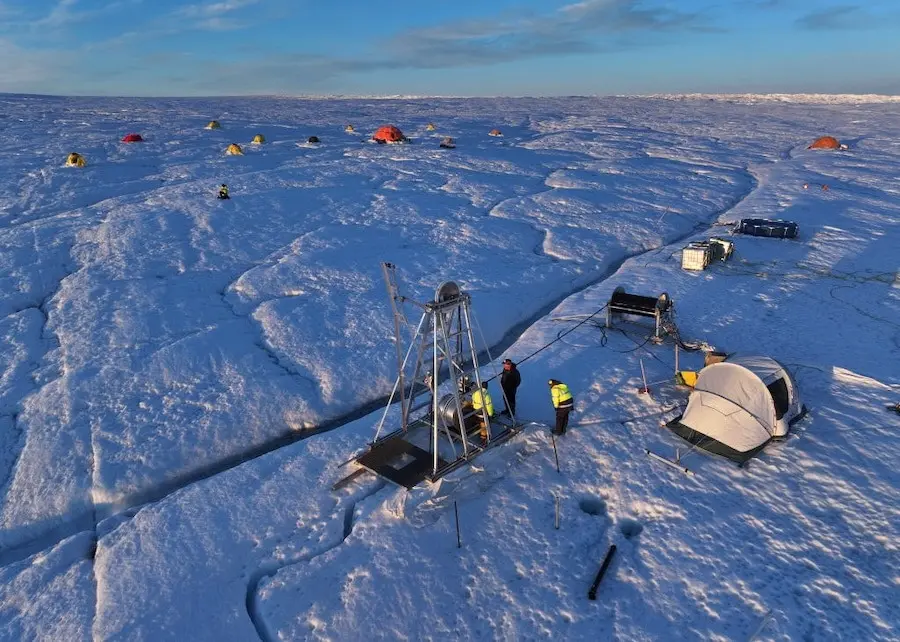
Among natural sources, wetlands remain the dominant contributor due to water-logged soils that foster methanogenesis. Climate-driven shifts in temperature and rainfall patterns have accelerated these natural emissions, particularly in tropical and permafrost wetlands. Furthermore, positive climate feedback loops—such as the thawing of Arctic permafrost and an increase in the frequency and severity of wildfires—threaten to release vast stores of previously trapped carbon and methane, further amplifying global heating.
The Bridge Fuel Debate and LNG Expansion
The rapid expansion of natural gas production, fueled by hydraulic fracturing and a boom in liquefied natural gas exports, has complicated global climate efforts. Proponents have long championed natural gas as a cleaner "bridge fuel" from coal to renewable energy, citing lower direct carbon dioxide emissions at power plants.

However, this argument frequently overlooks the significant volume of methane that leaks during extraction and transport. Studies indicate that even small percentage rates of leakage can render LNG as climate-warming as coal over near-term horizons. Furthermore, extensive build-outs of export terminals threaten to lock in high greenhouse gas emissions for decades, potentially undermining global targets to rein in global warming.
Beyond its climate impacts, atmospheric methane reacts to produce ground-level ozone, a hazardous pollutant that damages human respiratory tissue and agricultural crops. Curbing these emissions offers immediate co-benefits, preventing hundreds of thousands of premature deaths annually while safeguarding global food supplies from yield losses.
Addressing this multifaceted challenge will require a combination of systemic transformations and technical fixes across energy, agricultural, and waste sectors. While international frameworks like the Global Methane Pledge have mobilized dozens of nations around reduction targets, bridging the implementation gap remains critical to turning political commitments into verifiable, real-world emissions cuts before the end of the decade.