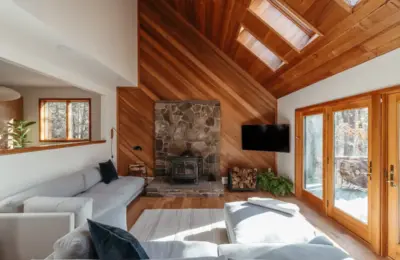



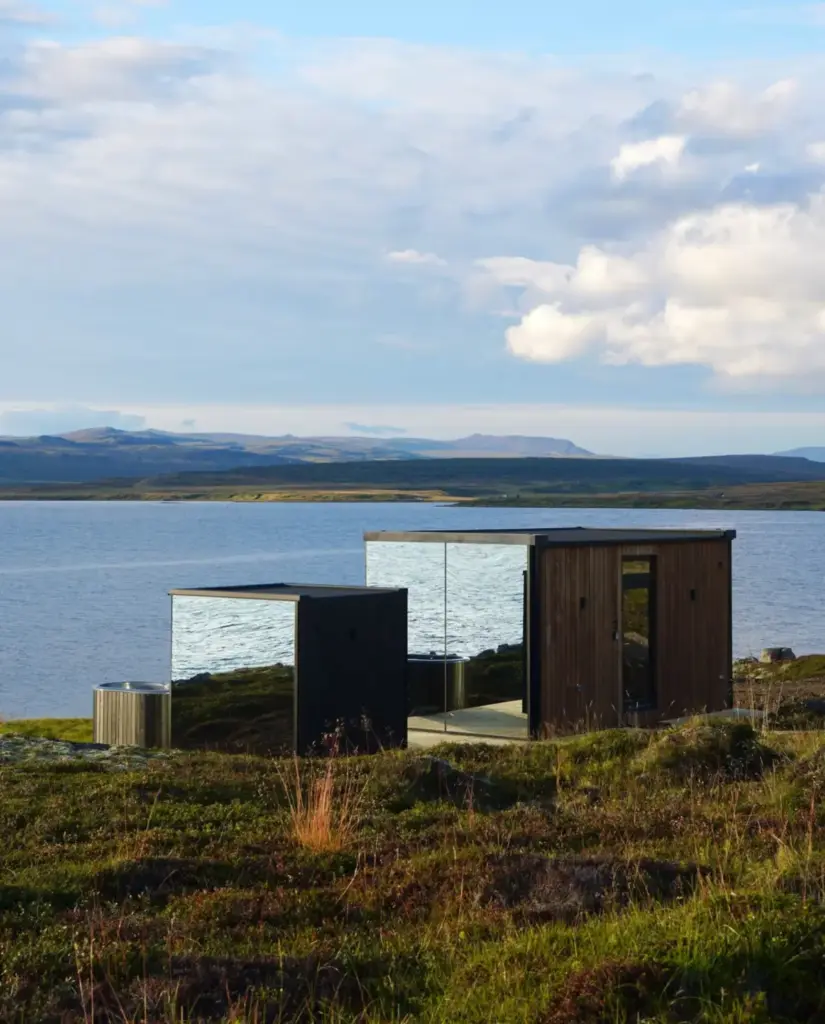
For many modern travelers, the ultimate luxury is no longer high-speed internet, 24-hour room service, or proximity to bustling downtown districts. Instead, it is the profound quiet of leaving Wi-Fi, cell service, and city lights far behind in exchange for a remote sanctuary that fosters a genuine connection with the natural world. While this concept of total isolation can strike some as a daunting nightmare, for a growing segment of the traveling population, it represents the absolute height of modern hospitality. The middle of nowhere might remain somewhat divisive in its allure, but there is no denying the profound benefits it offers to those seeking a different kind of journey.
Whether a traveler’s primary motivation is to immerse themselves in the great outdoors, embark on a journey of deep introspection, or simply accomplish some uninterrupted, distraction-free reading during an off-season getaway, remote accommodations deliver a distinct promise. These properties offer peace, quiet, and unparalleled access to untamed landscapes. For some, this looks like the jagged, wind-scoured cliffs of an Icelandic fjord, while for others, it takes the form of the lush, rolling Green Mountains of Maine. Spanning from a working vegetable farm nestled in North Carolina to the dramatic, windswept Andean peaks of Patagonia, a carefully curated selection of remote Airbnbs promises experiences unlike any other available on the traditional travel market.
Yet, redefining what it means to be truly secluded, these exceptional properties demonstrate that "remote" does not always have to translate to inconveniently out of the way. While some rentals demand deep wilderness trekking, others—such as a secluded cottage in the Faroe Islands or a rustic cabin tucked away in Tennessee—sit surprisingly close to civilization, remaining within a 20-minute drive of a major airport or city center. This thoughtful positioning offers travelers the best of both worlds: the immediate restoration of total isolation coupled with the practical convenience of accessible travel logistics.
To help travelers navigate this growing desire for unplugged journeys, a comprehensive roster of 13 remote Airbnbs has been highlighted for those seeking to intentionally disconnect from the relentless pace of the modern world. These properties cater to every conceivable level of adventure. Options range from travelers dreaming of experiencing the profound, meditative stillness of the high desert in California to those yearning to linger at the literal top of a mountain in Peru. Each featured listing has been rigorously vetted based on strict criteria, including Superhost and Guest Favorite status, overall guest ratings, specialized amenities, geographic location, historical guest reviews, and distinctive interior decor.
This emphasis on unplugged travel reflects a broader, accelerating shift in consumer behavior within the global tourism sector. Industry analysts and travel experts have increasingly noted that travel centered around digital detox is proving to be far more transformative than traditional vacation models. Rather than returning from a trip exhausted by jam-packed itineraries and the constant pressure to document every moment online, travelers are seeking out spaces that allow them to decompress mentally and emotionally. The absence of digital notifications creates a psychological clearing, allowing visitors to engage more deeply with their immediate physical surroundings and their internal thoughts.
This trend is not limited to any single geographic region or demographic. Urban professionals, creative workers, and families alike are seeking out accommodations that function as modern-day hermitages. From coastal retreats where the only sound is the rhythmic crashing of waves against ancient rock formations to high-altitude mountain cabins where the night sky blazes with uninterrupted constellations, the demand for seclusion has reshaped how people view the concept of a holiday.
At the same time, the logistics of these remote stays require a delicate balance between isolation and comfort. Property owners have responded by upgrading their off-grid infrastructure, ensuring that guests can enjoy sustainable luxuries such as high-efficiency heating, artisanal kitchen setups, and architectural designs that frame the surrounding wilderness like a living canvas. This ensures that stepping away from the grid does not require sacrificing basic comforts, making the transition smooth even for first-time off-grid travelers.
As this gallery of remote escapes continues to be updated with fresh reporting and new property discoveries, the fundamental appeal of these hidden destinations remains unchanged. Whether situated near the quiet shores of a northern island or hidden within the valleys of South America, these Airbnbs stand ready to welcome travelers who are willing to turn off their phones, step outside, and experience the world as it exists far beyond the reach of the signal bar.