



Walking into a gym for the first time can often feel like stepping onto an entirely different planet. For newcomers, the environment presents an overwhelming array of metal plate racks, unfamiliar machines, and seasoned regulars moving with a quiet confidence that clearly indicates they know exactly what they are doing. Meanwhile, a first-timer is left wondering where to store a water bottle, what half of the specialized equipment actually does, and whether anyone is noticing their complete lack of experience.
Yet, fitness experts emphasize a fundamental truth: everyone starts in that exact same position. No one walks through the doors of a fitness facility instinctively knowing how to execute a proper squat or determining the exact weight required for a chest press. Physical and mental confidence within a gym setting is not something individuals arrive with; rather, it is forged progressively, one workout at a time.
The encouraging reality for novices is that achieving a successful start requires neither a complicated training program nor years of prior athletic background. Instead, adopting a handful of foundational principles can make the critical transition months at the facility dramatically easier, far less intimidating, and significantly more effective.
One of the most common pitfalls for individuals beginning their fitness journey is arriving without a concrete plan. Beginners frequently find themselves bouncing between random machines, attempting whatever exercise the person next to them happens to be performing, or spending half of their session simply figuring out what to do next. While this erratic approach might feel productive in the moment, it rarely translates into genuine, sustainable progress.
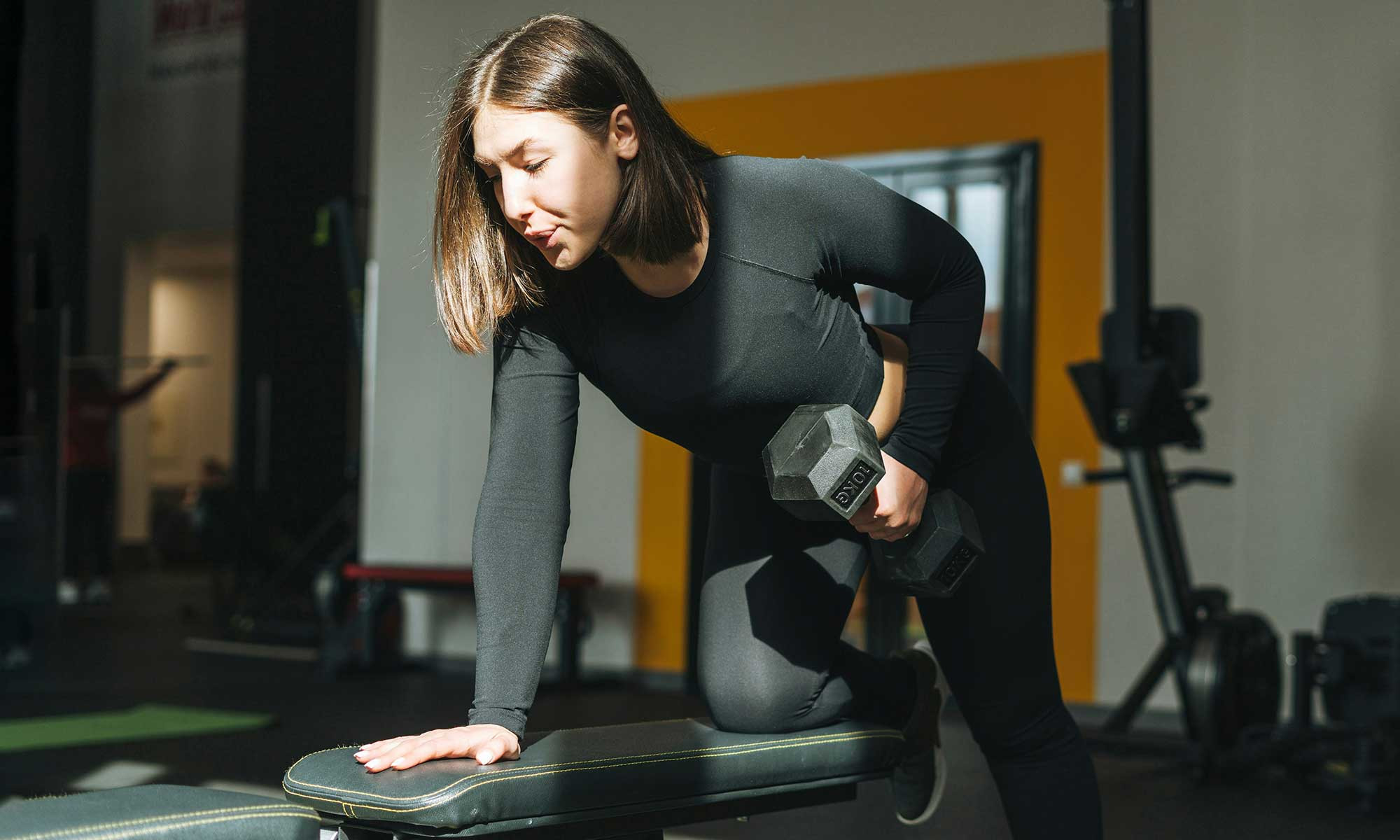
Extensive research into exercise adherence consistently demonstrates that individuals who follow structured exercise routines are far more likely to maintain long-term training habits. Having a simple plan effectively eliminates decision fatigue and provides an immediate sense of direction. Instead of spending precious energy wondering what exercise comes next, a structured approach allows trainees to simply focus on movement.
Furthermore, a structured regimen provides the necessary framework for physical adaptation. Strength and muscle growth rely heavily on the principle of progressive overload, which involves gradually challenging the body to perform slightly more than it did during the previous session. This incremental progression might entail adding a small amount of weight, completing an additional repetition, or refining physical technique. When every workout is completely randomized, tracking and achieving that crucial progression becomes nearly impossible. For beginners, structure does not need to be overly elaborate. A basic routine centered around fundamental movements, performed consistently two to four times per week, provides more than enough stimulus to begin observing tangible results.
Despite the temptation to rush through or bypass preparation entirely—particularly for those pressed for time—ignoring a proper warm-up can significantly impact physical performance. Dedicating the first five to ten minutes of a session to preparing the body serves multiple critical physiological functions. A well-designed warm-up effectively elevates core body temperature, increases blood flow to the working muscles, and lubricates the joints to prepare them for physical exertion.
Fortunately, preparing the body for a workout does not require an elaborate routine. A straightforward sequence involving light cardiovascular movement to elevate the heart rate, followed by dynamic stretches or movement-specific practice, works exceptionally well for most individuals. By the time the actual training session begins, the body has received clear physiological signals that it is time to perform.
Beyond preparation, understanding how to master basic movement patterns is essential for long-term success. Observers on any typical gym floor will frequently spot experienced athletes performing complex, multi-joint sequences, transitioning seamlessly from a deadlift into a squat and directly into an overhead press. While such displays of athleticism can look impressive, beginners are strongly advised to resist the temptation to jump straight into advanced training methods.

When starting out, it is vastly more beneficial to focus on foundational movement patterns and build confidence in simpler exercises before attempting to layer complex movements together. Nearly every traditional exercise performed in a fitness facility can be categorized into a small handful of primary movement patterns. When these foundational patterns are trained consistently over time, individuals are not merely working isolated muscles; they are actively developing coordinated, functional strength throughout the entire body. This explains why many evidence-based beginner programs revolve around a tight selection of compound movements rather than an exhaustive list of isolated exercises or complicated sequences. Mastering these core patterns early on ensures that all subsequent skill development becomes significantly more manageable.
For many beginners, navigating the free-weight area can feel particularly intimidating, making resistance machines an exceptionally valuable starting point. Machines offer fixed ranges of motion, are typically straightforward to set up and adjust, and allow trainees to focus intensely on muscle engagement without the added demand of maintaining balance.
For novices, this structural assistance makes a profound difference, as factors like grip strength or foundational stability do not prematurely limit the exercise the way they sometimes can with free weights. Instead of juggling multiple physical demands simultaneously, trainees can use machines to understand what a proper movement should feel like and identify precisely which muscle groups are supposed to be active.
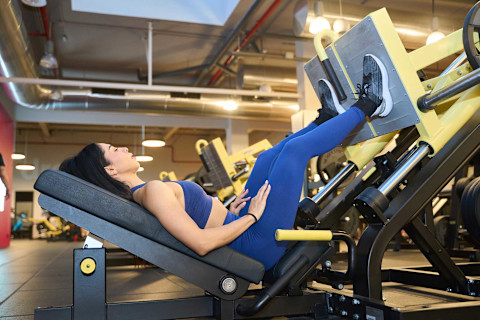
Three beginner-friendly machines appear in virtually every commercial fitness facility, each serving a distinct muscular purpose. The leg press, for instance, engages many of the same lower-body muscles as a traditional barbell squat—including the quadriceps, glutes, and hamstrings—while providing superior structural stability. By sitting securely against the pad, positioning the feet appropriately on the platform, and controlling the descent and press, trainees can safely build lower-body strength without placing undue mechanical stress on the lower back.
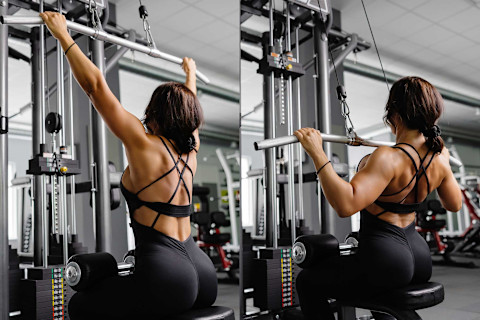
Similarly, the lat pulldown machine targets the upper back and assists in developing the pulling mechanics required for advanced bodyweight movements like pull-ups. By focusing on driving the elbows downward rather than simply pulling the bar with the arms, individuals can effectively engage their upper back musculature. Meanwhile, the chest press machine replicates the movement mechanics of a push-up with the added benefit of adjustable, controlled resistance. Maintaining proper back positioning and ensuring the handles align correctly with the mid-chest allows trainees to practice controlled pressing movements.
While resistance machines offer remarkable utility for novices, free weights eventually provide distinct physiological benefits as individuals grow more comfortable and experienced in the training environment. Dumbbells and barbells require the human body to actively stabilize the load, which recruits a greater number of supporting muscles and fosters enhanced overall neuromuscular coordination.
However, fitness professionals emphasize that machines are not inferior training tools; rather, they simply offer greater guidance and structural support, which proves invaluable when learning a new movement pattern or targeting a specific muscle group. A practical approach for developing lifters is to transition toward free-weight variations once the underlying movement pattern on a machine feels entirely natural. Many experienced lifters maintain a hybrid approach for years, utilizing machines for stability and targeted isolation work while relying on free weights for movement variety and full-body coordination.
Regarding training volume and recovery intervals, online fitness advice frequently complicates rep schemes and programming variables unnecessarily. For beginners, a straightforward, streamlined approach yields exceptional results and proves far easier to maintain consistently. A practical template involves completing moderate repetitions per set, utilizing a weight that feels genuinely challenging by the final few repetitions without compromising physical form.
If a trainee completes a set and feels capable of performing numerous additional repetitions with ease, the selected resistance is likely too light. Conversely, if proper form breaks down before reaching the target rep range, reducing the load is both appropriate and encouraged. Quality repetitions executed with pristine form will always supersede heavier weights performed incorrectly.
In addition to exercise selection and execution, mastering basic gym logistics and etiquette contributes significantly to a comfortable training experience. Packing a minimalist gym bag containing essentials like a water bottle, a small towel, and a pre-planned workout list removes unnecessary uncertainty upon arrival. Walking onto the floor with a clear schedule allows individuals to transition purposefully from one exercise to the next.
Understanding unwritten gym etiquette—such as wiping down equipment after use, re-racking weight plates properly, and respecting the personal space of other patrons—ensures a harmonious environment for everyone. When waiting for a piece of equipment during peak hours, politely asking how many sets a fellow member has left is standard practice, with many regular gym-goers happily permitting others to work in between their sets.
Despite high initial motivation, common pitfalls often threaten to derail newcomers. A frequent mistake is attempting to copy the advanced routines of seasoned lifters too early in the process. While modeling experienced athletes may seem logical, those individuals have typically accumulated years of progressive training. Novices must keep their focus centered squarely on foundational mechanics and gradual progress.
Similarly, doing too much too soon often results in debilitating muscle soreness and potential injury. A balanced frequency of two to four workouts per week provides ample stimulus for a beginner to adapt and grow stronger, especially when paired with adequate rest, proper nutrition, and sufficient sleep. Because muscular adaptation and strength development occur primarily during the recovery phase outside the gym, respecting rest days is just as crucial as the physical training itself. In the long run, consistency consistently outperforms short-lived intensity, establishing a sustainable routine that endures over time.