


Whether navigating a steep mountain trail or riding over uneven singletrack on a bicycle, outdoor athletes rely heavily on a sturdy physical foundation. While conditioning conversations typically center on cardiovascular endurance, muscular power, and agility, bone health remains an equally critical component of athletic longevity. Unfortunately, skeletal strength is frequently overlooked until an injury forces the issue.
A comprehensive study published in the BMJ journal sheds fresh light on the importance of prioritizing bone mineral density (BMD) and demonstrates how everyday activities can actively slow down the natural, age-related decline of skeletal mass. Bone mineral density measures the precise concentration of minerals packed within the skeletal structure. Higher mineral content equates to greater density, which ultimately lowers the risk of fractures under high-impact conditions.
“Bone is living tissue and responds to stress and load, so regular weight-bearing activity and resistance exercise are important for maintaining bone health as we age,” says Lori Diamos, MS, PT, FAFS, a physical therapist and founder of PT Pearls, a Chicago-based physical therapy practice.
The findings arrive at a crucial time for active adults, hikers, and endurance athletes who subject their skeletal systems to repetitive loads and unpredictable outdoor environments. Understanding the mechanics of bone health and the specific types of movement required to maintain it can help athletes protect their bodies over decades of training and recreation.
Moderate-Intensity Exercise Keeps Bones Healthy
To better understand how physical activity influences skeletal integrity, the researchers behind the BMJ study examined an extensive body of data. They analyzed findings from 124 separate clinical trials encompassing a total of 18,429 participants aged 40 and older. The primary objective was to determine which specific categories and volumes of physical exercise are most effective at preserving bone density and preventing debilitating fractures later in life.
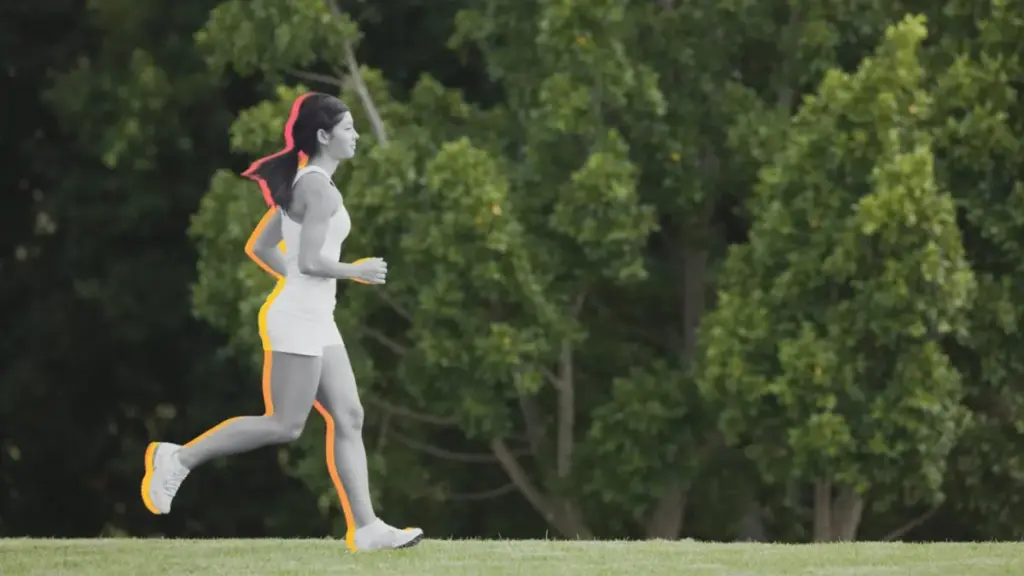
The analysis revealed that committing roughly two to three hours per week—translating to a manageable 20 to 25 minutes a day—of brisk walking, jogging, or comparable moderate-intensity movement provides substantial protective benefits. For individuals aged 40 and above, this consistent volume of activity helps slow the natural, progressive loss of bone mineral density associated with the aging process.
The research also highlighted the distinct ways different anatomical regions respond to various forms of exercise, giving athletes a clearer picture of how to tailor their routines. When researchers evaluated data concerning protection for the spine, they discovered that brisk walking, jogging, and combined programs featuring both aerobic and resistance training proved effective.
For the thigh bones, effective strategies included brisk walking, jogging, and mind-body disciplines such as Tai Chi or yoga. Meanwhile, brisk walking and jogging emerged as particularly beneficial modalities specifically for protecting the hip bones. Furthermore, the practice of mind-body exercises was associated with an approximate 42 percent lower risk of overall fractures among the studied populations.
Despite the breadth of the data, the study’s authors noted a notable demographic limitation. Information regarding race, ethnicity, and socioeconomic background was rarely reported across the analyzed clinical trials and consequently could not be fully incorporated into the final evaluation. The researchers acknowledged this gap as a distinct limitation when attempting to assess equity in how exercise influences bone health across diverse demographic groups.
Why Good Bone Health Benefits Hikers and Other Outdoor Athletes
The biological mechanisms connecting exercise to stronger bones rely heavily on physics and cellular response. Walking, jogging, and similar weight-bearing movements create repetitive ground reaction forces. As an athlete moves, these forces travel directly through the skeletal structure, mechanically stimulating specialized cells to promote new bone growth, explains Susie Reiner, PhD, an assistant professor of exercise and sport science at Seton Hall University and founder of TheoryEx, a sports science consulting firm.
Beyond direct skeletal impacts, muscular contractions operating against external resistance exert powerful physical forces on tendons, ligaments, and bones. Reiner points out that these forces play a vital role in preserving and actively improving overall bone mass over time.
For outdoor athletes, the protective benefits extend beyond simple density metrics into the realm of functional movement and injury prevention. Diamos notes that practices like yoga and Tai Chi incorporate continuous body-weight resistance while simultaneously challenging mobility, stability, balance, core control, and coordination.
The natural world is inherently unpredictable, presenting terrain where surfaces, slopes, and footing can change abruptly. An outdoor athlete may need to scramble upward, navigate a steep descent, step across a gap, balance momentarily on one leg, or rapidly recover equilibrium following an unexpected misstep.
Lower bone mineral density leaves athletes significantly more susceptible to painful stress injuries and traumatic fractures. This vulnerability is magnified when falls represent an unavoidable risk associated with navigating rocky ground, slippery roots, and unstable, wet surfaces out on remote trails, Reiner adds.
Training the physical body across a wide variety of different positions and movement directions equips the musculoskeletal system with a broader repertoire of movement patterns to draw from when unexpected situations arise in real life, according to Diamos. Possessing a dense, robust skeletal framework provides the essential structural foundation required to safely tolerate those repeated environmental stresses and physiological loads.
Ultimately, building and preserving strong bones does not require grueling, highly strenuous regimens or massive investments of time. One of the most common obstacles physical therapists encounter among busy adults is the persistent misconception that exercise only yields physiological value if it is exceptionally long or punishingly intense.
For most individuals, dedicating just 20 to 25 minutes each day to moderate, targeted movement feels far more approachable, sustainable, and realistic for long-term health and athletic longevity.