
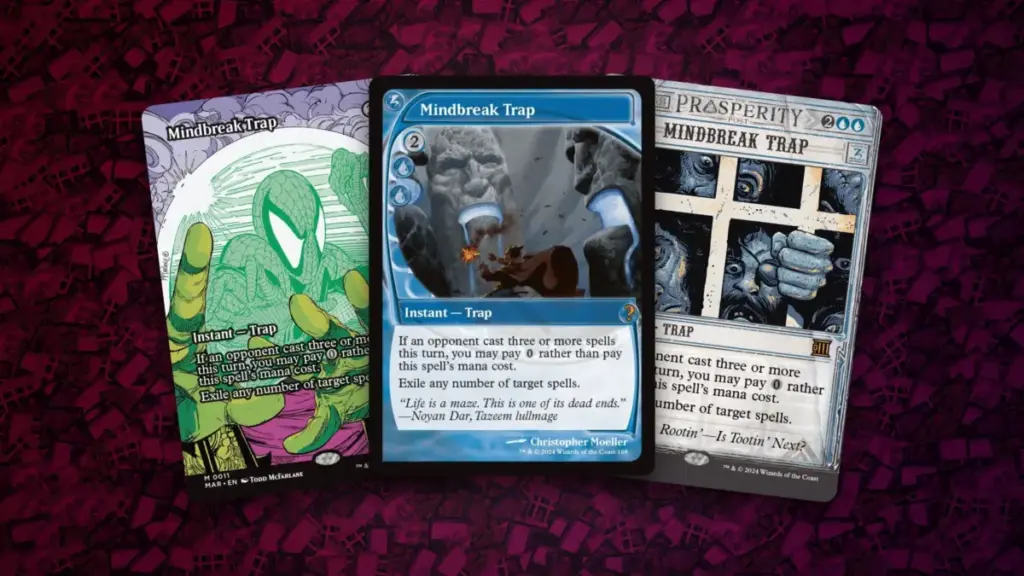
Few feelings in Magic: The Gathering rival untapping your blue mana, passing the turn with a full hand, and watching your opponent wonder how many counterspells you are ready to fire off. Counterspells are far more than a defining component of blue’s core color identity; they serve as the ultimate psychological weapon, transforming every spell an opponent casts into a calculated risk. Over 30 years of game design, these cards have evolved from straightforward two-mana hard answers into format-policing safety valves, color-pie-shattering oddities, and zero-mana emergency brakes that define entire competitive environments.
Separating casual staples from the absolute ceiling of power requires measuring raw mana efficiency, card advantage, and format-warping dominance across Legacy, Vintage, Modern, and Commander. From game-ending tempo swings to free-pitch spells that keep competitive formats honest, these are the 10 best counterspells in Magic history, ranked by their lasting impact on the game.

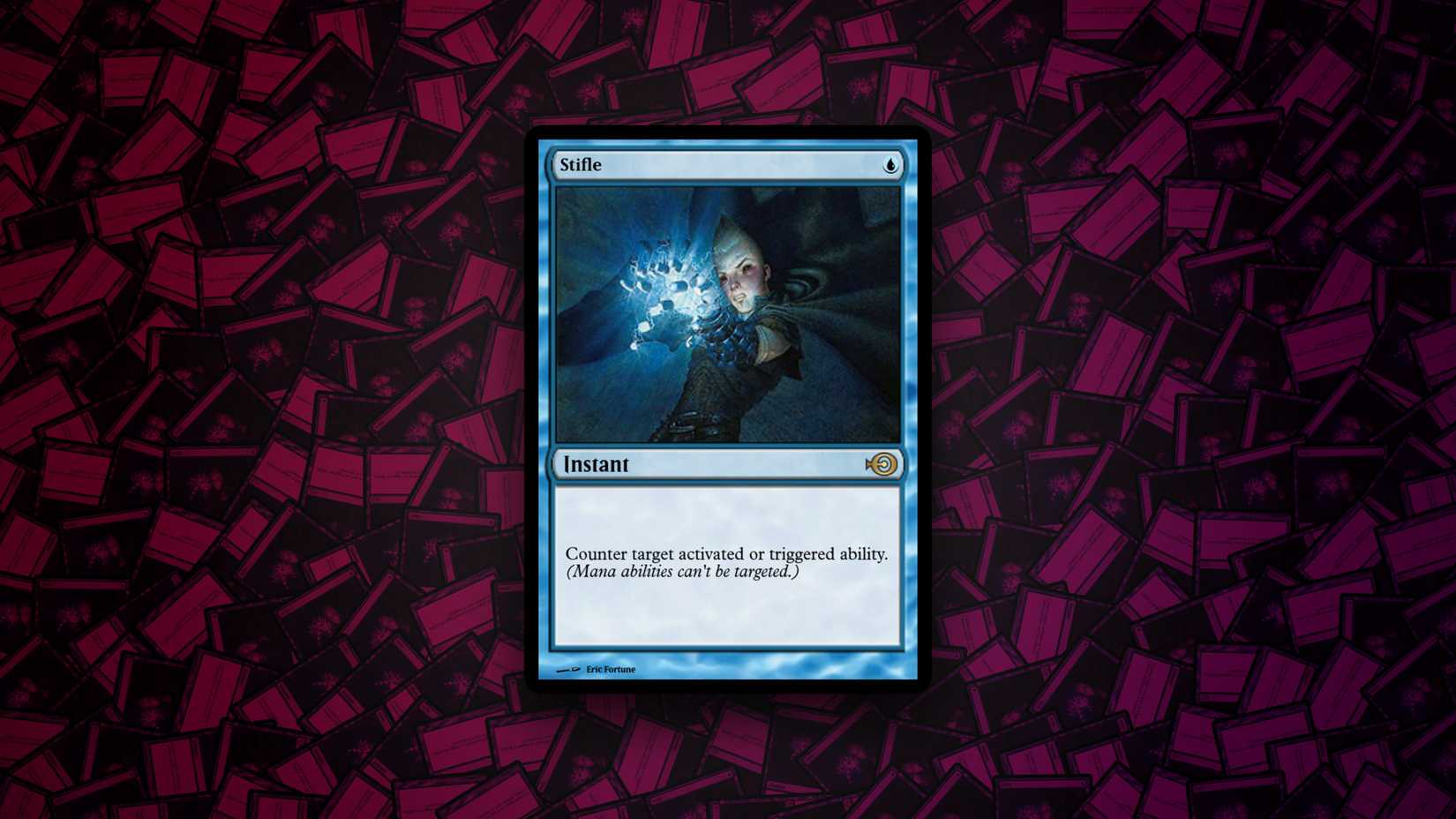
Stifle
While it does not technically counter a spell, Stifle remains among the most high-powered cards capable of completely changing a turn or an entire game. Its ability snipes down a triggered or activated ability for a single blue mana, though it notably excludes mana abilities. Beyond its early mana-denial strategies—such as tamping down fetch lands like Polluted Delta and Scalding Tarn—Stifle also serves as a critical silver bullet against format-warping win conditions.
When a Thassa’s Oracle trigger hits the stack to end the game, or a lethal Grapeshot storm trigger threatens to erase your life total, traditional permission spells are entirely useless. Stifle intercepts the game precisely where it breaks, proving that stopping an ability on the stack is often the most reliable way to survive an otherwise unwinnable scenario.
Red Elemental Blast / Pyroblast
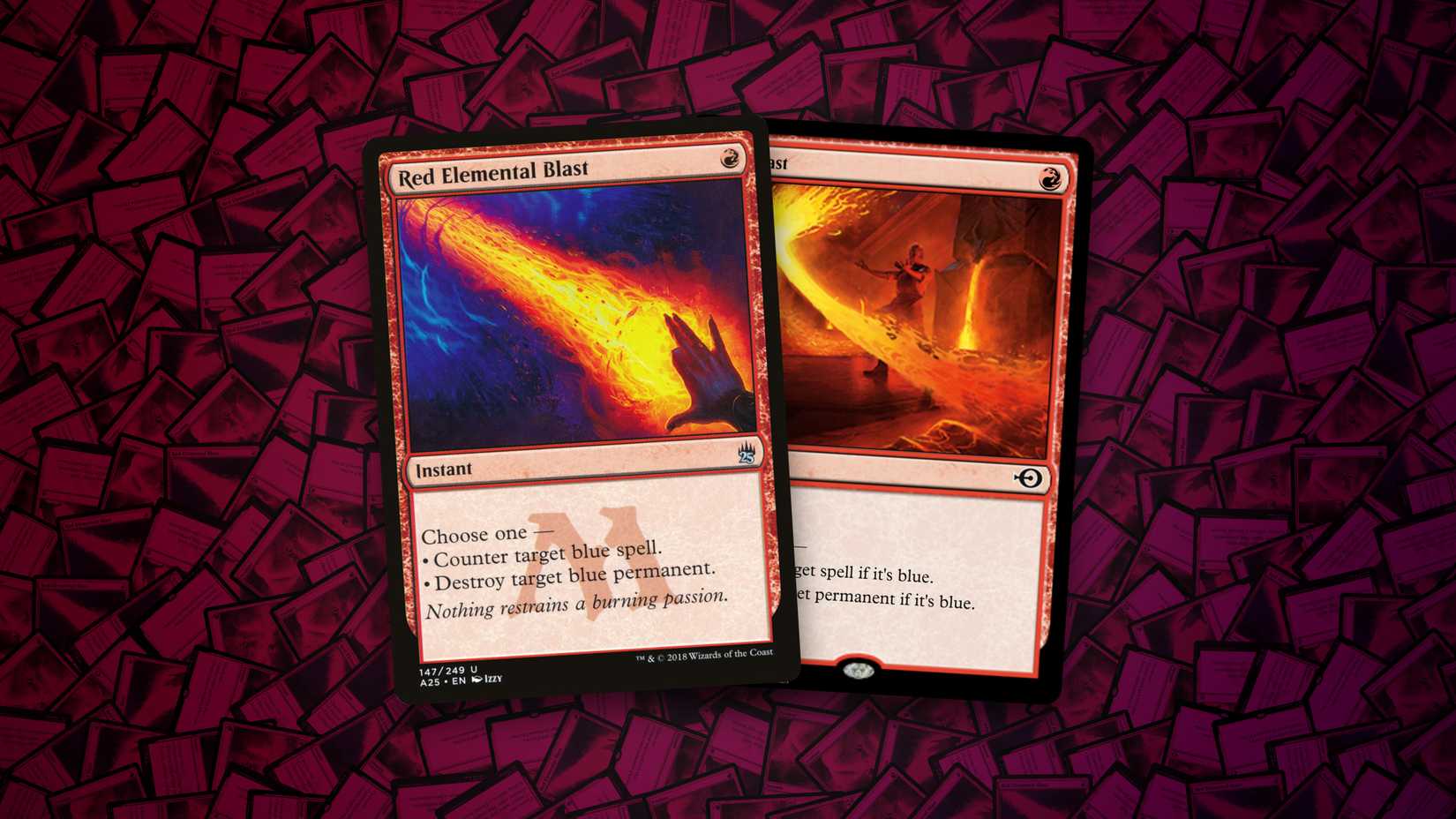
Magic is fundamentally defined by the color pie, a rigid set of boundaries dictating what each slice of the magical spectrum can accomplish. Red is historically the color of chaotic emotion and aggressive reach, while blue holds a near-monopoly on stack interaction. Tucked away in the game’s earliest sets are the most efficient color-pie breaks in existence: Red Elemental Blast and Pyroblast. For a single red mana, both cards let a player either counter a blue spell or destroy a blue permanent.
In formats like Legacy, Vintage, and Commander, where blue is indisputably the most powerful and omnipresent color, these one-mana answers are mandatory for aggressive protection. Both cards allow hyper-aggressive red strategies to force their plays through a wall of blue permission or instantly answer game-ending threats like a resolved Rhystic Study. They stand as red’s defiant response to blue’s dominance, offering hyperefficient answers that fundamentally warp how players navigate the stack.
Mindbreak Trap
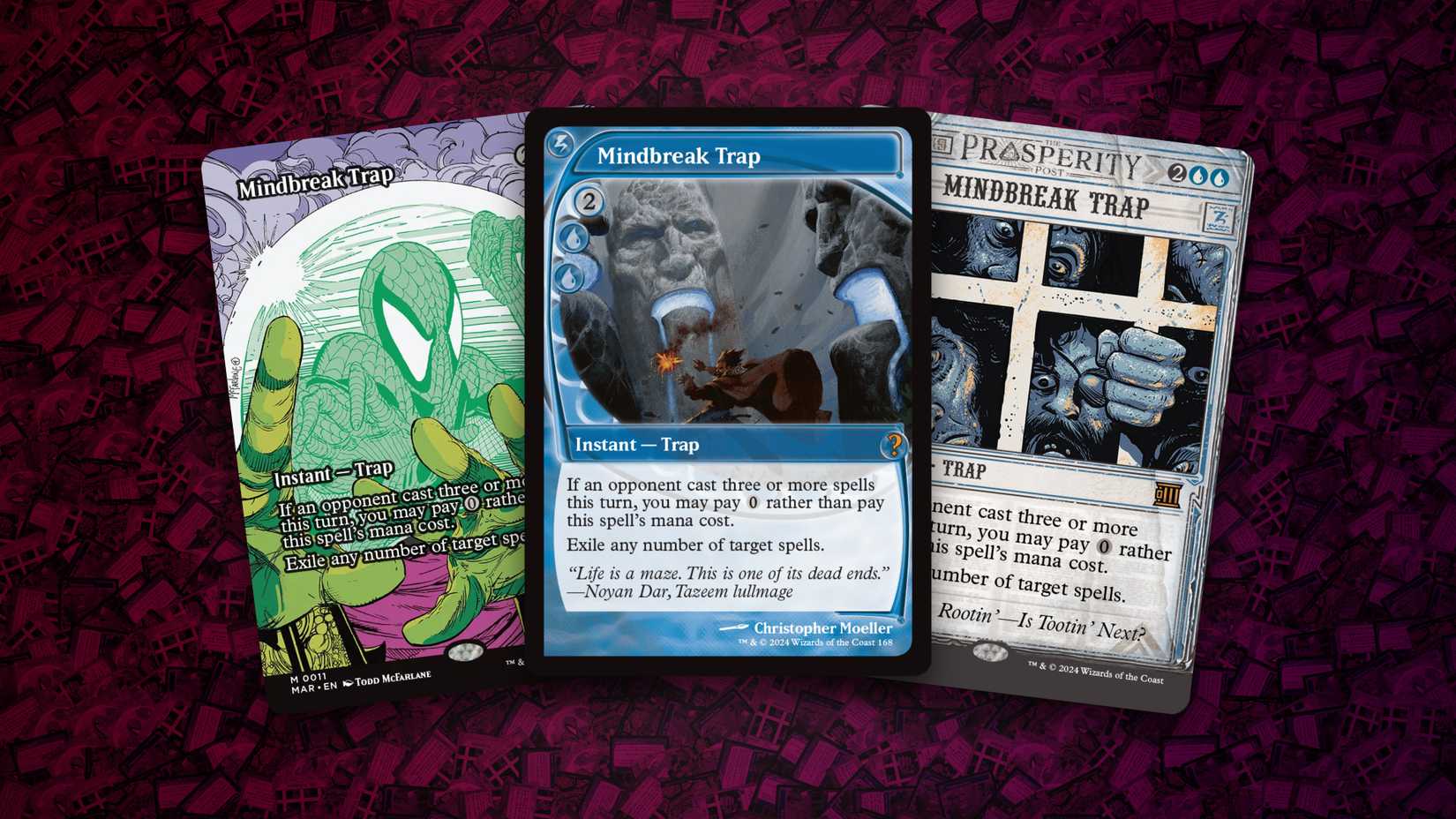
There are moments in high-level Magic when traditional permission simply cannot save you. When an opponent casts a game-ending threat that explicitly reads "this spell cannot be countered," or unleashes a Storm sequence putting twenty lethal copies of Grapeshot onto the stack, a standard Counterspell is completely useless. Enter Mindbreak Trap. The beauty of this Zendikar staple lies in its specific wording: it does not "counter" anything. Instead, it exiles target spells directly from the stack, completely ignoring uncounterable clauses and elegantly wiping away a chaotic stack of triggers in one fell swoop.
Even better, if an opponent has cast three or more spells in a single turn—a trivial occurrence for combo decks attempting to go off—Mindbreak Trap can be cast entirely for free. It serves as the ultimate zero-mana emergency brake for a format spiraling out of control.
Pact of Negation
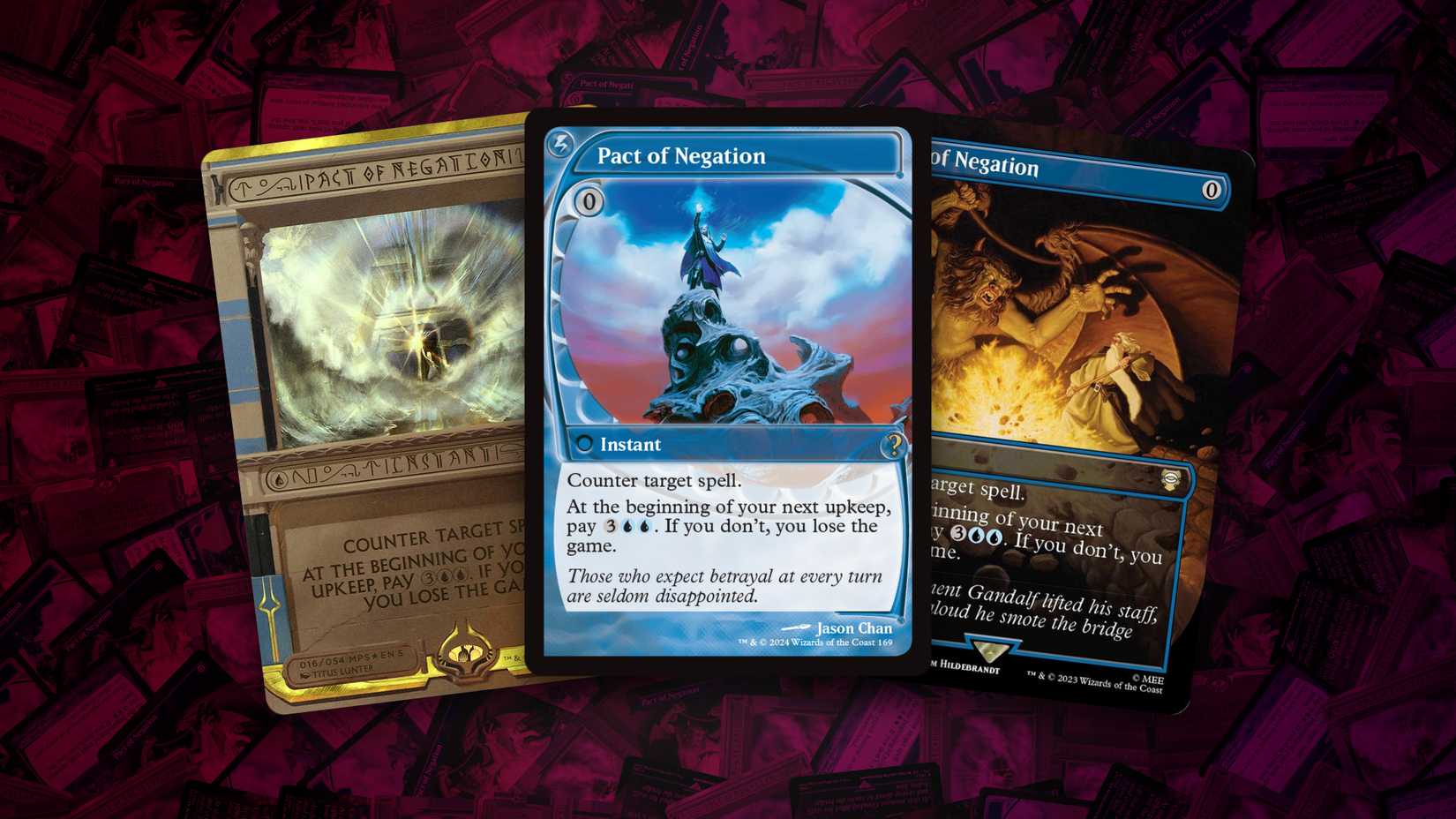
The concept of paying for a spell later in the game is inherently dangerous, but Magic’s most resilient combo players understand that the next turn does not matter if the game ends right now. Pact of Negation offers the ultimate Faustian bargain, allowing a player to counter any spell for zero mana upfront, backed by the staggering drawback of forcing a five-mana payment on their next upkeep or immediately losing the game.
For slow control decks, this requirement is a horrific liability. However, for aggressive combo strategies like Ad Nauseam or Underworld Breach loops, it is the cleanest protection ever printed. It allows these decks to tap completely out, funneling every drop of mana into their win condition, safe in the knowledge that they can stop any incoming disruption. The upkeep trigger is purely hypothetical; by the time the bill comes due, the opponent is long defeated.
Force of Negation
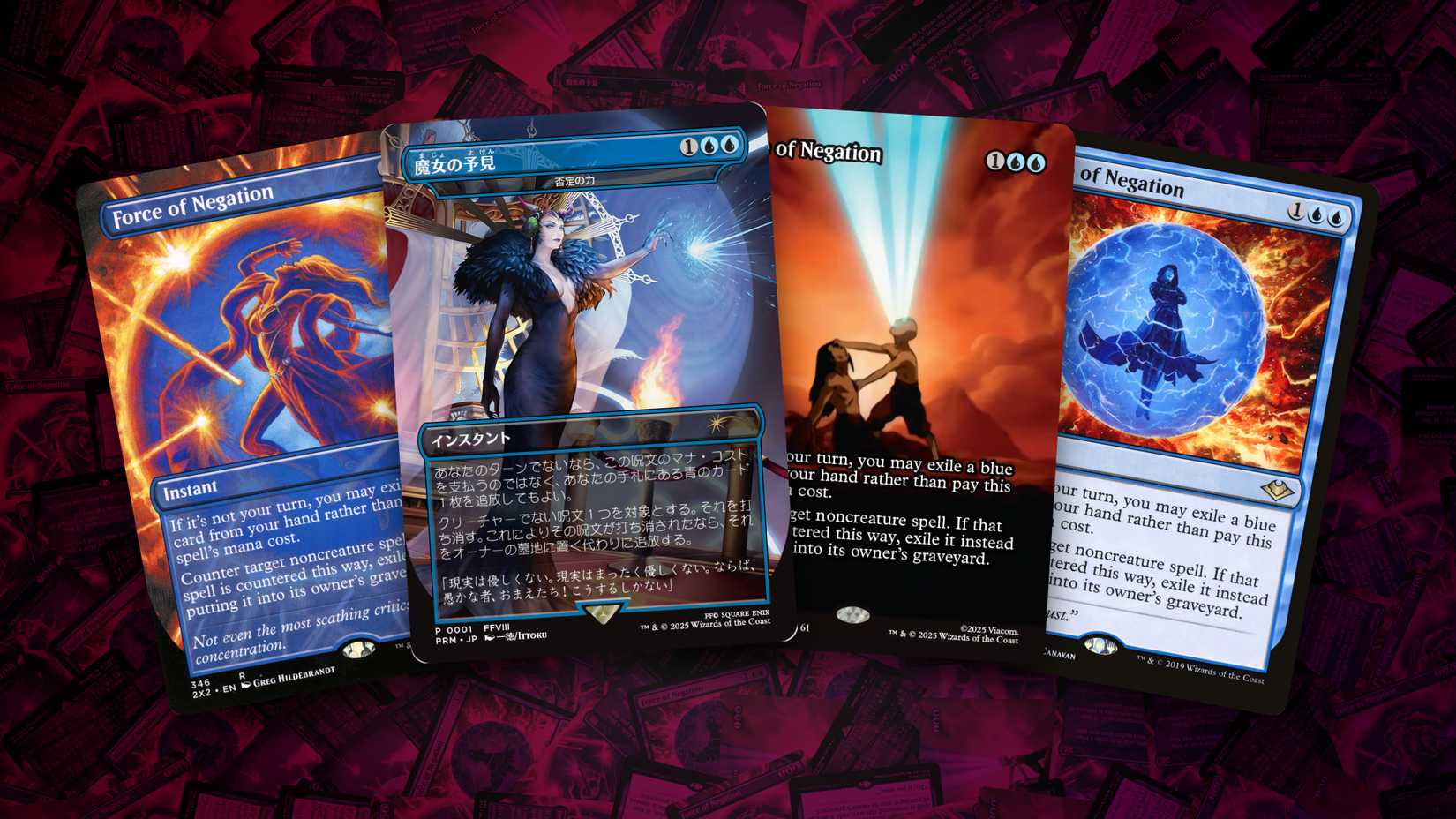
When Modern Horizons launched in 2019, Wizards of the Coast faced the delicate balancing act of introducing a free counterspell to keep degenerate combo decks from winning on turn two, without printing the original Force of Will and creating a control-dominated nightmare. The solution was Force of Negation, a masterclass in card design that perfectly threads the needle of format health. By allowing players to pitch a blue card and cast it for free only during an opponent’s turn, it functions entirely as a defensive safety valve.
Crucially, Force of Negation exiles the spell it answers, completely shutting down graveyard-centric strategies and preventing degenerate recursion loops. It instantly became a pillar of competitive play, policing the most aggressive strategies in the game while demanding a strategic approach to protecting your own threats on your own turn.
Flusterstorm
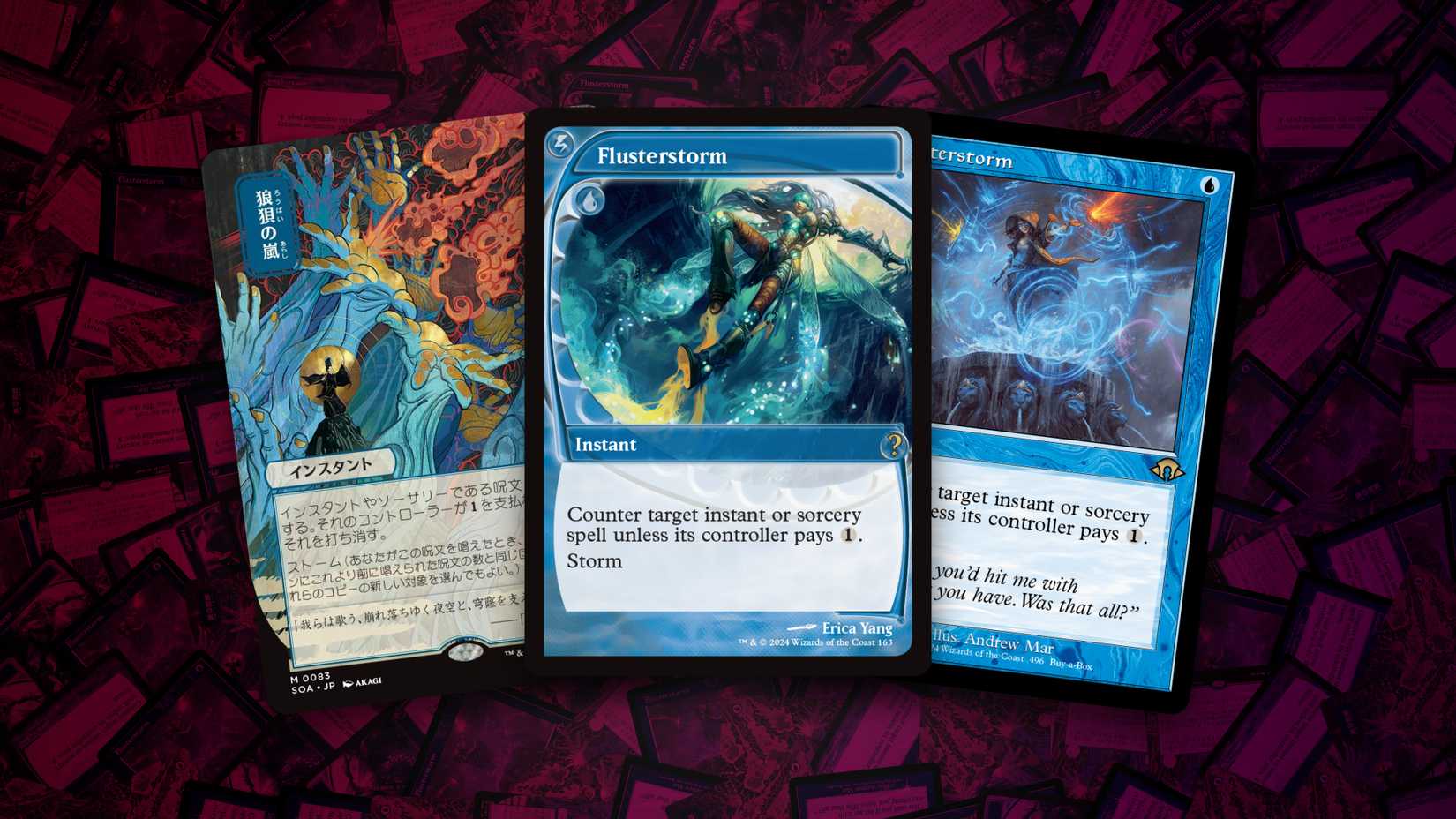
Counterspell wars represent the highest-stakes moments in eternal formats. The stack begins to look like a chaotic Jenga tower of instant-speed interaction, with players fighting desperately over a single pivotal spell. In such complex battles, Flusterstorm is the undisputed trump card. On its face, it is a simple one-mana conditional counter for an instant or sorcery. However, because it utilizes the Storm mechanic, Flusterstorm creates a separate copy of itself on the stack for every single spell cast before it that turn.
If an opponent tries to force a play through with a ritual, a tutor, and their primary win condition, a single Flusterstorm suddenly spawns four or five separate triggers. It is mathematically impossible for an opponent to pay the one-mana tax for every copy, making it an airtight, nearly uncounterable finisher for the game’s most complex stack interactions.
Fierce Guardianship
Commander evaluates cards fundamentally differently than traditional competitive Magic. Given that you start with a legendary creature in the command zone, synergy with that specific creature dictates a card’s viability in a deck. In 2020, Wizards of the Coast printed a cycle that shattered those traditional evaluations forever, with Fierce Guardianship serving as a prime example. While its three-mana main cost might seem like a high price to pay for a counterspell, controlling your Commander allows you to cast it for free to counter any noncreature spell.
In a multiplayer format dictated by explosive mana rocks, game-ending enchantments, and board-wiping sorceries, holding up a free hard-counter without leaving a single land untapped provides an overwhelming tactical advantage. Fierce Guardianship removes the tension of deciding between developing your board state and holding up interaction, making it a mandatory slot in nearly every blue deck.
Mental Misstep
Card advantage and mana efficiency are the two foundational pillars of competitive Magic, but Mental Misstep broke both of them so thoroughly that it had to be banned in nearly every major format. Much like Minor Misstep and Disrupting Shoal, the instant counters target spells with a mana value of one. The devastating catch is the card’s Phyrexian mana cost, allowing players to cast it by paying two life instead of tapping an island.
In formats like Legacy, Modern, and cEDH, the entire game revolves around hyper-efficient one-mana plays, whether it is a Delver of Secrets, a crucial Brainstorm, or a game-defining Sol Ring. Mental Misstep allowed literally any deck, regardless of its colors, to play a free counterspell that hit the most important cards in the format. It warped deckbuilding so severely that it remains restricted in Vintage, standing as a stark testament to the absolute danger of unconditionally free interaction.
Mana Drain
For over a decade, Counterspell was considered the undisputed gold standard for two-mana interaction. Then came Legends in 1994, introducing a card so absurdly powerful it fundamentally altered the trajectory of the game’s design. For the exact same cost of two blue mana, Mana Drain hard-counters any spell on the stack. However, its secondary ability—netting the caster colorless mana equal to the countered card’s mana value on their next main phase—is where it changes everything.
Trading a two-mana card to stop an opponent’s six-mana commander, and then untapping with six additional free mana to immediately drop a game-ending threat of your own, creates an unparalleled, back-breaking tempo swing. Its ability to simultaneously shut down the enemy while drastically accelerating your own board state keeps it permanently banned in Legacy and cemented as a multiplayer tyrant.
Force of Will
If you sit down across from a Legacy or Vintage player, there is an unspoken agreement governing the match: as long as they have a single blue card in their hand and one life to spare, you are never truly safe. Force of Will is the most important piece of interaction in the history of Magic: The Gathering. Originally designed in Alliances as a weird pitch-cost experiment, the five-mana instant instead became the foundational safety valve for the entire game.
In formats where degenerate combo decks can routinely win the game on turn one, Force of Will is the only thing preventing competitive Magic from devolving into a coin-flip. The raw card disadvantage of exiling another blue card from your hand is entirely irrelevant when it stands as the literal barrier between an interactive game and an immediate loss. Decades after its introduction, it remains the undisputed king of all counterspells.