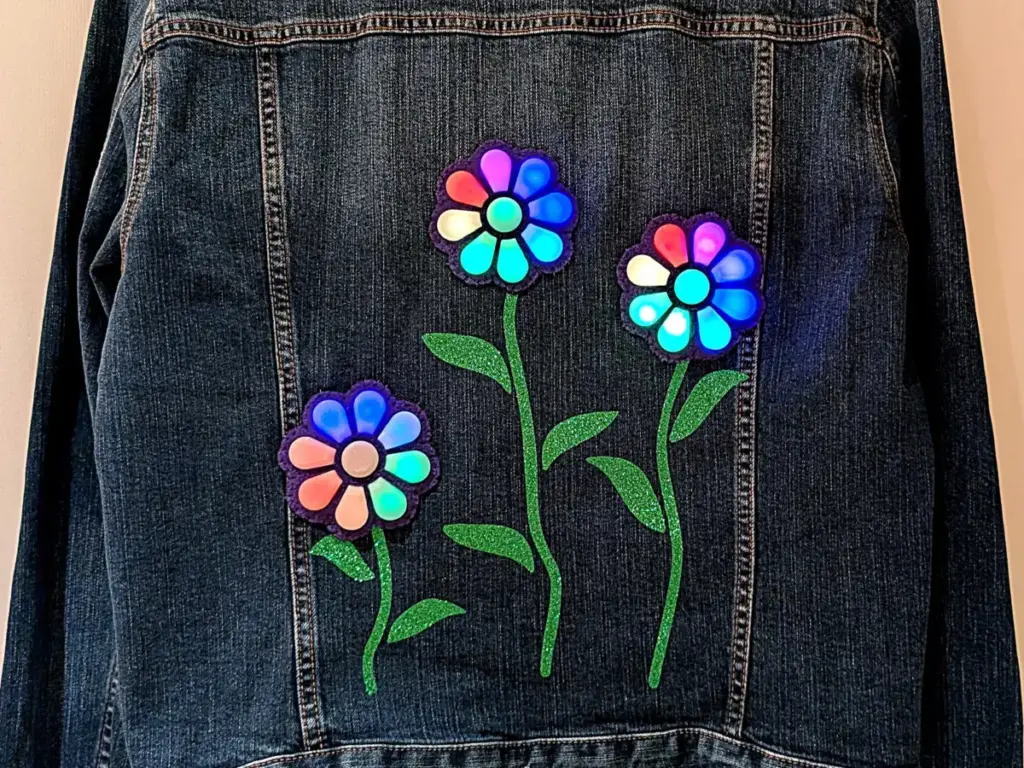
In the ever-evolving intersection of wearable technology and sustainable fashion, maker and educator Debra Ansell has introduced a project that bridges the gap between classic streetwear and programmable illumination. Featured in Make: Volume 97, the "BedazzLED" Jean Jacket demonstrates how advanced fabrication techniques like 3D printing and smart lighting can transform everyday thrift store finds into dynamic, interactive art pieces.

The project addresses a growing appetite among DIY enthusiasts and fashion hackers who seek to personalize their wardrobes using modern digital fabrication tools. Rather than relying on traditional rhinestones or embroidery, Ansell’s approach utilizes translucent 3D-printed elements, custom-cut textiles, and addressable LED strings to create a garden of glowing floral motifs across the back of a standard denim jacket.
Sourcing and Preparing the Canvas
The foundation of the project begins in familiar territory for upcycling enthusiasts: the local thrift shop. Because denim is inherently durable, secondhand jackets offer an affordable and structurally sound canvas that varies from utilitarian workwear to high-fashion silhouettes. According to the project specifications, builders select a jacket with enough clear space on the rear panel to accommodate a cluster of glowing 3D-printed flowers, ensuring the garment retains both its classic aesthetic and functional wearability.
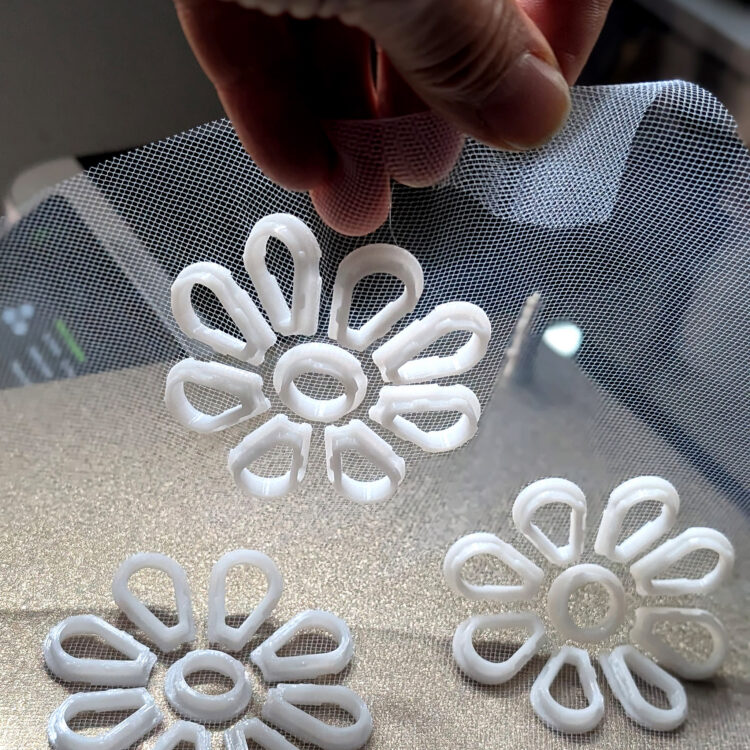
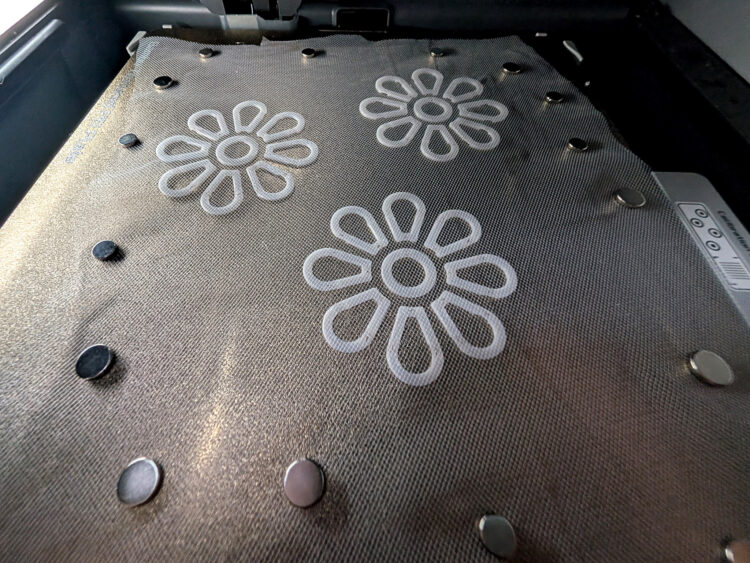
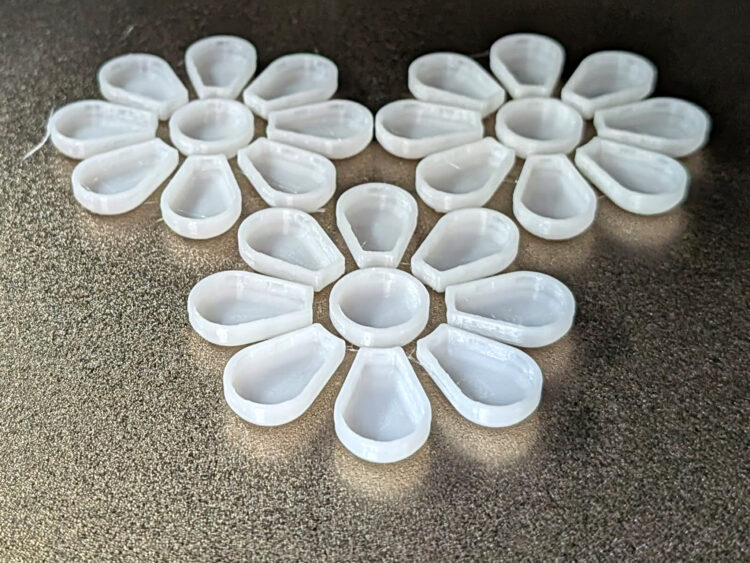
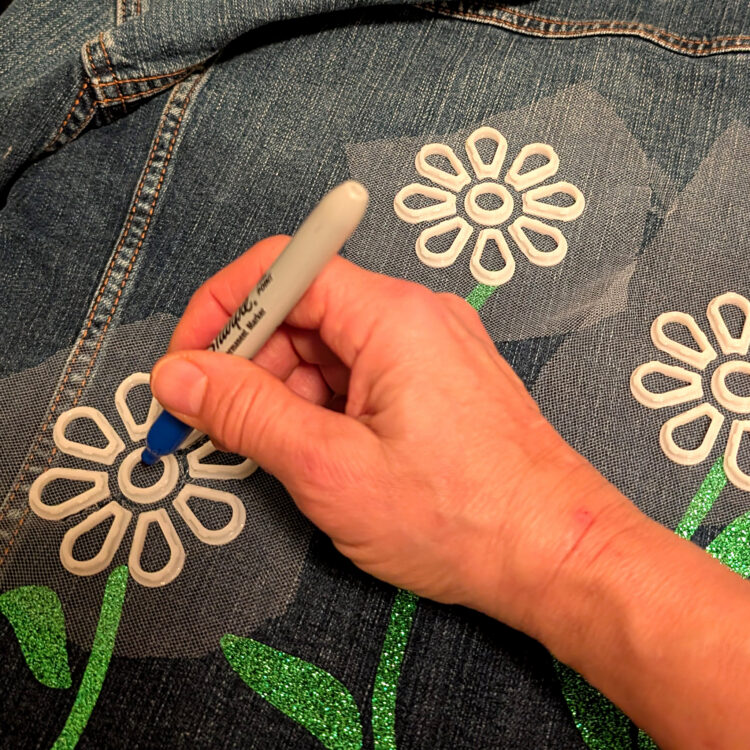
Once the jacket is secured, the fabrication process moves to the 3D printer. Ansell recommends using translucent white PETG filament—specifically materials designed for lithophanes, such as California Filament’s Cloudy White—due to its superior durability compared to PLA and its ability to diffuse light effectively. The flower base layers are printed using an advanced technique that incorporates a layer of mesh fabric, specifically tulle. By pausing the 3D printer mid-cycle at roughly 1.5 millimeters, placing a taut sheet of tulle over the initial layers, and resuming the print, the molten PETG bonds directly through the mesh pores. This embeds the fabric securely into the plastic, giving the floral arrangements the necessary flexibility to bend with the movement of the jacket while maintaining their rigid structural configuration.
Integrating Textiles and Smart Lighting
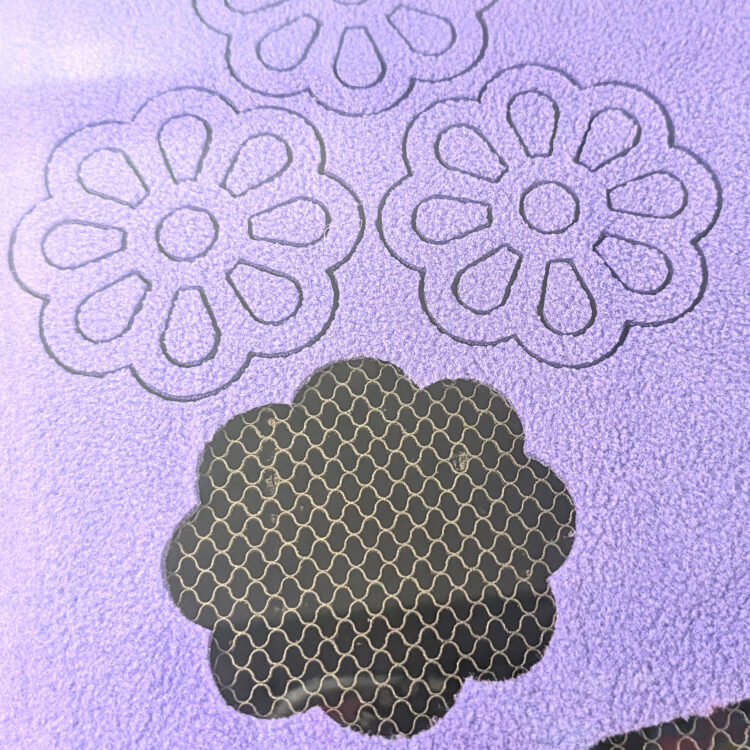
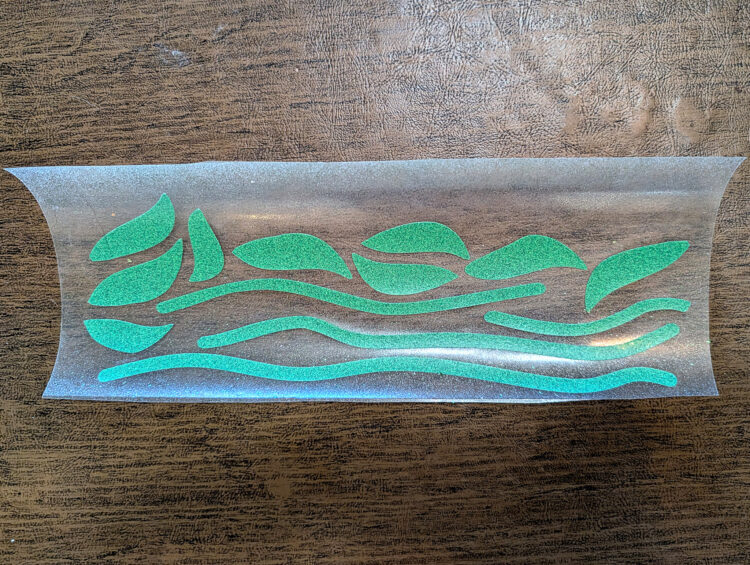
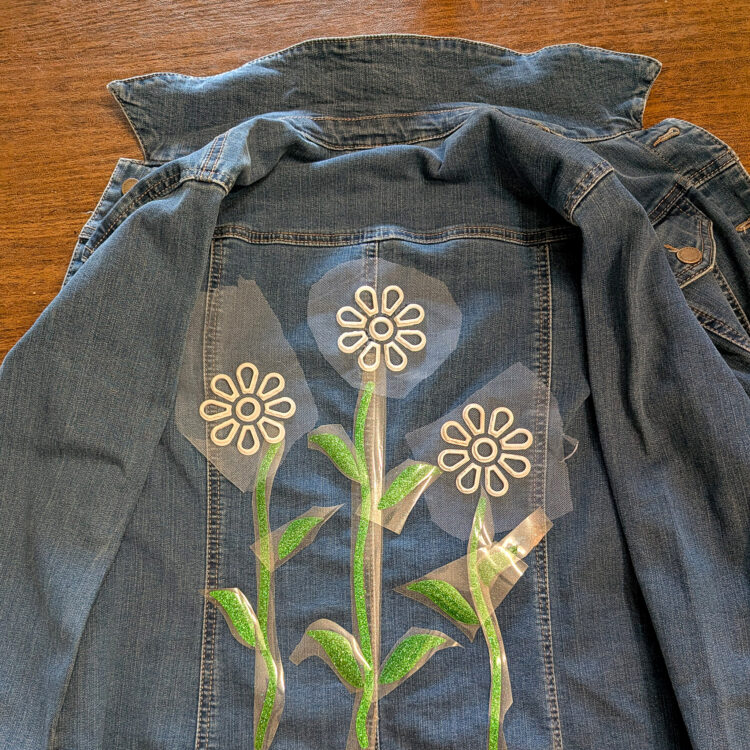
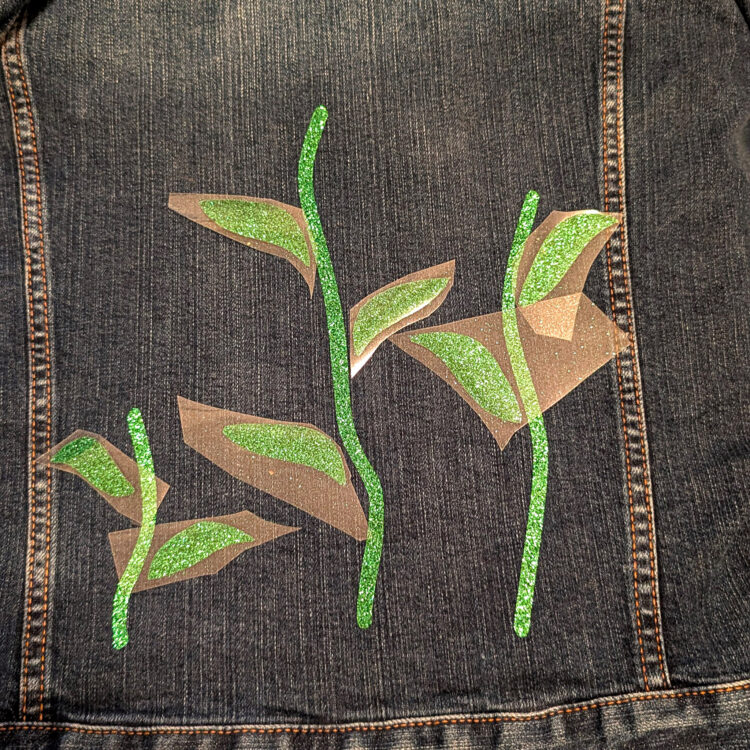
To soften the transition between the hard plastic flowers and the rugged denim fabric, the design incorporates a non-fraying border made from fleece or PVC-free faux leather. Using vector files tailored for either laser cutters or precise hand-cutting, makers shape these borders to frame the 3D-printed blossoms, effectively concealing the underlying wiring and reinforcing the assembly before it is permanently stitched to the garment. Additional aesthetic depth is achieved using heat-transfer vinyl (HTV) to apply custom-cut stems and leaves directly onto the back panel of the jacket.
The electronic core of the jacket relies on addressable pebble light strings and microcontrollers compatible with WLED, an open-source software ecosystem designed for controlling WS2812B and similar LED pixels. Builders carefully measure, cut, and solder segments of the LED string together using silicone-coated wire, ensuring proper data direction and alignment. These LED segments are then threaded through small, strategically placed holes in the back of the denim jacket, allowing the connecting wires to remain completely hidden on the interior while the luminous flower assemblies rest visibly on the exterior.
Using glue dots or strips, the individual LED pixels are secured directly to the mesh backing of the floral components. Once the wiring is verified, the flower borders are hand-sewn to the denim using traditional applique techniques, such as running stitches or blanket stitches, taking careful precautions not to puncture the silicone-insulated wires. On the interior of the jacket, loose cabling is secured neatly against the fabric using iron-on fusible interfacing, and the microcontroller alongside a portable USB-C power bank is tucked securely into an existing or makeshift interior pocket.
Practical Wearability and Future Applications
Despite its sophisticated electronics, the BedazzLED Jean Jacket remains surprisingly practical for everyday wear. Powered down, the garment maintains the unassuming look of a classic denim jacket suitable for casual outings or public transit. When activated via the WLED controller—which offers a vast array of customizable animations, color palettes, and adjustable pattern speeds—the jacket transforms into an eye-catching display capable of turning heads at maker fairs, concerts, or evening events.
Furthermore, the design accounts for real-world maintenance. Because the pebble light strings and silicone wiring are water-resistant, the jacket can be hand-washed in cold water once the portable power bank and detachable controller are safely removed.
Reflecting on the broader implications of the project, Ansell notes that the underlying technique is not limited to outerwear. The method of embedding 3D-printed illuminated components into mesh and fabric can easily be adapted for other accessories, ranging from a single glowing flower on a baseball cap to an elaborate illuminated garden spread across a canvas tote bag. As creators continue to merge computer-aided design with traditional textiles, projects like the BedazzLED Jean Jacket highlight the expanding potential of wearable technology in modern fashion.