


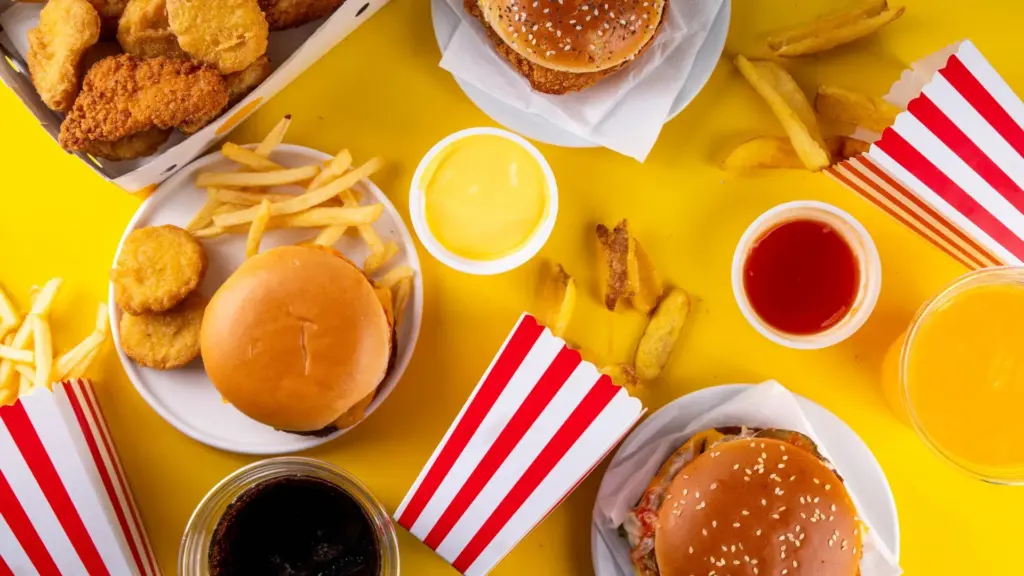
A sweeping and comprehensive new study involving more than 460,000 American adults is fundamentally challenging long-held assumptions regarding ultra-processed foods and their relationship to colorectal cancer. While public health discourse has increasingly focused on the dangers of heavily manufactured goods, researchers at the National Cancer Institute discovered that eating a high volume of ultra-processed food as an overall category was not directly associated with a higher overall incidence of colorectal cancer.
However, the findings paint a much more complex and nuanced picture than a simple binary of healthy versus unhealthy. When investigators looked closer at the data, they revealed a crucial distinction: certain types of ultra-processed foods were actually linked to lower rates of cancer, while others were definitively associated with higher rates. This suggests that the inherent nutritional composition of a food item matters significantly more than the mere level of industrial processing it underwent before reaching the dinner table.
Led by Erikka Loftfield of the National Cancer Institute, the research was published in the open-access journal PLOS Medicine. The study’s conclusions strongly suggest that the health effects of ultra-processed foods depend heavily on what those specific foods actually contain, rather than the broad classification label applied to them by modern food science definitions.
The Challenge of Categorizing Modern Diets
Ultra-processed foods have become a dominant fixture in the Western diet, currently accounting for more than half of all calories consumed by American adults on a daily basis. In recent years, these convenient, ready-to-eat products have attracted intense scrutiny and public health concern because of their potential connections to a wide range of chronic diseases, including obesity, cardiovascular complications, and colorectal cancer.
Yet, the category itself is remarkably diverse, encompassing everything from packaged mass-produced white bread and sugary carbonated beverages to fortified whole-grain cereals and industrially packaged dairy items. This vast diversity has always made it extraordinarily difficult for nutritional epidemiologists to accurately judge the health effects of ultra-processed foods as a single, homogenous group.
For example, prior nutritional observations have noted that certain ultra-processed whole grain and dairy products are often consumed as part of an otherwise balanced diet and have been inversely associated with the risk of colorectal cancer. Conversely, heavily processed meats have consistently been linked to a higher risk of developing the disease. This reality raises a fundamental question about whether the sheer level of processing alone is a useful or reliable indicator of a food’s potential health consequences, or whether nutritional quality remains the primary driver of disease risk.
A Massive Study Tracks Cancer Risk for Nearly Nineteen Years
To thoroughly investigate these complex dietary differences and shed light on the ongoing debate, researchers examined extensive health and dietary records from 461,682 American adults. The participants were between the ages of 50 and 71 when they initially enrolled in the landmark NIH-AARP Diet and Health Study during 1995 and 1996.
At the very beginning of the research project, all participants completed comprehensive questionnaires detailing how frequently they consumed a wide variety of different foods and beverages. Researchers used these detailed dietary responses to estimate each individual participant’s baseline intake of ultra-processed foods.
Following the initial assessments, participants were tracked meticulously through 2018. The study achieved a remarkable median follow-up period of 18.8 years. This exceptionally long duration allowed the scientific team to observe how various dietary patterns were associated with the actual development of colorectal cancer over nearly two decades of adult life.
When the researchers initially analyzed the broad data, the results showed no overall association between total ultra-processed food consumption and colorectal cancer incidence. In other words, participants who consumed higher amounts of ultra-processed foods did not, as a collective group, experience higher rates of colorectal cancer compared to those who ate fewer of these products. However, a closer, more granular examination of individual food categories revealed a much more complicated and revealing picture.
Some Ultra-Processed Foods Linked to Lower Cancer Risk
Diving deeper into the categories, the research team discovered that higher consumption of specific items—such as whole grains, dietary fiber, dairy products, and calcium originating from ultra-processed food sources—was actually associated with a lower incidence of colorectal cancer.
Meat from ultra-processed sources showed the exact opposite pattern. Greater consumption of these specific meat products was consistently associated with a higher incidence of cancer, reinforcing existing public health warnings regarding processed meats.
To further test the practical implications of these findings, the team examined what might happen hypothetically if ultra-processed foods were systematically replaced with less processed dietary alternatives. Their sophisticated statistical analysis found that substituting minimally processed foods for just 10% of a person’s daily ultra-processed food intake by weight was associated with a modest yet statistically significant 2% lower incidence of colorectal cancer.
These findings suggest that the specific nutritional characteristics of individual foods are far more informative than simply labeling an entire item as ultra-processed. Foods placed into the same broad industrial processing category can have dramatically different, and sometimes opposing, associations with long-term cancer risk.
Why the Findings Come With Important Limitations
Despite the study’s exceptionally large sample size, robust methodology, and lengthy follow-up period, the researchers are careful to caution that its conclusions may not apply equally to every demographic group or modern dietary environment.
A primary limitation involves the composition of the study cohort itself. The vast majority of participants were older, white Americans, meaning the findings may not accurately reflect the dietary realities, genetic backgrounds, or disease experiences of younger adults or more racially and ethnically diverse populations living in the United States today.
Another important limitation involves the method of dietary data collection. Participants reported their eating habits only once, at the very beginning of the study in the mid-1990s. Consequently, researchers could not account for potential changes in individual diets, lifestyle modifications, or health habits over the following decades of life.
Furthermore, the availability, formulation, and sheer variety of ultra-processed foods in the American marketplace expanded dramatically during the decades following the baseline survey. As a result, the initial dietary assessments may have underestimated participants’ actual cumulative consumption of ultra-processed foods during the complete course of the study period.
Because the research was observational in nature, it also cannot establish direct causality. Observational studies can identify correlations and patterns over time, but they cannot definitively prove whether particular foods directly increase or decrease individual cancer risk on a biological level.
What the Results Mean for a Healthy Diet
Rather than treating all ultra-processed foods as equally harmful or universally toxic, the new findings strongly support evaluating food products according to their individual nutritional content and specific health associations.
The results also align remarkably well with existing, long-standing dietary recommendations for colorectal cancer prevention. Public health guidelines have consistently encouraged individuals to consume adequate amounts of whole grains, dietary fiber, dairy products, and calcium-rich foods, while actively limiting the intake of processed meats.
Dr. Erikka Loftfield summarized the core takeaway of the research, explaining that within this large population of older US adults, researchers did not observe a direct association between total ultra-processed food intake and colorectal cancer incidence. However, when the team analyzed specific food groups—such as whole grains, dairy, and meat—by their processed or non-processed source, they found that the observed associations aligned neatly with current dietary guidance for colorectal cancer prevention. Specifically, higher whole grain and dairy intakes, paired with lower meat intakes, were consistently associated with a lower colorectal cancer incidence.
Ultimately, the study highlights why the broad label "ultra-processed" may simply not tell the whole story. When it comes to preventing colorectal cancer and understanding long-term health outcomes, the specific kinds of foods people choose to eat appear to matter far more than their industrial processing category alone.
The research was funded by the Intramural Research Program of the National Cancer Institute, part of the National Institutes of Health. Several authors are current or former employees of the National Cancer Institute’s Intramural Research Program, and the funding organization played no role in designing the study, collecting or analyzing data, deciding whether to publish the findings, or preparing the manuscript.