


The stock market has once again proved its capacity to surprise. As valuations reach historic peaks fueled largely by the current frenzy surrounding artificial intelligence, investors find themselves wrestling with a familiar anxiety. When the market crashes, portfolios shrink, prompting panic; yet when it surges to unprecedented heights, the dread intensifies with the haunting expectation of an inevitable, catastrophic correction. This boom-bubble dynamic, built on the back of rapid technological innovation, has left many wondering if history is repeating itself on a grander scale.

The broader public narrative portrays AI as a double-edged sword: a revolutionary technology with the potential to transform society, yet accompanied by mania that threatens to trigger a market collapse dwarfing the dot-com bust of the early 2000s. For financial commentators who lived through the turn-of-the-century tech boom, these cycles evoke strong memories. That particular era propelled early careers and paved the way for financial independence, even as the subsequent crash threatened livelihoods and stability. Two decades later, as modern wealth-building figures address these recurring cycles at gatherings like Camp FI Midwest and upcoming financial forums, the underlying anxieties of investors remain remarkably consistent.

To understand the current unease, it is helpful to look backward. Twenty years ago, in 2006, investors faced a similarly daunting list of global anxieties. Headlines were dominated by geopolitical conflicts in the Middle East, concerns over inflation and national debt, and worries about an overvalued stock market driven not by artificial intelligence, but by a runaway housing bubble. There were widespread fears that globalization and outsourcing to emerging economies like India and China would permanently erode domestic job markets. Compounding these worries was the looming specter of "Peak Oil," a widely debated theory suggesting that skyrocketing fossil fuel consumption would soon outstrip supply and plunge the global economy into permanent scarcity.

Yet, looking back over the subsequent two decades reveals a different reality. While the Great Financial Crisis did materialize—driven by a toxic mix of housing market euphoria and excessive financial leverage—it ultimately proved to be a temporary disruption in a much larger upward trajectory. A hypothetical investment of one hundred thousand dollars made during those anxious years would have multiplied significantly over the following twenty years, weathering both the 2008 crash and the pandemic-induced market shock of 2020.

Beyond the financial markets, global living standards improved dramatically. The proportion of the world’s population living in extreme poverty dropped sharply, and infant mortality rates were cut in half. Clean energy transitioned from a niche concept to a dominant market force, with solar panel costs plummeting and driving massive generation capacity additions worldwide. Meanwhile, electric vehicle adoption surged from near-zero to substantial market shares globally. The retrospective view suggests that focusing energy on an uncertain future is rarely as productive as maintaining a long-term perspective.

This brings investors to the central question of the modern cycle: Is it different this time? Skeptics point to towering national debt levels, the unprecedented scale of the AI boom, and speculative existential risks regarding machine intelligence. Financial media outlets regularly amplify these fears, but in doing so, they frequently overlook a fundamental economic truth. True prosperity does not originate from the financial system or the stock market, which are essentially numerical constructs managed on computer servers. Genuine prosperity is derived from productivity.

The underlying mechanics of capitalism are inherently volatile, characterized by choppy waters and wild cyclical swings. Beneath those surface waves, however, real people continue to perform real work, invent new tools, and solve complex problems. Economic systems and financial markets are human inventions; if a system experiences a severe disruption, society possesses the capacity to reset the parameters and resume productive labor, a mechanism demonstrated during previous financial crises. The tools that drive standard of living improvements, economic growth, and the feasibility of early retirement remain rooted in continuous productivity gains.

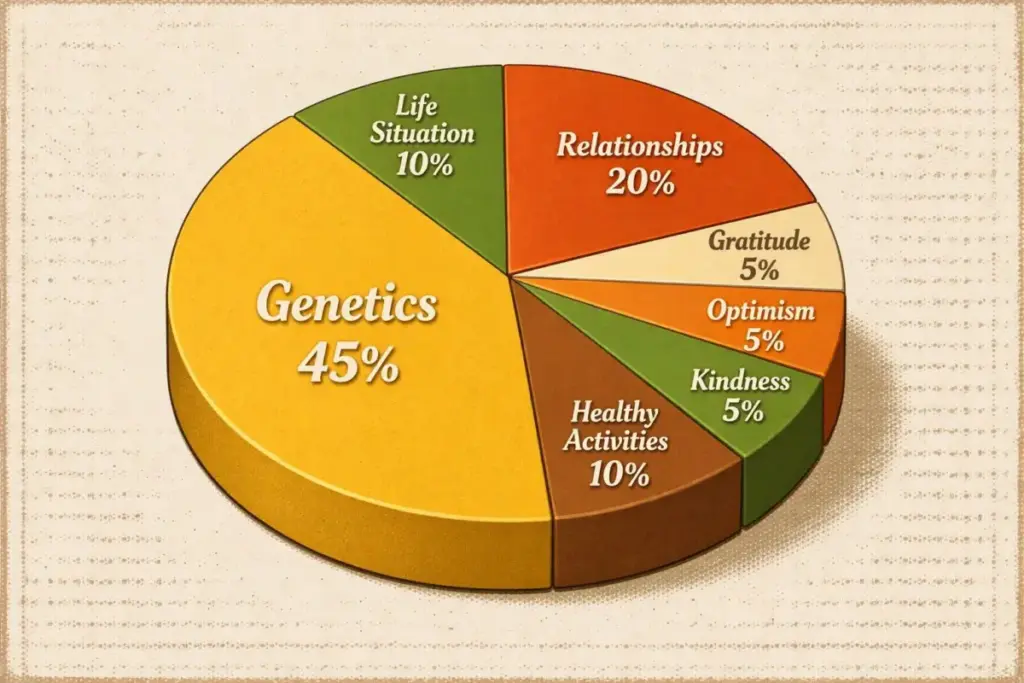
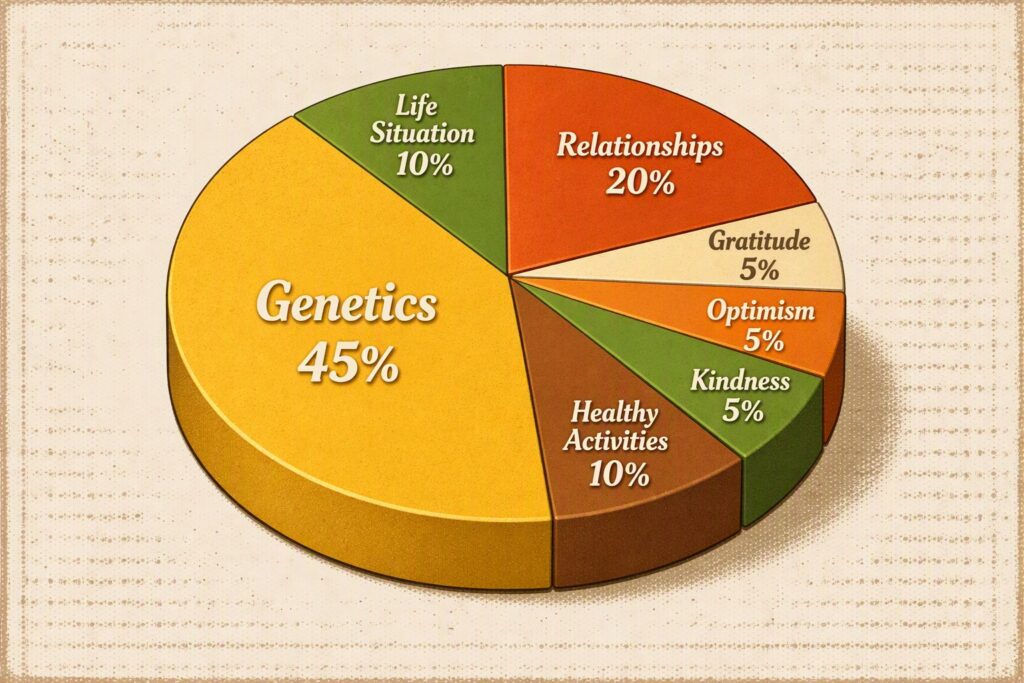
Beyond productivity and economic prosperity, human happiness tends to stabilize once basic material standards of living are met. Psychological research indicates that wealth is only a minor component of overall life satisfaction. Factors such as genetics, strong interpersonal relationships, practicing gratitude, optimism, and maintaining an active, outdoor lifestyle play a vastly more significant role in determining individual well-being. Despite these reassuring realities, lingering background fear remains a powerful force even among financially secure individuals.
Human beings evolved primarily as danger-detection machines, utilizing anxiety as an evolutionary survival mechanism to protect against predators, disease, and scarcity. However, this cognitive machinery has a distinct flaw: when immediate physical threats are resolved, the brain continues searching for new sources of worry. Once scarcity is conquered, individuals pivot to worrying about social acceptance, relative status, tax strategies, or regulatory mandates regarding retirement withdrawals.

Recognizing this pattern is the first step toward combating pervasive financial fear. Much of this anxiety is rooted in personal history, childhood experiences of scarcity, or past trauma rather than an objective assessment of present circumstances. By identifying specific fears and examining worst-case scenarios rationally, individuals can demystify their anxieties. Action remains the ultimate antidote to fear, transforming the unfamiliar into the familiar and fostering the resilience required to adapt to changing environments.
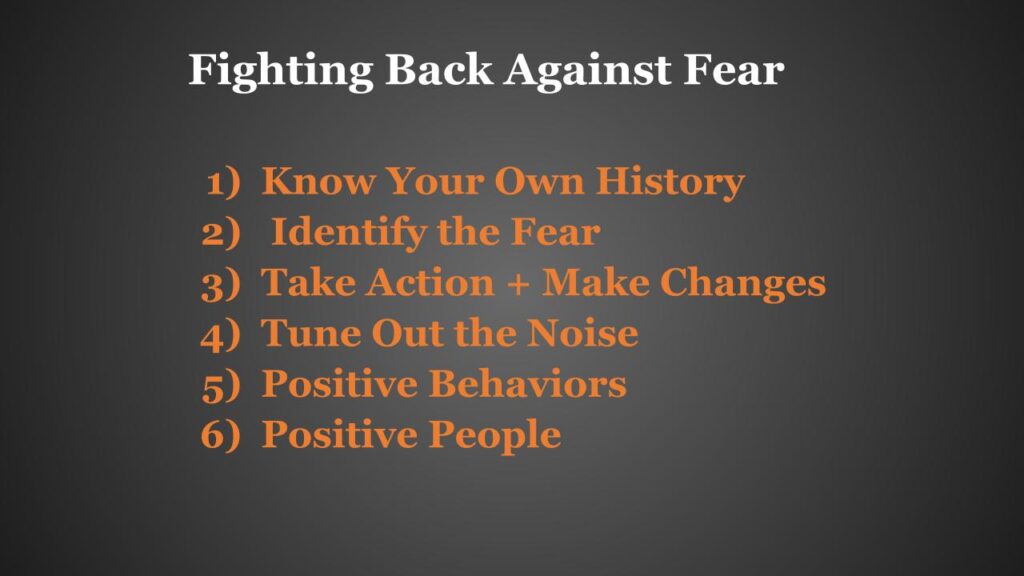
Furthermore, reigning in exposure to sensationalized daily news feeds can significantly improve mental well-being. Modern media organizations rely on a continuous stream of alarming stories to capture attention, which often distorts perceptions of reality. Shifting focus away from speculative headlines and toward positive behaviors—such as physical activity, continuous learning, and surrounding oneself with optimistic, solution-oriented peers—helps ground individuals in reality. Approaching life transitions, career changes, and financial planning through the lens of experimentation rather than existential threat alters the psychological landscape entirely.

This experimental mindset applies directly to the current artificial intelligence revolution. Rather than succumbing to doom-scrolling and apprehension, viewing AI as a technological evolution provides a clearer perspective. Artificial intelligence functions essentially as a cognitive tool, drastically enhancing efficiency and productivity in a manner comparable to industrial machinery or the advent of the internet. While technological shifts inevitably displace certain entry-level administrative and operational roles, they simultaneously reduce service costs and spark the creation of entirely new industries and economic sectors.

Naturally, the economic rewards of such innovations tend to concentrate initially among the owners of capital and technology platforms. However, broader share ownership means that everyday investors often participate in these gains through their retirement portfolios. Ultimately, artificial intelligence represents another opportunity to make deliberate choices—either to view change through a lens of fear or to leverage it as a catalyst for ongoing education, adaptability, and personal growth. As many long-term financial independence advocates emphasize, the most meaningful milestones in life frequently lie just on the other side of apprehension, waiting to be claimed through rational action and resilience.