

For a long time, many casual viewers assumed the Fast & Furious franchise was beneath high-brow cinematic appreciation. The multi-billion-dollar series appeared to outward observers to be little more than an endless string of vapid, high-octane car commercials, and for those who were not inherently obsessed with automotive culture, the initial appeal seemed minimal. However, during the cultural shifts of the pandemic era, curious audiences often found themselves pressured into watching the very first installment, only to discover an unexpected, gripping charm. Before long, viewers who once dismissed the series found themselves binging every chapter in rapid succession, eagerly awaiting the next deployment of cinematic adrenaline. That magnetic pull, as millions of fans have come to realize over the years, is the undeniable power of family.
Counting the standalone spin-off Hobbs & Shaw, there have been eleven feature films released in the sprawling Fast & Furious universe to date, with a twelfth and final mainline installment currently looming on the horizon. While virtually every entry in the franchise possesses its own distinct moments of explosive entertainment, Fast Five steadfastly remains the crown jewel of the series. It earned this reputation through the masterful way it completely repositioned the franchise’s identity, assembled the absolute best configuration of characters—including the late Paul Walker—and relied heavily on practical effects to pull audiences directly into the harrowing action sequences. Although Fast Five spent the summer streaming to large audiences on Netflix, it is slated to drive off into the sunset on November 1st, making it an ideal time to reflect on why this particular film remains a modern action classic.
How Fast & Furious Got to Fast Five
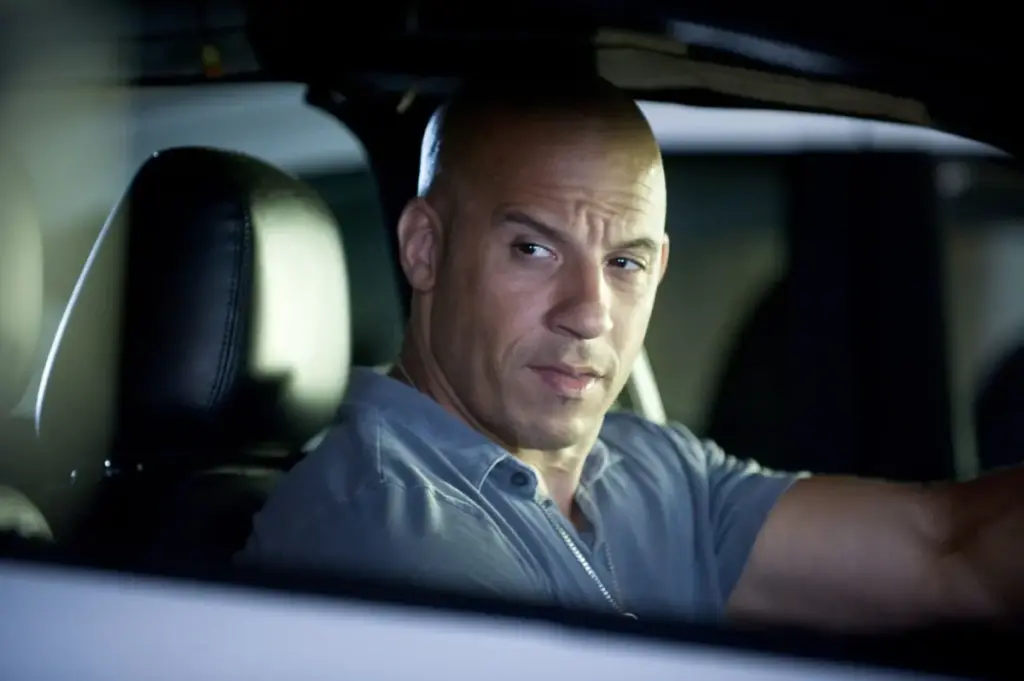
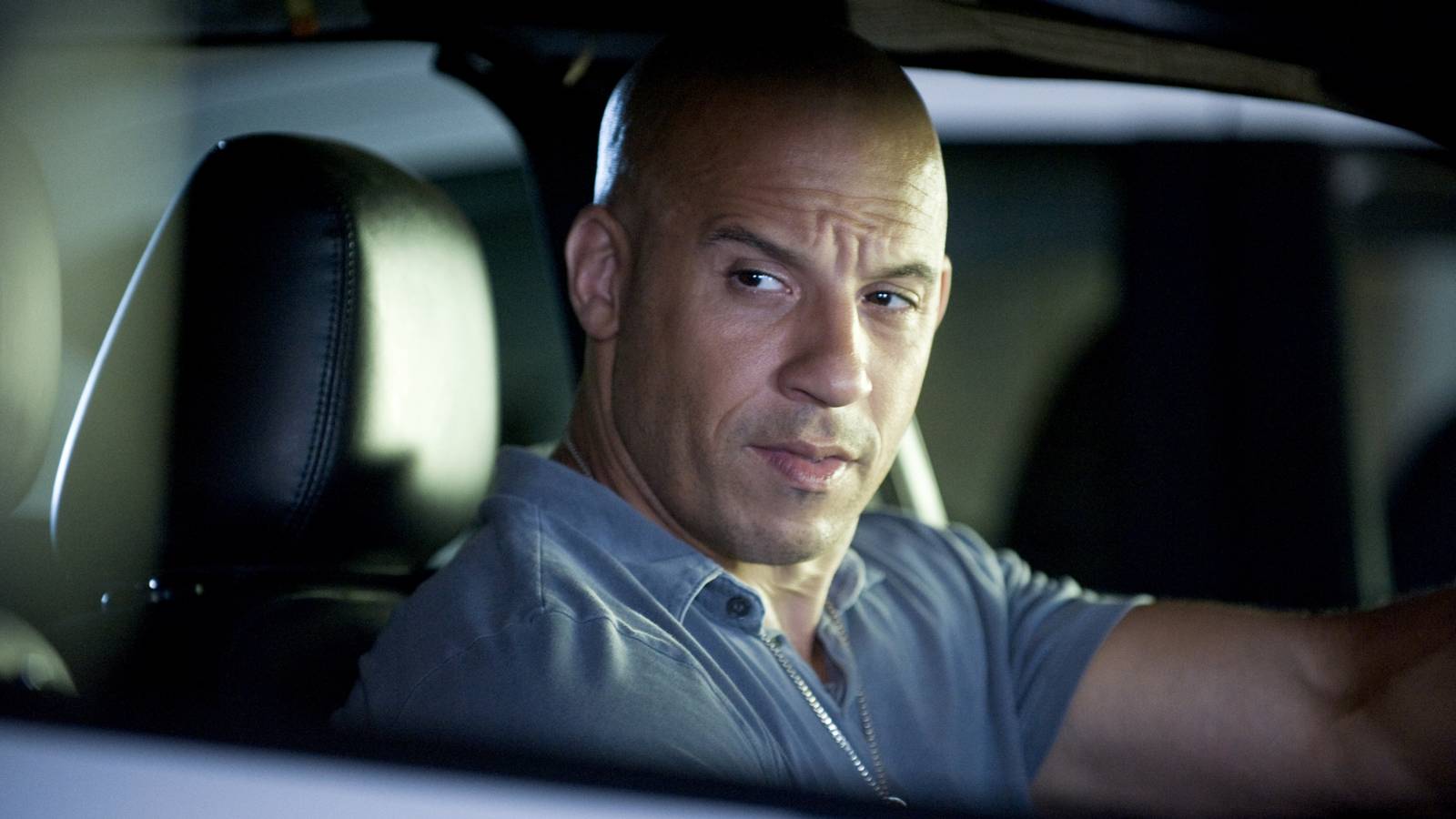
Before the release of Fast Five, the core identity of the Fast & Furious franchise was inextricably bound to the underground street-racing subculture. Vin Diesel’s character, Dominic Toretto, was established as a revered illegal street racer surrounded by a tight-knit circle of friends, rivals, and chosen family. Meanwhile, Paul Walker’s character began the series as an undercover LAPD officer tasked with infiltrating that very same illicit racing scene. However, as Walker’s character, Brian O’Conner, immersed himself deeper into the culture, he recognized the fierce loyalty of the street racers and fell deeply in love with Dom’s sister, Mia, played by Jordana Brewster. Consequently, Brian crossed the line to become an outlaw street racer himself, setting off a complex trajectory that later saw him become an FBI agent before turning rogue once again. Fast Five picks up directly in the wake of that second brush with the law.
Notably, Fast Five marked a watershed moment for the franchise as the first movie not to anchor its central plot around street racing. Instead, the narrative pivots into a high-stakes heist film. Dominic, Brian, and a reconstituted crew of franchise favorites plot to steal $100 million from a notoriously corrupt businessman in Rio de Janeiro, with the ultimate goal of securing enough wealth to purchase permanent freedom and start entirely new lives. While hiding out in Brazil, the core crew—including Dom, Brian, and Mia—find themselves relentlessly hunted by American Diplomatic Security Service (DSS) agents. The federal agents are dispatched to track them down for the murders of several DEA agents, a heinous crime the crew was actually framed for by the very same corrupt businessman they are targeting.
Before the grand heist can be executed, those DSS agents, led by the imposing federal lawman Luke Hobbs, famously portrayed by Dwayne Johnson, successfully capture Dom, Brian, and select members of their crew. However, the tables turn dramatically when Hobbs’ own military-style team is ambushed and decimated by the businessman’s corrupt private militia. Grateful for being saved by Dom and Brian during the firefight, Hobbs undergoes a swift realignment of loyalties and joins forces with the outlaws. This alliance culminates in the movie’s legendary climax: a breathtaking sequence involving two heavily modified Dodge Chargers, driven by Dom and Brian, towing a massive, multi-ton bank vault directly through the chaotic streets of Rio de Janeiro. In the end, the crew successfully pulls off the impossible, securing immense wealth and disappearing into the horizon as well-funded fugitives.

The Narrative Balance That Defined the Franchise
What truly makes Fast Five work so effectively is its embrace of a relatively simple, satisfying heist narrative. While individual plot points can occasionally sound convoluted when summarized on paper, the fundamental premise follows a classic cinematic formula: a band of lovable outlaws plotting to steal a fortune from an irredeemable villain, making it effortless for the audience to root for their ultimate success.
In subsequent sequels, Dominic’s crew undergoes another radical evolution, transforming from street-level outlaws into an elite, government-sanctioned black-ops spy unit. Whenever global security is threatened by cyber-terrorists or rogue military factions, world governments routinely call upon a crew of gearheads who simply happen to drive extremely fast. While these later sequels remain undeniably exciting and continue to push box-office boundaries, they frequently drift into the realm of high-tech espionage popularized by franchises like Mission: Impossible. Fast Five, by contrast, occupies the absolute sweet spot of the franchise’s evolution. It finds the perfect narrative balance where the characters remain fundamentally grounded as outlaw racers who happen to plan a massive vault heist simply because they despise a wealthy, corrupt tyrant.
The franchise has always boasted an impressive roster of memorable characters, anchored by Vin Diesel’s stoic, gravel-voiced leadership and supplemented by a rotating cast of colorful personalities. However, the emotional heartbeat of the series has always been the profound friendship between Dominic Toretto and Paul Walker’s Brian O’Conner. Walker brought an effortless charm to the role, but it was his undeniable on-screen chemistry and brotherhood with Diesel that provided the emotional architecture for the entire saga. That brotherhood is permanently cemented in Fast Five, marking the first time both characters operate on the exact same side for the duration of an entire film. Furthermore, the revelation that Mia is pregnant officially transforms their close bond into genuine, blood-bound family.
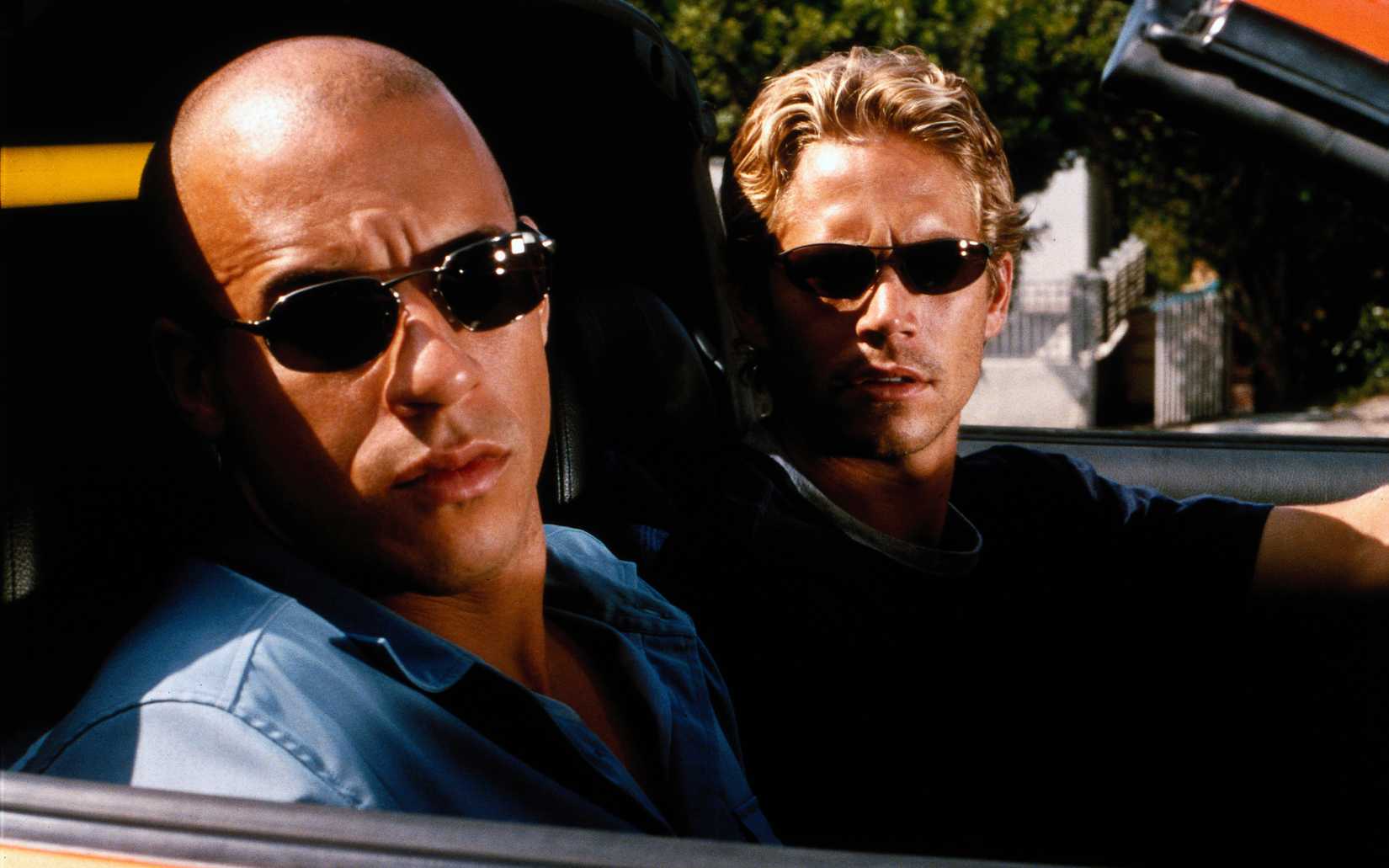
Audiences were treated to further explorations of their friendship in the sixth and seventh installments, but the tragic, untimely death of Paul Walker midway through the production of Furious 7 altered the trajectory of the series forever. While the production team utilized sophisticated CGI face-replacement technology and drafted Walker’s brothers to serve as physical stand-ins to complete his final scenes—a technical feat widely praised for its emotional sensitivity—viewers can still distinctly feel the seismic shift in the storytelling mid-film. Following that poignant sendoff, Brian remains alive within the internal lore of the Fast & Furious universe, having chosen to retire from the high-stakes life to raise his family with Mia off-screen. While the subsequent eighth, ninth, and tenth films remain wildly entertaining blockbusters, a vital piece of the franchise’s soul is visibly absent.
Practical Action Versus CGI Excess
Ultimately, the primary driver for audiences flocking to theaters has always been the action, and Fast Five consistently outshines every other film in the franchise in that regard. The iconic bank vault heist sequence, famously filmed in Puerto Rico standing in for the vibrant backdrop of Rio de Janeiro, relied heavily on practical stunts, real-world property destruction, and tangible car-smashing physics. Although computer-generated imagery was seamlessly integrated to enhance certain shots, a significant portion of the vault’s chaotic path through the city was achieved using a custom-built, drivable vault chassis that physically collided with real obstacles.
As subsequent films pushed the crew further into the realm of international superspies, the major action set pieces transcended physical reality by increasingly wide margins, resulting in an escalating reliance on computer-generated imagery. The most notorious manifestation of this trend occurred in F9, when two main characters managed to literally drive a heavily modified Pontiac Fiero straight into outer space.
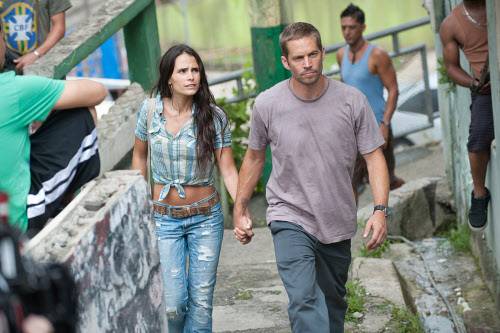
Looking ahead to the announced final film of the franchise, currently titled Fast Forever, recent public statements from Vin Diesel regarding his creative demands for the finale suggest a fundamental misunderstanding of what made the series great in the first place. Diesel recently outlined his three primary wishes for the grand finale: a return to the franchise’s roots in Los Angeles, a heavy emphasis on traditional street racing, and the miraculous on-screen reunion of Dom and Brian.
While returning to Los Angeles carries a certain nostalgic appeal, the street-racing premise had already grown noticeably stale by the time the fourth film was released, which necessitated the dramatic genre pivot that saved the series from creative stagnation. Moreover, while Furious 7 successfully and respectfully handled the emotional closure for Paul Walker’s character under heartbreaking circumstances, digitally resurrecting him for an extended appearance in a final sequel risks crossing into territory that many fans would find disingenuous and disrespectful. More importantly, attempting to bring him back would actively undermine the poetic, emotionally resonant work accomplished in the seventh film to give Brian O’Conner a permanent and peaceful sendoff.
With all due respect to the franchise’s leading man and guardian of family values, the final film would be far better served by studying the enduring lessons of the series’ undisputed high-water mark. The primary takeaway from Fast Five is not that street racing is the ultimate expression of automotive cinema, but rather that grounded, tactile practical effects and a simple, character-driven heist narrative will always outperform increasingly absurd, CGI-heavy spectacles.