


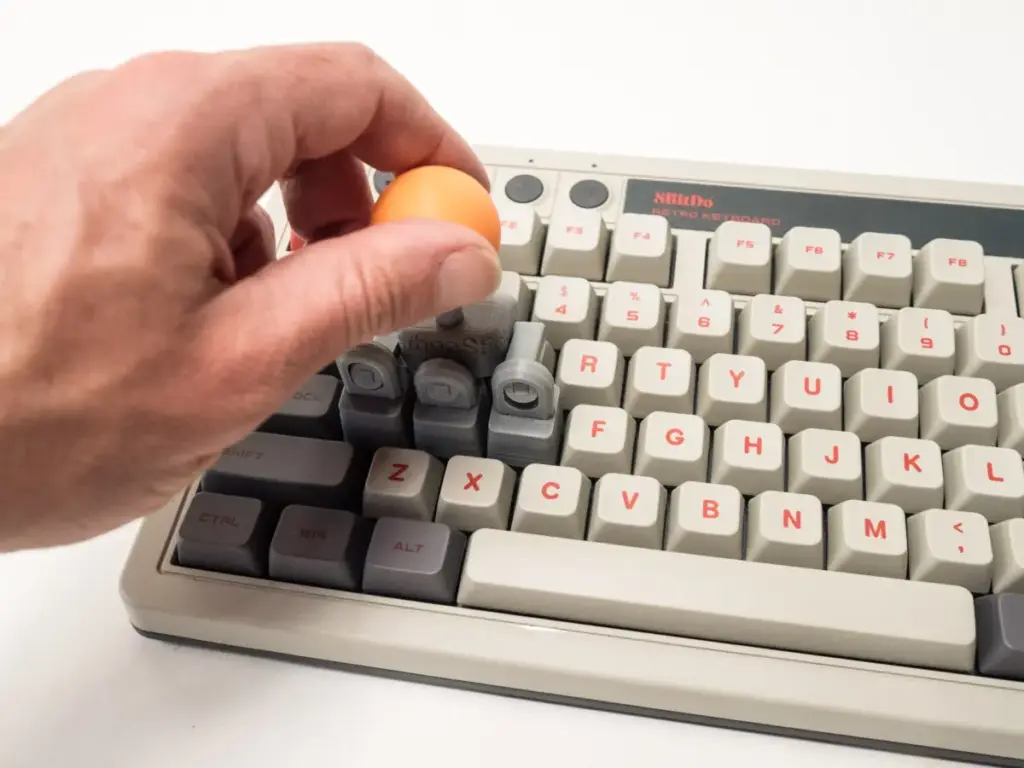
For PC gamers and mechanical keyboard enthusiasts, bridging the gap between traditional keyboard controls and the tactile feel of an arcade stick has long been a fun challenge. Now, a clever new 3D-printed accessory called the KeyboaStick is turning standard mechanical keyboards into miniature retro gaming setups. Designed by Korean maker FunOrNothing, the innovative mod transforms the classic WASD or arrow keys into an articulated, functional joystick, bringing a completely new physical dimension to desktop gaming without requiring any permanent hardware modifications.
The KeyboaStick is available for digital makers to download and print for free, or to purchase as a pre-made physical item ranging from $0 to $17 depending on the version and source. It has quickly captured the attention of the 3D printing and retro gaming communities. The design features sophisticated engineering that relies heavily on print-in-place joints, making it remarkably accessible even for hobbyists using older or less-than-perfectly-calibrated 3D printers.
At its core, the standard version of the KeyboaStick replaces the standard WASD keycaps on a mechanical keyboard—such as popular models from brands like 8BitDo—and connects them to a centralized joystick using a series of articulated linkages. When the user moves the stick, the mechanical linkages depress the underlying keyboard switches in tandem, effectively translating directional thumb movements into standard keystrokes.

Despite the complexity of combining multiple moving mechanical parts into such a compact desktop footprint, the assembly process is designed to be straightforward. Users report that the parts fit together well right off the print bed with virtually no post-processing required. While initial testing of the standard version revealed that lateral movements could occasionally feel slightly sticky—and that an overly enthusiastic tester might manage to pop the top off the stick during intense gameplay—the accessory proves surprisingly capable under pressure. Testing the KeyboaStick through demanding retro titles like the Emerald Hill Zone in Sonic the Hedgehog 2 demonstrated that the mod holds its own, allowing players to navigate fast-paced platforming challenges without the controller becoming a hindrance.
The rise in popularity of the KeyboaStick has also brought attention to the challenges faced by independent 3D printing designers in the open-source community. The model’s clever design has unfortunately made it a frequent target for unauthorized duplication, with various unscrupulous online sellers taking the files and selling prints without proper attribution or support for the original creator. To combat this and ensure supporters get quality hardware, official prints remain available directly through authorized channels, including the official RadianLab store on Etsy.
Beyond the standard WASD configuration, the ecosystem surrounding the KeyboaStick continues to expand. Designer FunOrNothing has developed alternative versions tailored for other key groupings, alongside quick-replace variants designed for convenience. For users seeking an optimized mechanical experience, a redesigned Pro version has also been introduced through the RadianLab Etsy storefront, offering enhanced physical performance and even smoother handling for arrow keys and WASD configurations alike.

Whether the mod ultimately enhances a player’s gaming performance or occasionally contributes to an unexpected Game Over—as one reviewer ruefully admitted while navigating the hazards of the Chemical Plant Zone—the KeyboaStick offers a charming, highly accessible way to merge desktop productivity hardware with classic arcade nostalgia. With files freely available on MakerWorld and physical prints easily accessible for modest prices, the accessory provides a striking example of how modern desktop manufacturing can breathe new life into everyday peripheral hardware.