



Picture this: You are halfway through a grueling twenty-mile day in the backcountry when the sky suddenly opens up, dumping relentless sheets of rain on you and your hiking partners. You instinctively pull out your hard shell, zip it up to your chin, and press on. An hour later, however, you notice an unsettling sensation creeping in. You are starting to feel awfully damp, cold, and clammy. Your shell is not actually leaking water from the outside, but it might as well be—your own physical exertion and body heat have turned the interior into a miniature tropical rainforest.
The harsh reality of outdoor apparel is that the best rain jackets are next to useless if you end up sweating them out from the inside. When hikers push their cardiovascular limits on steep inclines with heavy packs, the sheer volume of moisture generated by the human body often overwhelms even the most advanced waterproof-breathable membranes. If you are the kind of hiker who routinely steams up your garments, picking a shell equipped with exceptional breathability and aggressive mechanical venting options is not just a luxury; it is an absolute necessity for comfort and safety. To address this persistent problem, outdoor gear testers recently evaluated the top-performing rain shells of the year, curating a definitive selection tailored specifically for hikers, backpackers, and mountaineers who always seem to run hot.
Finding the Balance: Overall Performance and Breathability
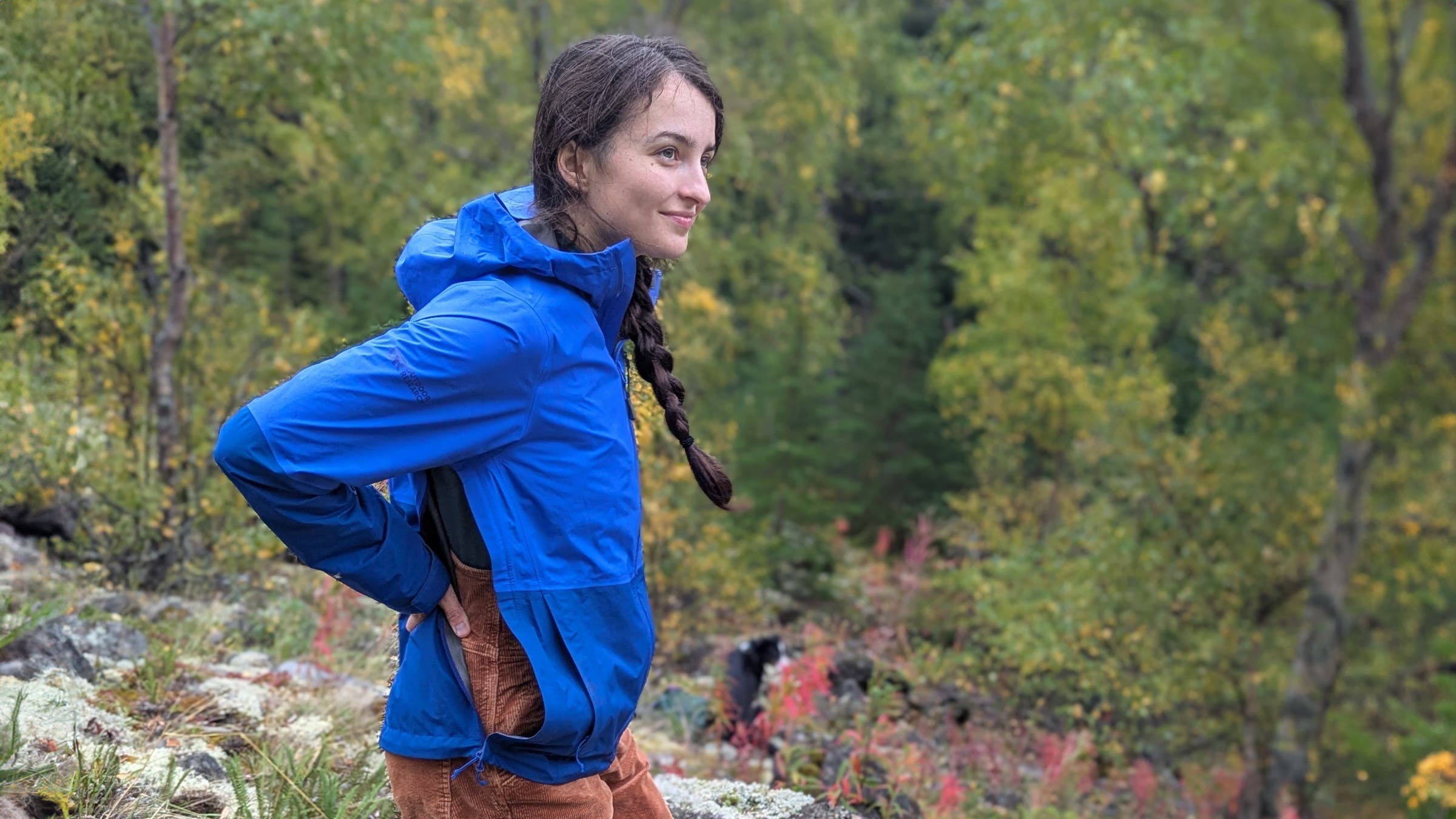
Leading the pack as the best overall choice on the market today is the Outdoor Research Aspire 3L, alongside its men’s equivalent, the Foray 3L. Priced at roughly $260 and weighing in at 15.3 ounces for the men’s version and 13.9 ounces for the women’s variant, this jacket stands out as one of the most breathable options ever evaluated by field teams. After wearing the Aspire on a grueling, steep seven-mile hike into a backcountry cabin nestled within Alaska’s rugged Chugach National Forest, tester Kate Paskievitch reported that she stayed remarkably dry the entire time, even while shouldering a punishing forty-pound pack.
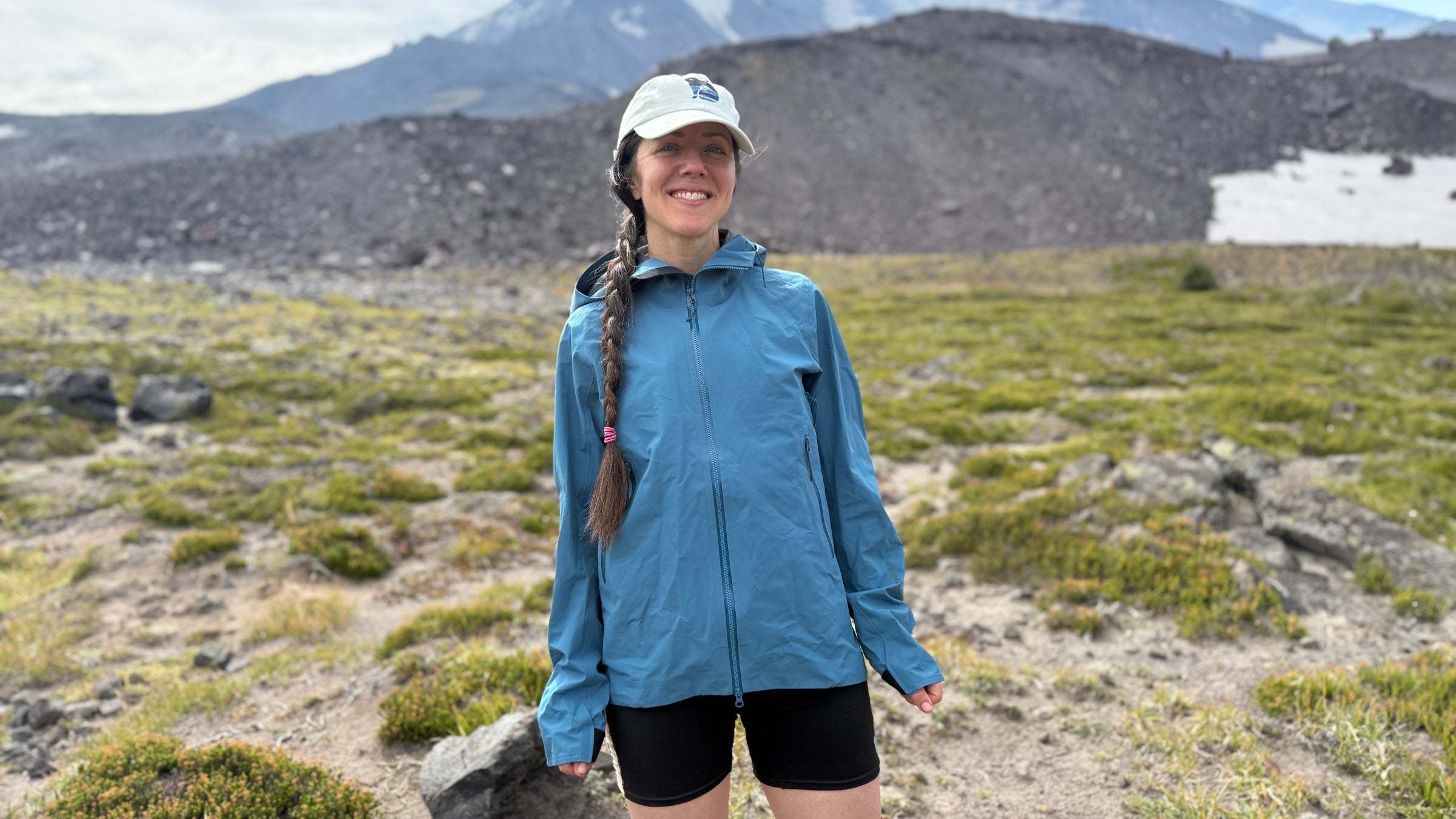
While the jacket benefits significantly from Outdoor Research’s proprietary AscentShell Dry technology—a sturdy forty-denier, one-hundred-percent recycled three-layer nylon fabric that offers a touch of stretch and certified carbon-neutral manufacturing—the true secret to its temperature regulation lies elsewhere. Credit for its superior climate control mostly goes to the full-length side zippers that extend from the hem up past the underarms. These expansive dual-direction zippers allow users to bleed off excess body heat almost instantly when climbing steep pitches. The primary drawback noted by testers is that the athletic cut can feel slightly too slim for heavy cold-weather layering, but its ventilation prowess remains unmatched in its class.
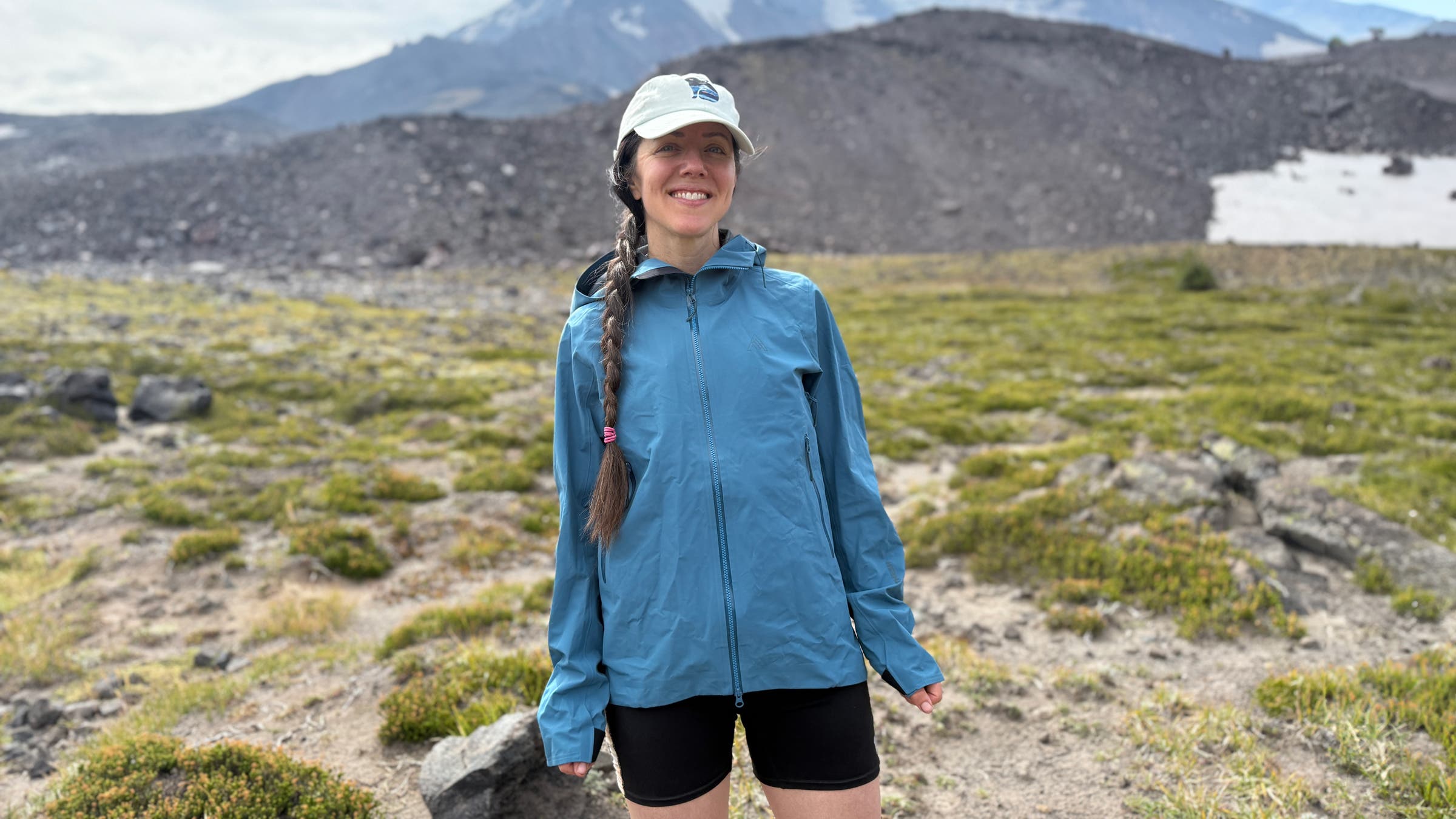
For outdoor enthusiasts who demand absolute peak performance and are willing to invest heavily in their gear, the Canadian-based brand 7mesh offers the Guardian Apex. Retailing at a steep $600 and weighing 10.9 ounces for men and 9.9 ounces for women, this high-end shell is designed to tackle the most demanding alpine environments. The high price tag naturally raises expectations, but field testers confirmed that the Guardian Apex delivers on its lofty promises.
The jacket addresses the traditional vulnerability of pit zips—which often fail to vent effectively when a wearer’s arms are pinned down by backpack shoulder straps—by incorporating innovative diagonal pit zips. These clever openings kept testers from overheating even during intense upper-body movement. Furthermore, the specialized nylon face fabric manages to strike a rare balance, offering exceptional breathability while remaining remarkably rugged. Testers reported that the material easily survived grueling bushwhacks through sharp brambles and dense brush without a single snag or tear.
Ultralight Innovations and Shoulder-Season Solutions
For backpackers and fast-and-light enthusiasts striving to trim every possible ounce from their base weights, the Marmot SuperAlloy Bio presents an compelling option. Tipping the scales at a scant 5.8 ounces for the men’s medium—roughly comparable to the cult-classic, budget-friendly Frogg Toggs Ultra Lite—this minimalist shell takes up virtually no space in a pack, making it an ideal emergency layer to bring along just in case the weather turns.
Despite its feathery construction, the SuperAlloy Bio punches well above its weight class. Utilizing a 2.5-layer NanoPro fabric that incorporates partially plant-based materials, the jacket successfully kept testers dry during extended exertion under heavy pack loads in fifty-degree temperatures. The face fabric also proved surprisingly durable, resisting fraying and wear despite repeated exposure to abrasive trail conditions. The primary compromise for achieving such low weight and bulk is the complete absence of traditional hand pockets, but for hyper-efficient hikers prioritizing packability, the tradeoff is well worth it.
At the opposite end of the spectrum in terms of seasonal utility and design philosophy is the Páramo Velez Adventure Smock. Weighing 25.4 ounces for men and 25.0 ounces for women, and retailing around $400, this garment is decidedly heavy and bulky compared to modern ultralight membranes. It completely eschews a traditional waterproof-breathable membrane in favor of a durable water-repellent treated polyester face backed by a specialized directional wicking fabric.
Consequently, the Velez Adventure Smock is far too warm for balmy summer downpours and is much better suited for chilly shoulder-season conditions. Yet, for hikers who run hot, it shines precisely when temperatures plummet. In cold, damp weather, it breathes and maintains its internal moisture management significantly better than standard three-layer rain shells. Venting options are expansive, featuring bicep zippers and a unique horizontal front flap across the torso that allows users to dump accumulated heat rapidly before they begin to steam up on steep ascents. Additionally, the garment stands out for its environmental credentials, being remarkably easy to repair and fully recyclable at the end of its lifecycle.
For mountain runners, fastpackers, and speed-oriented adventurers who measure their gear in fractions of an ounce, the Montane Featherlite Nano occupies a unique niche as the ultimate emergency layer. Weighing a mere 1.8 ounces in the men’s version, this gossamer, hoodless jacket packs down to the size of a small fist and can be easily stashed in a pocket. Constructed from a ten-denier recycled nylon exterior, it is not designed to withstand a multi-day alpine deluge. However, it handled surprise desert downpours with surprising resilience during field testing. Testers confirmed its exceptional breathability following a full day of strenuous mountain biking along the rim of the Grand Canyon, noting that it successfully blocked chilly winds without trapping internal sweat.
Making the Right Choice for High-Exertion Adventures
When shopping for a rain jacket designed to manage high-output perspiration, experts emphasize that consumers must understand the fundamental engineering compromises involved. While modern waterproof-breathable membranes are ubiquitous across the outdoor industry, the vast majority of jackets ultimately prioritize absolute waterproofing over breathability, or vice versa. Shells capable of withstanding a torrential, all-day downpour without wetting out frequently struggle to vent internal moisture quickly enough during strenuous climbs. Conversely, garments engineered for maximum breathability are often better suited for passing showers and light precipitation rather than major multi-day storms.

Beyond the intrinsic breathability of the fabric itself, shoppers are advised to examine the mechanical venting architecture of the jacket. Even the most advanced, high-tech membrane on the market cannot dump accumulated body heat as efficiently as a well-placed set of pit zips, bicep vents, or mesh-backed pockets that allow fresh air to circulate directly against midlayers. Packability and weight also play crucial roles for hikers who consistently run hot. Selecting a lightweight, highly compressible jacket that can be balmed up and stuffed into a pack without hesitation is often a vastly superior strategy than carrying a heavy, rigid shell that remains buried at the bottom of a pack until conditions deteriorate beyond endurance.