



For the renowned financial independence blogger and early retirement advocate known as "Mr. Money Mustache," the ultimate draw of breaking away from the traditional 9-to-5 grind has always been freedom. Two decades after stepping away from a demanding career in technology, that foundational motivation continues to shape his lifestyle choices.
Back in 2005, the primary catalyst for pursuing early retirement was the desire to dedicate his most energetic hours to fatherhood. Anticipating that a rigorous career in the tech sector would prove incompatible with the full-time demands of raising children, he made the bold choice to exit the traditional workforce. Eighteen years later, that calculated risk has yielded a deeply rewarding journey. Reflecting on the passage of time, he notes that it has been thirteen years since he first chronicled his son starting kindergarten—a milestone that now feels distant as that same child officially completes high school.

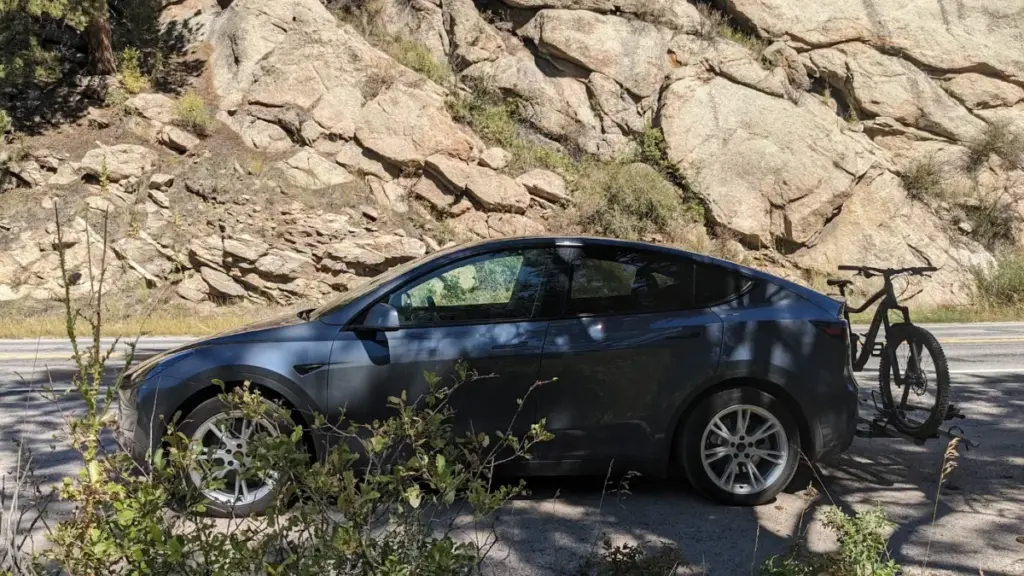
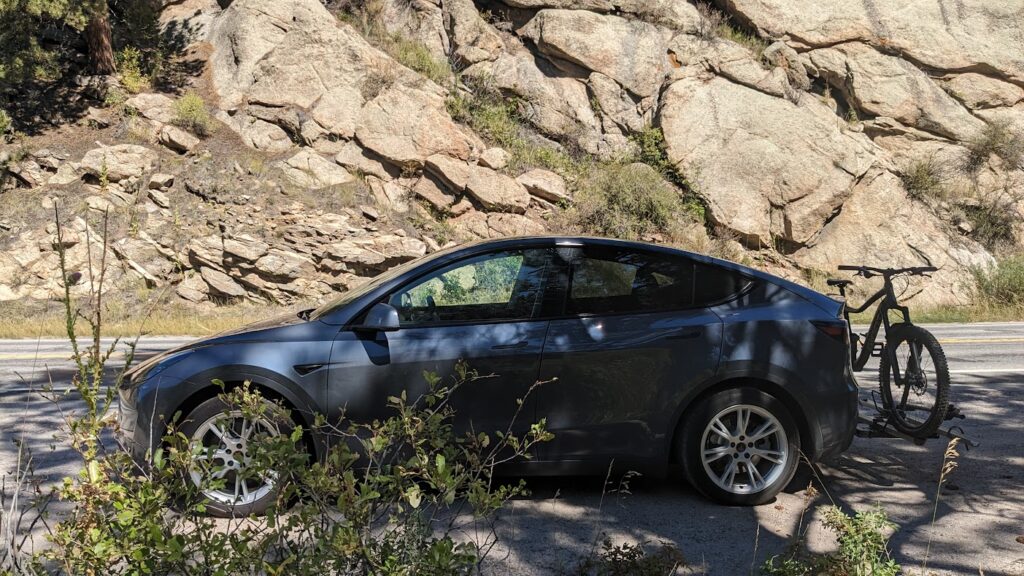
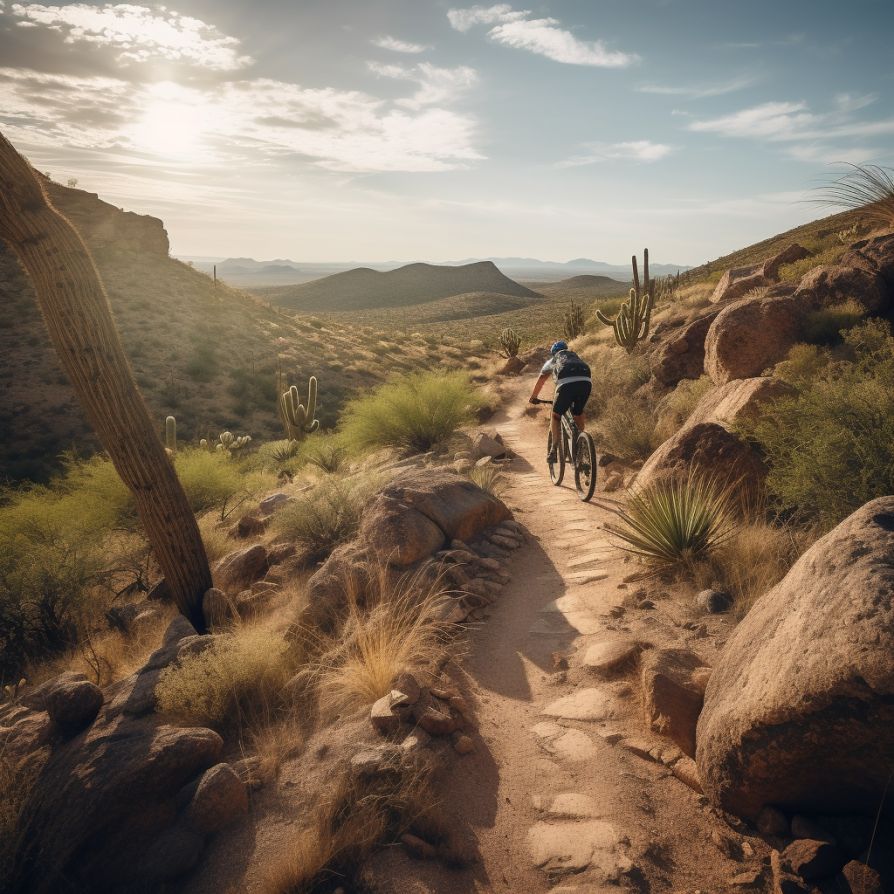
This transition out of the intensive child-raising phase has opened a new chapter, prompting the retirement pioneer to cash in a portion of his metaphorical "freedom chips" for a significant lifestyle shift. Beginning December 1, he will pack up essential clothing, tools, gadgets, and his prized mountain bike into his Tesla Model Y to embark on a road trip across the mountains. Accompanied by his son, the journey will take them west just in time to escape the biting Colorado winter, landing them in a warm, sunny, and completely car-free environment: Culdesac Tempe.
A New Chapter in a Car-Free Community
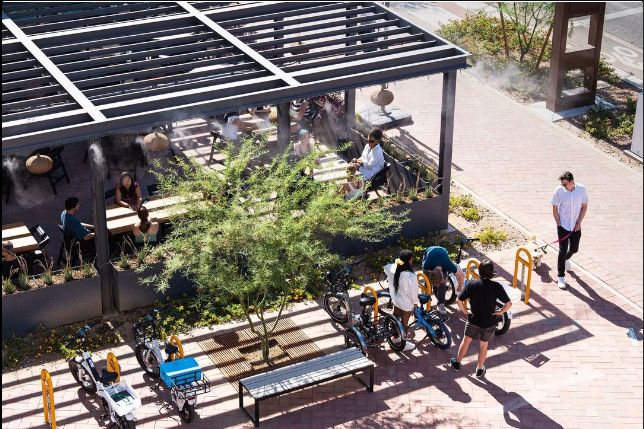
For years, the blogger has been an outspoken advocate for urban designs centered around human mobility rather than automobile dependency. His destination, Culdesac Tempe, represents a real-world manifestation of those ideas—a master-planned, car-free neighborhood designed around walking, biking, and light rail transit.
The father-son duo has secured a spacious two-bedroom apartment for a four-month stay. Under their arrangement, his son will alternate months between Arizona and Colorado to maintain time with both parents, while the elder resident remains in Tempe for the duration of the winter. This move is designed to intentionally disrupt established routines and challenge him to invent an entirely new daily life away from the familiar comforts of his home community and active construction projects in Colorado.
While a vehicle is required to transport two people and four months of supplies across state lines, the car will immediately be parked offsite upon arrival. From that point forward, the lifestyle will be entirely car-free, relying on walking, cycling, the adjacent light rail system, and the community’s on-site bike, scooter, and vehicle-sharing lots. This mirrors the low-automotive lifestyle he practices at home, where cars are typically reserved exclusively for heavy hauling or long-distance interstate travel.
The Broader Philosophy of Strategic Hardship
Beyond the personal appeal of escaping winter and experiencing a novel urban design, the move serves a broader purpose. By embedding himself in a community aligned with his values, he hopes to demonstrate the power of deliberate life changes and encourage others to question the status quo.
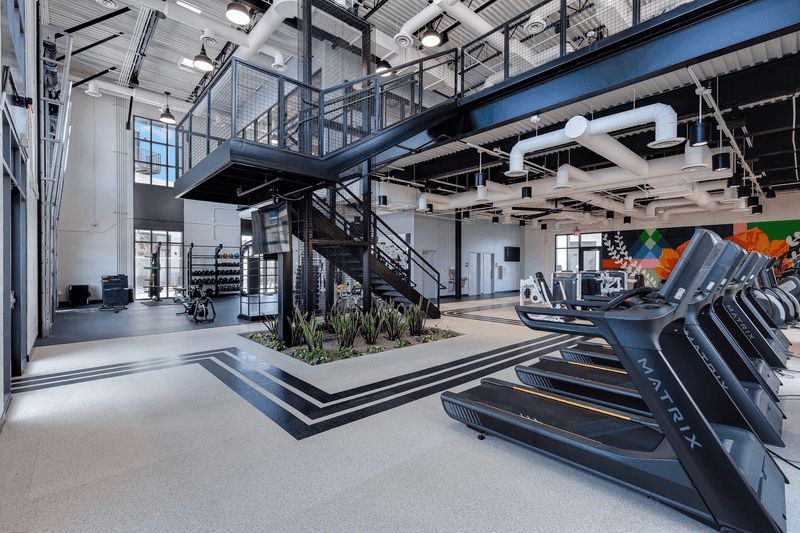
In prosperous societies, human tendencies often lean toward comfort, leading people to settle into predictable patterns driven by convenience, routine, and luxury purchases once basic shelter and food are secured. To counter this stagnation, the philosophy advocates for setting life’s treadmill to a slightly steeper incline—introducing intentional challenges that prevent complacency.
This concept finds support in modern behavioral science, notably in the book Dopamine Nation by psychiatrist Dr. Anna Lembke. The central premise suggests that the human brain establishes a baseline for contentment based on the most demanding activities an individual undertakes. Engaging in difficult, purposeful endeavors makes everyday life feel remarkably rewarding, whereas eliminating all hardship can leave even pleasurable experiences feeling muted and unmotivating.
Throughout his life, the most transformative decision was moving alone to the United States at age 24, leaving behind established social circles and professional networks. Looking back decades later, that initial leap of faith fundamentally elevated his life trajectory, proving that deliberate exposure to difficulty yields long-term dividends. Whether through changing physical routines, exposing the body to varying temperatures and strenuous movement, or expanding social circles through community groups, the core message remains consistent: pointing oneself in a challenging direction and starting the journey is essential for sustained personal growth.
Managing Home Base and Future Horizons
Maintaining properties across state lines requires careful logistics. His primary residence in Colorado features a two-bedroom main floor paired with a separate walkout lower-level apartment. While typically utilized as a single unified home to host visiting friends, the winter arrangement involves renting out one of the spaces to a trusted acquaintance or friend. This approach keeps a watchful eye on the property while embodying a classic Mustachian financial strategy: generating revenue while traveling.
Looking ahead to the end of March, long-term plans remain intentionally open-ended. After the four-month winter experiment concludes, he plans to return to his Colorado home base while continuing to layer in fresh adventures, including ongoing involvement in mountain property development projects. Meanwhile, updates on the Arizona experiment continue to be documented for followers interested in the ongoing evolution of car-free urban living.