





By Staff Reporters
In an era where personal finance influencers often face public scrutiny the moment their net worth surpasses conventional thresholds, one of the pioneer voices of the modern financial independence movement is pushing back against his critics. For years, readers and online commentators have watched the evolution of the persona known as Mr. Money Mustache, observing a shift from a regular early-retiree documenting a frugal lifestyle to a figure of substantial wealth.
The online narrative from some former followers often follows a predictable script: accusations that success has distanced him from the everyday financial struggles of ordinary people, accompanied by assumptions that the habits which built his initial fortune have long since been abandoned behind closed doors.
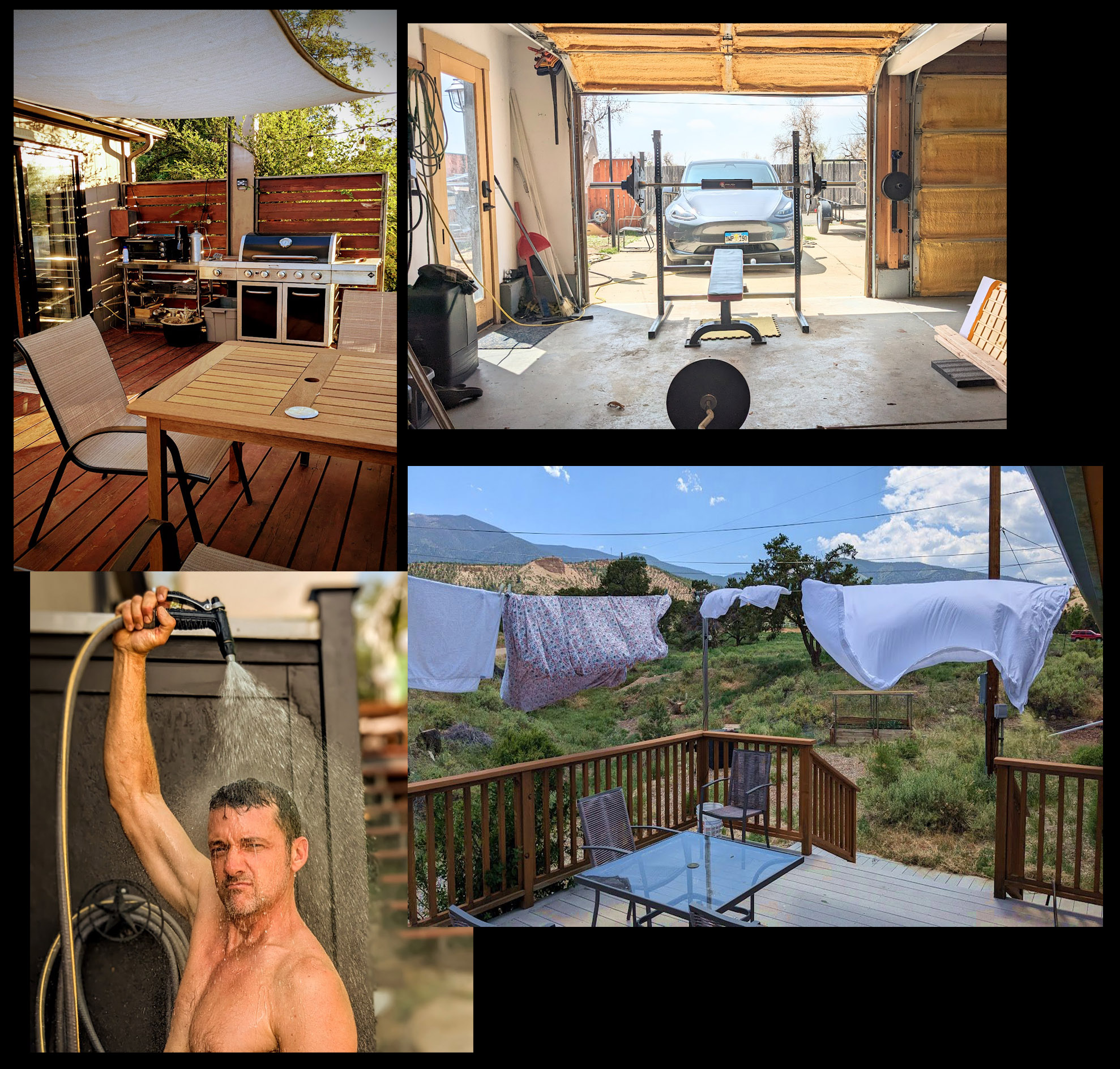
Yet, for those who pioneered or closely followed the "Mustachian" philosophy, these criticisms miss the fundamental point of the movement. Personal life details published online naturally invite misunderstanding, but the underlying mechanics of the lifestyle remain remarkably durable. Observers who manage to look past the internet commentary often discover a reality that defies conspiracy theories: the lifestyle design principles promoted over the past decade continue to function precisely as intended, regardless of the bank balance attached to them.
The Core Philosophy: Efficiency Over Sacrifice
At the heart of the debate lies a distinct philosophical divide between standard financial planning advice and the tenets of Mustachianism. Traditional financial guidance typically encourages individuals to slash spending and endure short-term sacrifices strictly until they hit a designated savings percentage or retirement milestone. Beyond that threshold, traditional advice suggests that personal choices dictate everything, and an increase in income simply means fewer sacrifices are required on the road to affluent retirement, or "FatFIRE."
In contrast, the philosophy championed by Mr. Money Mustache focuses on cultivating a continuous appreciation for efficiency, creativity, self-awareness, and personal improvement. Rather than treating frugality as a temporary penance to be endured before a lifetime of leisure, this approach uses practical knowledge to permanently enhance day-to-day life. The financial savings accumulate almost as a byproduct of living more resourcefully, resulting in a monthly expense rate that trends downward even as total wealth increases over time.
For long-term adherents, this dynamic explains why net worth levels have risen steadily over the years without triggering a corresponding inflation in lifestyle costs. The baseline premise was never about enduring misery to reach a finish line; it was about designing an enjoyable, sustainable existence from the very beginning.
Practical Self-Sufficiency and Home Economics
Translating this philosophy into modern daily routines involves choices that range from conventional cost-saving measures to idiosyncratic home experiments. To evaluate the true financial impact of these habits, long-term practitioners often measure savings not on a monthly basis, but across decades, utilizing the financial principle that monthly expenses compound significantly when consistently invested over ten-year spans.
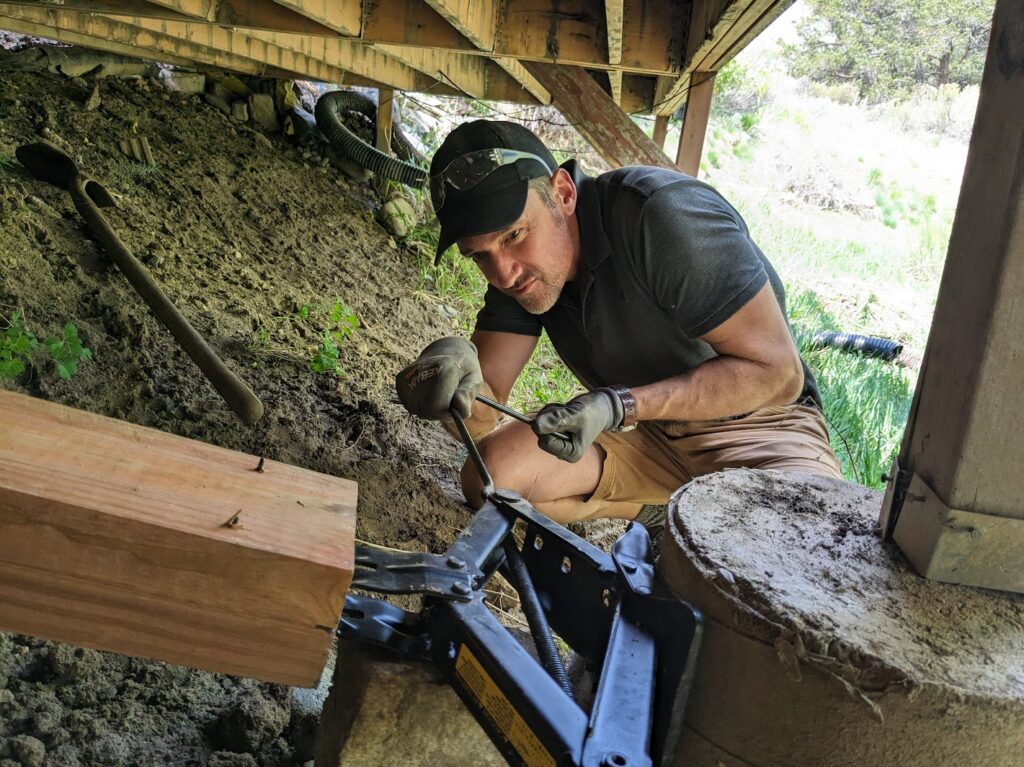
One primary pillar of this lifestyle is radical self-sufficiency, particularly when it comes to housing and property maintenance. Rather than depending on a revolving door of external contractors, the philosophy encourages individuals to become producers of the goods and services they consume. For those who enjoy architectural design and functional spaces, tackling complex home renovations transforms from a chore into a primary leisure activity.
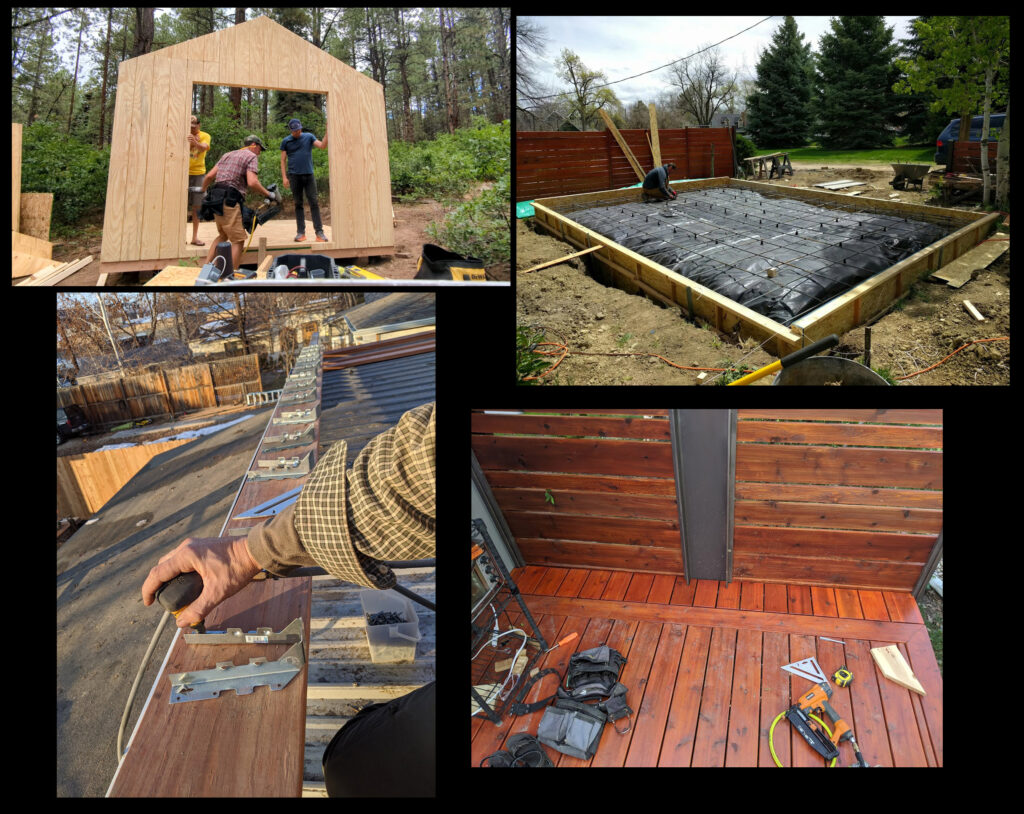
By mastering trade skills to redesign aging residential spaces—both for personal properties and within the broader community—practitioners eliminate thousands of dollars in contractor overhead. Proponents calculate that such hands-on labor, when averaged over time and projected across a decade, can compound into hundreds of thousands of dollars in preserved wealth.
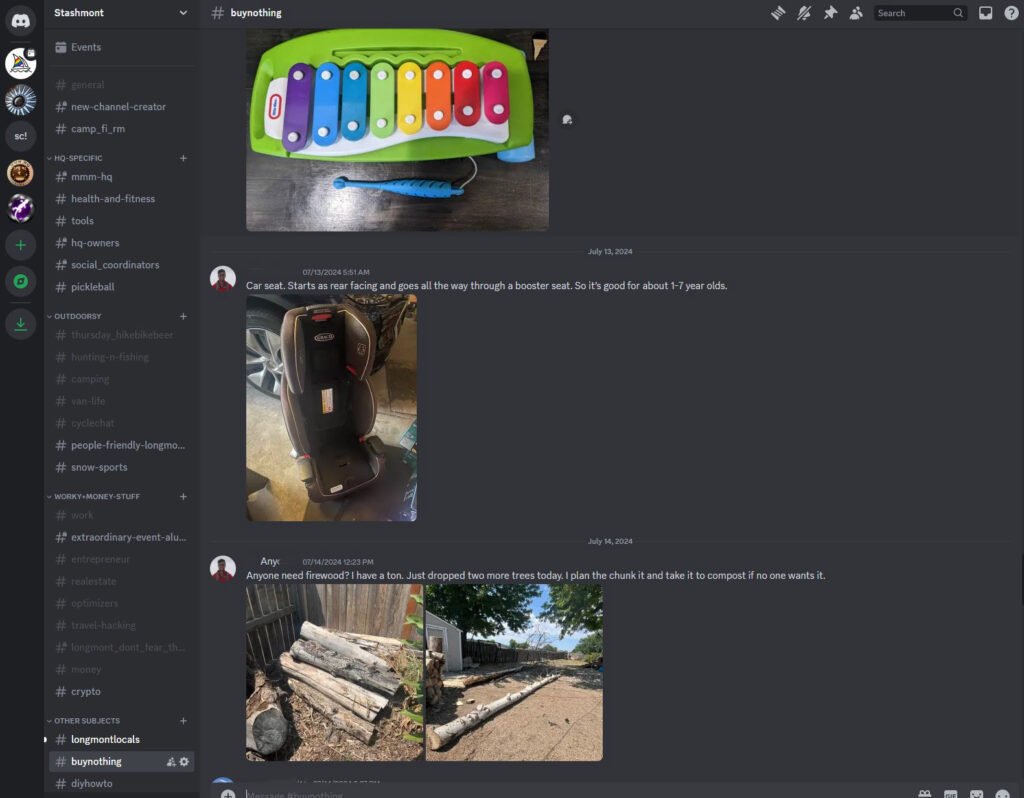
Parallel to home maintenance is the systematic rejection of immediate retail convenience in favor of community-based sharing and reuse. While financial success affords the ability to purchase newly manufactured goods delivered directly to a doorstep, the Mustachian approach often prioritizes repurposing and acquiring high-quality items from peers who no longer need them. Digital platforms, neighborhood networks, and localized peer groups facilitate an ongoing exchange of goods and collaborative project assistance. Whether through organized community Discord channels or regional online marketplaces, this localized circular economy generates steady savings while simultaneously reinforcing social bonds among neighbors.
Active Transportation and Physical Vitality
Transportation choices remain another cornerstone of the lifestyle, with active mobility continuing to replace motor vehicle usage wherever feasible. While the financial case for bicycle transportation over automobile ownership is well-documented—primarily due to the steep depreciation, insurance, and maintenance costs associated with cars—the broader impact extends deeply into personal health and daily well-being.
Living centrally within a smaller urban footprint allows individuals to complete the vast majority of local errands by bicycle or on foot. Although lower annual mileage translates to modest direct vehicle savings on a yearly basis, the cumulative effect over a decade remains substantial. More importantly, choosing active transportation over motorized convenience alters the physical fitness baseline of the individual.
This preference for physical exertion over mechanical ease extends into everyday chores and recreation. Opting for stairs over elevators, manual landscaping over machine operation, and physical labor over outsourced moving services operates on a simple guiding principle: continuous physical engagement yields long-term health dividends. Proponents argue that avoiding the sedentary habits typical of modern life drastically reduces lifetime healthcare expenditures and medicinal reliance, while simultaneously boosting daily energy and productivity levels.
Energy Efficiency and the Modern Homestead
Energy management within the household offers another avenue where engineering curiosity intersects with financial pragmatism. By treating a personal residence as an ongoing workshop for efficiency experiments, homeowners can significantly lower their utility footprints. Structural modifications—such as strategic passive solar orientation, optimized insulation, and localized environmental controls—allow residents to live in closer harmony with seasonal shifts rather than fighting the climate through constant mechanical conditioning.

While the financial savings from reduced gas and electric consumption might appear modest relative to the overall effort involved, the intrinsic satisfaction derived from operating an energy-efficient homestead often outweighs the pure monetary calculation. For those with a penchant for tinkering, the home functions as a recreational playground rather than a passive shelter.
Similarly, a conscious reevaluation of travel habits can yield dramatic financial and personal benefits. In a culture where frequent, elaborate vacations have become a standard marker of modern leisure, opting for localized living can transform the summer season. By choosing to invest time into local friendships, community projects, and nearby natural amenities rather than committing to frequent long-distance travel, families can substantially prune incidental expenses. Proponents emphasize that while travel remains a valuable tool for broadening perspective, balancing it with periods of sustained home life preserves both financial capital and the mental well-being that comes with rooted community connections.
The Cumulative Impact of Everyday Habits
When these individual habits are aggregated over a ten-year horizon, the financial totals reveal a striking reality. Conservative estimates of savings derived from home maintenance, community sharing, active transportation, health preservation, energy efficiency, and mindful travel planning routinely compound into figures that exceed the median net worth accumulated by many seniors approaching retirement after decades of conventional workforce participation.

Critics may continue to view these practices through the lens of internet skepticism, questioning whether a successful author still engages in the gritty work of manual labor and thrift. Yet for the community of practitioners who quietly apply these principles year after year, the motivation has long since ceased to be purely about the money. Frugality, efficiency, and self-reliance become self-sustaining sources of entertainment and fulfillment—proving that the core tenets of the movement remain as potent today as they were when the conversation first began.