


As another U.S. presidential election cycle reaches its peak, the political landscape is once again dominated by fierce partisan clashes between candidates. For financially literate citizens and proponents of intentional personal finance, the ongoing debate between the major political contenders often feels disconnected from reality. While conducting research and casting a ballot remains a civic duty, seasoned observers recognize that obsessing over national political theater yields little practical value. Instead, the focus rightfully returns to personal agency and the elements within an individual’s circle of control.
Yet, despite the noise surrounding the campaign trail, one critical domain demands a clearer, fact-based perspective: the economy, personal wealth, and the broader financial health of the nation. Politicians have rarely been celebrated for their technical mastery of complex disciplines such as science, technology, or economics. However, the discourse during the current election cycle has scaled new heights of absurdity. Candidates vying for undecided voters in crucial swing states frequently deploy talking points rooted in irrational emotions rather than sound economic fundamentals.
A prominent example of this disconnect is the persistent narrative pushed by the opposition party, which attacks the incumbent administration over what it characterizes as a "bad economy." In stark contrast to this political rhetoric, macroeconomic data indicates that the United States economy remains remarkably robust, underpinned by historic lows in unemployment. Finding a more favorable macroeconomic environment is difficult, and the recent bout of elevated inflation serves primarily as a symptom of an economy that was operating at a rapid pace, necessitating a deliberate deceleration through higher interest rates.
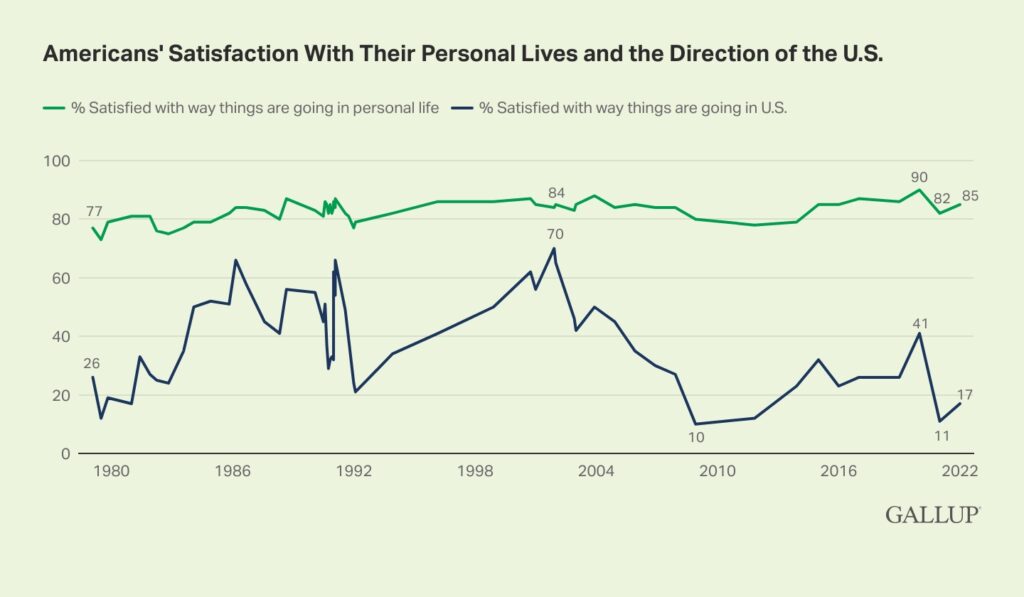
Despite these positive indicators, public perception remains heavily skewed. According to recent Gallup polling data, while an overwhelming majority of individuals report that their personal financial situations are thriving, only a fraction believe that the broader economy is performing well. This creates a statistical contradiction: if the vast majority of households are succeeding financially, that condition inherently defines a healthy economy. Analysts note a strong correlation between this widespread economic pessimism and the proliferation of misinformation across social media platforms.

Rather than providing objective clarity, political figures and media outlets frequently exacerbate public misunderstanding. While individuals can simply tune out the rhetoric and proceed with their lives, financial literacy remains a powerful tool. A precise understanding of how economic systems function ultimately empowers individuals to build greater wealth and security. To counter the prevailing misinformation, financial analysts and commentators have sought to dismantle the most pervasive economic myths propagated by political figures.
The Illusion of Presidential Economic Control
A foundational misconception in modern politics is the notion that the sitting president directly controls the trajectory of the national economy. During economic downturns, opposition parties routinely pin the blame on the current administration, while presidents eagerly claim personal credit for periods of expansion. In reality, the U.S. economy is vastly too expansive and decentralized for any single political figure to exert direct control or monumental influence.
The American economy functions as a massive, complex machine that converts labor and raw materials into goods and services, ranging from consumer technology to healthcare and agriculture. Although the United States represents the world’s largest economy, accounting for roughly a quarter of global economic activity, it remains heavily influenced by the remaining seventy-five percent of production generated across the globe.
Inevitable economic cycles of expansion and contraction are largely driven by human psychology—periods of irrational exuberance and credit expansion, such as the housing boom preceding 2007, followed by corrections characterized by sharp shifts in sentiment. While government policies regarding taxation and regulation play a secondary role, the effects of these policies are frequently delayed and unpredictable. Consequently, drawing a direct causal line between a specific administration and short-term economic fluctuations remains analytically unsound.
Misunderstanding Monetary Policy and Interest Rates
Another recurring theme on the campaign trail involves political candidates feigning sympathy for middle-class Americans grappling with higher borrowing costs for credit cards, auto loans, and mortgages. Candidates frequently pledge to intervene and force interest rates downward, with some even openly criticizing the independence of Federal Reserve board members.
In practice, monetary policy serves as a vital regulatory mechanism for the broader economy rather than a political tool to be wielded by the executive branch. When economic activity slows and unemployment rises, strategic reductions in interest rates stimulate hiring and asset values. Conversely, when economic growth accelerates too rapidly, tighter monetary policy helps curb inflationary pressures. Protecting the independence of central banking institutions is widely regarded by economists as essential to preventing systemic instability.
Inflation, Wages, and the Purchasing Power Reality
The political narrative surrounding inflation often overlooks fundamental wage dynamics. Following the disruptions of the global pandemic, the economy experienced a period of rapid inflation driven by a combination of supply chain bottlenecks, shifts in consumer demand, and low interest rates. These pressures have since subsided significantly, bringing inflation back down toward historical norms.
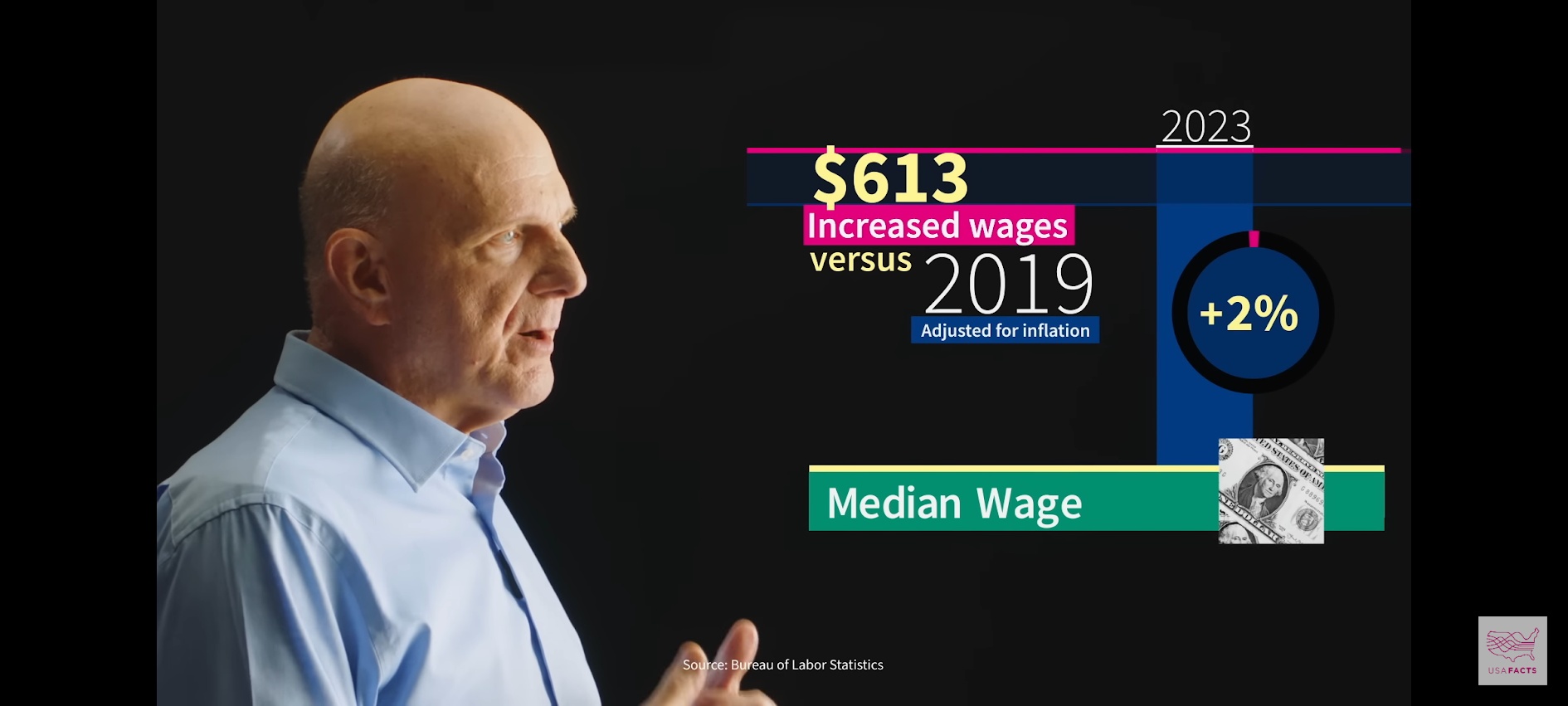
Crucially, comprehensive wage growth has outpaced overall inflation over the extended term. Since 2019, cumulative price increases have been eclipsed by broader wage gains, meaning the average household possesses greater purchasing power than it did prior to the pandemic. Nevertheless, political candidates continue to frame inflation as an ongoing crisis, occasionally attributing price adjustments entirely to corporate greed. Rigorous economic analyses, including comprehensive studies of grocery pricing trends, have repeatedly shown that standard retail margins remain stable, disproving claims of widespread profiteering.
The Complexities of Housing and Real Estate Markets
While broader inflation has been met with corresponding wage increases, the housing sector presents a distinct set of challenges. Over the past decade, housing prices and rental rates have outpaced general inflation and wage growth. Higher interest rates, intended to cool the broader economy, have compounded the issue by increasing borrowing costs for prospective buyers without immediately driving down purchase prices.
Proposed political remedies, such as first-time homebuyer subsidies or artificial interventions in mortgage rates, often risk exacerbating the underlying supply shortage. Economists and housing advocates argue that the sustainable solution lies in expanding housing inventory by removing regulatory roadblocks, streamlining building permits, modernizing building codes, and reforming restrictive zoning laws that constrain residential development.
Energy Markets and Gasoline Pricing
Gasoline pricing has long served as a staple of political debate, yet it represents a relatively minor component of modern household expenditures. When adjusted for inflation, gasoline prices remain comparable to historical levels seen decades ago. Furthermore, despite the prevalence of larger vehicles, the average household dedicates a modest share of its disposable income to fuel.
The ongoing focus on petroleum pricing also overlooks the rapid evolution of transportation technology. Electric vehicles have achieved widespread commercial viability, offering lower maintenance costs and eliminating the need for gasoline entirely for a growing segment of the driving population.
Reevaluating Economic Anxiety
Ultimately, mainstream political discourse often centers on anxieties that overlook the broader picture of modern prosperity. In developed nations, basic material needs have largely been met for decades, transforming economic debates into discussions about marginal luxuries rather than fundamental survival. While wealth inequality remains a legitimate public policy concern best addressed through progressive taxation and social safety nets, accumulating financial capital beyond the threshold of sufficiency rarely correlates with increased personal well-being.
As the election approaches, distinguishing between political theater and economic reality remains essential. By focusing on personal financial literacy and factors within individual control, citizens can navigate political noise while building long-term security and stability.