


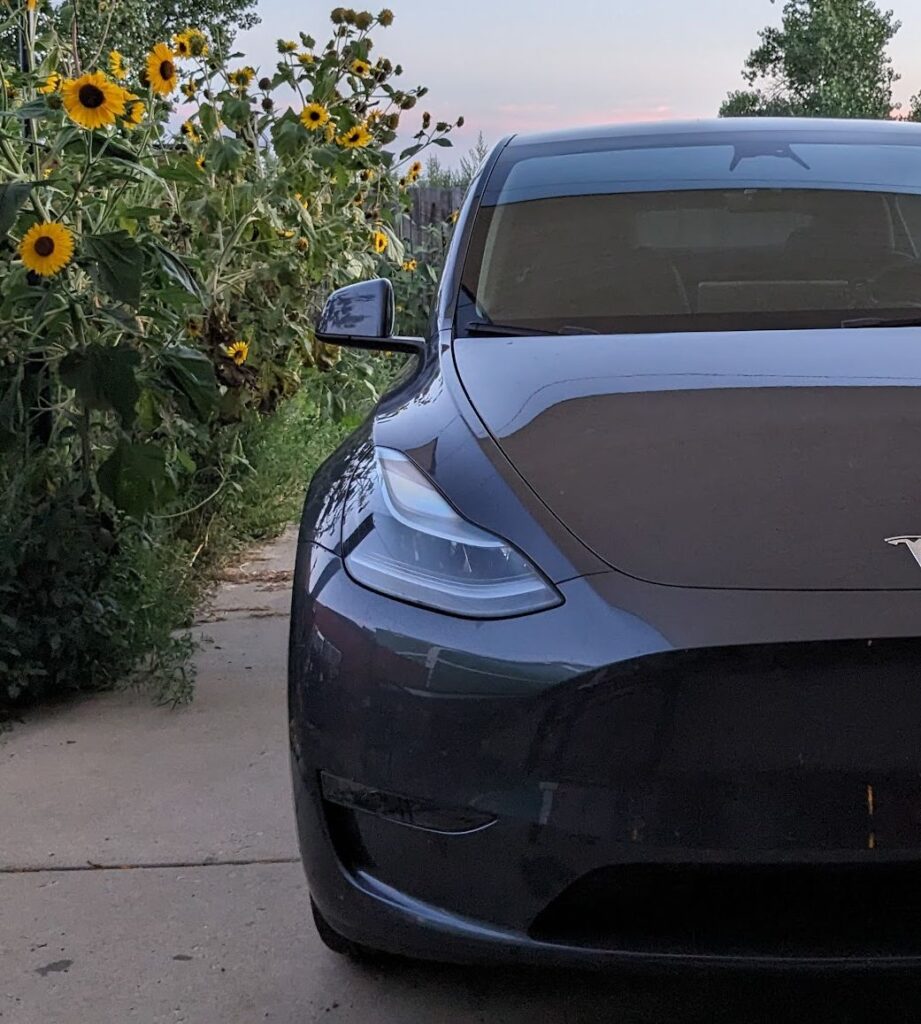
Two years ago, the prominent financial independence blogger known as Mr. Money Mustache sparked a lively debate among his devoted followers by publishing a reflective piece about a conscious shift in his lifestyle. Rather than sticking strictly to the ultra-frugal, lean retirement practices that built his reputation, he decided to intentionally loosen the purse strings. The first tangible step in this new "abundance mindset" experiment was purchasing a Tesla Model Y.
At the time, the financial personality looked back at his own shift with a mixture of self-awareness and amusement, wondering if he was simply acting like a stereotypically enlightened middle-aged figure adjusting his habits overnight. He imagined himself stepping gracefully into the next several decades of a more comfortable lifestyle.
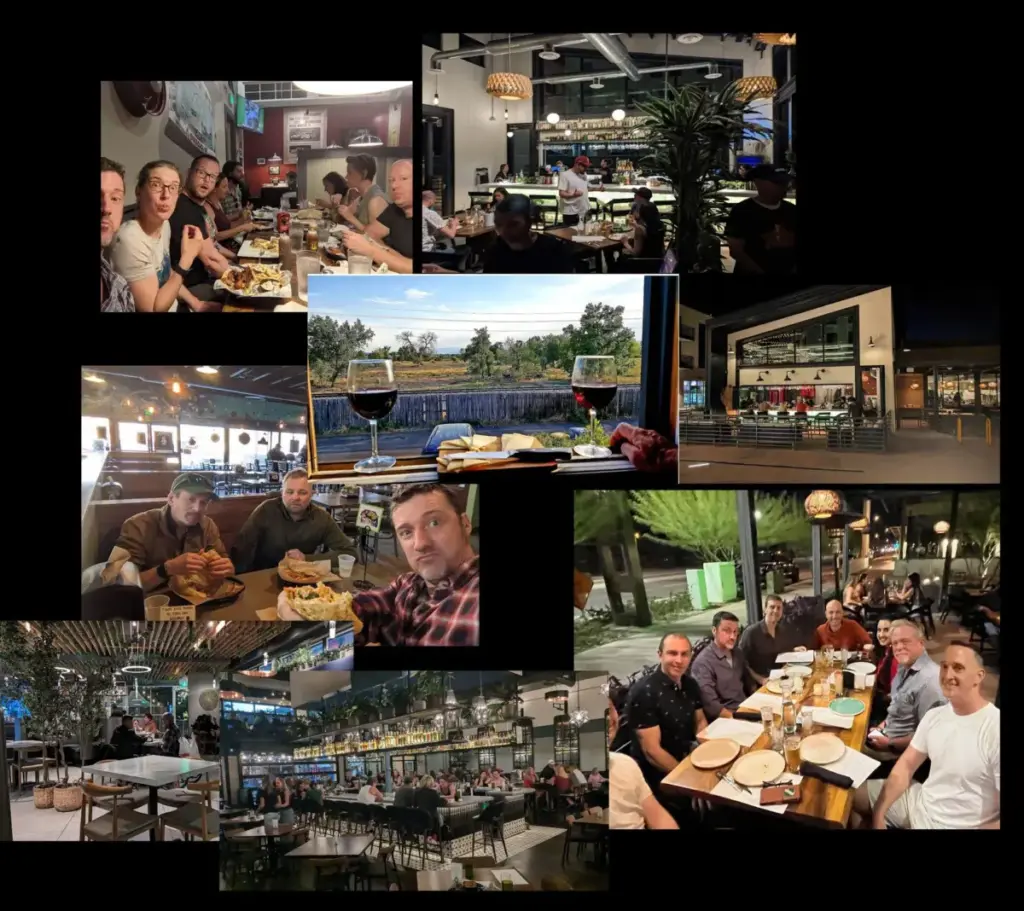
For the subsequent two years, that feeling of financial abundance translated directly into daily life. Having spent much of the period as a single man with a wide-open schedule, he embraced a lifestyle of travel, spontaneity, and comfort. He dined out at stylish restaurants, selected hotels based on their amenities rather than their baseline cheapness, and routinely paid extra for upgraded airline seats to secure a more comfortable flight. His grocery habits shifted too, moving away from exclusive reliance on warehouse clubs like Costco and Sam’s Club to occasionally paying double at premium grocers like Whole Foods, despite maintaining memberships at multiple warehouse stores simultaneously.
His adventures included a steady rotation of late-night EDM concerts enjoyed alongside his young adult son, alongside road trips to multiple Meowwolf art installations. One particularly memorable excursion involved a Christmas Day road trip from his winter residence in Tempe, Arizona, straight to Las Vegas. These experiences created a sense of an expansive, highly adventurous transition phase where time seemed to stretch far beyond the boundaries of a standard calendar year.
Amidst all this flashy spending and jet-setting, he assumed his personal budget must have crept steadily back into the traditional territory of the high-consumption American consumer. However, he was simply having too much fun to pause and tally up the numbers.

The reckoning finally arrived during a casual coaching session with a friend. As the two compared notes and decided to review their respective annual expenditures, Mr. Money Mustache sat down to sort his financial transactions into a spreadsheet. When he finally hit the summary button, the results caught him entirely by surprise.
While his overall spending had indeed increased—particularly within travel-related categories—the macroeconomic impact on his personal balance sheet remained surprisingly modest. Depending on how variables like vehicle costs and business expenses were accounted for, his total annual spending landed somewhere between $20,000 and $30,000, bolstered by the hidden subsidy of a fully paid-off home.
This level of expenditure remains easily sustainable under standard financial planning metrics, comfortably supported by a standard $1 million investment nest egg. Given that his actual investment portfolio sits significantly higher than that threshold, fueled by years of strong economic growth and a prolonged stock market rally, he remains comfortably under budget.
Though he humorously notes that he "failed" to truly elevate his spending to the lavish levels often recommended for older, wealthy individuals, the outcome left him genuinely satisfied. The experiment proved that he could adopt an abundance mindset, enjoy richer experiences, and still maintain his core financial independence principles. He plans to continue running similar lifestyle experiments in the coming years.
Reflecting on these insights, he points back to a concept discussed on his blog regarding an "optimization council," emphasizing the ongoing value of comparing spending habits, tips, and life hacks to maximize personal fulfillment. Nearly two years into his early retirement, this is where his financial journey has brought him, though he remains open to continuous learning and feedback.
Breaking Down the Annual Budget
When examining the detailed numbers behind the $30,000 yearly total, personal expenditures combined with business-card allocations reveal a clear picture of his lifestyle. Groceries accounted for roughly $5,960.39, a total that covered food for himself, his young adult son about half the time, and occasional visiting guests. Restaurant spending sat at $2,243.59, reserved strictly for special social occasions rather than routine daily convenience.
Travel emerged as a significant category, totaling $6,158.77 across personal and business accounts, driven in part by professional travel to industry events like Camp Fi and other gatherings. Utilities cost $1,909.51, while property taxes remained remarkably reasonable at $2,577.30, particularly considering the $500,000 to $600,000 market value of homes within his neighborhood.
Automobile expenses, covering insurance and registration, totaled $2,425.21, though depreciation could theoretically be factored in for absolute precision. Communications and connectivity costs included a remarkably affordable $50 monthly rate for gigabit internet alongside a modest mobile phone bill, totaling $1,410.56 annually. Healthcare costs were kept remarkably low at $3,536.66 through a combination of a direct primary care subscription and a health-sharing organization, supplemented by occasional advanced blood screenings for personal health tracking. Finally, household maintenance and Amazon purchases totaled $3,554.10, though roughly 75% of those business-classified expenses represented construction materials for client projects—usually friends—which were subsequently reimbursed via invoice.
Compared to historical spending figures from prior years, the total remains remarkably stable despite recent inflationary pressures. Increased spending on travel and entertainment was successfully balanced by lower home renovation costs, stemming largely from spending less time at home due to his active travel schedule. Meanwhile, healthcare costs represent a new baseline expense compared to his earlier years of self-insurance.
The Power of Housing and Health Care Savings
The single most substantial savings factor in his financial model remains the complete absence of housing payments. Having paid off his mortgage long ago, and maintaining a hands-on approach to home maintenance that eliminates the need for professional lawn care, plumbing, or handyman services, he avoids the largest monthly burden facing most households.
While he acknowledges that paying off the mortgage entirely may not be the mathematically optimal financial strategy—noting that taking out a large mortgage during the low-interest period of 2021 and investing the principal in index funds would have yielded higher returns—the psychological peace of mind remains invaluable. Furthermore, avoiding private home insurance saves an additional $2,000 annually, effectively boosting the return on his initial mortgage payoff.
On the medical front, good health and fortune have kept actual medical emergencies at bay, but his structural approach to healthcare provides a reliable safety net. His setup combines a top-tier Direct Primary Care clinic membership costing around $107 per month with a high-deductible health-sharing plan through Sedera for approximately $201 monthly. Combined, the total monthly cost of $308 undercuts standard bronze-tier health insurance plans while offering personalized primary care with zero deductibles for routine needs, alongside catastrophic protection for major medical events.
Evaluating Future Optimizations
Viewing money primarily as a tool for survival and self-actualization, he continuously evaluates whether further adjustments could enhance his quality of life. Grounded in the psychological principle that fixing persistent daily friction points yields more happiness than simply doubling down on already positive aspects of life, his primary current annoyance is physical space constraints.
Balancing space-intensive hobbies like woodworking, construction, and music within a relatively compact house has maxed out his current two-car, 440-square-foot garage workshop. Ideally, he would prefer to double that workspace, though his affection for his current neighborhood, views, and neighbors makes relocation unlikely unless a rare opportunity arises directly on his block.
Looking further ahead, concepts like a mountain compound featuring private streams and natural cliffs occasionally sit on his long-term radar. However, given that his daily schedule is already filled with engaging projects, managing an additional property would require trade-offs against existing commitments.

As he steps forward into the coming year, he remains enthusiastic about maintaining an abundance mindset and tackling a busy slate of projects.
Meanwhile, as broader economic discussions swirl around potential shifts in federal policy—such as rumors surrounding the future of electric vehicle tax credits—he notes that current market conditions offer historically low pricing for popular electric models like the Tesla Model Y and Model 3, providing a final window for buyers looking to optimize their transportation costs.