

At the end of every racing season, a high school cross-country coach would lay down a strict and unyielding decree: two full weeks off. There were to be no runs, no light jogs, and definitely no cheating the system. For many young athletes, that rule felt less like a prescription for health and more like a punishment. Days would be spent anxiously pawing at the starting gates, driven by the persistent, gnawing fear that even a brief fortnight of rest would instantly evaporate months of hard-earned cardiovascular fitness.
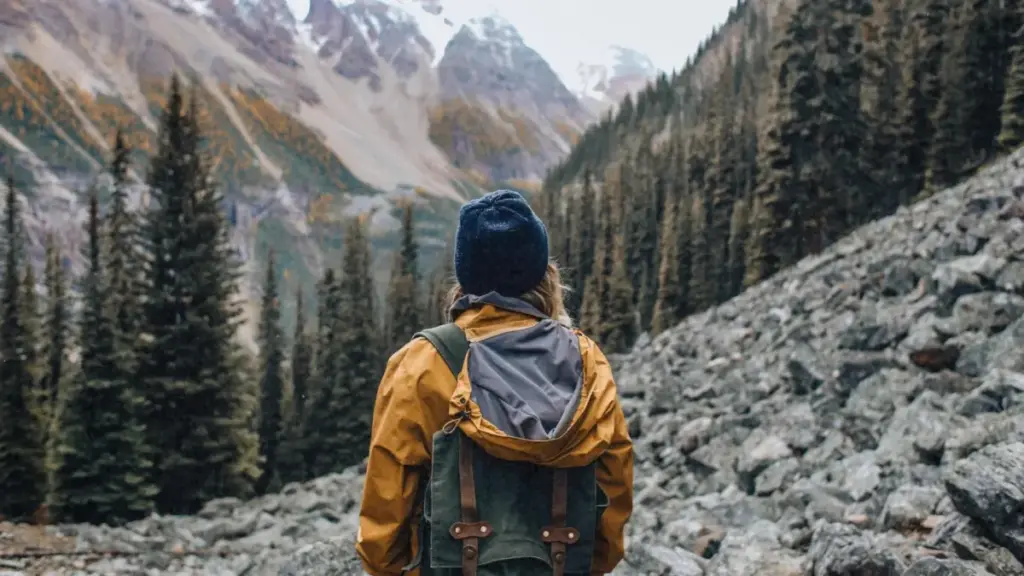
Yet, years later, that same anxiety can manifest in entirely different endurance contexts. Recently, as a seasoned backpacker blearily packed gear for yet another routine trek into the mountains, a profound sense of fatigue took over. Instead of the usual pre-trip excitement, there was a quiet, desperate wish that a strict mentor would suddenly appear on the shoulder and order an immediate halt. A quick mental correction followed: It’s just hiking, the inner monologue argued. Hikers don’t need an off-season.
Or do they?
Who Needs an Off-Season?
In the broader world of endurance sports, a designated off-season is universally treated as a foundational element of training. It is viewed as a crucial window for the body to rest, heal nagging structural injuries, and give the central nervous system a much-needed break from the relentless, repetitive cycle of physical preparation and high-output exertion. Most trail running coaches strongly advise their athletes to take anywhere from two to six weeks completely away from running at least once a year, particularly after checking off a demanding athletic objective.
Runners frequently follow that mandated period of total physical rest with several months of unstructured outdoor time, recreational cross-training, or low-stakes movement. Cyclists, triathletes, and marathoners are similarly conditioned to step back, sometimes committing to up to two full months of reduced intensity or alternative activities before they even begin plotting their next structured training blocks. But hiking has historically occupied a different cultural space. Is walking long distances through the woods with a heavy pack actually an endurance sport, or is it merely a recreational pastime exempt from physiological burnout?
Scientific inquiry suggests the physical toll of hiking is far more substantial than many casual outdoor enthusiasts realize. In 2021, a team of German researchers set out to test a group of regular walkers before and after they completed a grueling 60-mile trek compressed into a single 24-hour period. What they discovered fundamentally challenged casual assumptions about low-intensity movement: the group’s post-hike health markers and physiological stress indicators were remarkably similar to those recorded by finishers of grueling ultramarathon races.
Admittedly, marching 60 miles in a day is an extreme endeavor that far exceeds a typical weekend day hike. Even so, those research results underscore a broader biological reality. Extended periods of low-intensity, long-duration exercise create cumulative muscular, skeletal, and metabolic stresses that closely mirror high-intensity running events. Even for those not undertaking forced single-day marches, stringing together months of high-mileage backpacking trips leaves a lasting, cumulative impact on the human body. For dedicated hikers who log massive vertical gains week after week, a serious recovery plan may need to closely resemble that of an endurance runner.
The Mental Benefits of Taking Time Off
Physical exhaustion and structural wear-and-tear are only part of the equation. Mental and emotional stress are similarly cumulative, and forcing the human mind to maintain an uninterrupted focus on athletic performance, logistics, gear preparation, and weather monitoring can steadily erode a person’s enthusiasm. Incorporating regular off-seasons serves as one of the primary mechanisms for keeping any outdoor activity sustainable as a lifelong hobby rather than a burdensome obligation.
Extended rest is consistently prescribed by sports medicine professionals and coaches as the most reliable antidote to athletic burnout—the exact psychological state that creeps in when gear preparation and trail logistics begin to inspire a sense of dread rather than joy. For backpackers caught in this cycle, looking backward to past athletic experiences can offer a clear template for recovery. Recalling the uncompromising philosophy of a strict high-endurance coach highlights the value of stepping away entirely. Such an approach involves shifting focus toward entirely different pursuits, reconnecting with friends, exploring alternative hobbies, and giving the legs all the time they need to remember what life is like outside of hiking boots.
Putting this philosophy into practice does not necessarily mean hanging up the boots forever. For many outdoor enthusiasts, a modified approach works wonders. This can look like placing a temporary moratorium on long, grueling hikes above the treeline, scaling back multi-day backpacking objectives, or drastically reducing the frequency of heavy leg days each week—cutting a routine from four demanding days down to a single manageable outing.
Even modest adjustments of this nature can make a profound difference. Over the course of a month, the natural sense of stoke and anticipation can slowly begin to return. When the mere thought of hiking shifts from a feeling of heavy exhaustion to a genuine sense of curiosity, it serves as a reliable indicator that the restorative process is working as intended.
Ultimately, the question of whether hikers need an off-season comes down to a combination of physiological training loads and deeply personal mental states. While the physical need varies depending on how intensely someone pushes their limits, the psychological signal is usually unambiguous: if a person feels deep down that they need a break, they almost certainly do. Recognizing those symptoms and having the courage to step back, pivot toward other interests, and let the trails wait is often the healthiest thing an outdoor enthusiast can do.