



Healthy aging is a universal goal for women, yet the daily juggling act of balancing professional demands, home life, and countless other obligations often makes it difficult to prioritize wellness decades down the line. When the immediate challenge is simply deciding what to prepare for dinner tonight, looking ahead twenty or thirty years into the future can feel like an impossible task.
However, health experts increasingly emphasize that those minor, in-the-moment choices—such as whether to cook a nutrient-dense meal or opt for convenience foods—accumulate over time to exert a profound impact on long-term vitality. Nutrition is only one piece of the puzzle; consistent exercise, restorative sleep, and effective stress management techniques are equally critical pillars of lasting wellness.
For women, these foundational choices become progressively more vital with each passing decade. As biological milestones shift, changing estrogen levels can trigger a cascading effect throughout the body, influencing everything from cellular mitochondrial function and cardiovascular health to bone density and cognitive performance. Fortunately, targeted dietary supplements, particularly those engineered for optimal bioavailability, can help maintain healthy nutrient levels as women age, supporting physiological function today and in the decades to come. Understanding how to adapt these nutritional strategies across different life stages offers a roadmap for proactive health management.
Best healthy aging supplements for women in their 40s
While women in their forties are very much in the prime of life, many begin to notice subtle shifts in their physical energy and well-being. These changes are largely driven by hormonal fluctuations, particularly regarding estrogen, progesterone, and testosterone. The fourth decade is typically characterized by the onset of perimenopause. While estrogen is most widely recognized for its pivotal role in reproductive and sexual health, it is also a major driver of bone integrity, muscle mass preservation, collagen synthesis, cholesterol and blood sugar regulation, cognitive acuity, and cardiovascular protection.

While targeted supplementation cannot reverse the perimenopausal transition, it can lay a robust biological foundation for the years ahead by supporting cellular energy production, cellular vitality, and overall systemic health.
Among the foundational allies for this life stage is Vitamin D, often referred to as the sunshine vitamin. It plays an indispensable role in supporting skeletal integrity, cardiovascular health, immune response, and cognitive function. Despite its importance, extensive public health data shows that a significant majority of the population fails to obtain optimal levels of vitamin D through natural exposure and diet alone. Consequently, supplementing with vitamin D3, which raises circulating blood levels more effectively than its D2 counterpart, is widely regarded as a prudent health decision.
To maximize its benefits for skeletal health, vitamin D operates in synergy with vitamin K. Contemporary research demonstrates that optimal vitamin K status assists vitamin D by directing calcium away from arterial walls and safely into bone tissue, where it is needed most. Health professionals frequently recommend periodic blood testing of vitamin D levels to tailor supplement routines precisely to individual physiological demands.
Another cornerstone nutrient for women in their forties is magnesium glycinate. This essential mineral facilitates over six hundred enzymatic processes across the human body, influencing muscle and nerve signaling, cardiovascular stability, and bone density, while also assisting in the activation of vitamin D. Despite its broad utility, magnesium is frequently underrepresented in modern diets, and physiological stores tend to decline naturally with advancing age. Clinical studies indicate that maintaining healthy magnesium intake supports everyday vitality and musculoskeletal wellness. Magnesium glycinate is frequently favored because it is exceptionally well-absorbed and gentle on the gastrointestinal tract.

As perimenopause alters hormonal output, it can also impact mitochondrial function, the microscopic powerhouses responsible for generating cellular energy. Estrogen shares a deeply intertwined relationship with NAD+, a vital coenzyme essential for cellular energy production, metabolic signaling, and healthy aging. Because estrogen helps sustain NAD+ and NAD+ in turn supports healthy estrogen pathways, fluctuating hormonal levels can disrupt this delicate cellular balance. To counter the age-related decline in NAD+ metabolism, precursor supplements such as Nicotinamide Mononucleotide and Nicotinamide Riboside have gained prominence. Clinical investigations suggest that these precursors can effectively elevate circulating NAD+ levels in the bloodstream, with certain advanced formulations incorporating resveratrol to provide additional support for heart and brain health.
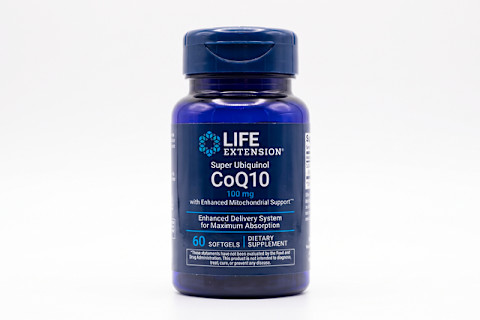
Mitochondrial health is similarly supported by Coenzyme Q10, or CoQ10, an antioxidant coenzyme that powers high-energy organs like the heart and liver while inhibiting inflammatory pathways. Because natural CoQ10 levels wane with age, highly absorbable supplemental formulas can help maintain robust cellular energy production and combat general fatigue.
Complementing these cellular energizers are omega-3 fatty acids, specifically EPA and DHA. Found naturally in fatty fish, these essential fats support cardiovascular and neurological health—two vital systems susceptible to the systemic shifts of changing estrogen levels. Research highlights that omega-3s promote optimal blood vessel function and help maintain healthy triglyceride and high-density lipoprotein cholesterol levels, contributing significantly to long-term vitality. For individuals who do not regularly consume fish, certified high-quality fish oil supplements offer an effective method for bridging nutritional gaps.
Best healthy aging supplements for women in their 50s
As women transition into their fifties, many enter the postmenopausal phase, a period characterized by consistently low estrogen levels rather than the unpredictable fluctuations typical of perimenopause. During this stage, safeguarding physical and mental resilience becomes increasingly paramount. Introducing targeted nutrients during this critical decade can provide essential reinforcement for muscle mass, skeletal density, cognitive processing, and dermal integrity.

Calcium takes center stage during this period due to the acceleration of bone turnover linked to declining estrogen. Because the human body cannot manufacture calcium independently, adequate dietary intake from dairy or fortified foods is essential, frequently supplemented by daily nutritional formulas. To ensure maximum efficacy, calcium is most beneficial when paired synergistically with vitamin D, vitamin K, and magnesium.
Dermal and structural changes are also prominent in this decade, highlighted by the natural decline in collagen production. Collagen is the primary structural protein responsible for providing mechanical support, strength, and elasticity to connective tissues, including the skin, joints, and bones. Supplemental hydrolyzed collagen peptides—which are enzymatically broken down into smaller, easily digestible fragments—are frequently utilized to support cartilage health, joint comfort, and skin elasticity, helping to mitigate the visual appearance of fine lines and wrinkles.
Cognitive maintenance also demands focused attention during the fifties. While lifestyle practices such as intellectual stimulation and continuous learning are vital, targeted nutritional support can be equally transformative. Magnesium L-threonate is a specialized chemical form of magnesium specifically researched for its ability to cross the blood-brain barrier and support cognitive vitality, healthy memory consolidation, and mental processing speed.
Best healthy aging supplements for women in their 60s & beyond
With the menopausal transition firmly in the past, women in their sixties and beyond typically shift their focus toward a comprehensive longevity strategy centered on cellular defense, sustained energy production, and antioxidant support.
B-complex vitamins, including B6, B12, and folate, are critical during this phase for converting dietary nutrients into cellular energy, supporting red blood cell formation, and maintaining a healthy nervous system. However, the gastrointestinal tract’s ability to absorb certain nutrients, most notably vitamin B12, diminishes significantly with age, with clinical estimates suggesting that a substantial percentage of adults over the age of sixty experience sub-optimal B12 status. When supplementing with B vitamins, chemical form is critical. Methylfolate is frequently preferred over standard synthetic folic acid because it represents the metabolically active form of the vitamin, bypassing common genetic variations that can impair enzymatic conversion. Similarly, vitamin B12 is most effectively utilized when provided in its methylated form, methylcobalamin.
Cellular housekeeping is further supported by fisetin, a naturally occurring antioxidant flavonoid found in various fruits and vegetables. Fisetin has garnered scientific interest for its ability to support cellular health by encouraging the body’s natural mechanisms for clearing out senescent cells that no longer function at peak efficiency. Because standard dietary fisetin has low bioavailability, advanced supplement formulations frequently combine the compound with specialized fibers, such as galactomannans derived from fenugreek seeds, to enhance absorption through the digestive tract.
Gut microbiome health is another critical pillar for older adults. As the composition of the intestinal microbiome naturally shifts with age, maintaining a diverse and robust population of beneficial microorganisms becomes essential for systemic wellness. While fermented foods provide general support, clinically studied probiotic strains delivered through targeted supplementation offer a reliable method for supporting gastrointestinal integrity and immune function, provided they are paired with adequate dietary fiber intake.
Ultimately, designing a sustainable supplement regimen requires an individualized approach that evolves alongside a woman’s changing biological needs. While biological aging shares many commonalities across genders, women face unique physiological considerations, particularly regarding skeletal and metabolic health following menopause. Because nutritional supplements are designed to complement rather than replace a healthy lifestyle—which must include adequate physical activity, balanced nutrition, and resistance training—consulting a qualified healthcare provider remains the most effective way to tailor a longevity strategy to individual health goals.