



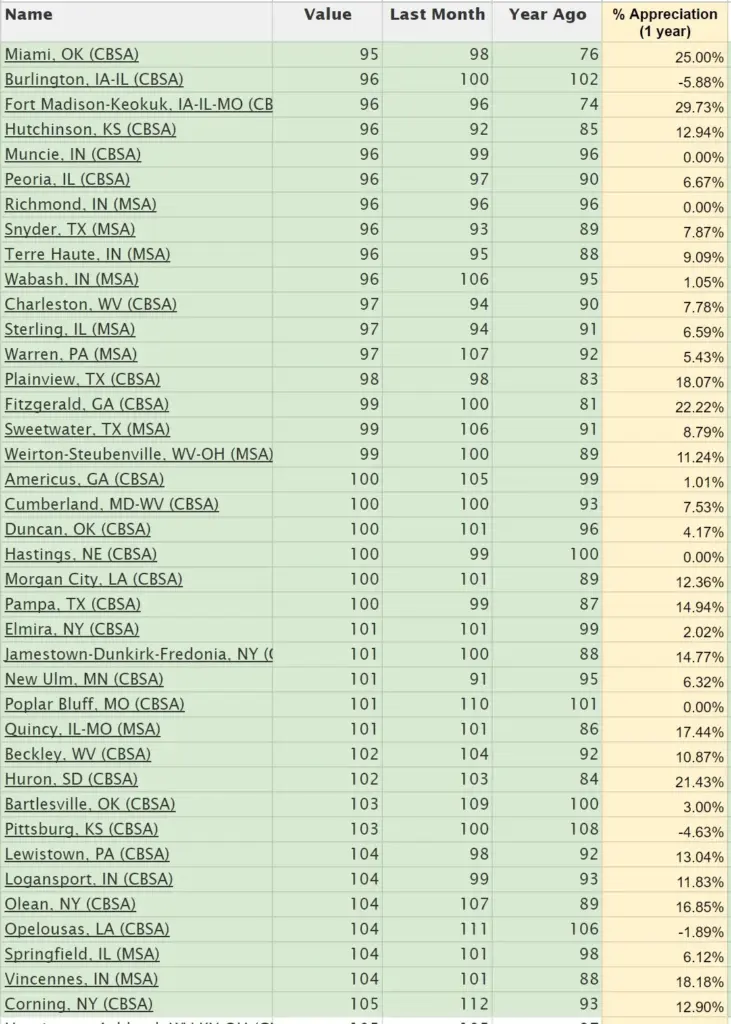
The landscape of Financial Independence, Retire Early (FIRE) has long been a beacon for individuals seeking escape from the traditional nine-to-five grind through aggressive saving and smart lifestyle design. However, the movement is facing an existential debate as younger generations grapple with a vastly different economic reality than the pioneers of the philosophy.

The conversation was recently brought to the forefront when a reader left a candid critique on a popular financial independence blog. The reader argued that much of the foundational advice surrounding FIRE is increasingly out of touch with the current post-pandemic economy. According to the comment, the early success stories were built on circumstances that are difficult to replicate today: lucrative tech careers from two decades ago, six-figure salaries easily secured, and real estate acquired at a fraction of today’s costs before the dramatic market shifts leading up to 2019.
Furthermore, the reader highlighted the barriers young adults face when trying to implement traditional wealth-building strategies, such as house-hacking or purchasing fixer-uppers. With soaring interest rates, high property values, and restrictive local zoning laws that prohibit accessory dwelling units or multi-family conversions, traditional paths to property ownership appear heavily restricted. This has left many newcomers wondering whether the foundational principles of the FIRE movement are still viable for those who missed the early wave of affordable housing and high-margin employment.
When examining these criticisms, long-standing figures within the financial independence community note that critiques of the movement are hardly new. Throughout the evolution of early retirement philosophy, skeptics have regularly pointed to changing economic cycles, market corrections, and inflationary pressures as proof that the strategies are becoming obsolete. Yet, the core debate currently centers on two primary pain points: the stratification of high-earning tech salaries and the sharp escalation of housing prices and interest rates over the last four years.
While income disparities remain a constant factor in the modern economy, financial independence advocates maintain that high earnings alone do not guarantee long-term stability. Data consistently shows that high-income earners—including software engineers and medical professionals—frequently struggle with financial stress if their consumption scales directly with their income. Mathematically, earning a substantial salary for nearly three decades should result in significant accumulated wealth, provided that spending is kept in check. Consequently, the philosophy has consistently prioritized streamlining consumption and eliminating waste over merely chasing higher paychecks. These optimization skills remain critical regardless of where an individual sits on the income spectrum.
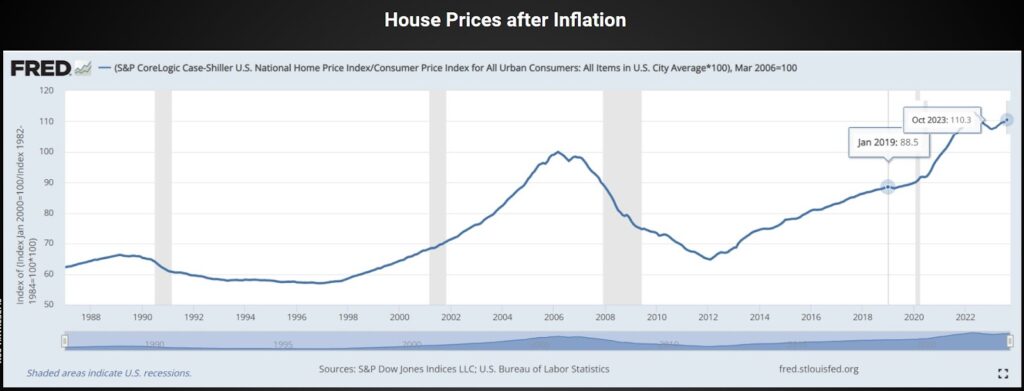
The more pressing concern for modern aspirants is the state of the housing market. Federal data from the St. Louis Fed provides a clearer picture of how real estate has shifted over time, revealing that inflation-adjusted home prices rose significantly in the wake of the pandemic. Nationally, housing feels roughly twenty-five percent more expensive relative to average salaries and overall inflation compared to the start of 2019. However, that same historical data places current valuations only about ten percent higher than the previous market peak in early 2006, suggesting that while housing poses a formidable challenge, it may not be an insurmountable barrier to financial independence.
At the same time, national averages often mask severe localized disparities, particularly in high-demand regions where median home prices have skyrocketed far beyond regional wage growth. In communities where real estate values have tripled over the past decade, standard entry points have vanished for the average buyer. Proponents of the movement argue that the solution requires shifting away from the cultural conditioning that treats living in a specific birthplace or preferred metro area as an immutable right, and instead treating housing as a mobile, supply-and-demand commodity. Just as consumers do not expect to receive luxury technology products simply because they live near a corporate headquarters, housing choices must be evaluated objectively against financial realities.
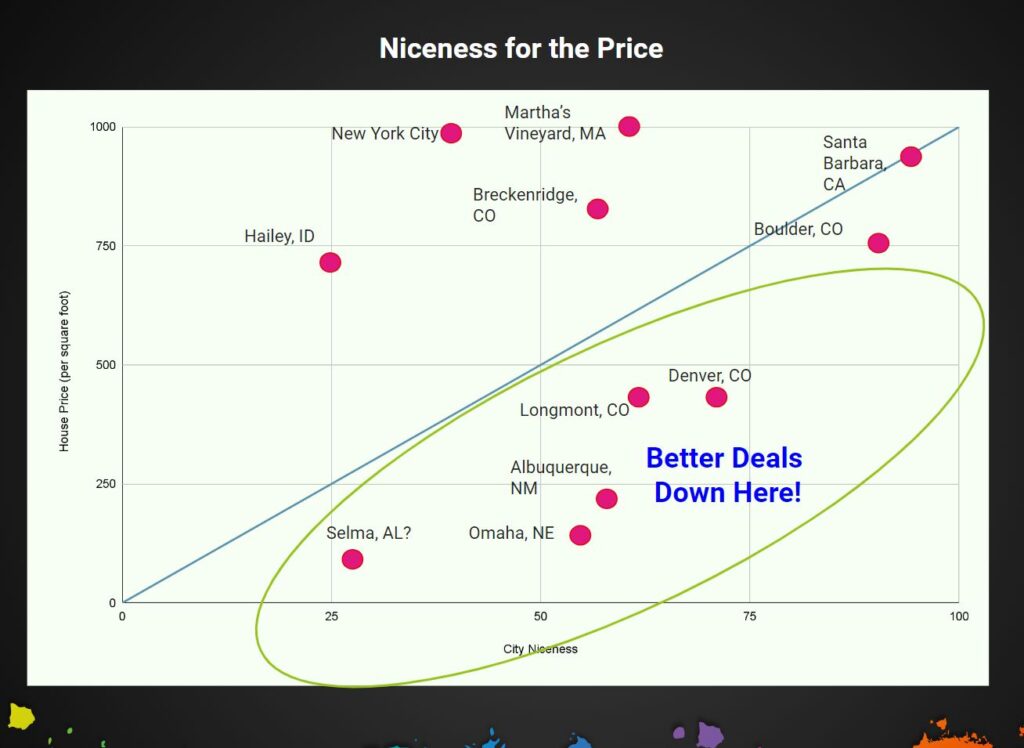
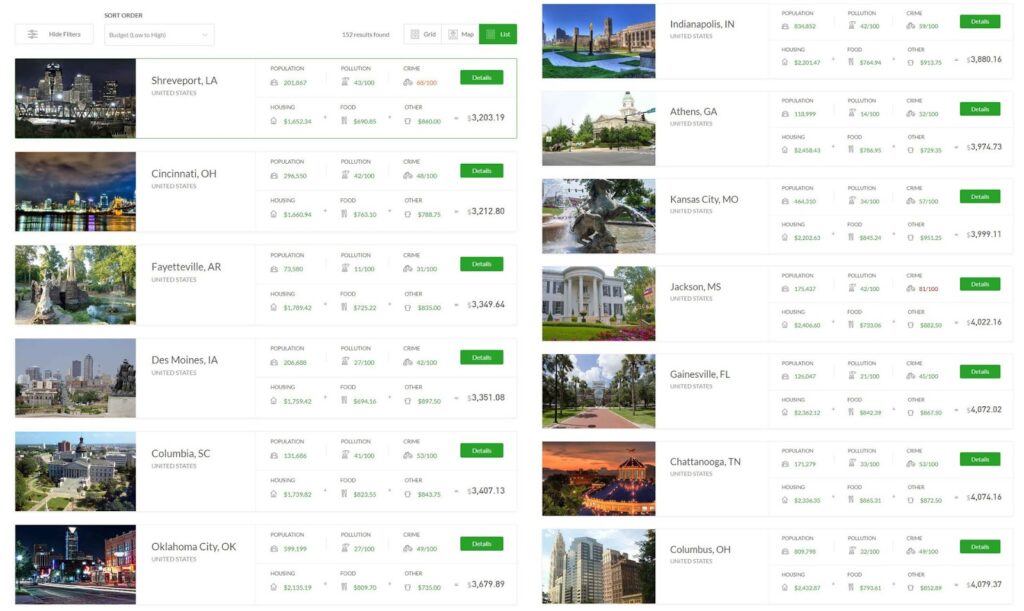
To navigate these high-cost regions, financial independence strategies encourage individuals to evaluate housing through a wide lens, comparing local options against a broader geographic canvas. Publicly available economic data on national and international metropolitan areas reveals significant variations in cost per square foot, highlighting numerous mid-sized cities and regions where housing remains relatively accessible. Resources tracking global and domestic cost-of-living metrics allow prospective movers to weigh factors such as climate, local infrastructure, and population size against housing expenses. By examining these broader data sets, individuals can identify regions that offer a high quality of life without requiring decades of heavy mortgage debt.
Adopting this broader perspective often requires confronting personal resistance to relocation. Strong ties to a current hometown, family connections, and general fear of change frequently lead individuals to accept unsustainable living costs rather than explore new environments. Yet, advocates emphasize that the reluctance to relocate often creates an irrational market in which certain areas become hyper-inflated while others remain affordable. Exploring alternative metro areas or even international destinations introduces logistical challenges—ranging from legal documentation to cultural adjustments—that can easily be managed through standard problem-solving and research.
Ultimately, the overarching framework of the financial independence movement relies less on the specific economic conditions of any single decade and more on the intentionality of personal choices. Whether individuals choose to relocate across the country, optimize their spending within a high-cost city, or reevaluate their housing arrangements entirely, the fundamental principle remains the same. Navigating modern economic hurdles successfully depends on treating life decisions as active choices rather than fixed constraints, opening up new pathways to long-term stability and personal fulfillment.