

For years, the personal finance and lifestyle platform known as Mr. Money Mustache has addressed the foundational elements of better living, covering everything from thrift and investment strategies to physical fitness and the psychology of happiness. Yet, according to its principal voice, there is one overarching arena of modern life where all these factors converge with unprecedented synergy: the way human settlements are structured. If granted a single wish to alter society for the better, the solution would not be a new financial product or a technological gadget, but a fundamental redesign of human habitats.
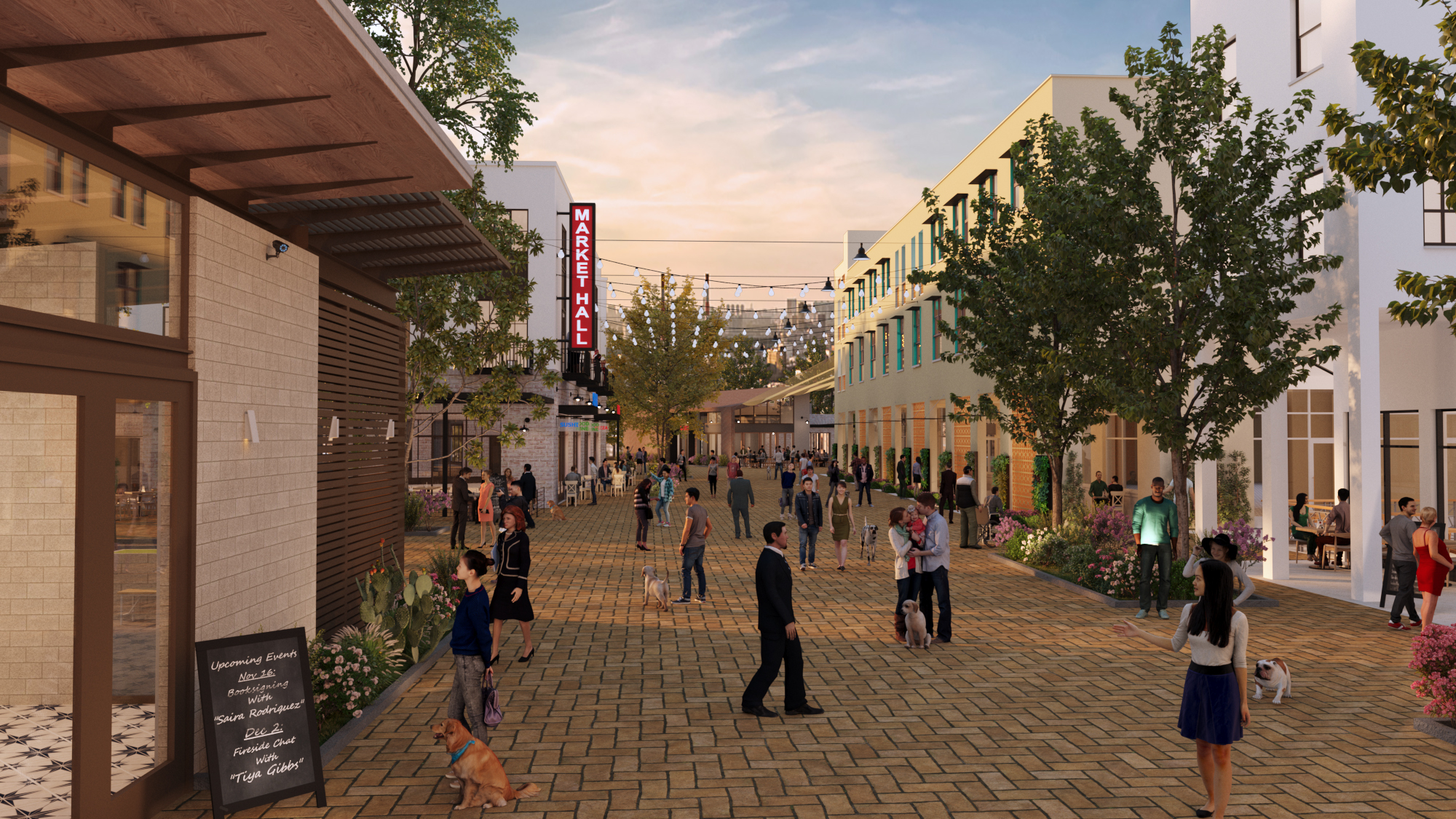
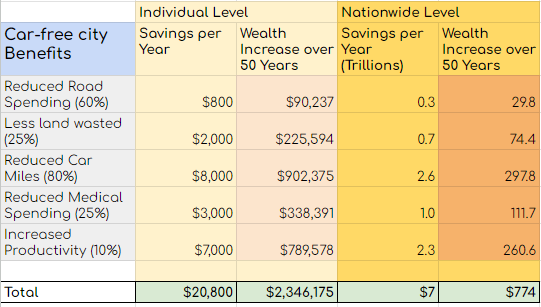
The core proposal is as radical as it is simple: society must immediately pivot toward building cities and countries around people rather than automobiles, while retrofitting existing metropolitan areas to support person-friendly living. The projected benefits of this transition extend far beyond incremental reductions in tailpipe emissions, traffic congestion, or highway accidents. Proponents argue that human-centric urban design unlocks a richer, healthier, and vastly more engaging daily existence, translating to a conservative financial boost of over $20,000 per person annually. Over an adult lifetime, these savings and quality-of-life enhancements compound into well over two million dollars per individual.
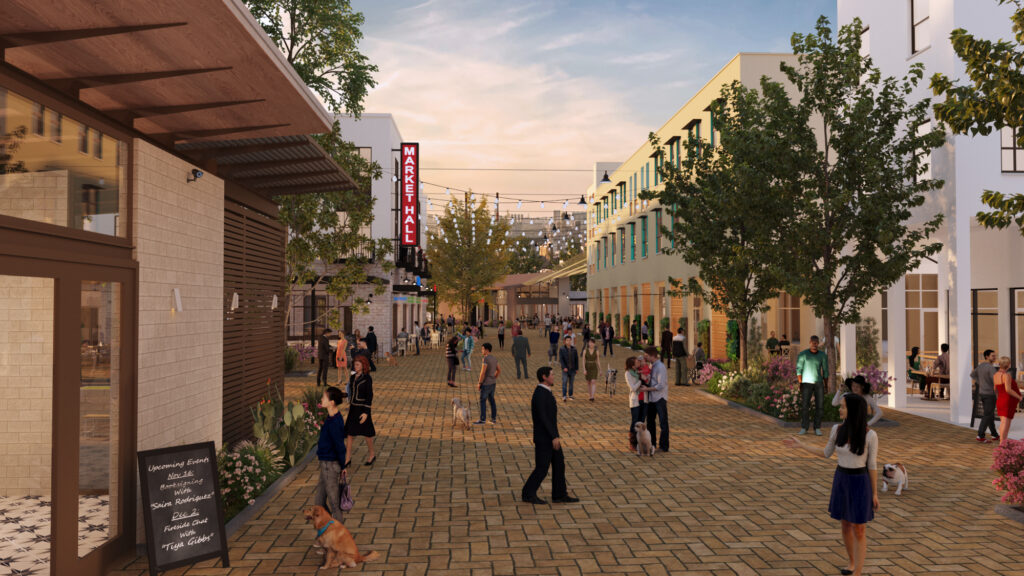
When scaled nationally, the economic impact becomes staggering. Estimates suggest such a shift could generate approximately seven trillion dollars per year in added wealth for the United States alone, compounding to roughly 770 trillion dollars over five decades. This sum eclipses the total estimated wealth of the entire global population today. Proponents contend that this urban transformation would deliver homes that are simultaneously more affordable, spacious, and aesthetically pleasing, while fortifying physical and mental health. Consequently, individuals would spend substantially less time and money on medical maintenance, leaving public and private bank accounts overflowing with surplus capital to fuel a historic era of broad prosperity.
Yet, contemporary city planning often remains entrenched in a bureaucratic status quo designed to prevent disruption. City councils and municipal committees are frequently influenced by legacy institutions and entrenched interests that lack the vision to imagine alternative models. Critics of modern car-centric sprawl argue that society has become blinded by the smoggy haze of the status quo, failing to recognize that the space dedicated to motor vehicles is astonishingly inefficient.
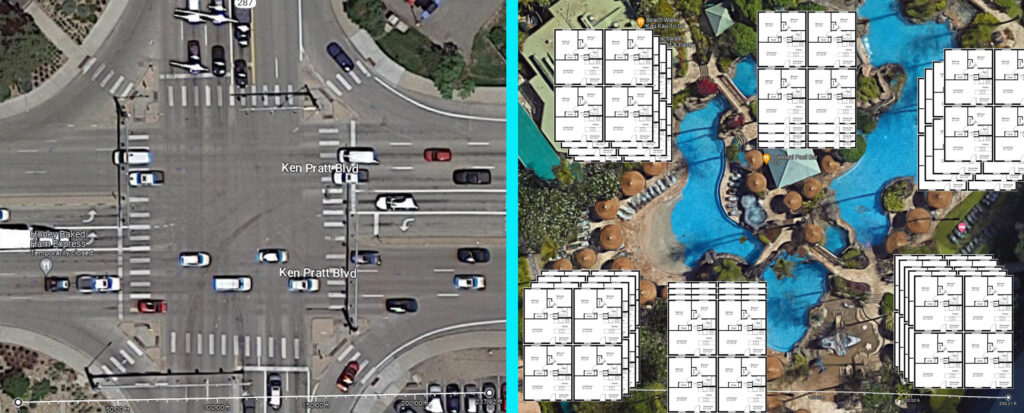
A stark illustration of this spatial inefficiency lies in urban land allocation. A standard parking space requires roughly the same footprint as a modestly sized two-bedroom apartment. When examining standard urban intersections—which span hundreds of feet and repeat thousands of times across major metropolitan areas—entire acres of valuable land are effectively surrendered to asphalt. A single large intersection can consume roughly 1.5 acres of space, an area sufficient to house hundreds of people in comfortable, resort-style developments complete with green spaces, retail stores, and community amenities.
Urban critics point out that the prevailing reliance on automobiles is largely a self-fulfilling prophecy. Cities have allocated the vast majority of their land to accommodate, store, and service cars, which in turn spreads destinations so far apart—while generating noise and safety hazards—that walking or cycling becomes unappealing or impractical.
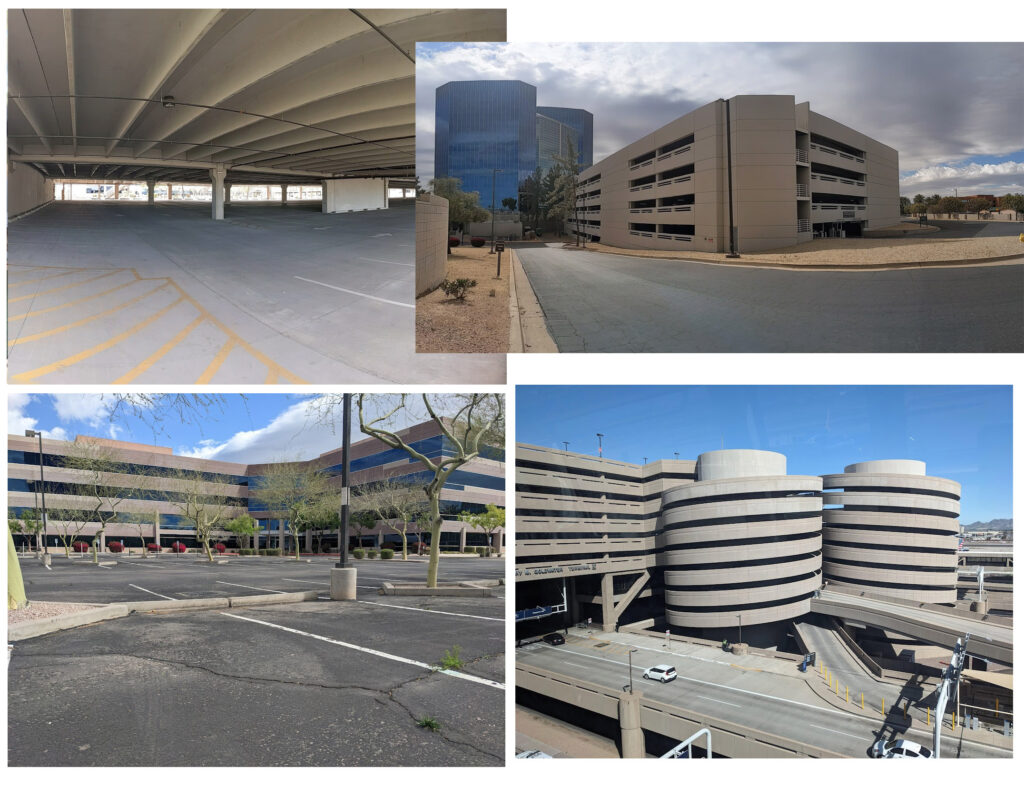
Efforts to reform urban design routinely encounter skepticism from motorists questioning how daily transportation needs could possibly be met without ubiquitous personal vehicle access. However, advocates emphasize that eliminating vast swaths of car-oriented infrastructure naturally liberates citizens from heavy automobile dependence. By weaving together compact, mixed-use neighborhoods containing residences, offices, grocery stores, and recreation facilities, daily necessities become accessible within a short walk or ride. Roads would still exist, but they would primarily serve deliveries, emergency services, and individuals requiring mobility assistance.

While public transit remains a cornerstone of traditional urban planning, many modern advocates champion active micro-mobility, such as standard bicycles and electric bikes, as superior alternatives for short- and medium-range urban trips. For distances under two miles, or up to fifteen miles on an e-bike, active transport frequently outpaces cars in urban environments while providing daily exercise and avoiding traffic congestion. Combined with light rail networks and rapid bus transit, these modes allow residents to navigate cities efficiently without the friction of parking and traffic jams.
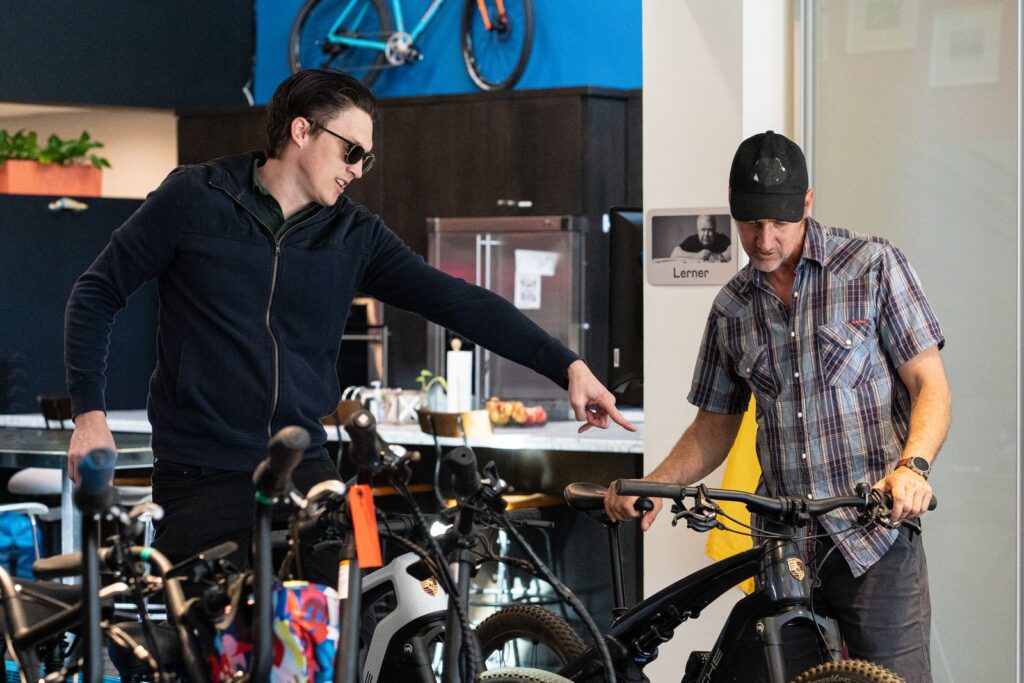
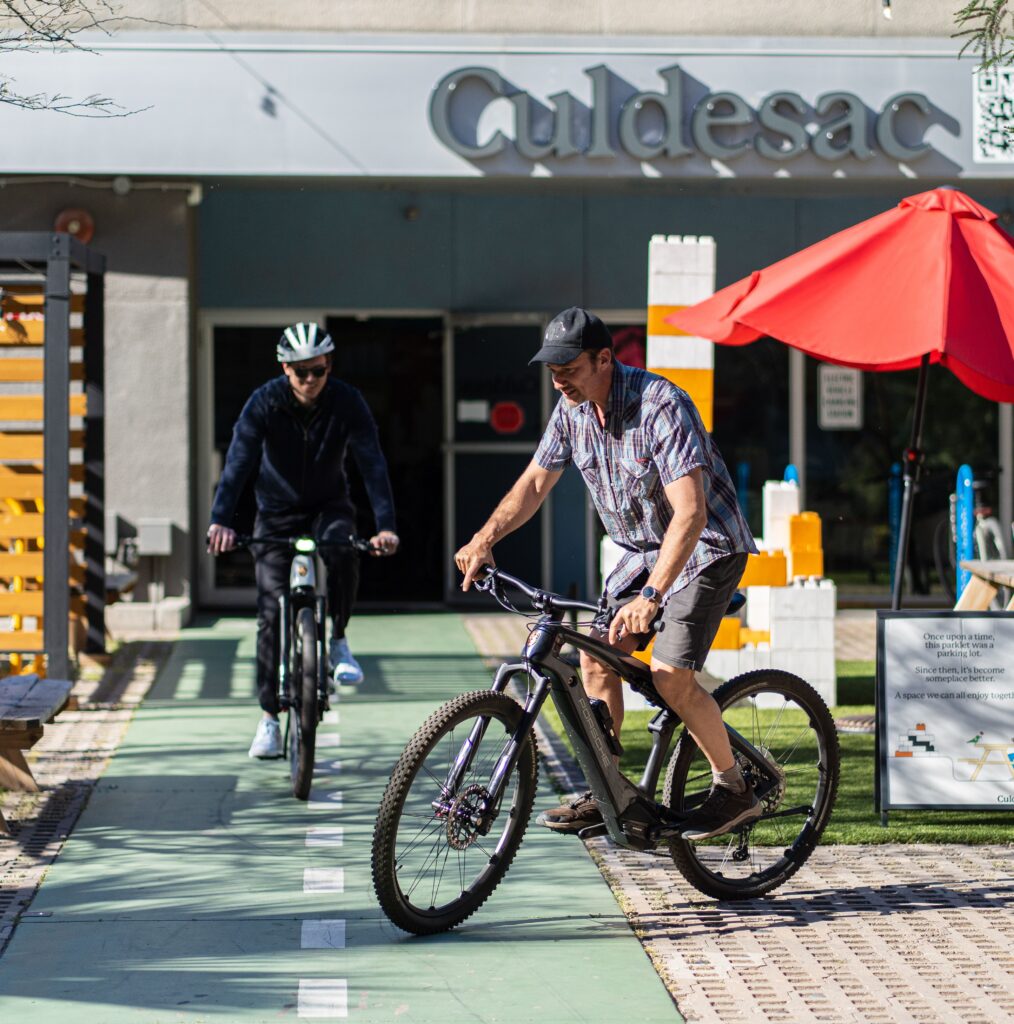
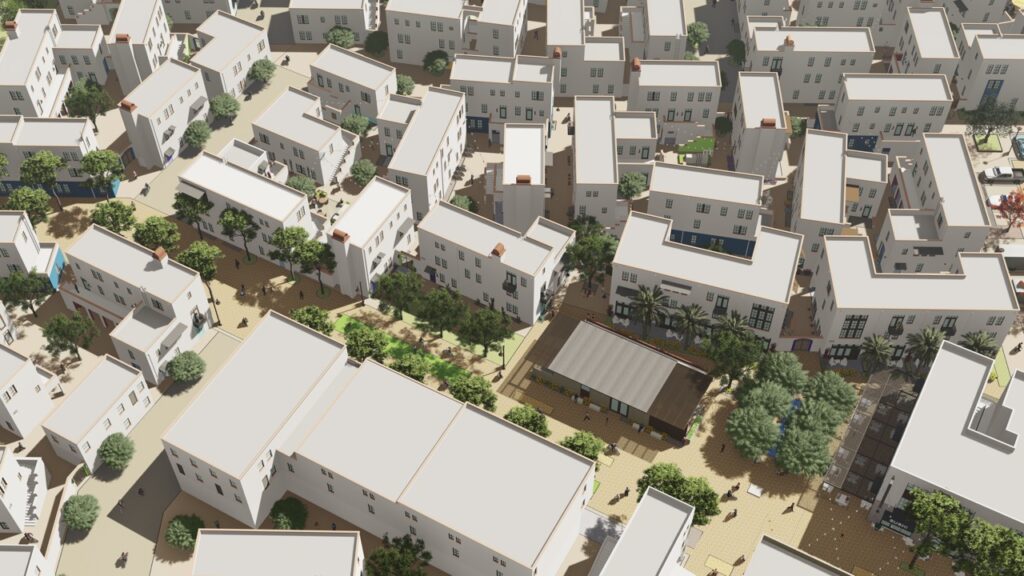
Translating these concepts from theory to reality has historically proven difficult due to municipal inertia and regulatory hurdles. However, tangible progress is already underway in the American Southwest. A prime example is Culdesac Tempe, a pioneering car-free neighborhood designed to house approximately 1,000 residents across seventeen acres in Tempe, Arizona. The project represents a functioning realization of human-centric urban planning, featuring dense residential clusters integrated with daily amenities, public plazas, and comprehensive transit access.
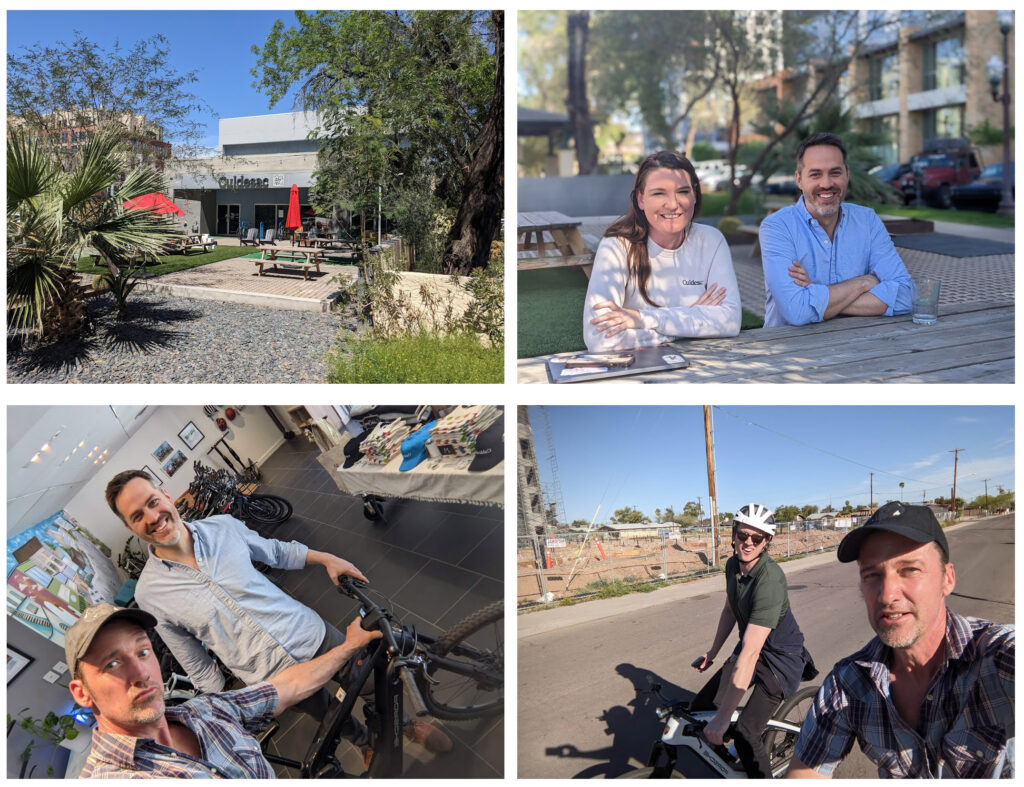
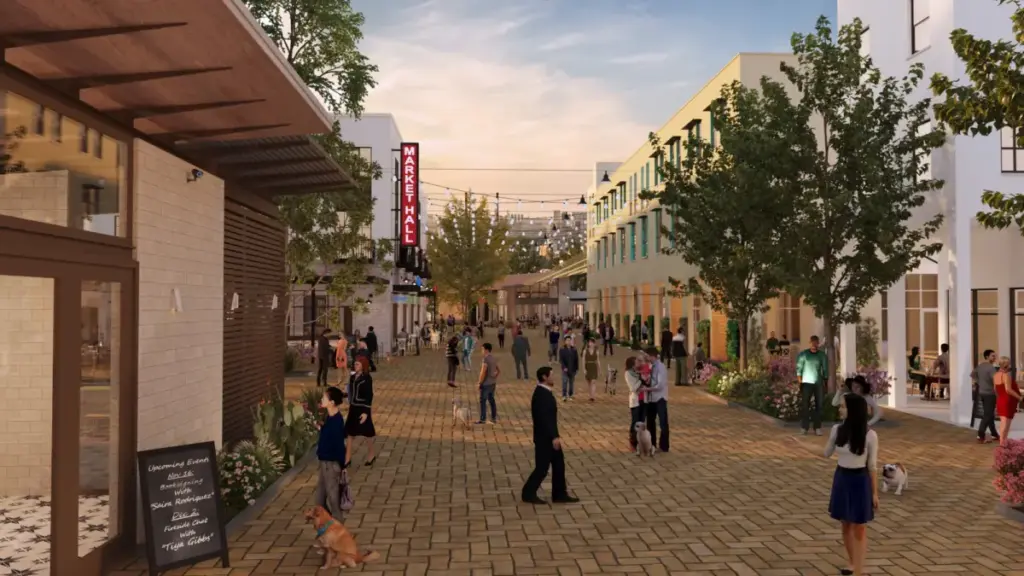
Visitors to the development note that the space typically squandered on parking lots and wide thoroughfares has been reclaimed for pedestrian pathways, courtyards, and social gathering spaces. Because of the regional climate, the architecture emphasizes shade, airflow, and open-air connectivity, taking advantage of mild winters to foster an outdoor-oriented community culture. Residents of the neighborhood enjoy immediate proximity to a major university campus, direct access to the local light rail system—with annual transit passes often bundled into residency—and shared fleets of electric vehicles and e-bikes for excursions beyond the immediate district.
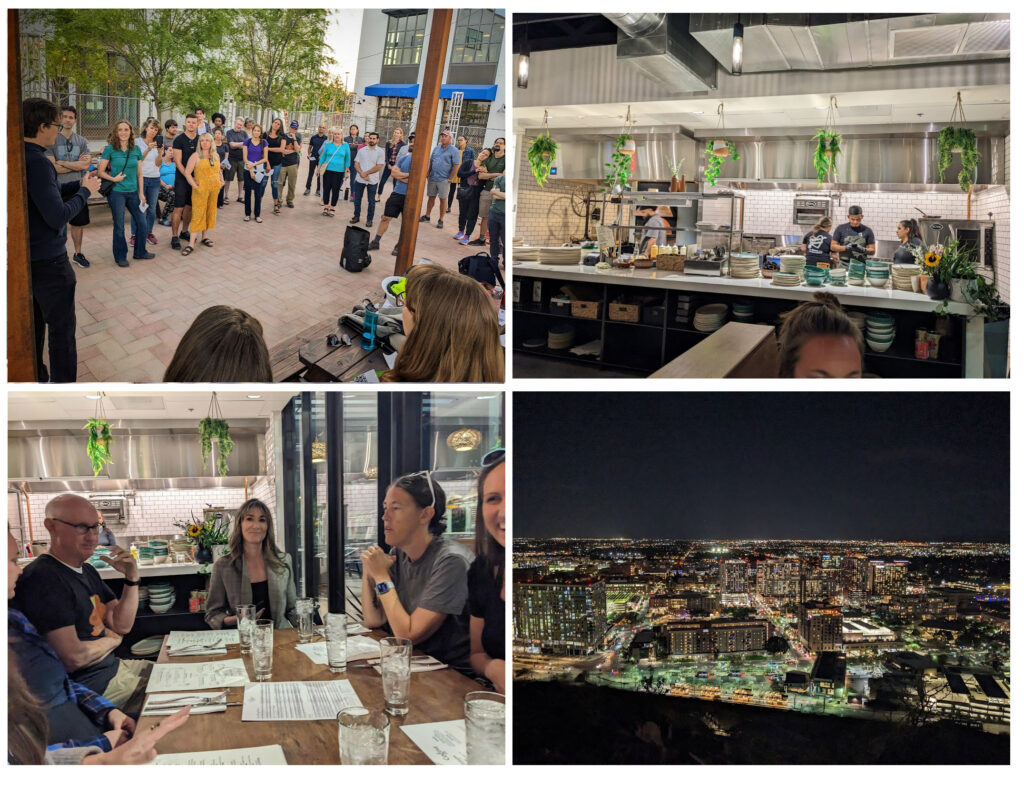
The success of pilot projects like Culdesac Tempe points toward a broader master plan for future urban development. Proponents envision a wave of similar car-free and car-light developments transforming underutilized urban parcels, such as vacant big-box retail parking lots and declining suburban commercial centers, into vibrant, self-sustaining communities.
Supporters argue that understanding the economics of urban planning is comparable to diagnosing a chronic lifestyle illness in healthcare. Just as poor nutritional habits compound over decades to degrade physical well-being, sprawling, car-dependent infrastructure generates widespread social, environmental, and financial strain. Conversely, every incremental step toward human-scale cities and the reduction of unnecessary vehicle trips promises to unlock substantial personal and national wealth for generations to come.