



This powerful flavor trio forms the foundation of a newly highlighted culinary approach that champions ease without compromising on taste. Featured prominently as part of an ongoing culinary series dedicated to recipes so effortless they can be executed with minimal concentration, this three-ingredient marvel exemplifies a growing movement toward streamlined home cooking. The series, designed for individuals seeking tiny ingredient lists, laid-back preparation techniques, and results so remarkably delicious they prompt immediate communication with friends and family, highlights how deeply flavorful cooking does not need to be complicated.
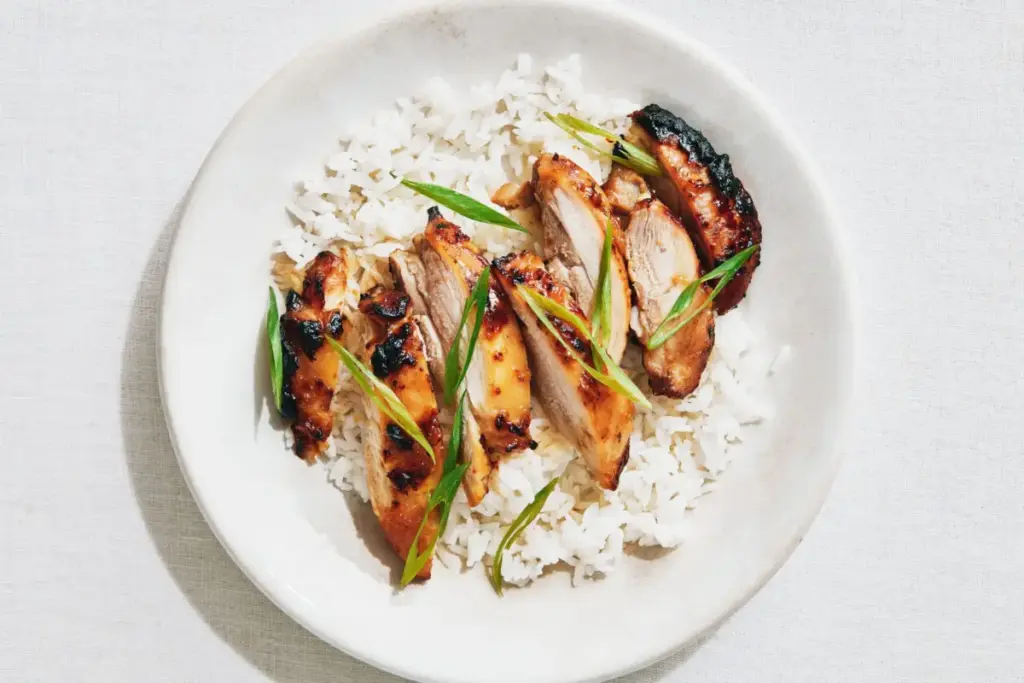
At the core of this culinary phenomenon is a dynamic interplay of sweet, salty, and umami characteristics. The combination of honey, white miso, and low-sodium soy sauce creates a rich, glossy marinade that can elevate virtually any component it touches. While traditionally suited for proteins like cod and salmon, or crisp vegetables such as broccoli and zucchini, this versatile glaze finds its ultimate expression when applied to poultry, particularly skinless, boneless chicken thighs. The natural richness and moisture of chicken thighs provide an ideal canvas for the concentrated savory notes of the marinade, absorbing the complex flavors while retaining a tender, succulent texture during the cooking process.
The formulation itself relies on precise yet accessible proportions to achieve its signature balance. A standard batch calls for a quarter cup of honey, which provides a sweet foundation and promotes a desirable caramelization when exposed to heat, alongside an equal measure of white miso. White miso, known for its milder, slightly sweeter profile compared to its darker counterparts, introduces a gentle fermented complexity and body to the mixture. Rounding out the trio is a single tablespoon of low-sodium soy sauce, which supplies the necessary saltiness and depth of flavor without overwhelming the delicate sweetness of the honey and the earthiness of the miso.
When these three components are whisked together, they form a cohesive, viscous marinade capable of coating one and a half pounds of skinless, boneless chicken thighs thoroughly. The preparation requires no elaborate marinating schedules or complex culinary maneuvers, aligning with the philosophy that exceptional food should remain accessible to cooks of all skill levels. The simplicity of the technique means that the ingredients do the heavy lifting, allowing the natural chemistry between the sweet honey, savory soy sauce, and umami-rich miso to develop complex flavors with minimal human intervention.
However, the very qualities that make this marinade so appealing—namely, the high sugar content derived from the honey and the natural sugars present in the miso—demand a certain level of attentiveness during the final stages of preparation. Because honey and miso caramelize rapidly under high heat, cooks are advised to maintain a watchful eye on the chicken as it cooks. This caution is particularly relevant for kitchen setups equipped with a drawer-style broiler located at the bottom of the oven, where heat intensity can be concentrated and swift. Monitoring the poultry at regular intervals prevents the exterior glaze from transitioning from a beautifully caramelized, deep mahogany finish into an entirely blackened and bitter state, ensuring that the rich flavors remain palatable and balanced.
To complete the meal, the glazed chicken thighs are traditionally served alongside simple accompaniments that allow the bold flavor profile of the marinade to remain the focal point. Steamed white rice serves as a neutral, absorbent base capable of catching any excess savory glaze left on the plate, while thinly sliced scallions introduce a fresh, sharp crunch and a vibrant splash of color that cuts through the rich sweetness of the honey and miso. These optional additions provide a balanced finishing touch, transforming the three-ingredient protein into a complete, harmonious dining experience that requires minimal cleanup and virtually no stress.
The enduring appeal of such streamlined culinary techniques speaks to a broader shift in contemporary home cooking culture. As people increasingly look for ways to create satisfying, restaurant-quality meals within the constraints of everyday life, recipes that rely on high-impact flavor combinations are taking precedence over intricate, multi-step procedures. By demonstrating how just three accessible pantry staples can dramatically alter the profile of a standard cut of poultry, this approach underscores the idea that great cooking is often less about mastering complicated techniques and more about understanding how a few foundational ingredients interact to bring out the best in one another.