


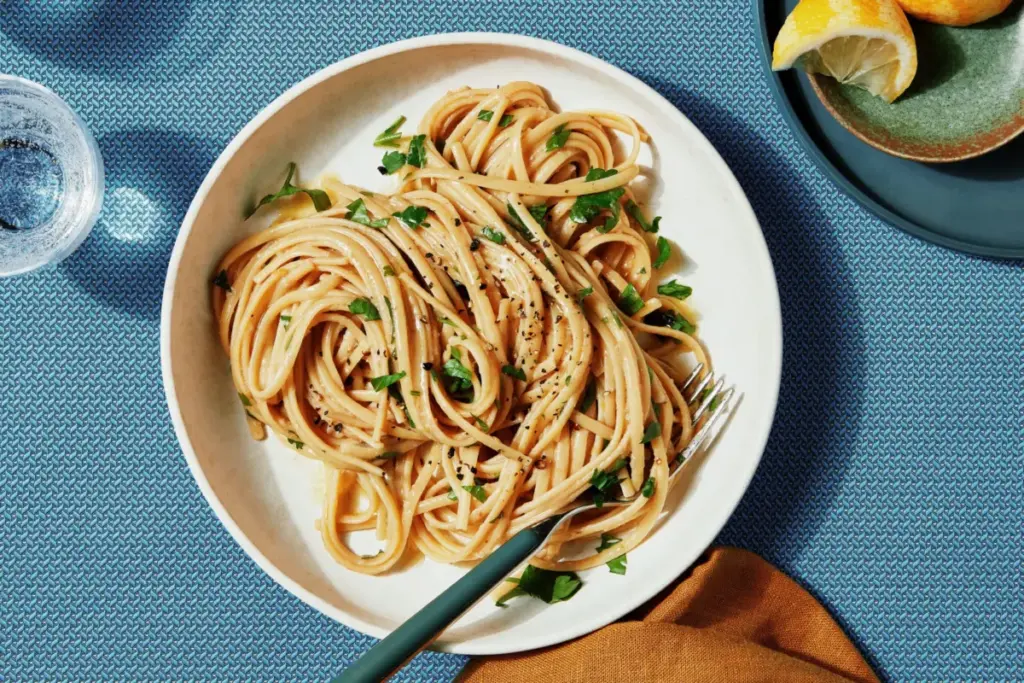
Even those who staunchly swear they do not like anchovies should be willing to take a polite, no-thank-you portion of this transformative pasta dish. When sizzled gently with fragrant garlic in extra-virgin olive oil, the tiny, oil-packed fish dissolve completely, melting into a deeply savory, briny sauce that coats every strand of pasta. This culinary magic bears a striking resemblance to bagna cauda, the warm and comforting Northern Italian dip celebrated for its intensely savory profile, which likewise draws its foundational depth from anchovies.
Rather than serving this robust concoction alongside a traditional platter of raw crudités, home cooks and culinary enthusiasts are encouraged to toss the aromatic sauce directly with hot, long pasta such as linguine or spaghetti. The beauty of this preparation lies in its remarkable simplicity and efficiency, requiring no additional vegetables or heavy proteins to anchor the meal. However, for those looking to round out the dining experience, culinary traditionalists note that they would certainly not kick a crisp side salad featuring hearty beans and bitter-slanting greens like kale or radicchio off the table.
The dish relies on an unpretentious yet potent lineup of pantry staples and fresh ingredients. Central to the recipe are two two-ounce tins of high-quality oil-packed anchovy fillets, which provide the essential foundation of umami. These are paired with a quarter cup of extra-virgin olive oil, half a teaspoon of freshly ground black pepper, and six cloves of garlic that have been finely grated to ensure they melt seamlessly into the warm oil. Twelve ounces of long pasta, such as classic linguine or spaghetti, serve as the primary vehicle for the sauce, accompanied by kosher salt for the boiling water, three tablespoons of chilled unsalted butter cut into small pieces for silky emulsification, one cup of coarsely chopped fresh parsley for a burst of herbaceous brightness, one tablespoon of finely grated lemon zest, and three tablespoons of fresh lemon juice to provide a necessary touch of acidity and balance.
The philosophy behind this dish speaks to a broader culinary trend celebrating fast, weeknight-friendly pasta dinners that rely on pantry preservation rather than complicated grocery lists. In an era where weeknight cooking often feels like an exhausting chore after a long day of work, dishes that utilize shelf-stable powerhouses like canned anchovies offer a welcome shortcut to complex, restaurant-quality flavor profiles. Anchovies, long misunderstood and frequently relegated to the status of a polarizing pizza topping, reveal their true potential when subjected to gentle heat and fat. Instead of delivering an overwhelmingly fishy taste, they break down entirely into a rich, savory essence that acts more like a savory flavor enhancer or a natural bouillon than a fish course.
Culinary historians and food writers have long championed the transformative power of the anchovy in Mediterranean cooking, particularly within the culinary traditions of Italy, Spain, and southern France. From Caesar salad dressings to the foundational soffrittos of coastal Italian towns, the salted and cured little fish provide an immediate backbone of depth that salt alone simply cannot replicate. When combined with garlic sizzled in olive oil, the mixture creates an aromatic base that fills the kitchen
with an intoxicating aroma, signaling to anyone within earshot that something remarkable is happening on the stove.
The integration of citrus into the final stages of the dish serves a crucial chemical and sensory purpose. The addition of freshly grated lemon zest and bright lemon juice cuts through the richness of the olive oil, butter, and anchovies, lifting the heavy umami notes and bringing the entire flavor profile into sharp, harmonious focus. Meanwhile, the incorporation of chilled unsalted butter at the very end helps to emulsify the pan drippings with the starchy cooking water from the pasta, creating a glossy, cohesive sauce that clings tenaciously to every strand of spaghetti or linguine rather than pooling at the bottom of the bowl.
Fresh herbs, specifically coarsely chopped parsley, provide both a vibrant splash of color and a clean, peppery counterpoint to the dense, savory richness of the garlic and anchovy sauce. Combined with the bitter greens and bean salad often recommended as an optional accompaniment, the meal strikes a harmonious balance between indulgence and freshness. For home cooks seeking more weeknight-friendly pasta dinners that require minimal fuss while delivering maximum impact, preparations of this caliber demonstrate that extraordinary flavor does not require hours of simmering or an intimidating roster of specialized ingredients. By leaning into the misunderstood magic of the anchovy, even the most dedicated skeptics just might find themselves won over by a single, perfectly coated forkful of pasta.