



Determining the ideal daily meal schedule for a dog is one of the most fundamental decisions a pet owner faces. While the standard consensus among veterinary professionals recommends two meals a day for the average healthy adult dog—typically spaced 8 to 12 hours apart—a closer look at canine physiology reveals that feeding frequency is not a one-size-fits-all rule. A dog’s optimal feeding plan depends on a dynamic combination of age, physical size, metabolic health, and household routine.
From energetic puppies with limited stomach capacity to senior dogs managing chronic health conditions, dietary requirements evolve significantly over a dog’s lifespan. Understanding the scientific reasoning behind meal timing, evaluating the debate between once-daily and twice-daily feedings, and learning how to track body condition can help pet owners establish a routine that promotes long-term vitality.
Why Two Meals a Day Serves as the Baseline
For the majority of adult dogs, dividing daily caloric intake into two balanced meals offers significant biological and practical advantages. Spacing food between a morning and evening meal maintains steady blood sugar levels and prevents prolonged hunger. This cadence aligns comfortably with human work and domestic schedules while fostering predictable metabolic habits.
Veterinarians frequently advocate for set meal routines because predictable input yields predictable output. Dogs fed on a consistent schedule generally eliminate on a regular timeline, which simplifies house training for younger dogs and allows owners to notice sudden gastrointestinal changes early. Furthermore, structured mealtimes make it immediately obvious if a dog loses its appetite or skips a meal, serving as an early indicator of potential illness or distress.
While two meals remain the standard starting point, variations are common. Some healthy adult dogs thrive on three smaller meals daily—a plan that benefits animals prone to morning bile vomiting on an empty stomach, those with sensitive digestive tracts, or those that exhibit intense hunger between widely spaced meals. In these scenarios, the critical requirement is dividing the total daily caloric allotment into smaller portions rather than adding additional food.

Tailoring Feeding Frequency across Life Stages
Age is often the single most influential factor determining how often a dog should eat. Metabolic rates, growth trajectories, and organ functions shift dramatically as a dog transitions from puppyhood through adulthood and into its senior years.
Puppyhood: Sustaining Rapid Growth
Puppies undergo rapid physiological development, requiring high energy intake relative to their physical size. However, their small stomachs cannot accommodate large volumes of food at one time. Consequently, puppies under four to six months of age typically require three to four meals per day.
- Toy and Small Breed Puppies: Young puppies under six months belonging to toy or small breeds need three to four—and occasionally more—frequent meals daily. Because their energy reserves are extremely limited, missing a meal can rapidly precipitate hypoglycemia, or dangerously low blood sugar.
- Medium Breed Puppies: Puppies in this category require three to four meals per day during their early months to supply steady fuel for fast growth without overtaxing their developing digestive systems.
- Large and Giant Breed Puppies: Puppies of larger breeds benefit from three structured meals daily to encourage controlled, steady growth and avoid overfilling the stomach.
Between 6 and 12 months of age, as growth velocity slows and stomach capacity expands, most young dogs can comfortably transition to two or three meals per day. Large and giant breeds continue growing for longer periods—often up to 12 to 18 months—and require food formulated to meet growth standards for large-size dogs to support proper skeletal development.
Adulthood and Pregnancy
By roughly one year of age, most healthy adult dogs reach physical maturity and settle into a two-meal daily routine. An exception to this rule occurs during pregnancy and lactation. A female dog’s energy demands escalate sharply during late gestation and nursing, often requiring more frequent feeding sessions or guided access to additional nourishment under veterinary supervision.
Senior Years: Adapting to Aging
As dogs enter their senior years, their nutritional and scheduling needs alter once again. Older dogs may experience diminished appetite, dental discomfort, slower gastrointestinal motility, or chronic medical conditions such as renal disease. Transitioning senior dogs to two or three smaller, highly digestible meals throughout the day can alleviate strain on the digestive tract and encourage consistent eating habits. Because canine aging varies widely by breed and individual health, adjustments should be dictated by observed physical changes and veterinary advice.
The Impact of Physical Size: Small Breeds vs. Large Breeds
A dog’s physical stature influences not only the total amount of food required, but also how frequently meals should be delivered. When reading feeding guidelines, owners must evaluate weight and age concurrently, as a toy puppy and a giant breed puppy of the exact same age present entirely different physiological needs.
+-------------------------------------------------------------------------------+
| Summary of Recommended Daily Feeding Frequencies by Life Stage & Size         |
+-------------------------------------------------------------------------------+
| • Toy & Small Breed Puppies (<6 mos): 3 to 4+ meals daily                     |
| • Medium Breed Puppies (<6 mos):      3 to 4 meals daily                      |
| • Large & Giant Breed Puppies (<6 mos): 3 meals daily                         |
| • Older Puppies (6 to 12 mos):        2 to 3 meals daily                      |
| • Healthy Adult Dogs (All Sizes):     2 meals daily                           |
| • Toy Breed Adults:                   2 to 3 meals daily                      |
| • Large & Deep-Chested Adults:        2 or more meals daily                   |
| • Senior Dogs:                        2 to 3 smaller meals daily              |
+-------------------------------------------------------------------------------+
Toy and Small Breeds: Preventing Hypoglycemia
Toy breeds such as Chihuahuas, Yorkshire Terriers, and Pomeranians possess high metabolic rates combined with minimal glycogen storage capacity. If a toy puppy skips a meal, experiences digestive upset, or gets chilled, blood sugar levels can plunge within hours. Symptoms of hypoglycemia include weakness, muscle trembling, disorientation, and unsteadiness. For these small dogs, offering three to four meals during puppyhood and two to three meals in adulthood acts as a critical preventive measure.
Large and Deep-Chested Breeds: Reducing Bloat Risk
Conversely, large and giant breeds—particularly deep-chested dogs such as Great Danes, Standard Poodles, German Shepherds, and Weimaraners—face heightened risks associated with gastric overload. These breeds are uniquely vulnerable to Gastric Dilatation-Volvulus (GDV), commonly known as bloat.
As detailed in the Merck Veterinary Manual, GDV is an acute, life-threatening emergency where the stomach fills with gas and can twist on its axis. Research cited by Merck identifies consuming a single large meal daily and eating rapidly as notable risk factors for GDV.
To mitigate bloat risk in susceptible large breeds, veterinarians emphasize several key strategies:

- Divide the day’s total nourishment into at least two distinct meals to prevent stomach overdistension.
- Use specialized slow-feeder bowls or puzzle toys to slow down aggressive eaters.
- Restrict vigorous exercise, running, and heavy play for roughly an hour before and after meals.
- Avoid feeding large meals immediately prior to travel, which can also trigger motion sickness.
Recognizing the warning signs of bloat—which include a distended or rigid abdomen, non-productive retching, restlessness, excessive drooling, and physical collapse—is vital, as immediate emergency veterinary care is required to save the dog’s life.
Evaluating the Single-Meal Debate
The question of whether dogs perform better on a single daily meal or multiple feedings has generated significant discussion within the scientific and pet care communities.
Interest in once-daily feeding surged following a 2022 study published by researchers affiliated with the Dog Aging Project. Analyzing survey data from more than 24,000 companion dogs, the observational study identified that dogs fed once per day had lower odds of developing several age-related conditions—including gastrointestinal, dental, cognitive, orthopedic, and renal disorders—compared to dogs fed more frequently.
However, veterinary experts emphasize that these findings must be interpreted with caution. Because the study was observational, it established statistical associations rather than direct cause-and-effect proof. Factors such as breed, body weight, exercise levels, and general household care could account for the observed health differences. Furthermore, data relied on self-reported owner surveys rather than standardized clinical feeding trials.
While once-daily feeding may suit a select population of healthy, inactive adult dogs that naturally self-regulate, most veterinarians continue to recommend a twice-daily baseline. Single large meals remain poorly suited for growing puppies, toy breeds vulnerable to blood sugar drops, diabetic patients, and large breeds susceptible to stomach twisting. Pet owners considering a shift to a single daily meal are advised to consult their veterinarian and implement changes gradually while monitoring for signs of distress, hunger, or bilious vomiting.
Free Feeding vs. Scheduled Mealtimes
Leaving dry kibble out continuously for a dog to graze at will—known as free feeding—is convenient for busy owners, but veterinary organizations generally discourage the practice for several reasons.
Data from the Association for Pet Obesity Prevention indicates that more than half of dogs in the United States are classified as overweight or obese. Unlimited access to food is a major contributing factor to this epidemic. While a small subset of dogs can successfully self-regulate their food intake, the majority will overeat, particularly when palatable food is continuously accessible.
Disadvantages of Free Feeding
- Obesity and Weight Gain: Grazing makes accurate measurement of daily caloric consumption nearly impossible.
- Delayed Awareness of Illness: When multiple dogs share a continuously filled bowl, or when a single dog grazes intermittently, owners cannot easily track whether an animal has stopped eating—often an early sign of medical trouble.
- Food Safety Hazards: Wet, fresh, or gently cooked foods spoil rapidly when left at room temperature, posing microbial risks.
- Increased Behavioral Friction: In multi-dog households, continuous food availability can provoke resource guarding or competitive overeating.
Transitioning a free-fed dog to a scheduled regimen can be accomplished smoothly. Owners should offer measured food portions for 15 to 20 minutes at defined intervals, picking up any remaining food once the window closes. Most dogs adapt to scheduled mealtimes within a few days. Adding a highly palatable fresh food topper or gently cooked recipe can encourage reluctant grazers to embrace set mealtimes.
Managing Medical Conditions and Schedule Changes
When a dog develops a chronic medical condition, meal timing often shifts from a matter of convenience to a core component of medical therapy.
+-------------------------------------------------------------------------------+
| Conditions Requiring Precise Meal Timing                                      |
+-------------------------------------------------------------------------------+
| • Canine Diabetes Mellitus: Meals must synchronize strictly with insulin       |
|   injections to maintain glycemic stability.                                  |
| • Exocrine Pancreatic Insufficiency & Gastrointestinal Disease: Smaller,       |
|   frequent meals lower digestive workload and improve nutrient absorption.    |
| • Acid Reflux / Bilious Vomiting: Spacing meals prevents prolonged empty      |
|   stomach states that trigger bile irritation.                                |
| • Medication Management: Anti-inflammatory medications and antibiotics        |
|   frequently require administration alongside food to prevent stomach upset.   |
+-------------------------------------------------------------------------------+
For instance, guidelines from the American Animal Hospital Association (AAHA) stress that diabetic dogs receiving twice-daily insulin injections require strictly scheduled meals that coincide directly with medication times to maintain glycemic stability. Altering a diabetic dog’s meal schedule without veterinary oversight can lead to severe metabolic complications.

Similarly, dogs recovering from pancreatitis, those managing liver or kidney disease, or pets taking daily prescription medications rely on carefully timed meals to ensure safety and therapeutic efficacy. Sudden changes in appetite, increased thirst, or vomiting after eating should be evaluated by a veterinarian rather than addressed through simple schedule adjustments.
Assessing Body Condition: The Ultimate Benchmark
Regardless of whether a dog eats two or three times a day, the most critical element of any nutrition plan is matching total caloric intake to the dog’s metabolic expenditure. Monitoring body condition provides an accurate visual and tactile measure of whether a feeding schedule and portion size are working.
Veterinary clinicians evaluate body composition using the World Small Animal Veterinary Association (WSAVA) Body Condition Score (BCS) system, typically based on a 9-point scale where a score of 4 or 5 represents an ideal balance.
How to Perform a Home Body Condition Check
- The Rib Check: Place both thumbs on the dog’s spine and spread fingers across the ribcage. You should easily feel the ribs under a thin layer of fat without pressing hard. If ribs are prominently visible, the dog is underweight; if ribs cannot be felt beneath a thick layer of fat, the dog is overweight.
- The Profile Check: View the dog from the side. A healthy dog displays an abdominal tuck, where the underline sweeps upward behind the ribcage toward the hind legs.
- The Overhead Check: Stand above the dog and look down. Look for a clear waistline narrowing behind the ribs, creating an hourglass silhouette.
Checking a dog’s body condition every two to four weeks allows owners to make timely incremental adjustments. If a dog begins accumulating excess fat, reducing the daily food portion by roughly 10 percent—while maintaining the same meal frequency—helps restore balance. Treats and training snacks should be factored into total daily calories, ideally comprising no more than 10 percent of daily intake.
Special attention must be paid to senior dogs, as aging animals can experience muscle wasting over the spine and hips even if their overall weight remains steady. Periodic veterinary checkups ensure that both fat coverage and muscle mass remain healthy.
Simplifying Meal Preparation with Portion Control
Dividing daily food allocations evenly across multiple meals can present practical challenges. Measuring errors made with standard household scoops can accumulate over time, leading to unintentional weight gain or nutritional imbalances.
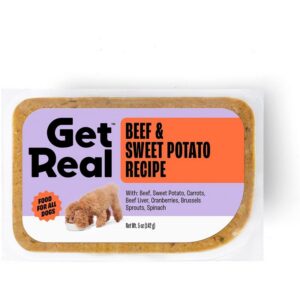
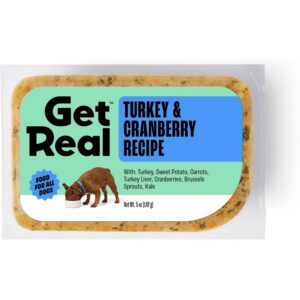
Pre-portioned feeding systems and fresh food options have emerged as solutions to streamline daily schedules. Formulations such as Chewy’s gently cooked Get Real product line feature precise calorie labeling per package (such as 5 oz mixer options, or 12 oz and 24 oz full-meal packs). Formulated to meet AAFCO nutrient profiles across all life stages—including the growth of large-size dogs—these recipes allow multi-dog households to feed puppies and adults from a single standardized food source by simply altering portion sizes.
When splitting pre-portioned packs across multiple daily meals, establishing clear household habits ensures consistency:
- Thaw frozen fresh food packs in the refrigerator in advance (allowing 12 to 24 hours for smaller packs and up to 48 hours for larger formats).
- Store thawed portions securely in the refrigerator and utilize them within three to five days.
- When introducing fresh food to an established kibble diet, transition gradually over 7 to 10 days (or 10 to 14 days for dogs with sensitive digestion) to avoid gastrointestinal upset, while reducing kibble portions proportionally to maintain stable overall calorie intake.
Frequently Asked Questions
Can dogs self-regulate their food intake?
While a small minority of dogs naturally stop eating when satisfied, most do not. Continuous access to highly palatable modern pet foods often leads to overeating and obesity. Scheduled, measured meals combined with periodic body condition scoring remain the safest approach for the vast majority of companion dogs.
What is the "7 7 7 rule" for dogs?
The "7 7 7 rule" is a puppy socialization framework—not a nutritional schedule. It recommends exposing a young puppy to seven types of surfaces, toys, environments, people, challenges, and feeding containers during early development to build confidence. It does not dictate meal frequency or caloric requirements.
Is it harmful or cruel to feed an adult dog once a day?
Feeding once a day is not inherently harmful for a healthy, fully grown adult dog that tolerates the schedule well. However, it is unsuitable for puppies, toy breeds, deep-chested breeds at risk of bloat, diabetic dogs, or animals prone to acid reflux. Most veterinary practitioners continue to recommend two daily meals to maintain stable energy and digestion.
Is it acceptable to feed a dog late at night?
Yes, evening meals are entirely acceptable provided they occur on a consistent schedule and allow sufficient time for digestion and an outdoor bathroom break before sleep. Owners of deep-chested breeds should avoid scheduling large meals immediately before or after strenuous activity or car travel.
How often should a senior dog be fed?
Most senior dogs thrive on two or three smaller meals per day. Reduced appetite, dental sensitivity, or age-related metabolic changes often make smaller, more frequent meals easier to consume and digest. Regular consultation with a veterinarian helps ensure feeding schedules adapt appropriately as aging progresses.