
As pet owners increasingly move away from traditional dry kibble in favor of gently cooked, human-grade diets, managing the logistics of fresh dog food has become a central challenge in pet care. Unlike shelf-stable kibble, fresh dog food carries strict refrigeration requirements and limited use-by windows once opened. For many households, freezing offers the most practical solution to stretch the longevity of these high-moisture meals, prevent unnecessary food waste, and maintain daily feeding routines.
Freezing fresh dog food is generally safe and effective, though it requires an understanding of basic food safety science. Freezing does not improve food quality or kill harmful bacteria, but it pauses microbial growth, allowing dog owners to preserve nutrients and maintain feeding schedules. However, improper handling—such as thawing food on a countertop or freezing rolls after they have reached the end of their shelf life—can introduce safety risks or render the meal unpalatable to dogs.
Understanding the mechanics of freezing, proper portioning strategies, thaw timelines, and the operational differences between store-bought refrigerated options and subscription-based frozen diets is essential for maintaining both nutrition and convenience in a dog’s daily diet.
Understanding Food Safety and Freezing Dynamics for Fresh Diets
The fundamental rules governing human food safety apply equally to fresh pet diets. According to guidelines established by the United States Department of Agriculture (USDA) Food Safety and Inspection Service, food maintained constantly at 0 degrees Fahrenheit remains safe from bacterial growth indefinitely. Freezing halts the multiplication of microorganisms, effectively pausing the decay process.
However, freezing is not a restorative measure. If a pack of refrigerated fresh dog food sits open in the refrigerator for several days before being placed in the freezer, it will resume its countdown with only those remaining days of freshness upon thawing. For maximum safety and quality, fresh meals should be portioned and frozen immediately upon purchase or delivery rather than as a last-minute attempt to save aging leftovers.
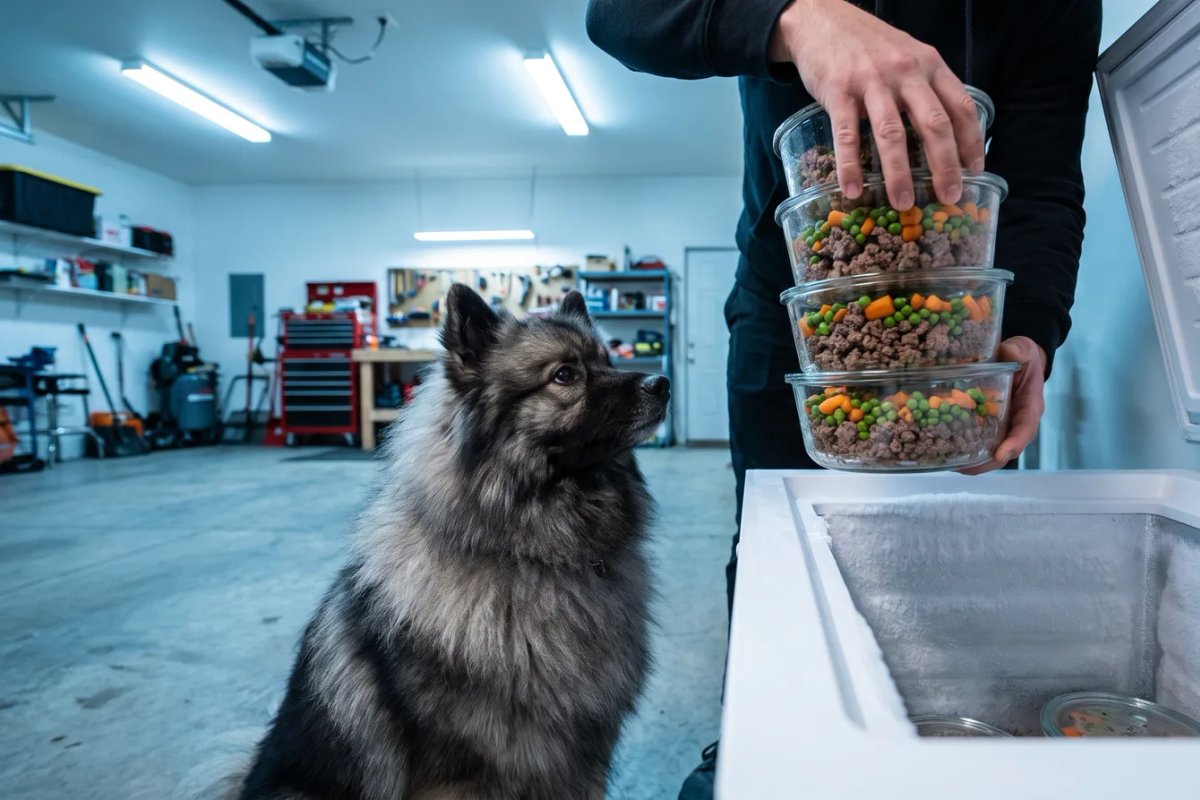
While safety can be locked in through freezing, food quality slowly declines over time. Sub-zero temperatures can lead to structural changes in cooked proteins and vegetables. When frozen dog food is thawed, structural ice crystals melt, often resulting in a softer texture and minor moisture separation. While most dogs readily accept these minor texture changes, extended freezer storage beyond a few months can result in freezer burn—a state of surface dehydration that dulls flavor and aroma, potentially making the food less appealing to picky eaters.
Comparing Refrigerated Fresh Rolls and Pre-Frozen Fresh Deliveries
Fresh commercial dog food currently reaches consumers through two primary logistics models: chilled refrigerated items found in retail coolers and pre-frozen packages delivered directly to homes. Each format presents distinct storage considerations.
Refrigerated fresh options, such as products made by Freshpet, are sold chilled in rolls or bags and carry an explicit timeline once brought home. According to manufacturer guidelines, opened rolls typically need to be consumed within seven days, while opened bags generally have a window of five to seven days. For owners of smaller dogs or those using fresh food strictly as a meal topper, finishing a large roll within a week can be difficult. In these instances, freezing becomes a necessary intervention to avoid spoilage.
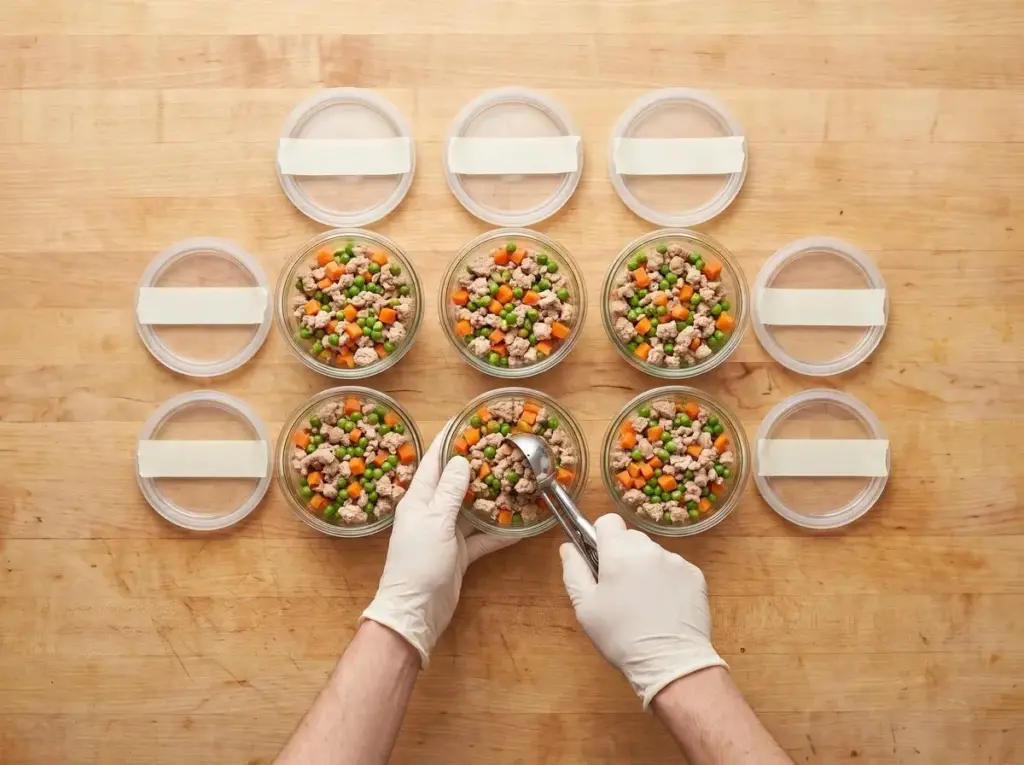
When dealing with unopened refrigerated rolls, freezing the entire package whole is technically possible, but it creates practical difficulties later. A solid, frozen roll is extremely challenging to slice or divide into daily meals without complete thawing. Veterinary food safety recommendations suggest opening chilled rolls upon purchase, slicing them immediately into daily or single-meal portions, and placing those individual portions into the freezer right away.
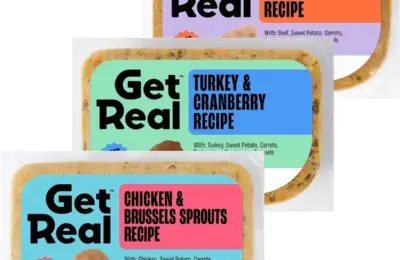
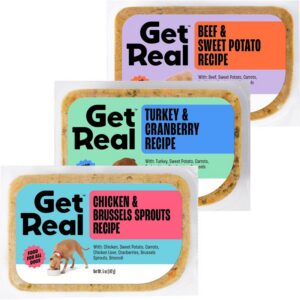
Conversely, fresh food lines designed around direct frozen delivery, such as Get Real by Chewy, bypass the rush against a refrigerated expiration clock. These products are gently cooked, divided into sealed packages, and flash-frozen prior to shipping. Upon arrival, the pre-portioned packs go straight into the home freezer, allowing owners to retrieve and thaw only the exact amount needed for upcoming meals.
The Critical Role of Pre-Freeze Portioning in Preserving Quality
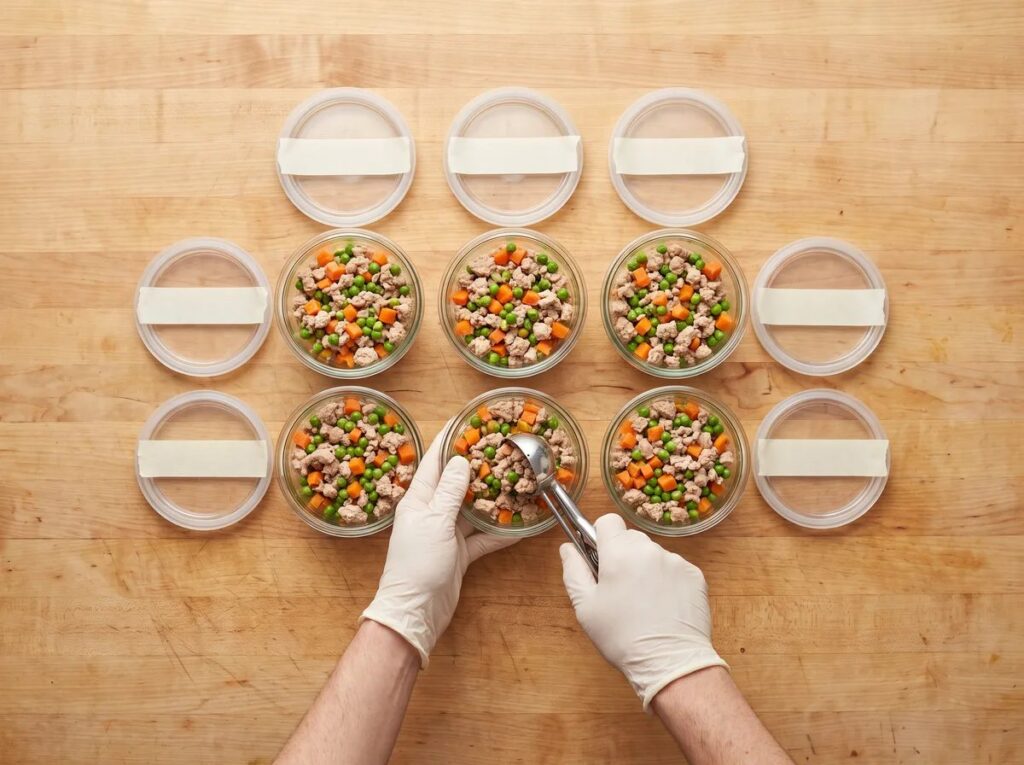
Proper portioning is arguably the most vital step in freezing fresh pet food successfully. Attempting to freeze and thaw large, undivided blocks of food creates multiple problems: large masses thaw unevenly, take significantly longer to defrost, and force pet owners to manage more thawed food than a dog can safely consume within the recommended usage window.
Creating an efficient portioning routine begins with identifying the dog’s daily requirement, derived from manufacturer feeding guidelines or individualized veterinary advice based on the dog’s weight, age, and activity level. Dividing this total into single-meal or single-day allotments makes daily feeding simple. For pet parents who use fresh food exclusively as a kibble topper, dividing meals into very small amounts using silicone molds or ice cube trays provides a convenient way to pop out precise, single-serving enhancements.
Minimizing air exposure is equally critical when packaging food for the freezer. Oxygen exposure leads directly to freezer burn, causing discoloration and drying out protein structures. Storing meals in airtight glass containers, heavy-duty freezer bags with all excess air pressed out, or vacuum-sealed pouches protects the integrity of the food. Labeling each container with the prep date and protein type ensures proper rotation, particularly for households that alternate between different recipes, such as chicken, beef, or turkey formulas.
Storage Lifespans Across Fresh, Wet, Canned, and Dry Formats
Storage limits vary significantly depending on the food’s moisture level, processing method, and packaging. Establishing a clear routine requires knowing how long different formats retain their safety and nutritional value both before and after opening.
Refrigerated fresh rolls and bags must remain chilled until their printed expiration date. Once opened, they should be kept in the refrigerator and consumed within five to seven days. If portioned and frozen immediately upon opening, they maintain optimal quality for several weeks up to a few months, depending on manufacturer recommendations.
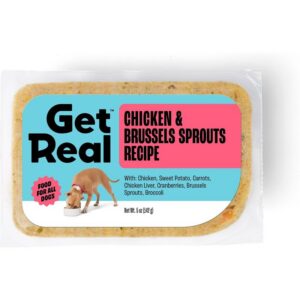
Pre-frozen fresh meals, such as Get Real recipes, should be kept continuously frozen until transferred to the refrigerator for use. Once thawed in the fridge, these meals maintain their quality and safety for three to five days.
Canned and pouched wet foods offer long-term shelf stability prior to opening, remaining viable until the best-by date stamped on the package. Once opened, however, unused portions must be covered tightly and refrigerated immediately, as directed by the U.S. Food and Drug Administration (FDA). Opened canned food should be used within a few days. If excess wet food needs to be stored longer, it can be transferred out of the metal can into airtight containers and frozen.
Dry kibble maintains the longest shelf life, remaining fresh unopened until its printed expiration date. Once opened, kibble should be kept in its original bag with the top folded down securely, stored in a cool environment below 80 degrees Fahrenheit. While kibble can technically be frozen for extended storage, standard room-temperature storage in a sealed bag is sufficient for most households, provided the bag is consumed within a reasonable period to prevent fat oxidation and staleness.
To establish an efficient buying and storage plan, owners can calculate how long a given bag or pack will last by dividing the total weight of the package by their dog’s daily portion size. If the resulting number exceeds the safe post-opening shelf life of the product, any surplus should be portioned and frozen immediately.
Safe Thawing Protocols and Preventing Temperature-Driven Spoilage
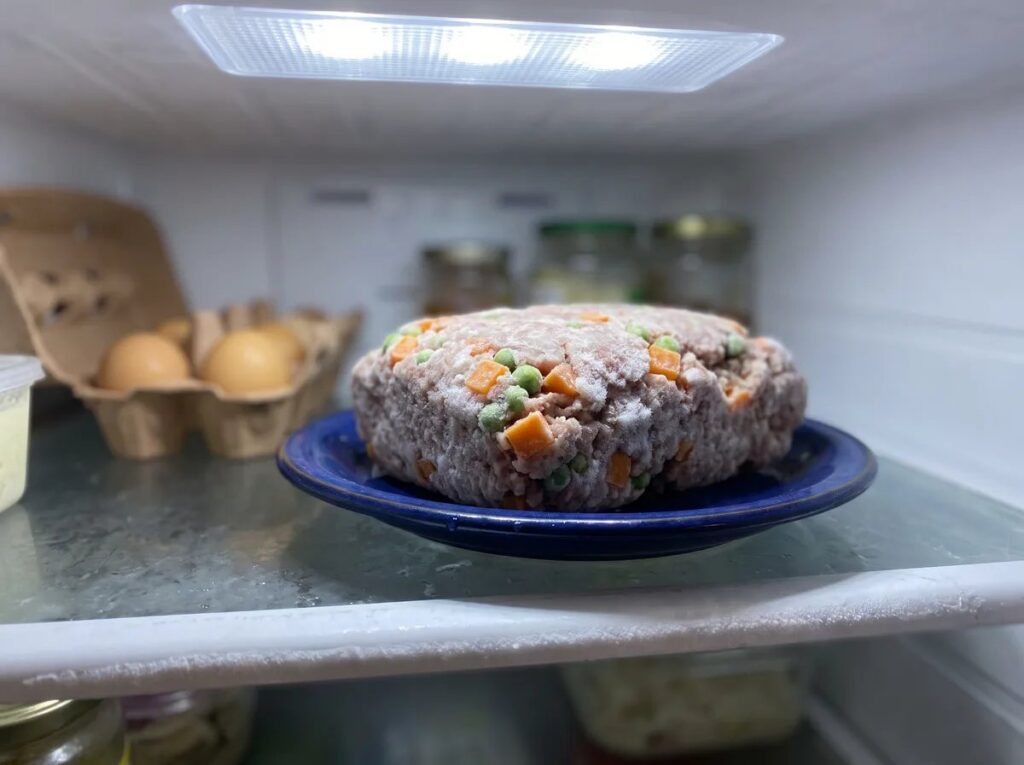
Thawing is the phase where pet owners most frequently make mistakes that compromise food safety. The gold standard for defrosting frozen pet food is a slow, temperature-controlled thaw inside the refrigerator. Keeping food at or below 40 degrees Fahrenheit throughout the defrosting process prevents pathogenic bacteria from reaching dangerous growth levels.
Under no circumstances should fresh dog food be thawed on kitchen countertops, submerged in hot water, or heated unmonitored in a microwave. According to standard food safety guidelines, perishable food left at room temperature for more than two hours enters the "danger zone"—between 40 and 140 degrees Fahrenheit—where bacteria multiply rapidly. Food exposed to room temperatures past this two-hour window should be discarded rather than served or refrozen.
Planning thaw schedules depends on the overall mass of the frozen package. Pre-portioned diets typically come with specific refrigeration timelines based on weight:
- Small Mixer Packs (5 oz): Require 12 to 24 hours of refrigerator thawing. Moving a pack from the freezer to the fridge the evening before serving ensures it is ready for mealtime.
- Medium Packs (12 oz): Require 12 to 24 hours of refrigerator thawing, making an overnight chill ideal for standard daily feeding.
- Large Packs (24 oz): Require 35 to 48 hours to thaw completely in the refrigerator, meaning owners must plan two days in advance.
Once thawed in the refrigerator, these packages remain fresh for three to five days. A practical approach is to keep one thawed package in active use in the refrigerator while another thaws directly behind it, creating a seamless rolling schedule. Placing thawing packages on a shallow plate on a lower refrigerator shelf prevents condensation drippings from contacting human foods stored nearby.
Guidelines on Refreezing Previously Thawed Dog Food
Questions frequently arise about whether thawed dog food can be returned to the freezer if plans change. The answer depends strictly on temperature management rather than elapsed time.
If dog food was thawed exclusively inside a refrigerator maintained at or below 40 degrees Fahrenheit and has not been left out at room temperature, it is safe to refreeze. Both USDA human food safety standards and guidelines from pet food manufacturers confirm that cold-thawed foods maintain bacterial safety upon refreezing.
However, refreezing comes with sensory trade-offs. Moisture is lost during every freezing and thawing cycle as plant and animal cellular structures break down. Refreezing food will cause it to lose moisture, leading to a softer, drier, or mushier texture upon the second thaw. While this degradation does not pose a safety hazard, it may diminish the food’s appeal to fussy dogs.
If the food was defrosted on a counter, thawed in warm water, or left out of refrigeration for more than two hours, it must never be refrozen. Freezing does not neutralize toxins produced by bacteria that multiply at ambient room temperatures. Spoiled or temperature-abused food must be thrown out.
Applications for Canned Foods, Kibble, and Interactive Enrichment
Freezing techniques extend beyond fresh food rolls and pouches. Leftover wet canned food can easily be saved by scooping individual portion sizes into silicone ice trays, freezing them solid, and transferring the cubes into freezer bags. It is important to note that wet food should never be frozen directly inside an open metal can, as freezing expands liquids and can compromise the integrity of the container while exposing the food to air degradation.
Freezing wet and fresh dog food also provides an excellent vehicle for canine mental enrichment. Stuffed puzzle toys, such as Kongs, packed with wet food, fresh recipes, or food toppers and frozen overnight create long-lasting interactive challenges. These frozen puzzles help slow down fast eaters, reduce anxiety, and keep dogs occupied. However, pet owners must account for the food used in enrichment toys as part of the dog’s overall daily caloric allowance to prevent unintentional weight gain, and toys should be thoroughly washed after every use.
For dry kibble, freezing is rarely necessary under typical household conditions. However, for owners who purchase bulk bags for very small dogs—where a single bag might take several months to finish—freezing portions of dry kibble in airtight freezer bags can slow down the oxidation of fats and prevent the food from going stale over extended periods.
Commercial Innovations: Pre-Portioned Frozen Fresh Diets
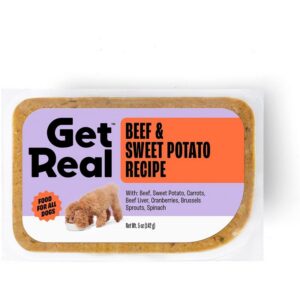
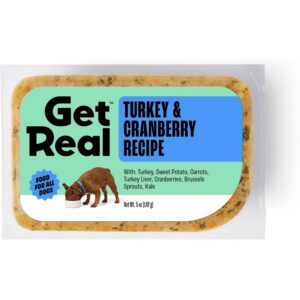
Recognizing the storage and portioning challenges faced by pet parents, commercial brands have developed products tailored specifically to frozen storage routines. Chewy’s proprietary fresh dog food line, Get Real, reflects this market shift toward gently cooked, pre-portioned frozen offerings.
Formulated with human-grade ingredients and cooked at gentle temperatures to retain nutrient integrity, Get Real recipes feature concise ingredient decks—typically ten primary ingredients or fewer, supplemented with essential vitamins and minerals. The formulations meet Association of American Feed Control Officials (AAFCO) nutrient profiles for all life stages, including the growth of large-breed dogs.
Because these meals are flash-frozen immediately after cooking and packaging, they arrive at the consumer’s doorstep packed in insulated boxes with dry ice, remaining cold for up to eight hours after delivery. Offered in 5 oz mixer packs as well as 12 oz and 24 oz full-meal sizes, they eliminate the need for home slicing, weighing, or repacking. Owners simply transfer the shipment directly into their home freezer and move individual packs to the refrigerator according to their dog’s feeding schedule.
When introducing any new fresh diet—whether pre-frozen or refrigerated—veterinarians recommend a gradual transition period over 7 to 10 days, extending to 10 to 14 days for dogs with sensitive digestive systems. Slowly mixing increasing ratios of the new fresh food into the dog’s current diet helps prevent gastrointestinal upset while allowing the dog’s digestive tract to adjust.
Veterinary Perspectives on Raw Diets, Pathogens, and Diet Transitions
As fresh pet food continues to expand, veterinary professionals distinguish clearly between gently cooked fresh diets and raw meat diets. While raw feeding has gained a dedicated following, many veterinary organizations and regulatory bodies, including the FDA, advise caution regarding raw pet foods due to bacterial contamination risks.
Raw meat products carry a significantly higher baseline load of pathogens, including Salmonella and Listeria monocytogenes, which pose health risks not only to dogs but also to human family members handling the food or cleaning up after the pet. Thawed raw food has a very short refrigerator shelf life—typically only a few days—and demands strict hygiene protocols, including dedicated prep surfaces, thorough handwashing, and frequent sanitizing of food bowls.
Gently cooked fresh diets offer a middle ground that appeals to many pet owners and veterinarians. By applying heat sufficient to eliminate pathogenic risks while retaining wholesome textures and natural moisture, gently cooked foods provide the nutritional benefits of fresh ingredients without the heightened microbiological hazards associated with raw meat.
Whether opting for commercially frozen gently cooked packs or portioning chilled fresh rolls at home, adhering to cold-chain storage principles ensures that fresh canine diets remain both safe and nutritious from the freezer to the bowl.