
Technology continues to reshape how aging populations approach healthcare and personal safety, moving far beyond the traditional, stigmatized medical alert pendants of the past. Today, devices like the Apple Watch are owned by individuals across a broad spectrum of ages, allowing wearers to integrate health monitoring into their daily routines without feeling marked as vulnerable. According to recent insights highlighted by the National Institute on Aging, older adults increasingly reject ageist labels, valuing tools that support vibrant, independent lifestyles while quietly working in the background to ensure personal safety and well-being.
The concept that consumer technology can help older individuals live independently for longer has become an attractive proposition for independent-minded generations. Features such as stand and movement reminders, continuous fitness tracking, and everyday step counters encourage seniors to stay physically active, contributing to long-term health preservation. As Apple deepens its investments in healthcare research, smartwatches have also grown increasingly adept at detecting short-term health shifts and supporting proactive self-care. Furthermore, family members and younger relatives can utilize privacy-approved location-sharing tools like the Find My application to check in on elderly family members, striking a balance between autonomy and reassurance. For seniors who wear an Apple Watch, configuring a core set of health, safety, and accessibility alerts can profoundly enhance both daily peace of mind and emergency preparedness.
Emergency SOS on Your Apple Watch Is Crucial
When unexpected crises arise, having immediate access to help is paramount. The Apple Watch houses robust emergency communication tools that can prove especially beneficial for older wearers, including Emergency SOS, customizable Medical ID profiles, and designated emergency contacts.
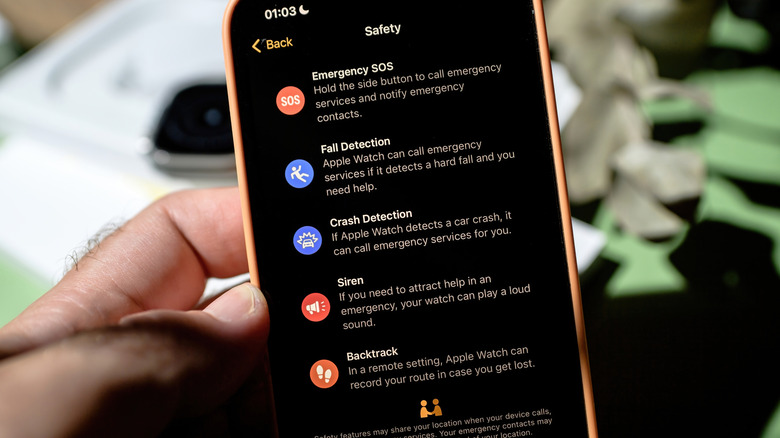
The Emergency SOS feature is designed to connect users directly with emergency services when situations demand immediate intervention. To activate this functionality manually, a user can press and hold the side button until the emergency call slider appears, then drag it, or continue holding the button down until the device initiates the call automatically. This capability typically requires a cellular-enabled watch with an active data plan, a reliable Wi-Fi calling connection, or a paired iPhone kept within close proximity.
Beyond contacting emergency dispatchers, the platform allows first responders to access vital medical details through the Medical ID and Emergency Contact framework. Managed primarily through the Health application on a paired iPhone, users can input critical information such as known allergies, pre-existing medical conditions, and specific emergency contacts via their profile settings. Paramedics and medical personnel trained to look for digital medical identities on wearable technology can review these records directly from the wrist, ensuring they have the necessary context to deliver precise and appropriate medical treatment during an emergency.
Fall Detection Can Help If You Fall
Statistics from public health agencies underline the significant physical risks associated with aging. According to the United States Centers for Disease Control and Prevention, more than one in four adults aged 65 and older experience an unexpected fall each year. These incidents frequently lead to severe health consequences, with hundreds of thousands of older individuals hospitalized annually for hip fractures resulting from falls. Compounding this risk, demographic shifts noted by researchers at Pew Research indicate that a notable percentage of older U.S. adults live alone, heightening the potential danger of remaining unattended after an accident.
To mitigate these hazards, Fall Detection technology offers an automated safety net. For users who indicate in the Health application that they are 55 or older, Fall Detection is enabled automatically. Once active, the watch utilizes its internal accelerometers and gyroscopes to recognize the distinct motion patterns of a hard fall. If the device detects that the wearer remains immobile for a brief period following the impact, it automatically initiates a call to emergency services.
Should a fall occur, an alert message pops up on the watch display asking if the user requires assistance. If the wearer dismisses the alert, fails to respond, or remains immobile, the system escalates the situation by contacting emergency services and alerting pre-configured emergency contacts with the user’s location. A similar mechanism, known as Crash Detection, extends this automated protection to severe automotive accidents on recent watch models, ensuring drivers and passengers receive prompt assistance if a serious roadway collision occurs.
Your Apple Watch Has Heart-Health Alerts
Cardiovascular health remains a primary concern for aging populations. Data compiled by the CDC indicates that cardiovascular disease claims a life every 34 seconds in the United States. While consumer smartwatches are not designed to diagnose acute medical emergencies like heart attacks, they provide continuous, sophisticated monitoring tools capable of tracking overall heart health and identifying potential warning signs, such as atrial fibrillation.
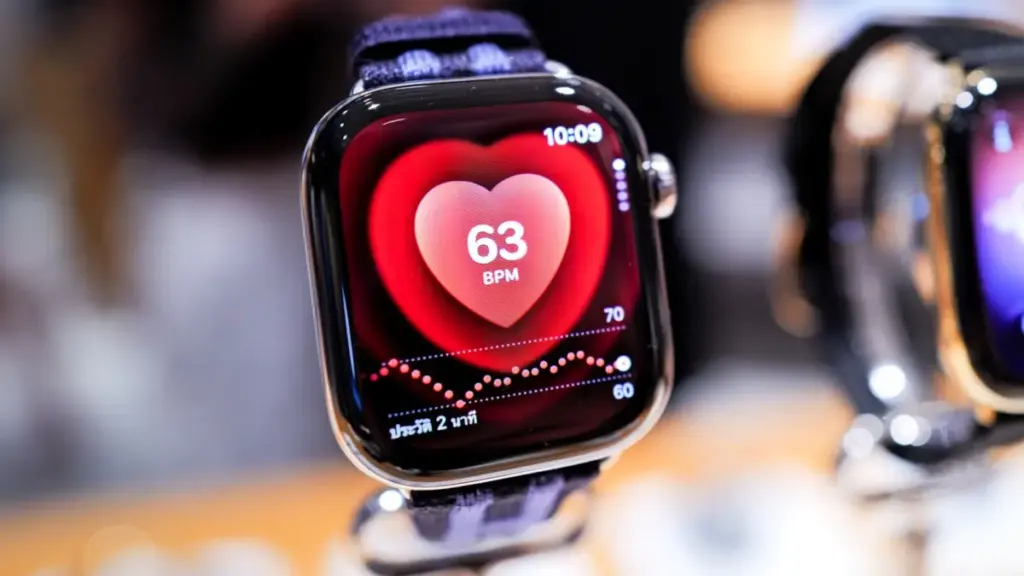
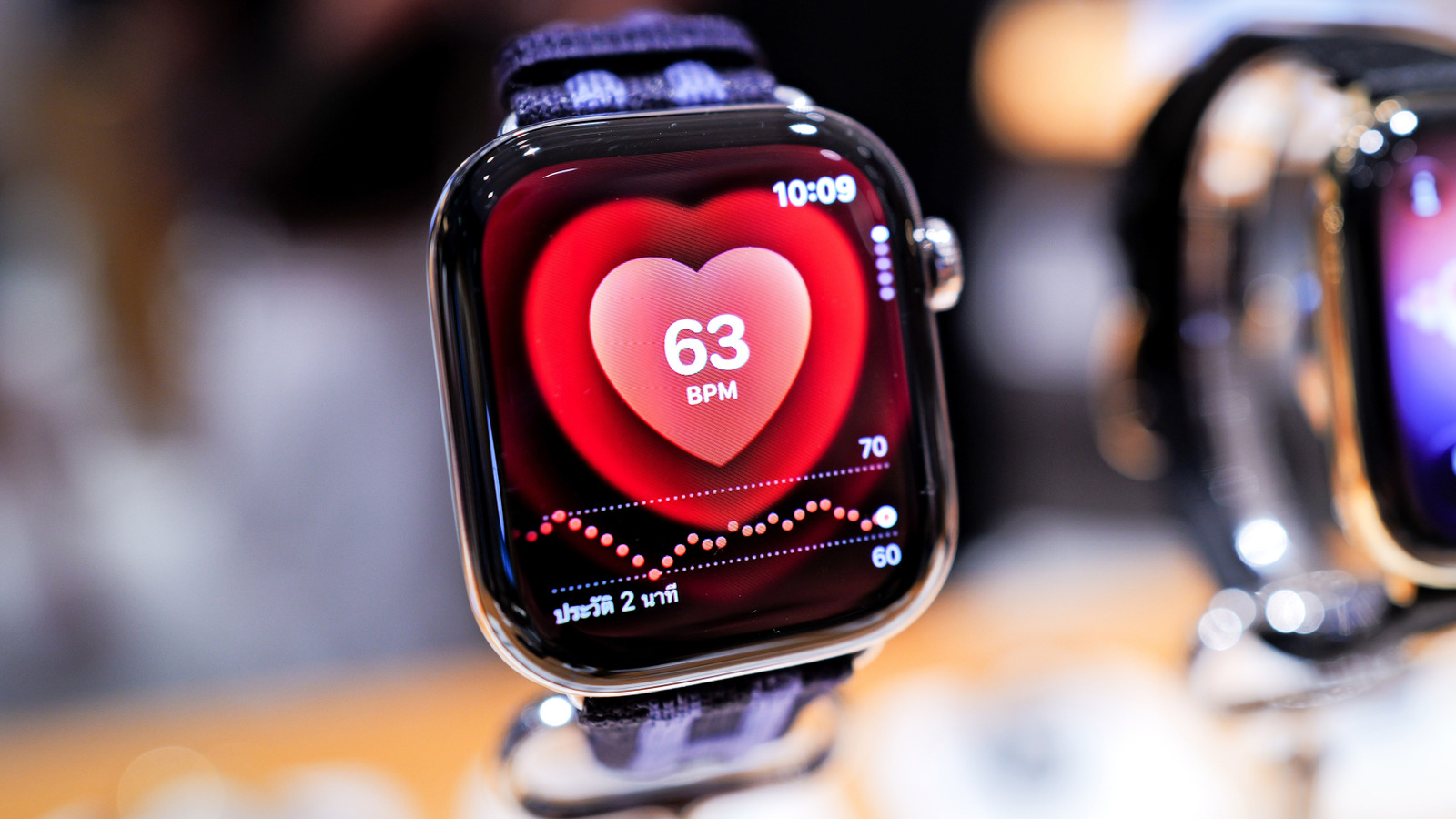
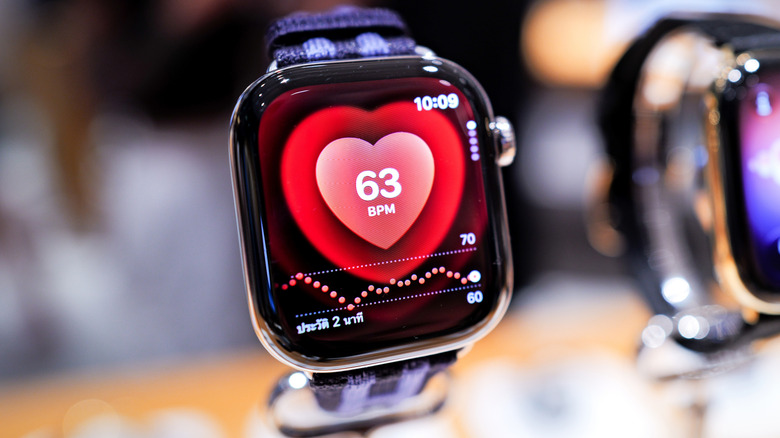
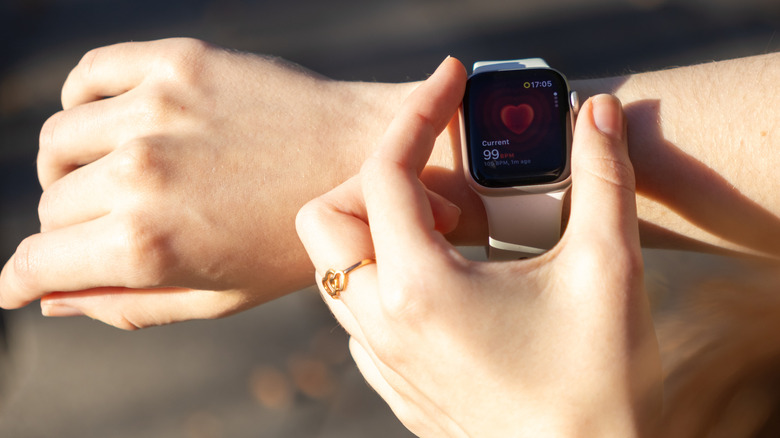
The Apple Watch monitors heart rate continuously by employing green and infrared LED lights alongside photodiode sensors located on the rear crystal of the device. This background monitoring operates automatically to track resting and active heart rates throughout the day. In addition to continuous tracking, users can capture a single-lead electrocardiogram reading on demand to check for signs of irregular heart rhythms. By holding a finger against the Digital Crown while keeping the wrist steady, a user can obtain an ECG reading in thirty seconds.
The device is also capable of issuing proactive notifications if the wearer’s heart rate strays outside of predetermined thresholds, alerting them to unusually high or low rates that may warrant medical evaluation. All recorded metrics feed directly into the Health application on the paired iPhone, where users can also review calculated metrics like VO2 Max to gauge overall cardiovascular fitness. Adjusting these heart-monitoring parameters is handled directly through the device settings, allowing wearers to tailor the sensitivity and frequency of health alerts to their specific medical needs.
Your Apple Watch Can Remind You to Take Your Medicine
Managing complex medication schedules can become increasingly challenging over time. The Medication Reminders feature within the health ecosystem is designed to help users stay on track with their pharmaceutical regimens. By inputting prescription details and dosing schedules into the Health application on a paired iPhone, users can establish personalized reminders for every medication they take.

Once configured, the Apple Watch delivers a gentle haptic tap to the wrist accompanied by a visual notification precisely when a dose is scheduled. Users can interact with the notification to log whether they have taken or skipped their medication, building a comprehensive compliance history that can be shared with healthcare providers during routine check-ups.
Beyond medication management, recent software and hardware integrations enable the device’s built-in sleep tracking capabilities to monitor breathing disturbances over time. This data can flag potential indicators of conditions like sleep apnea, providing valuable insights that wearers can discuss with their physicians for further diagnostic investigation.
Sound and Accessibility Alerts Are Beneficial for Seniors
Apple maintains a policy of integrating core accessibility features into its consumer products at no additional cost, ensuring that advanced technology remains usable for individuals with varying physical capabilities. This commitment is particularly evident in the Apple Watch, which incorporates numerous tools tailored to support independence for aging users.
Age-related hearing changes are widespread, with research organizations reporting that a significant portion of older adults experience some degree of hearing loss. To address this, the Sound Recognition tool utilizes the microphones on the Apple Watch and paired iPhone to actively listen for specific ambient audio cues, such as nearby doorbells, emergency sirens, or smoke and fire alarms. When these sounds are detected, the device sends an immediate visual and haptic alert to the wrist, helping wearers stay aware of their immediate environment.
Furthermore, visual accessibility considerations ensure that the interface remains readable for individuals with diminished eyesight. Users can easily adjust text sizes directly from the wrist by opening the Control Center, selecting the text scaling option, and turning the Digital Crown to enlarge fonts to a comfortable reading level. Through these thoughtful integrations, consumer wearable technology continues to bridge the gap between daily independence and essential health monitoring for older adults.