
Simple, fun, and easily customizable, a batch of stuffed peppers makes a marvelous meal that has long been a staple in home kitchens. While bell peppers alone may not be celebrated as a prime source of dietary fiber, they are nevertheless packed with vitamin C in addition to other essential nutrients that contribute to a balanced diet. For home cooks looking to elevate the nutritional profile of this classic comfort food, culinary experts suggest a straightforward adjustment: replace the traditional rice filling with quinoa.
Preparing a proper quinoa-stuffed pepper recipe takes a total of about an hour and 20 minutes from start to finish, yielding a hearty, satisfying, and completely vegetarian meal. Swapping out rice in favor of quinoa will also significantly increase the fiber content for this dish, offering a substantial upgrade for those looking to incorporate more wholesome grains into their daily routine. Whereas a cup of standard white rice contains less than a gram of fiber and the same portion of brown rice has a little more than three grams, a single cup of cooked quinoa boasts over five grams of fiber. Furthermore, when incorporated into a broader recipe featuring complementary ingredients, the total nutritional payoff multiplies, as both the beans and the avocado commonly paired with this dish add even more dietary fiber to your plate.
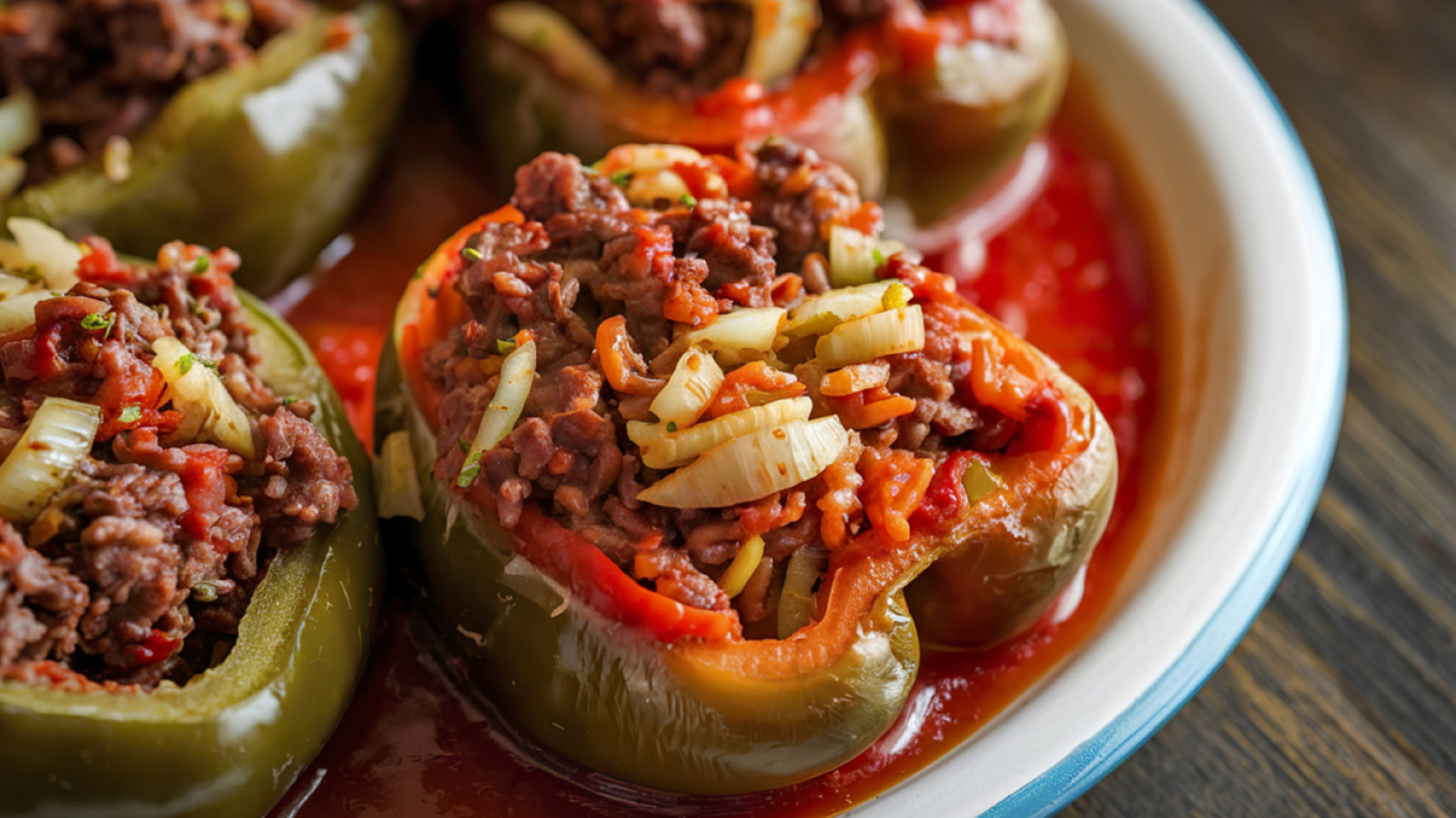
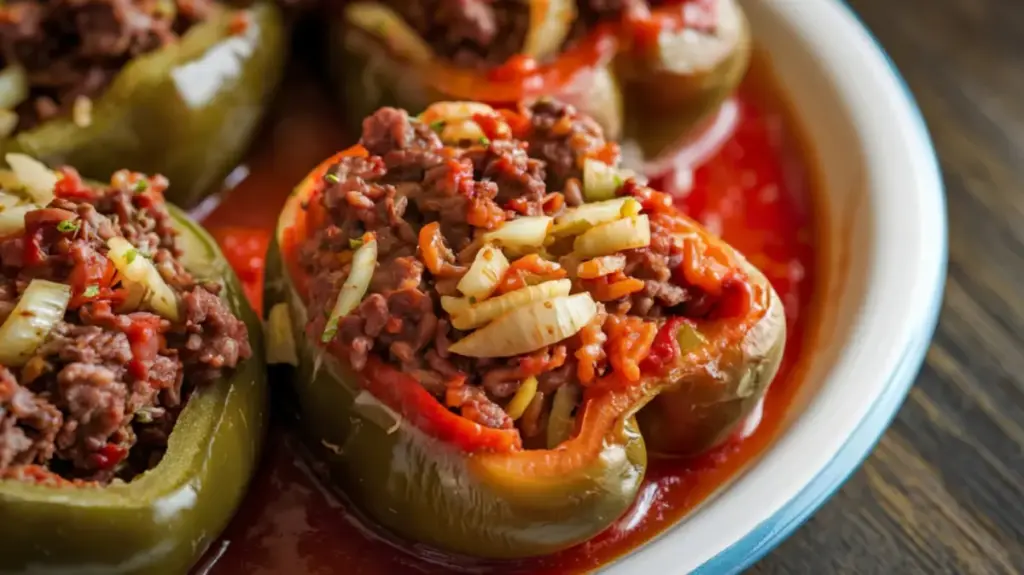
The preparation method for these upgraded stuffed peppers follows a familiar yet elevated culinary path. The process begins by cooking the quinoa until it reaches the desired fluffy consistency, while simultaneously sautéing foundational aromatics such as onions and garlic to build a deep base of flavor. This aromatic mixture is then combined with canned tomatoes, beans, a splash of bright lime juice, and freshly chopped cilantro to create a vibrant, moisture-rich filling. Once the components are thoroughly mixed, the savory filling is generously spooned into prepared pepper vessels, which are then baked in the oven until the bell peppers become tender and sweet. The result is a dinner that is as filling as it is fulfilling, offering a robust combination of textures and flavors.
When selecting the ideal vessels for stuffing, home cooks should keep in mind that red bell peppers have the most nutrients compared to their green, yellow, or orange counterparts. Choosing red varieties maximizes the vitamin intake of the meal, though there are a number of other ways to increase the overall nutritional value depending on personal dietary preferences and pantry availability.
Making the most of your stuffed peppers
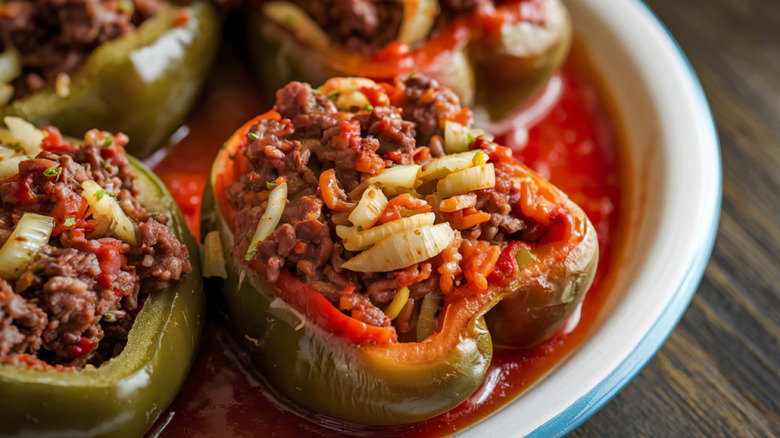
This simple rice swap serves as an exceptionally effective method for introducing more fiber into a classic dish while simultaneously opening up new possibilities for further culinary experimentation. While the quinoa-forward, vegetarian approach offers a nutrient-dense profile, the fundamental concept can easily adapt to a variety of dietary preferences. For instance, home cooks seeking a non-vegetarian option can incorporate ground meats such as beef, turkey, or pork to help round out the filling, providing a savory depth that pairs wonderfully with the nutty flavor of the quinoa. Alternatively, those adhering to plant-based diets can easily fold a plant-based meat crumble into the quinoa mixture to achieve a similar hearty texture without relying on animal products.
Beyond the core filling, other culinary additions such as nuts and cheese help to provide even more complex layers of flavor and essential nutrients in the dish. However, achieving the best possible culinary result involves more than just selecting the filling ingredients; it also requires careful attention to the structural integrity of the produce itself. For better stuffed peppers that hold their shape and presentation on the plate, culinary experts recommend shopping for bell peppers that feature four lobes on the bottom rather than three. These four-lobed specimens tend to sit much flatter and more stably on a baking sheet, allowing them to stand up easily on their own and securely hold a generous helping of filling without tipping over or spilling their contents during the baking process.
However you choose to make them, these quinoa-stuffed peppers will surely satisfy even the most discerning palates around the dinner table. Changing up the individual ingredients for your filling can make each batch unique, interesting, and perfectly tailored to seasonal availability or personal taste. For those looking for visual guidance and further culinary inspiration, detailed demonstrations of the process remain readily accessible through cooking channels and digital platforms, offering a clear window into how a few simple swaps can completely transform a familiar favorite into a modern, health-conscious masterpiece.