
Nearly two decades after pioneering the early retirement movement, the prominent personal finance blogger known as Mr. Money Mustache has pulled back the curtain on a two-year experiment in lifestyle inflation, discovering that even a conscious effort to loosen the purse strings barely budged his baseline expenses.
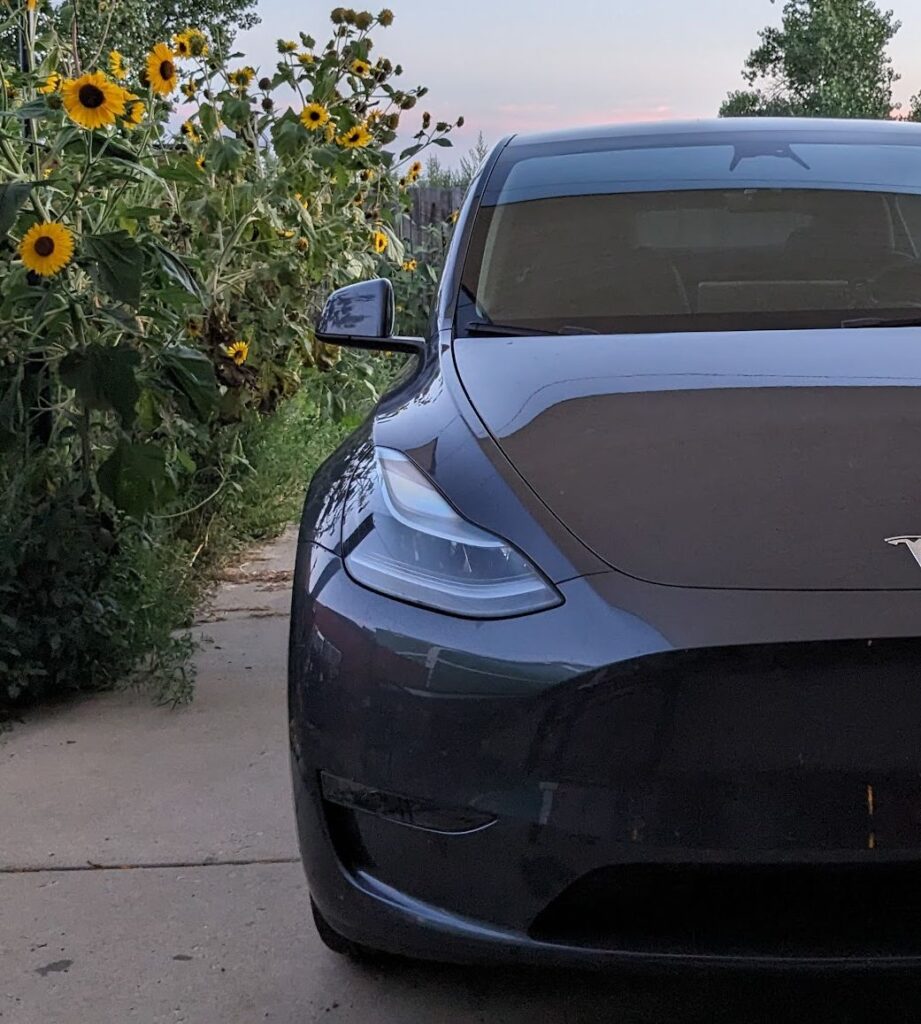
The financial commentator, whose real name is Pete Adeney, initially shocked some of his most dedicated followers a couple of years ago when he published a manifesto detailing his plans to actively try to spend more money. The lifestyle shift kicked off with the purchase of a Tesla Model Y, a departure from his famously austere early-retirement tenets that prioritized extreme frugality and frugally maintained older vehicles. At the time, the move was billed as an intentional pivot toward adjusting habits for the next chapter of life, embracing a mindset of abundance rather than strict conservation.
In the wake of that decision, the following two years were characterized by a noticeable sense of financial freedom. Adeney traveled extensively, traded budget motels for upscale accommodations, upgraded to premium airline seating to minimize travel fatigue, and abandoned the meticulous price-checking habits that once defined his grocery shopping routine. Rather than sticking exclusively to bulk-discount warehouse clubs like Costco and Sam’s Club, he routinely patronized upscale grocers like Whole Foods without a second thought to the elevated cost of goods.
His social and cultural calendar expanded in tandem. Alongside his young adult son, he attended a continuous circuit of late-night electronic dance music concerts and visited multiple immersive Meowwolf art installations, including an impromptu Christmas Day road trip from his winter residence in Tempe, Arizona, to Las Vegas. Navigating much of the period as a single man afforded him a flexible schedule, allowing him to spontaneously rendezvous with friends, traverse new regions, and embrace social opportunities as they materialized.

Despite the noticeable influx of experiential spending, Adeney operated under the assumption that his outlays must have crept back into typical American consumer territory. However, because he was enjoying the process so much, he avoided tallying the totals until a recent informal financial coaching session with a friend prompted both of them to compare notes by auditing their spending over the previous twelve months.
When all transactions were finally categorized into a spreadsheet and totaled, the results defied expectations. While overall expenditures had indeed ticked upward—driven primarily by travel-related categories—the macroeconomic impact on his bottom line remained remarkably modest. Depending on adjustments for business expenditures and automotive factors, his annual outlays hovered between $20,000 and $30,000, bolstered by the hidden subsidy of a fully paid-off primary residence.
This expenditure level remains easily sustainable by a standard one-million-dollar investment nest egg, a threshold Adeney’s portfolio far surpasses following years of broader economic expansion and a sustained stock market rally. Consequently, his spending remains well beneath safe withdrawal limits. Although he lightheartedly notes that he "failed" to reach the higher spending brackets traditionally recommended for older, wealthy individuals, the experiment left him satisfied. The abundance mindset successfully yielded richer experiences without destabilizing his core financial foundation, proving that his early retirement philosophy could accommodate a higher quality of life without devolving into reckless consumerism.
Breaking Down the Annual Ledger
A detailed review of the spreadsheet data provides a granular look at how a modern, early-retired lifestyle is funded outside of traditional corporate structures. Across personal and business accounts, Adeney’s total expenditures for the year reached $30,026.76.
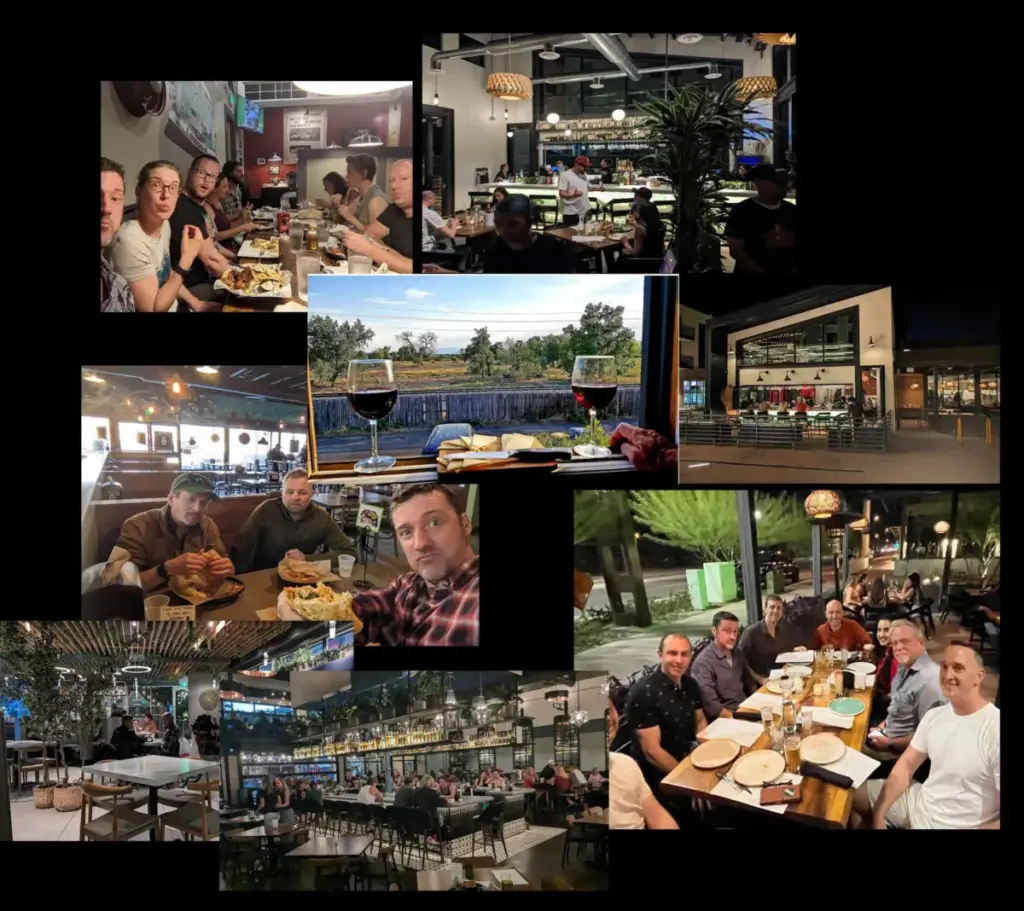
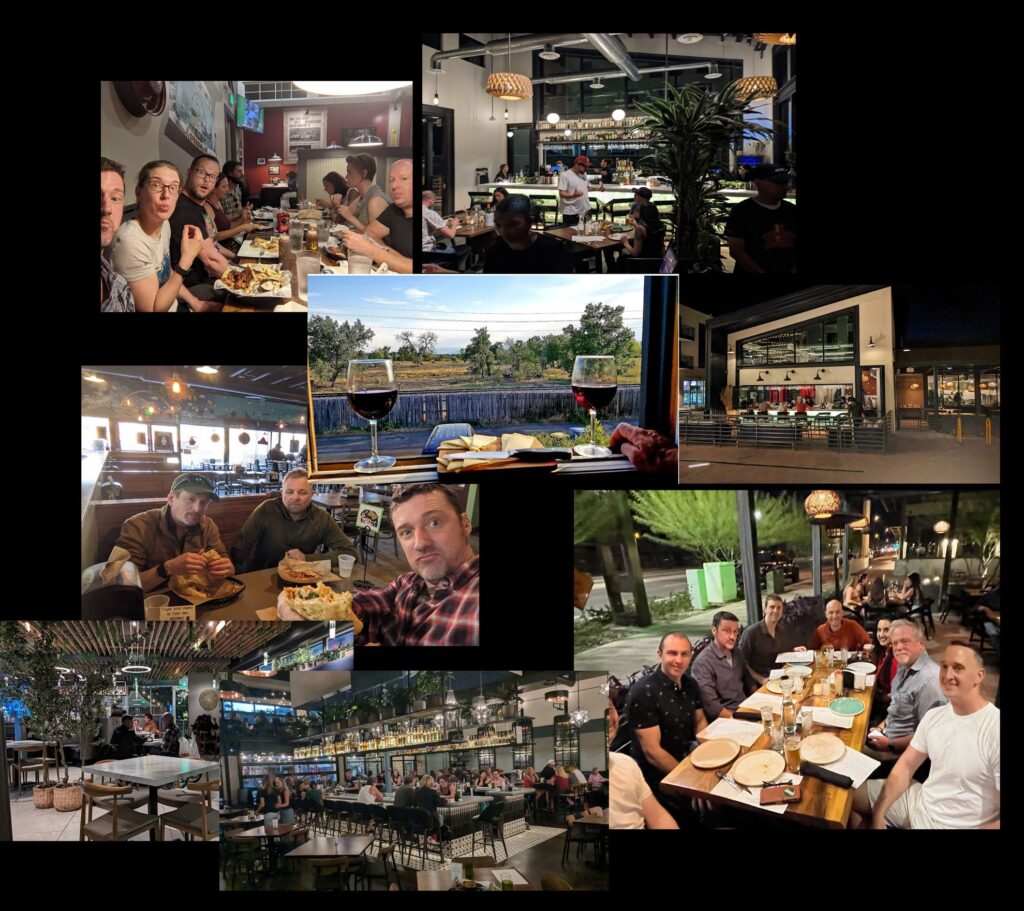
Groceries constituted one of the largest personal allocations, totaling $5,960.39, which covered food for himself, his young adult son residing with him roughly half the time, and occasional visiting guests. Restaurant spending remained modest at $2,243.59, a figure kept intentionally low by reserving dining out strictly for special social occasions rather than routine convenience.
Travel emerged as a primary driver of increased costs, totaling $6,158.77 across personal and business allocations. A significant portion of this category was funneled into business-related travel, including attendance at community events like Camp Fi and specialized educational conferences.
Housing and utility expenses reflected a blend of modern infrastructure and low-overhead living. Utilities accounted for $1,909.51, while high-speed gigabit internet and mobile phone services totaled $1,410.56. Property taxes remained remarkably reasonable at $2,577.30, a modest sum given the prevailing market valuations of homes in his neighborhood, which typically range between $500,000 and $600,000.
An entry of $3,554.10 under Amazon and household items required contextual clarification: roughly 75% of those business-card expenses actually represented construction materials purchased for client projects—typically friends—which were subsequently reimbursed via invoice. Meanwhile, entertainment-focused outlays for wine and beverages used during social gatherings accounted for a modest $250.67.
Automotive expenses were recorded at $2,425.21, a figure representing vehicle insurance and registration fees for his electric vehicle, though unadjusted for capital depreciation.
The Mechanics of Low-Cost Living
The structural integrity of Adeney’s low-cost lifestyle relies heavily on variables that diverge sharply from the average household balance sheet. Most notably, his budget completely lacks monthly mortgage or rent payments, the single largest recurring expense for most consumers. Having cleared his mortgage long ago, he also handles his own home maintenance, eliminating professional service bills for lawn care, plumbing, and handiwork.
While financial advisors often argue that maintaining a low-interest mortgage during historically low borrowing periods—such as the 3% rates seen in 2021—and investing the principal in equities yields a superior net return, Adeney emphasizes the psychological dividends of debt-free homeownership. The lack of a mortgage payment eliminates financial anxiety, while an associated lack of standard homeowner’s insurance saves an additional $2,000 annually, further enhancing the financial efficiency of a paid-off property.
Healthcare expenses represent another optimized category, totaling $3,536.66 for the year. Benefiting from sustained good health and fortune, he incurred no major medical incidents. Instead of traditional, high-cost commercial health insurance, he maintains a two-tiered coverage strategy consisting of a Direct Primary Care medical clinic membership costing $107 per month, paired with a high-deductible health-sharing arrangement through Sedera Health at $201 per month. Together, the $308 monthly outlay undercuts the cheapest standard bronze-tier marketplace plans while offering personalized, zero-deductible primary care alongside catastrophic financial protection.
Future Horizons and Ongoing Optimization

Reflecting on the overarching lessons of his financial journey, Adeney notes that money serves fundamentally as a tool for survival and self-actualization. Citing the psychological principle that resolving persistent frictions in life yields greater happiness than merely doubling down on existing comforts, he evaluates where future resources might be best deployed.
His primary ongoing friction involves physical space limitations. Engaging heavily in spatial-intensive hobbies like construction and woodworking while residing in a modest home with a standard two-car, 440-square-foot garage has created a bottleneck. While expanding his workshop footprint to a thousand square feet or establishing a remote mountain property remains an appealing long-term concept, he remains cautious about adding operational complexity to an already fulfilling daily routine. Any future real estate acquisition would likely require divesting from existing commitments, such as his current home or a local coworking space headquarters.
As he looks toward the remainder of the decade, Adeney intends to maintain his current balance of purposeful frugality and experiential abundance. With federal electric vehicle tax credits potentially facing legislative shifts under the incoming presidential administration, he also points out that current market conditions for new and used electric vehicles—such as the Model Y and Model 3—represent a uniquely advantageous window for buyers looking to upgrade their transportation infrastructure while maintaining long-term operational savings.