



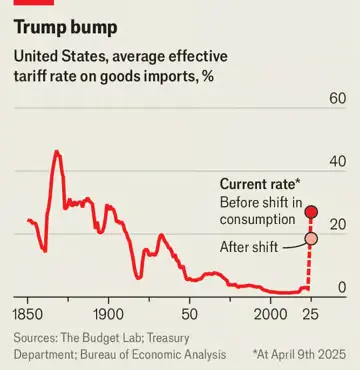
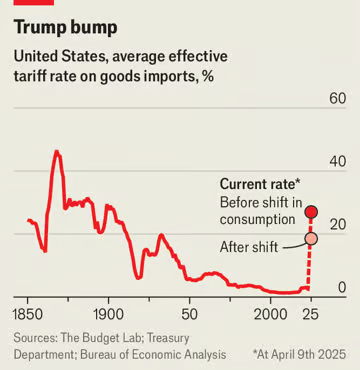
The global financial markets have experienced a turbulent few months, marking a stark contrast to the multi-year climb that culminated in early 2025. Following a period of steady growth, the stock market entered a volatile phase characterized by some of the steepest drops and recoveries in modern financial history. After plummeting by a full 20 percent at its lowest point, the market has managed a dramatic rebound, landing right back near its previous peak. While financial volatility rarely points to a single, easily identifiable catalyst, economists and market observers agree that the current economic turbulence is primarily driven by sweeping trade tariffs and escalating geopolitical posturing.

As the international financial landscape has been whipped around like a circus tent in a hurricane, stakeholders across the country have struggled to interpret the ongoing shifts. At the center of the storm is a worldwide tariff and trade battle unleashed by the government, the full outcome of which remains uncertain. Businesses are actively bracing for massive regulatory and financial changes, while foreign exchange rates and interest rates react in real-time. For individual long-term investors and those planning for early retirement, the future of their portfolios feels increasingly unpredictable. Reactions among everyday citizens range from dismissive skepticism regarding the long-term impact to catastrophic predictions about the trajectory of the economy.
To understand the core mechanics of this volatility, it is necessary to examine the fundamental nature of a tariff. Essentially, a tariff functions as a sales tax levied by the federal government on goods imported from abroad. These fees are paid directly by the importing entity—whether an individual consumer purchasing an item directly from an overseas manufacturer or major corporations like Amazon, Walmart, and Apple bringing in products by the shipload. Ultimately, however, the financial burden of these taxes is passed down to the end consumer. When a retailer faces increased costs of goods, prices inevitably rise to preserve profit margins.

Beyond consumer goods, tariffs exert a direct impact on large-scale corporate investments and national infrastructure. When major companies embark on large construction projects, the additional taxes imposed on imported steel, copper, lumber, and countless other industrial components significantly inflate development costs. These rising material costs inevitably trickle down into the housing market, as the vast majority of residential building supplies originate from multiple international sources. On average, broad-based tariffs function similarly to any universal sales tax, slowing down overall economic activity and diminishing consumer purchasing power. While the policy generates substantial revenue for the government—potentially helping to fund the national budget or reduce the deficit—it disrupts established supply chains.
Historically, functional government operations require a balanced mix of revenue sources, including sales, income, and corporate taxes. Economists generally agree that these tax levels should remain as low as possible to sustain public services while fostering an environment where individuals and businesses are incentivized to work hard and plan for the future. The current tariff regime, however, has drawn criticism for employing erratic and unpredictable threats of extraordinarily high rates, which are frequently altered or walked back on a near-daily basis.

While mainstream economic consensus views widespread tariffs as detrimental, governments historically implement them to protect specific domestic industries. For example, imposing a heavy tax on imported automobiles grants a direct competitive advantage to domestic manufacturers like General Motors, driving up their sales and potentially leading to expanded local production and hiring. While this dynamic benefits domestic auto workers and company executives, the broader consumer base typically loses out through higher vehicle prices and reduced market selection.
Such protectionist measures can be deployed strategically, such as safeguarding critical national defense industries like aerospace manufacturing, or they can be driven by political lobbying from powerful domestic sectors. This approach has spanned multiple presidential administrations, with both Republican and Democratic leaders utilizing tariffs to appeal to specific voter bases. A notable example includes taxes placed on imported solar panel components, which have raised costs on the very materials capable of providing decades of inexpensive clean energy and lowering the overall cost of living.
Examining the macroeconomic implications reveals why most economists advocate for the sparing use of tariffs. While a protected industry may experience a short-term boom, the rest of the economy absorbs the secondary costs. Higher vehicle prices, for instance, force delivery fleets like Amazon to spend more on operations, resulting in higher prices across retail sectors. The cumulative effect is a slightly more expensive and less efficient business environment, which can stifle innovation and entrepreneurship. Furthermore, shielded from international competition, domestic corporations often face reduced incentives to innovate and streamline operations, ultimately slowing their long-term growth trajectory.
Despite these widespread economic consequences, public debate persists surrounding the stated goals of such policies. Proponents often focus strictly on immediate first-order effects, such as domestic job creation within a protected sector, while overlooking the broader systemic inefficiencies introduced elsewhere in the economy. Financial markets consistently reflect this tension; every time high tariff rates are announced, share prices drop as investors anticipate lower corporate earnings. Conversely, when tariffs are paused or dialed back, share prices rally in response to renewed stability and expectations of continued international trade.
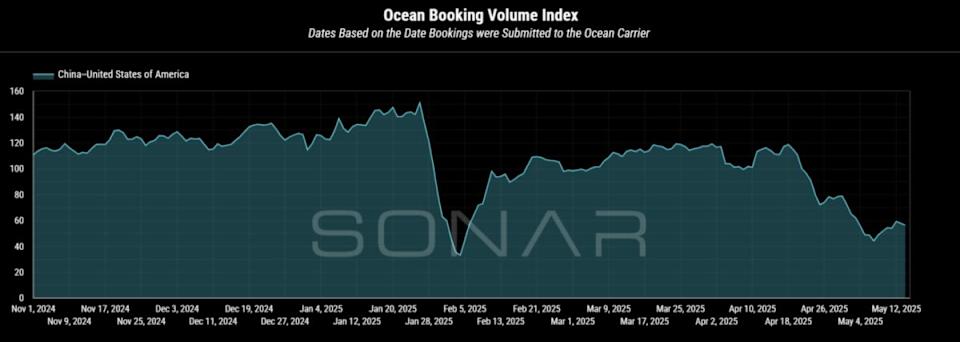
The broader economy functions much like a massive cargo ship—possessing a tremendous amount of momentum and an extensive inventory that prevents it from changing direction overnight. Following the initial announcement of sweeping trade measures, importers rushed to place advance orders, building up a substantial cushion of domestic inventory. As those stockpiled goods are gradually depleted, and with new imports significantly reduced due to the tariffs, analysts warn that supply shortages and price increases could become more pronounced across consumer and industrial markets. While decorative trinkets and minor consumer goods are easily substituted, restricted access to core industrial tools and machinery carries more severe economic consequences.
Observers suggest that trade policies typically resolve through one of two primary pathways. In the first scenario, extreme tariff rates remain in place long-term, forcing a permanent restructuring of international supply chains toward domestic manufacturing at the cost of higher consumer prices and reduced economic efficiency. In the second, more probable scenario, the aggressive measures serve primarily as a high-stakes negotiating tactic, eventually giving way to negotiated truces and a return to historically low tariffs and international cooperation. Proponents of free trade emphasize that global prosperity is fundamentally built on the collaborative exchange of goods, services, and ideas across open borders.
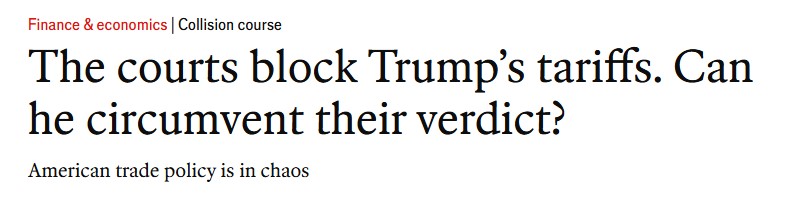
As the political and legal battles over trade authority continue to unfold through the courts and legislative branches, financial analysts advise investors to maintain a long-term perspective. Despite sharp market dips triggered by sudden policy announcements, equity markets have repeatedly demonstrated resilience, bouncing back as trade tensions ease and investors reassess economic fundamentals. As ongoing regulatory and diplomatic developments continue to shape the global trade environment, market participants and consumers alike await a definitive resolution to the current economic experiment.