

The Legend of Zelda: Ocarina of Time has always been a title deeply rooted in a sense of melancholy. While it is celebrated as one of the most important and enduring video games ever created, a closer look beneath its iconic surface reveals a surprisingly grim world. From the haunting atmosphere of the Kokiri forest after clearing the Great Deku Tree dungeon to the chilling revelations uncovered when speaking to characters while wearing the Mask of Truth, the game consistently leans into a somber tone. It is a narrative that encourages reflection, sorrow, and an awareness of loss as young Link journeys across a changing Hyrule.
Yet, within the newly released remake for the Switch 2, Nintendo has introduced a handful of careful tweaks and expansions that color in the edges of this legendary fantasy kingdom. While many of these additions lean further into the darker themes of the adventure, one notable change boldly rejects the prevailing misery. It focuses entirely on the game’s undisputed best dog: Richard.
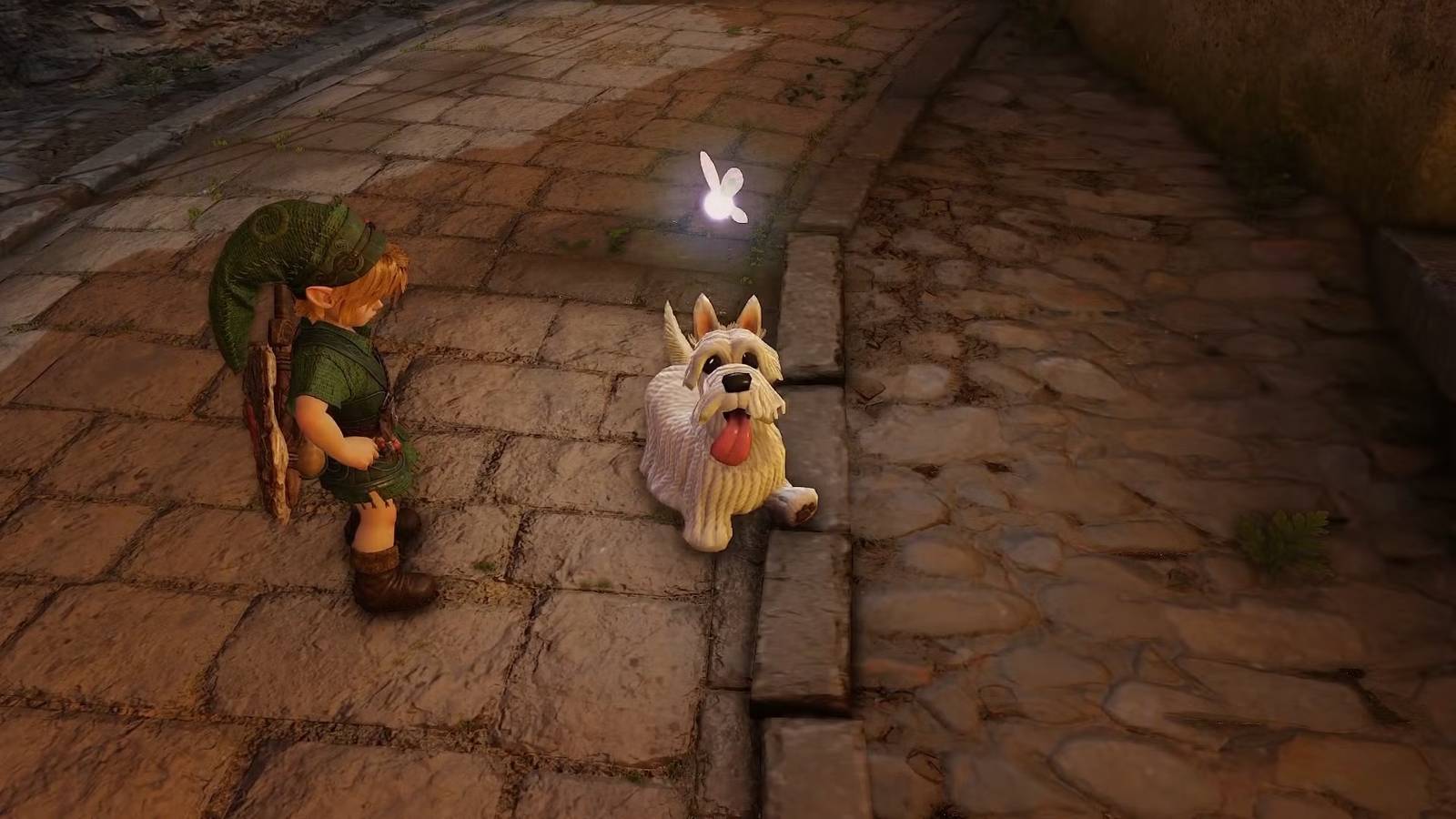
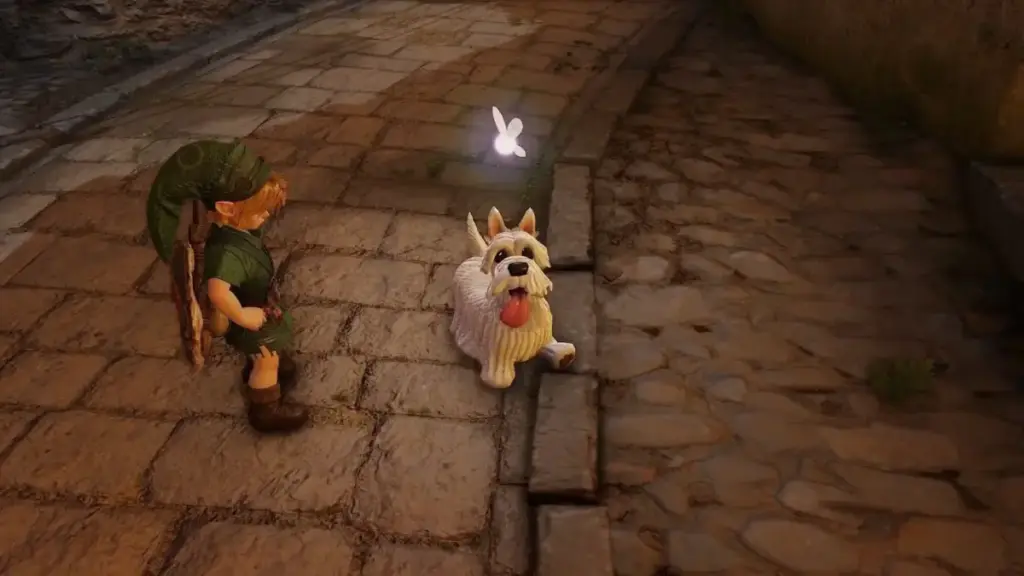
For players familiar with the classic iteration and its subsequent revisions, Richard holds a special place in the hearts of the community. In the early stages of the game, before Link draws the Master Sword and seals himself in the Sacred Realm, Richard can be found in Castle Town. He is a very good dog—arguably the best, though his owner, Mamamu Yan, certainly needs no convincing on that front. Mamamu Yan spends her days in the bustling pre-collapse Castle Town watching Richard play and singing his praises to anyone willing to listen. While she can occasionally be a bit haughty or dismissive regarding the other dogs roaming the cobblestone streets, Richard himself remains completely blameless, an innocent canine companion in a world on the brink of profound upheaval.
However, the tone shifts drastically as the timeline advances. In the 2011 Nintendo 3DS version of Ocarina of Time, the passage of seven years paints a devastating picture of the future. When young Link emerges from the Sacred Realm, Castle Town is reduced to a desolate wasteland of ruins, overrun by ReDead and other haunting remnants of Ganondorf’s conquest. While Navi does not explicitly detail the grim origins of these terrifying creatures, the oppressive horror of the ruined environment strongly implies a tragic fate for the former human and non-human denizens of the capital.
Not everyone perished in the initial catastrophe, however. A number of the kingdom’s eccentric and memorable residents managed to flee to the relative safety of Kakariko Village, and among them is Mamamu Yan. In the 3DS release, speaking with her reveals a sobering detail: she speaks of Richard entirely in the past tense. According to dialogue in that version, Richard was the best dog, a famous pup who did not survive the dark years following Ganondorf’s rise to power. For many players navigating an already frightening and melancholic future Hyrule, the realization that Richard had met an off-screen demise added an unexpected sting of genuine heartbreak. Mamamu Yan herself may not have appeared overly distraught by the loss, but the realization left a lasting impression on players who had grown fond of the playful canine during their early hours in Castle Town.

That narrative heartbreak, fortunately, has been decisively undone in the modern Switch 2 remake of Ocarina of Time. In this latest version of the classic adventure, Richard lives.
Players returning to Kakariko Village in the ruined future timeline will find the beloved dog alive, well, and entirely full of life. During the daytime hours, Richard can be observed frolicking happily around the village, and unlike his scattered or lost counterparts from the past, he remains safely accounted for when night falls. It appears the little fellow learned a valuable lesson about self-preservation during the dark days of Castle Town’s fall.
When players first encounter him in the Switch 2 remake, natural skepticism might lead one to wonder if Mamamu Yan simply followed the common human tradition of naming successive pets after a departed favorite, perhaps dubbing this new companion Richard the Second or Richard the Third. Yet, interacting with Mamamu Yan dispels any notion of ancestral replacements. She speaks of her cherished companion with the exact same boundless enthusiasm, praising the virtues and splendor of her Richard without ever mentioning dead predecessors, bloodlines, or a previous generation of pets. It is explicitly the same wonderful little dog from the beginning of the game, miraculously spared from the tragic fate written for him in earlier releases.
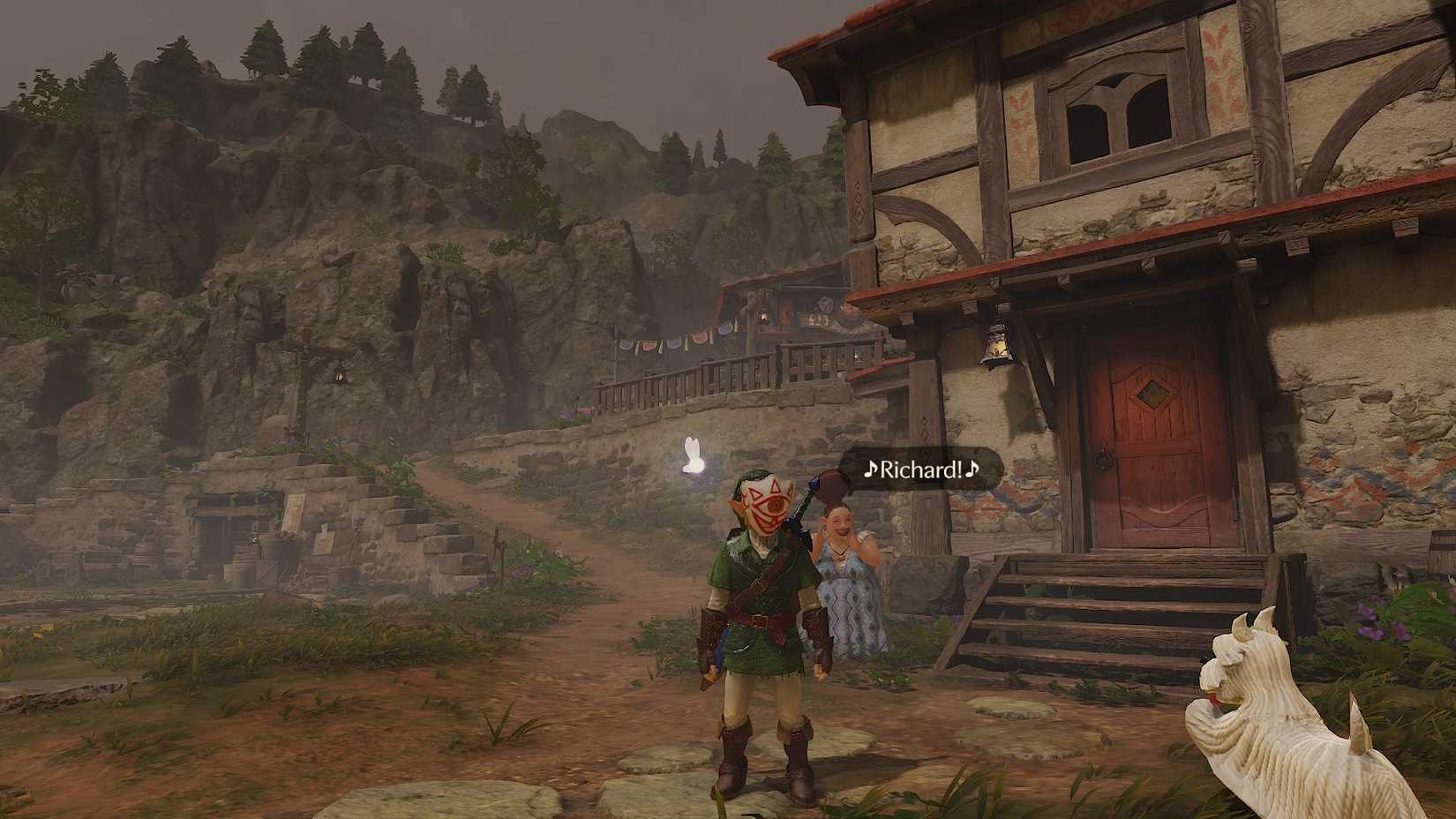
This creative choice by the development team serves as a sweet and surprisingly impactful bright spot. Stumbling into Kakariko Village after enduring the visceral horrors, eerie atmosphere, and existential dread of Future Castle Town can be an overwhelming experience. Finding Richard alive and well provides a much-needed emotional anchor, offering a touch of warmth and enduring light amidst the darkness that otherwise consumes the ruined era.
It is a small detail in a massive adventure, but for fans who have traversed the valleys and dungeons of Hyrule across multiple console generations, Richard’s survival represents an unexpected victory over the game’s pervasive sorrow. Good boy, Richard. May you live forever in a peaceful Hyrule.