


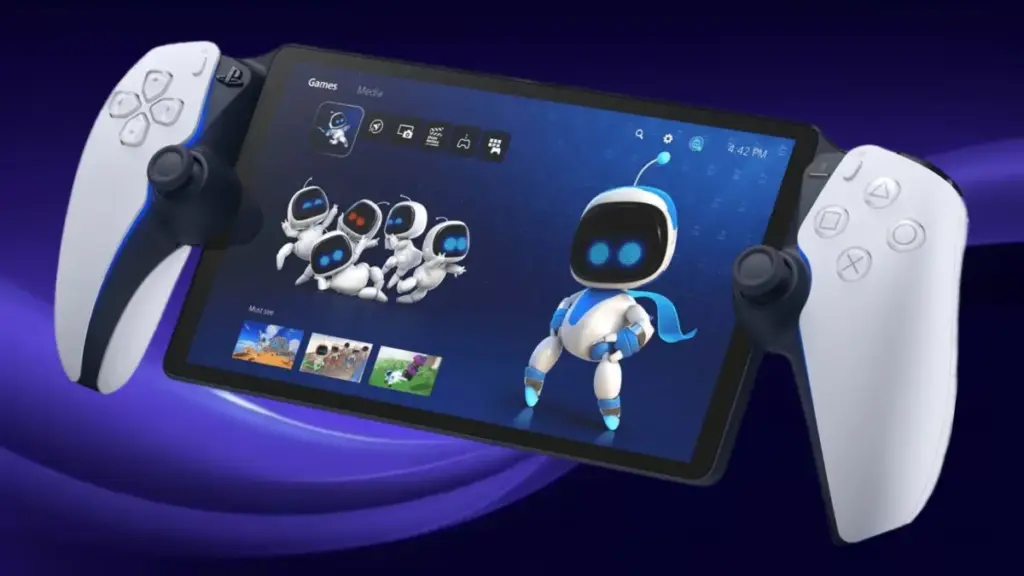
While Sony has largely stepped away from the dedicated portable console market following the commercial demise of the PlayStation Vita, the company is quietly revisiting the form factor with a targeted release for the PlayStation Portal. Following a strategy similar to recent hardware adjustments seen from Nintendo in the domestic market, Sony is preparing to launch a specialized, Japan-only version of its handheld remote-play device.
According to initial product details, the core hardware specifications of this new regional variant remain largely unchanged from the standard global model. The region-locked device retains the familiar 1080p LCD screen and is fundamentally built around the premise of remotely accessing a PlayStation 5 console to stream and play games over a local network. However, the introduction of a specific hardware modification sets this version apart from its predecessor, signaling a potential shift in how Sony views the future utility of the accessory.
The defining difference in the Japan-exclusive model is the inclusion of built-in internal storage. Because of this added hard drive, the regional Portal is slated to cost 39,980 yen, which translates to approximately $252 USD, aligning it closely with the pricing structure of the global model within the Japanese market. In keeping with aesthetic choices seen in other recent regional hardware releases, such as the Japan-exclusive Midnight Black edition of the PlayStation 5, this new iteration of the PlayStation Portal will also be finished in a sleek Midnight Black colorway.
Why is the addition of internal storage a big deal?
From its initial conception, the primary selling point of the PlayStation Portal has been its reliance on remote streaming. Designed to allow users to play games directly from their PlayStation 5 hardware while connected to the same Wi-Fi network, the base version of the device had no technical requirement for local hard drive space. Consequently, the decision by Sony to integrate internal storage into this new regional model suggests that the hardware may eventually be capable of supporting functionalities beyond simple real-time streaming.
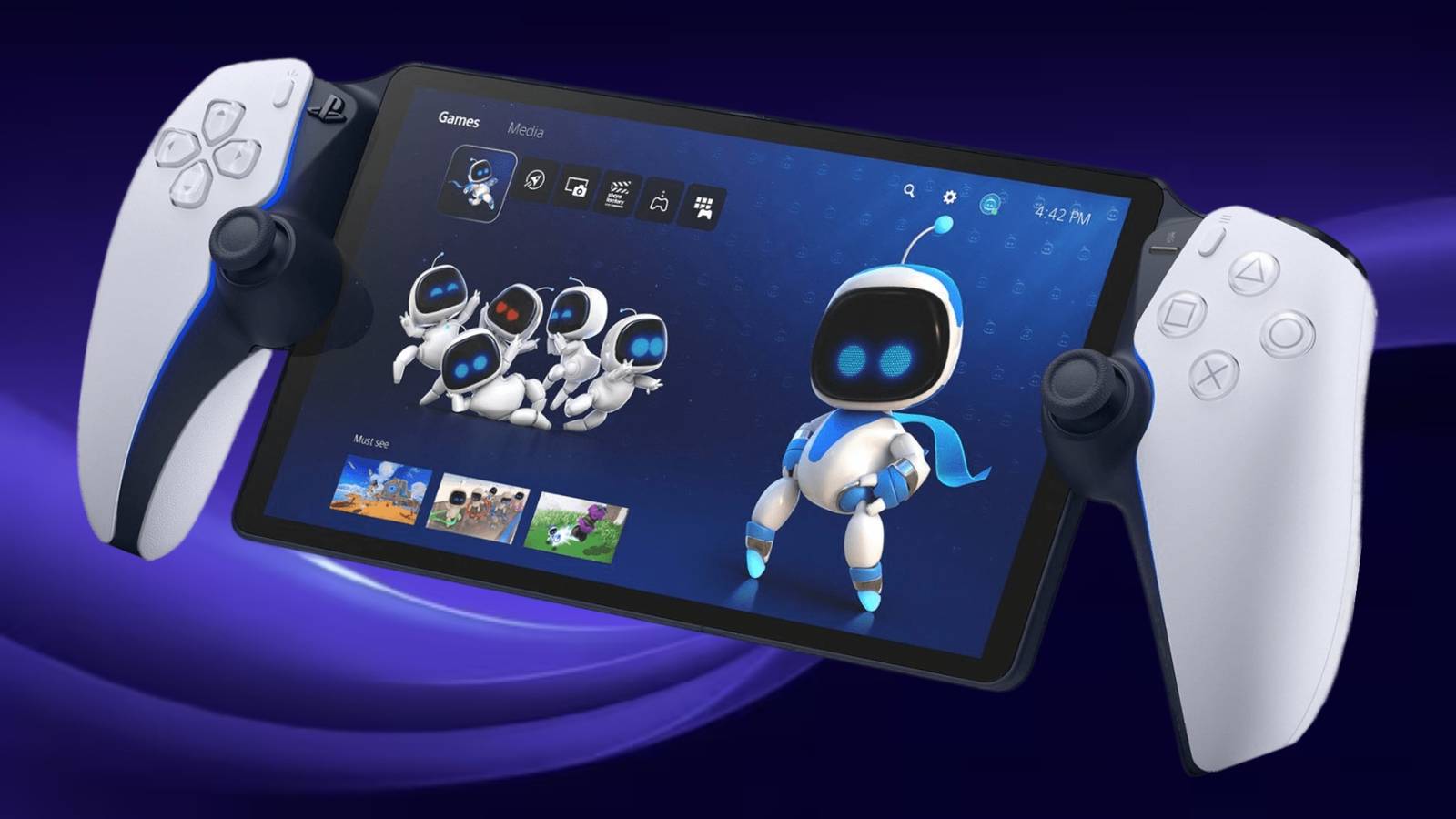
Product descriptions and official notes indicate that Sony chose to include the internal hard drive "with an eye towards future functionality." While company representatives have not yet specified whether these anticipated capabilities are intended to interface with the current PlayStation 5 ecosystem or if they are being developed with a prospective PlayStation 6 hardware generation in mind, the architectural change has immediately drawn attention from industry analysts and consumers alike.
The release of a region-specific variant is part of a broader trend observed among major console manufacturers operating within Japan. Sony previously utilized this geographic strategy with the PlayStation 5, introducing a region-locked version of the home console priced at the local equivalent of $350. Similarly, competitors like Nintendo have rolled out region-specific hardware adjustments to counter economic pressures. These measures are primarily designed to keep gaming systems accessible to domestic consumers amid the ongoing fluctuations and declining purchasing power of the Japanese yen.
How was the PlayStation Portal received?
When the PlayStation Portal first launched globally, it entered the market with a seemingly narrow use case that prompted skepticism from traditional portable gaming enthusiasts. Despite initial doubts surrounding a device tethered entirely to local network conditions and active PlayStation 5 hardware, the handheld performed reasonably well from a commercial standpoint. Market estimates indicate that the device moved approximately 420,000 units in the United States alone within its first year on store shelves.
Critical reception, however, was notably mixed. Reviewers frequently praised the physical build quality, ergonomics, and visual clarity of the screen, but many pointed out that even minor network latency or mild Wi-Fi connection issues could severely disrupt the gameplay experience. Combined with a retail price point of $199.99 and a strict streaming-only architecture, these limitations initially categorized the Portal as a niche accessory aimed strictly at dedicated enthusiasts with robust home network setups.

Over time, Sony has attempted to address some of these early criticisms through continuous software updates. The company introduced enhanced streaming settings designed to optimize performance for users with high-speed home networks, improving stability and visual fidelity during remote sessions.
Perhaps the most significant evolution for the platform arrived when Sony expanded its software ecosystem to incorporate cloud gaming support. This update decoupled the accessory from the strict necessity of owning a physical PlayStation 5 console, allowing subscribers of the higher-tier PlayStation Plus Premium service—which costs $159.99 annually—to stream a wide library of supported games directly through the cloud.
As the broader consumer electronics industry continues to navigate rising hardware manufacturing costs, driven in part by ongoing global RAM shortages and component pricing pressures, major console manufacturers are increasingly exploring cloud-based alternatives to traditional hardware paradigms. Within this shifting technological landscape, Sony’s decision to introduce a modified PlayStation Portal with expanded internal storage capabilities in a key regional market may serve as an early indicator of how portable streaming devices will evolve in the years ahead.