

Published November 5, 2026
For outdoor athletes facing the unpredictable whims of winter weather, the foundational layer of any clothing system can make or break an adventure. Recognizing this critical need, a dedicated team of expert gear testers spent months evaluating 46 different tops and bottoms crafted from both natural and synthetic materials. Subjected to everything from backcountry ski touring and resort skiing to mountain biking, cold morning runs, and gym workouts, these garments underwent rigorous real-world testing. The exhaustive evaluation ultimately named the Stellar Merino Base Top and Tights as the best overall base layers for men, praised for their exceptional comfort and moisture management, while the Flylow Hanmer Wool Baselayer Top claimed the title of most versatile option under $100.
The base layer—frequently referred to as long underwear or thermals—serves as both the literal and metaphorical foundation of a proper outdoor layering system. Choosing the wrong piece can cause an entire clothing setup to fail. If a thermal layer chafes or traps sweat, the wearer is bound to feel miserable, regardless of how high-performing their outer insulation or protective shell might be.
Despite evaluating winter gear for more than a decade, category experts remain hesitant to crown a single product as universally superior because base layers are inherently personal. An athlete skinning uphill in the damp conditions of the Pacific Northwest requires a vastly different thermal garment than a resort skier sitting motionless on frozen chairlifts in Colorado. Individual preferences regarding fabric feel, insulating weight, and shoulder fit can vary dramatically from person to person.
This year’s rough and inconsistent snow season across the western United States further highlighted the vital importance of gear versatility. Due to fluctuating winter conditions, testers found themselves wearing these base layers far beyond traditional snow sports, utilizing them during mountain bike rides, brisk morning runs, indoor gym workouts, and shoulder-season adventures where effective moisture management and mobility were just as crucial as outright warmth. After months of putting 46 tops and bottoms through the wringer, the testing team identified the standout pieces capable of appealing to a wide variety of preferences and activities.
The Reviews: Best Base Layers for Men
Best Overall Base Layer: Stellar Merino Base Top and Tights
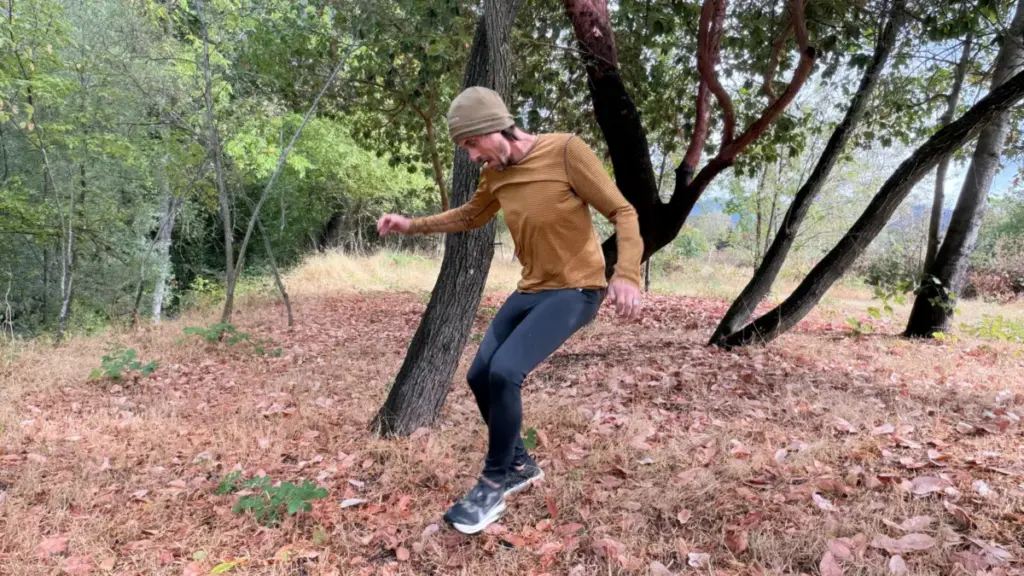
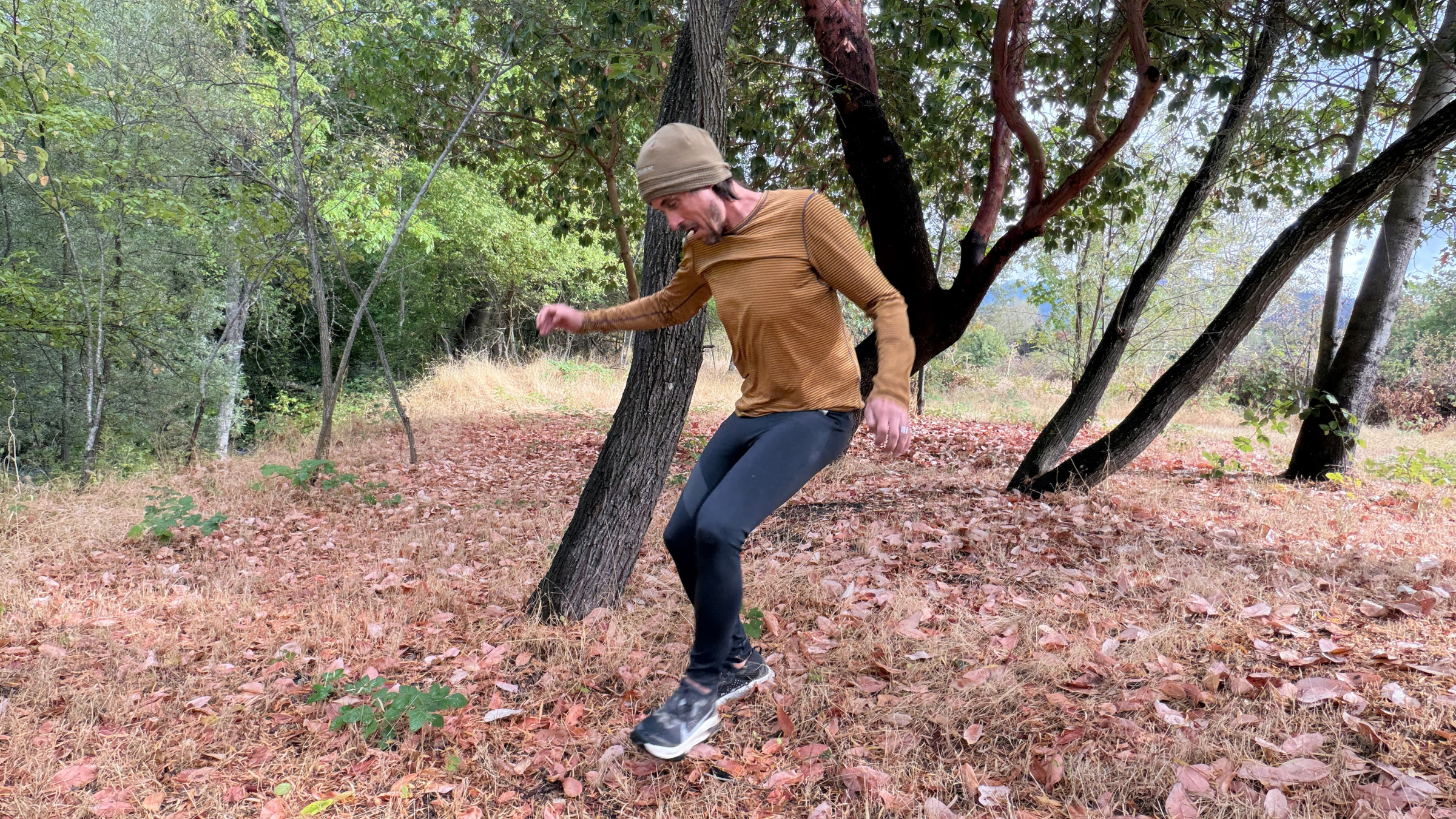
Out of the largest pool of base layers ever tested by the team, the Stellar Merino Base Top and Tights emerged as the premier set across the widest variety of conditions. From grueling 15-degree, full-day ski tours in the San Juan backcountry of Colorado to 45-degree, high-output mountain bike rides in Durango, these garments scored highest in comfort, moisture management, fit, and odor mitigation. One tester summarized the performance simply as the clear best in test.
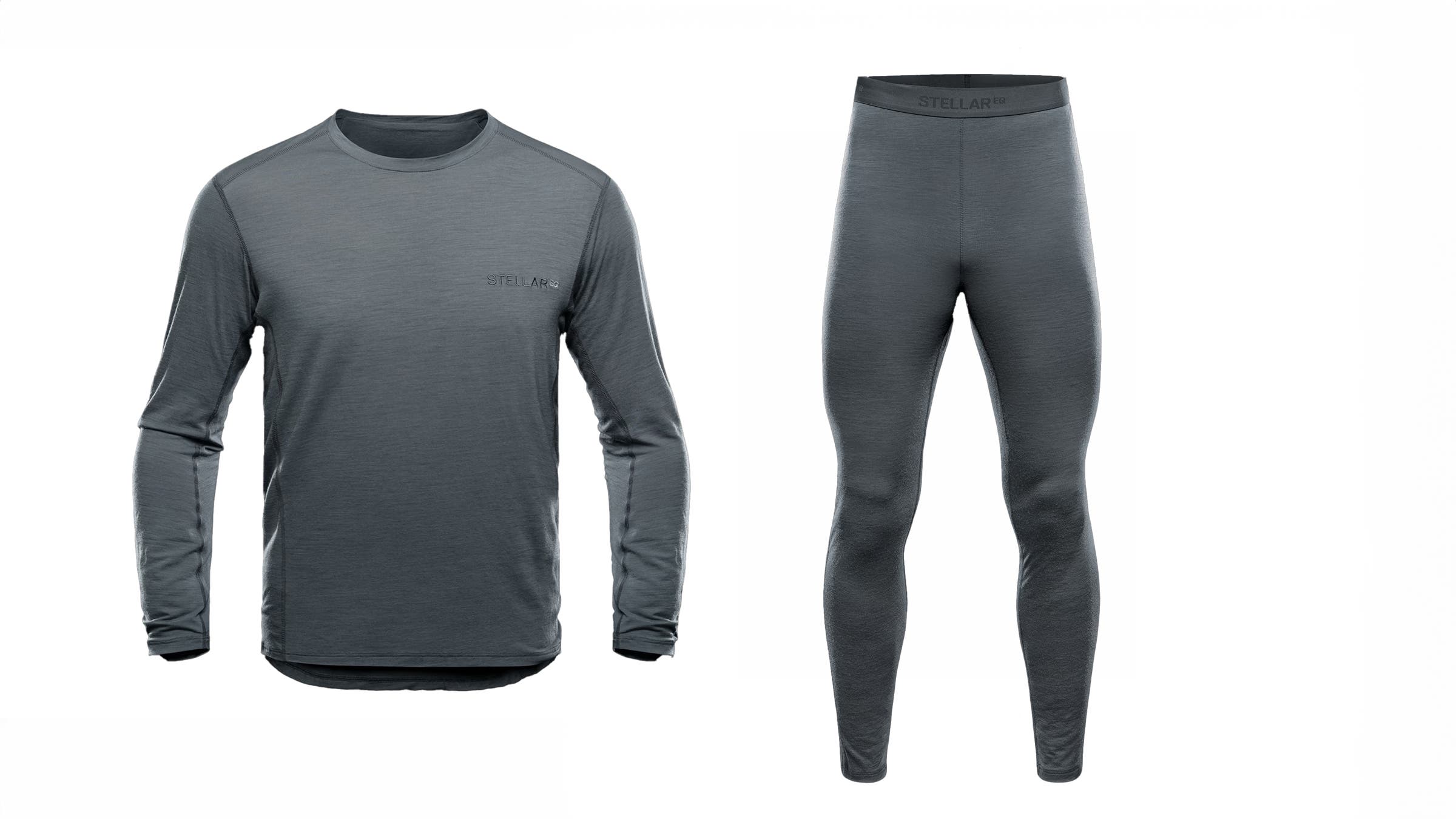
Sourced from Uruguay and manufactured in a family-owned factory in Portugal, the Stellar kit utilizes premium, fine 19.5-micron merino wool fibers that provide a balance of softness and natural stretch. The fit drew high praise from testers who are typically meticulous about how thermal apparel hugs the body during dynamic movement in the snow. Both the top and bottoms offered a snug yet unrestrictive fit, featuring ideal sleeve and leg lengths that permitted entirely unhindered movement.
The garments incorporate flatlock seams to minimize bulk, gusseted underarms to ensure a full range of motion, and an elongated back panel designed to block cold drafts. Furthermore, the fabric managed moisture efficiently, transitioning from drenched in sweat to completely dry in under 30 minutes. Following a full season of heavy use, odor buildup remained remarkably minimal. The only notable drawback noted by testers was the absence of an integrated hood, which would have helped the top transition more seamlessly into a standalone piece for spring skiing.
Best Multisport Base Layer: The North Face Summit Series Pro 120 Crew
Constructed using The North Face’s lightweight double-knit DOTKNIT polyester fabric, this shirt features engineered holes in the face fabric alongside targeted yarn construction and a wider knit pattern in high-heat zones like the armpits. This design accelerates moisture transfer during movement, a feature testers appreciated during sweaty mountain bike rides, icy bump skiing in milder temperatures, and early-morning runs in Oregon. Weighing a mere 6.67 ounces, the double knit provided sufficient warmth for winter weather while drying rapidly and maintaining exceptional breathability.
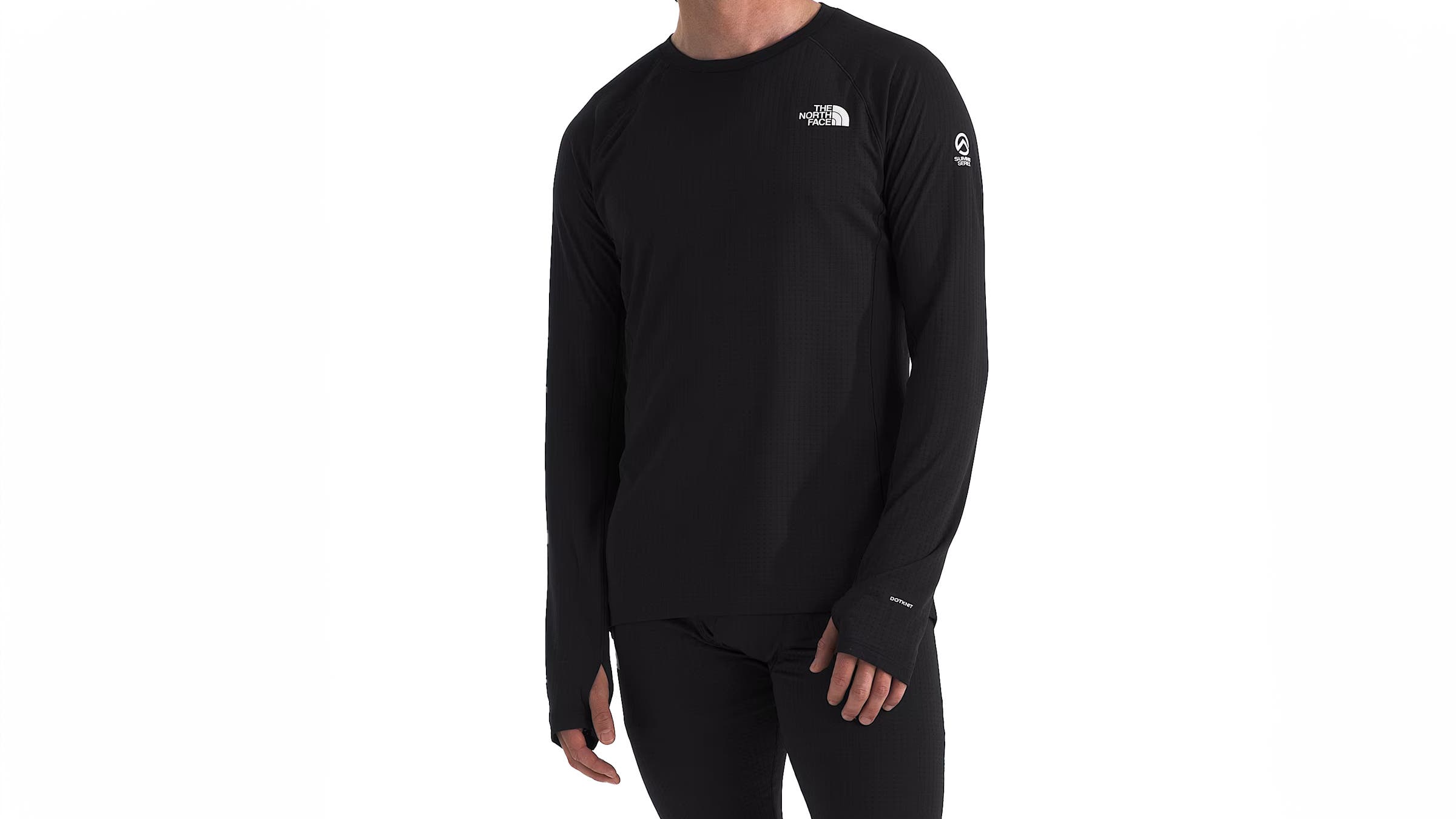
The standout attribute of the crew was its meticulous construction. Low-profile merrow stitching and a slim athletic design allowed the base layer to virtually disappear during repetitive motions such as pedaling, skinning, and gym training. Integrated thumb loops successfully prevented the sleeves from bunching underneath outer layers during cold ski days. While the garment kept testers comfortable while in motion, it is not the thickest option available; skiers who chronically run cold on chairlifts will likely prefer a heavier thermal layer.
Best Lightweight Base Layer: Patagonia Capilene Lightweight Crew
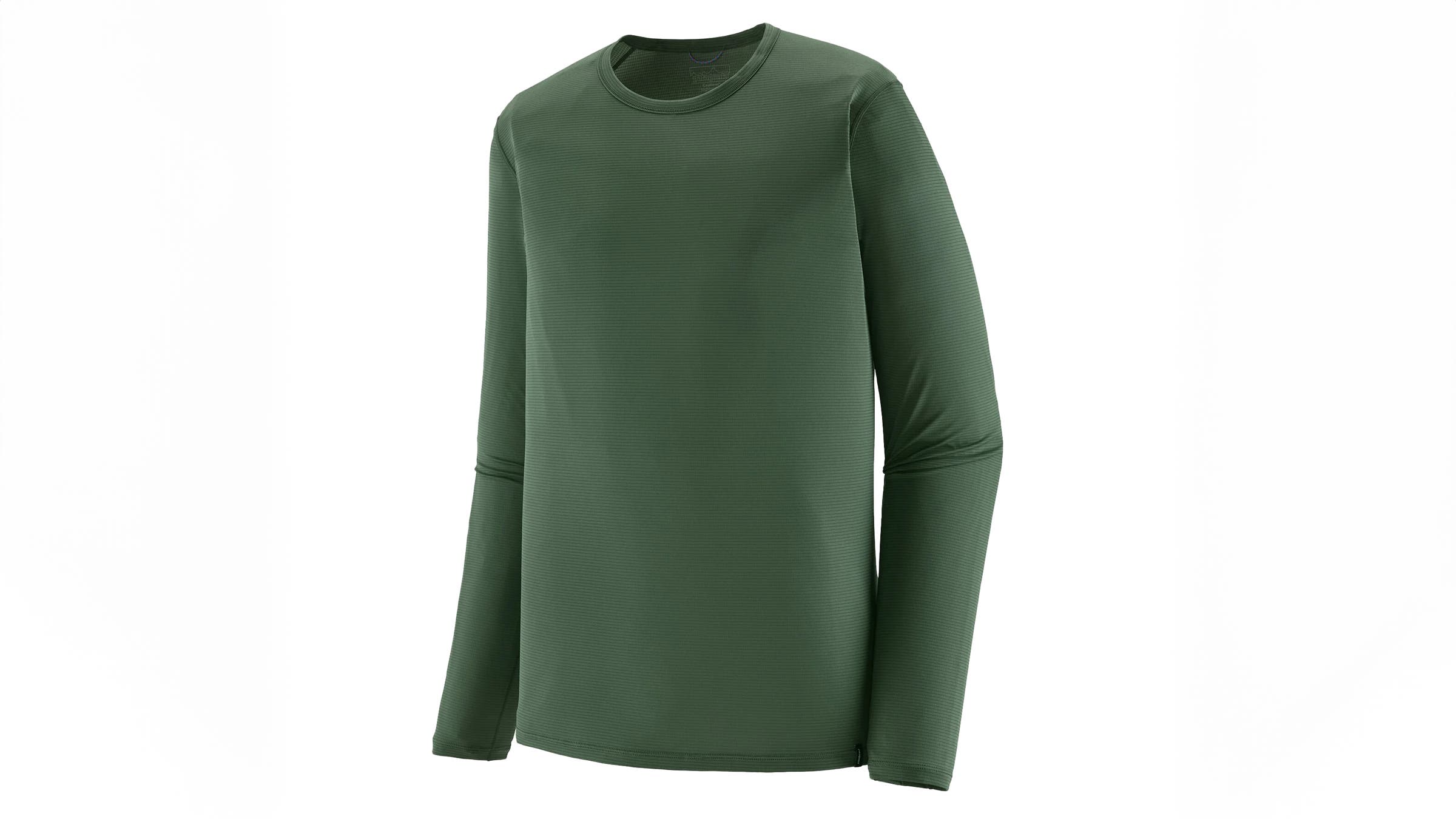
As the latest evolution of a fabric lineup spanning more than 40 years, the Patagonia Capilene Lightweight Crew is crafted from 100 percent double-knit recycled polyester enhanced with HeiQ Mint odor control and a specialized wicking finish. Weighing a scant 3.3 ounces, the top consistently dumped excess heat and dried almost instantly during mountain bike rides and early-morning runs. The odor mitigation proved so effective that one tester wore the shirt for three consecutive weeks of heavy use between washings.
Unlike heavier synthetics that can turn clammy once soaked, this lightweight option retained a dry, barely-there sensation even after intense interval training. Its tailored cut allows the garment to transition effortlessly from athletic pursuits to casual daily wear, functioning equally well as a mountain bike layer, a workout shirt, and an impromptu video-call uniform. However, it is not designed as a deep-winter insulation piece and performs best either beneath a protective shell during frigid weather or worn alone during high-output activities.
Best Wool Bottoms: Woolx Backcountry Leggings
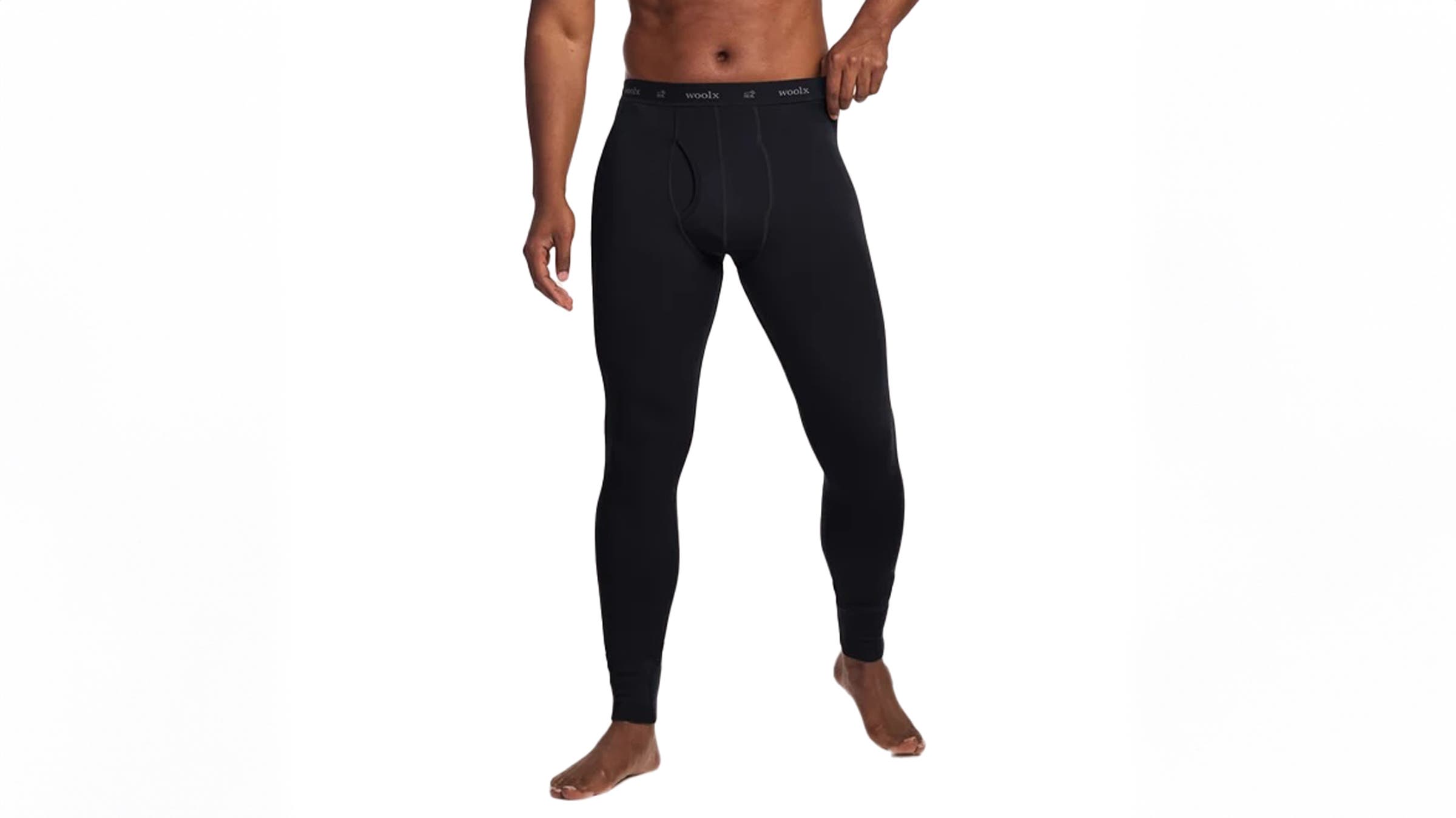
Delivering next-to-skin comfort and superior thermoregulation, the Woolx Backcountry Leggings are built from heavyweight merino wool. They struck an impressive balance between warmth, stretch, and breathability, making them well-suited for cold ski mornings, dawn-patrol jogs, and relaxing at home. Despite their substantial thickness, the leggings offered excellent mobility, stretching naturally through deep squats and dynamic movements without feeling restrictive or bunchy under ski pants.
While they did not dry as quickly as lightweight synthetic alternatives, they successfully retained their warming capabilities even when damp. The natural wool fabric also resisted odor accumulation through back-to-back days of strenuous use. Testers noted that these leggings are best reserved for genuinely frigid temperatures, as wearing them during sunny spring ski days or warmer trail rides can easily lead to overheating.
Best Wool Top: Ridge Merino Heavyweight Inversion Crew
The Ridge Merino Inversion Crew accomplished the difficult task of providing substantial warmth without feeling stifling the moment physical activity begins. Fabricated from 100 percent superfine 18.5-micron merino wool, the top offers an exceptionally soft next-to-skin feel that remained comfortable even after long hours of sweating. Low-profile flatlock seams, raglan sleeves, thumb loops, and an extended cut helped minimize friction beneath heavy packs and outerwear.
Despite its heavyweight construction, the crew regulated temperature surprisingly well during moderate-output movement, avoiding the trap of becoming instantly miserable once heart rates spiked. Nevertheless, it remains a dedicated cold-weather specialist that can feel excessive during hard uphill climbs or mild spring conditions. It also presented a slightly bulky profile when paired with extremely trim outerwear shells.
Best Top for Backcountry Touring: Rab Syncrino Base LS Tee
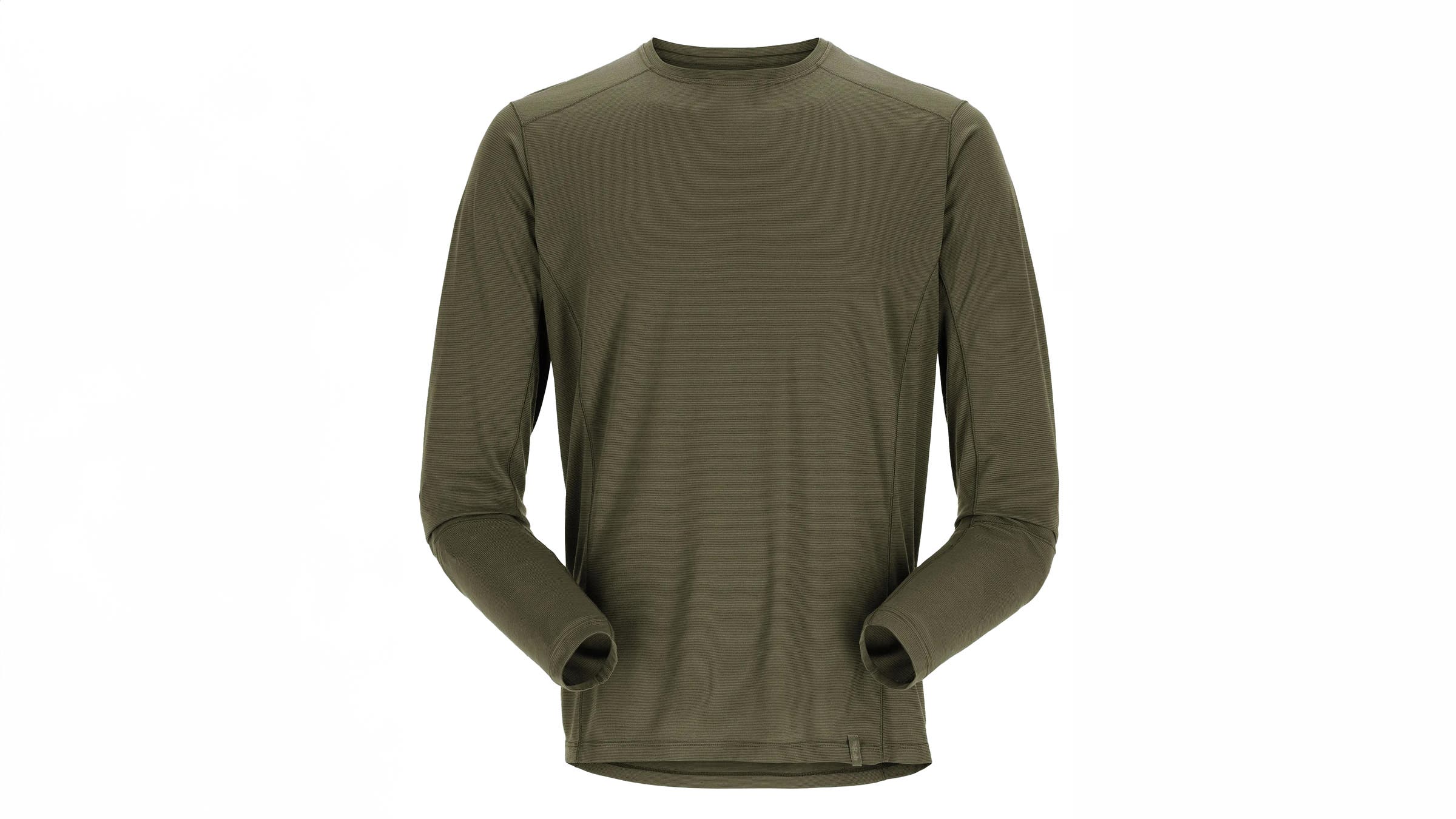
Tested extensively across the Japanese Alps and backcountry terrain in Oregon, the Rab Syncrino Base LS Tee became a preferred choice for high-sweat environments. Built using Rab’s lightweight Syncrino 125 fabric, the garment blends merino wool for natural insulation and moisture-wicking with polyester for enhanced strength, durability, and rapid drying times.
Packing down to the size of a tangerine, the tee easily stows away inside a touring pack as an emergency safety layer. Testers praised its remarkable next-to-skin comfort, freedom of movement, and sweat management during temperatures of 40 degrees and below. Even after intensive ski mountaineering sessions, the fabric maintained freshness, though its lightweight nature prevents it from functioning as a standalone winter layer.
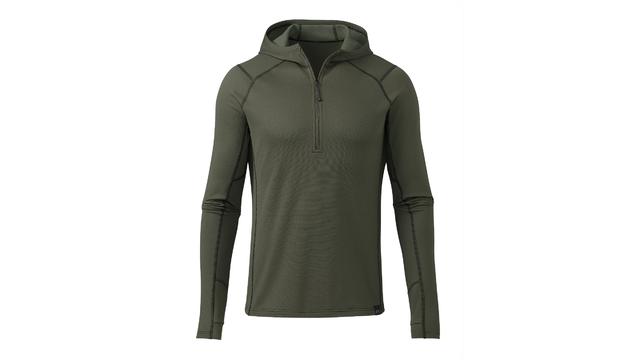
Most Versatile Top: Flylow Hanmer Wool Baselayer Top
Woven from a blend of merino wool and nylon engineered to be significantly stronger than comparable fabrics, the Flylow Hanmer Baselayer Top proved to be a winter MVP. Tested across a wide temperature spectrum while skiing, running, and completing nighttime ski mountaineering workouts, the top excelled at keeping testers warm while efficiently moving sweat away from the body.
The fabric showed no signs of pilling after a full winter of testing, while flatlock seams eliminated chafing and raglan construction enhanced usability under backpacks. Boasting two-toned sleeves and a casual aesthetic, the top easily transitioned from mountain trails to everyday town wear, offering reliable performance and impressive odor resistance throughout extended use.
How to Choose the Best Base Layers
Selecting the ideal base layer begins with identifying the materials that feel most comfortable against your skin. Most premier base layers are constructed from polyester or merino wool, frequently blended with spandex, elastane, or nylon to enhance stretch and durability. Polyester options generally cost less and dry faster, whereas merino wool commands a higher price, dries more slowly, but continues to insulate when wet and resists odor buildup far more effectively.
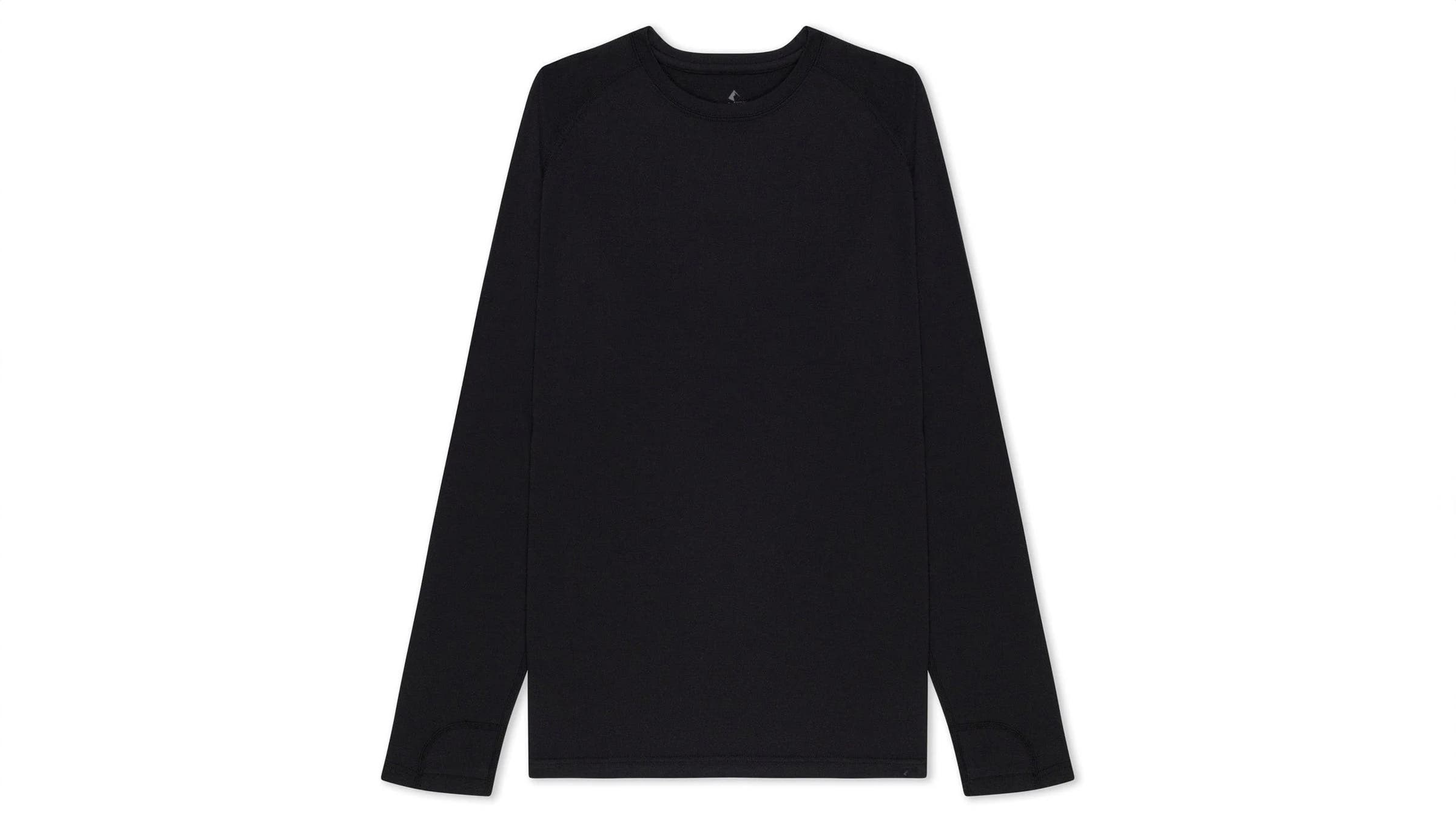
For individuals who sweat heavily, lightweight synthetic base layers represent a reliable choice due to their proven capacity for moisture transfer. Conversely, those who generate less perspiration can comfortably utilize thicker next-to-skin layers that offer increased stationary warmth. Design features such as flatlock seams and raglan sleeves further maximize comfort by preventing friction and chafing, particularly when carrying a heavy backpack.
Experts advise avoiding certain materials, such as cotton, which absorbs moisture and can become dangerously cold in winter environments. Synthetics lacking odor-mitigating treatments should also be approached with caution for multi-day trips. When purchasing wool, checking the micron count is essential, as lower micron numbers indicate finer, softer fibers that reduce the likelihood of skin irritation. Furthermore, shoppers should carefully evaluate wool-synthetic blends; purpose-built hybrid fabrics strategically place hydrophilic and hydrophobic fibers to push moisture outward, whereas improperly blended fabrics can create a clammy tug-of-war over perspiration.
How We Test Base Layers
Testing operations for the category spanned a diverse array of environments, ranging from resort ski runs and backcountry ski touring to dozens of mountain bike rides, morning trail runs, and gym sessions. This broad mix of activities allowed evaluators to assess not only warmth and next-to-skin comfort, but also mobility, moisture management, odor mitigation, and overall sports versatility.
Throughout the evaluation process, testers paid close attention to how rapidly layers dried following high-output exertion, whether fabrics turned clammy during sustained sweating, and how effectively the garments retained warmth when damp. Because modern base layers must perform seamlessly across multiple outdoor disciplines, the testing framework prioritized garments capable of disappearing during movement rather than restricting the athlete.