


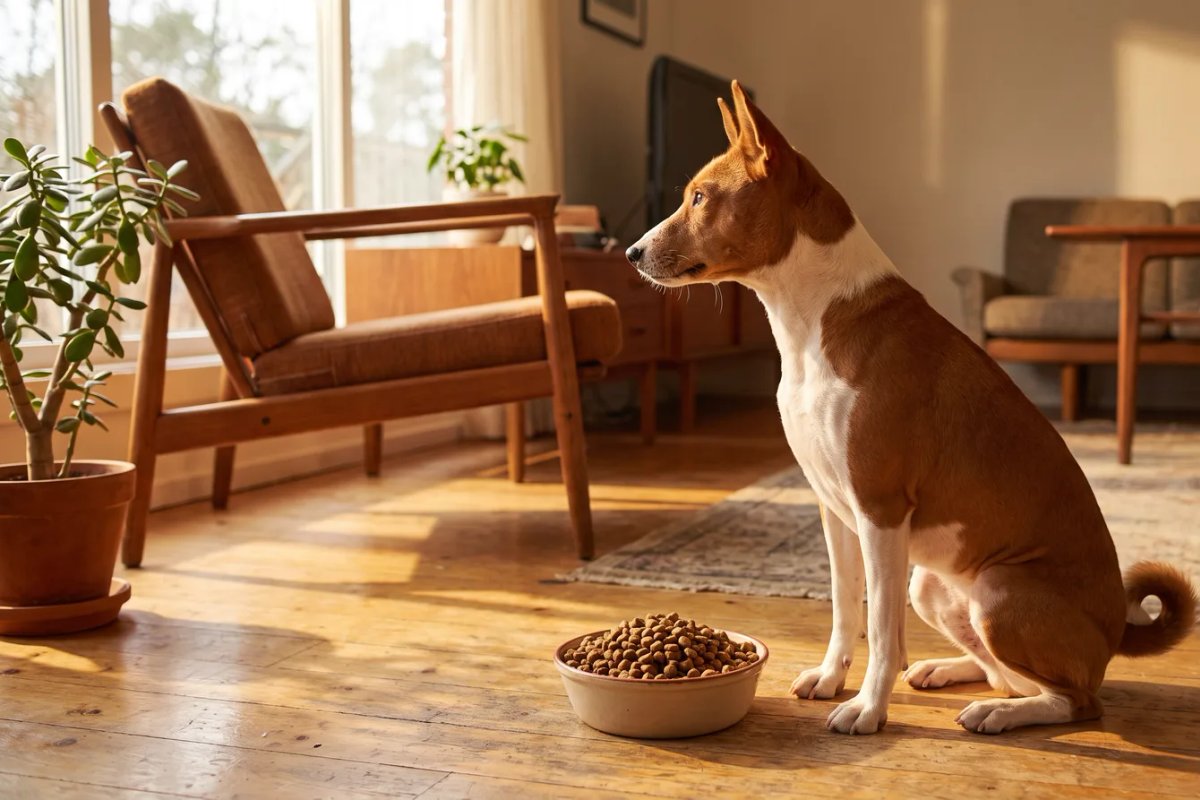
It is a scenario familiar to countless pet owners: a dog approaches its bowl, sniffs the dry kibble, and promptly turns away. While the immediate impulse may be to offer a high-value treat or swap out the bowl for table scraps, veterinary experts advise taking a more systematic approach. When a dog turns up its nose at dry food, the first and most critical task is determining whether the refusal stems from an underlying medical condition or a simple behavioral preference.
While most dogs that reject kibble are healthy animals displaying picky eating habits, appetite loss can also be an early indicator of pain, nausea, dental disease, or internal illness. Differentiating between a fussy eater and a sick animal ensures that dogs requiring medical care receive timely veterinary attention, while healthy dogs receive the structured dietary adjustments needed to restore consistent eating habits.
The Initial Health Assessment: Medical Need versus Behavioral Pickiness
Determining the cause of a dog’s refusal to eat starts with a quick home triage. Before changing foods or implementing new mealtime rules, owners should evaluate three fundamental aspects of their dog’s current state:
First, assess the animal’s overall demeanor and energy levels. A dog that remains bright, alert, play-motivated, and eager to interact is far less likely to be suffering from an acute illness than one that appears listless, withdrawn, or unusually tired.
Second, observe whether the dog is willing to eat other items. If a dog completely rejects its dry kibble but enthusiastically accepts dog treats, fresh meats, or table scraps, the issue is almost certainly a matter of dietary preference rather than a complete loss of appetite. Conversely, a dog that refuses all food entirely warrants immediate concern.
Third, monitor hydration and gastrointestinal signs. A healthy dog should continue to drink water normally and maintain regular bowel movements without vomiting or diarrhea.
If this brief assessment reveals signs of illness—such as lethargy, refusal of all food, gastrointestinal distress, or changes in drinking habits—owners should skip home dietary fixes and contact a veterinarian promptly. However, if the dog is energetic, drinking normally, and showing interest in non-kibble foods, the issue is likely kibble refusal. In these cases, structured home interventions typically yield positive results within one to two weeks.
Tracking these observations in a short food diary can be immensely helpful. By recording what food was offered, how much was consumed, the exact time of meals, and any added treats, owners can quickly spot patterns and evaluate whether specific changes are working.
Medical Red Flags: When Appetite Loss Requires Immediate Veterinary Care
A sudden refusal to eat in a dog that previously possessed a robust appetite is far more likely to have an underlying medical cause than chronic, mild fussiness. Dry kibble requires significant chewing force and digestive effort, making it frequently the very first item a dog rejects when experiencing discomfort.
Oral health issues represent one of the most common physical reasons dogs turn away from dry food. Dental disease, fractured teeth, inflamed gums, and oral ulcers or sores can make crunching hard kibble extremely painful. Dogs suffering from mouth pain may approach the bowl with interest, only to back away after attempting a single bite, chew exclusively on one side of their mouth, drop pieces of food, or paw repeatedly at their face.
Beyond oral health, generalized pain, fever, stomach upset, nausea, and internal systemic illnesses can all suppress appetite. Trembling or shivering alongside food refusal often indicates significant pain or nausea. Furthermore, specialized populations require heightened vigilance: a pregnant dog’s nutritional intake directly impacts her litter, and dogs with pre-existing diagnosed medical conditions may suffer rapid complications if their prescribed dietary intake drops.
A quick physical home check can provide valuable information to share with a veterinarian:
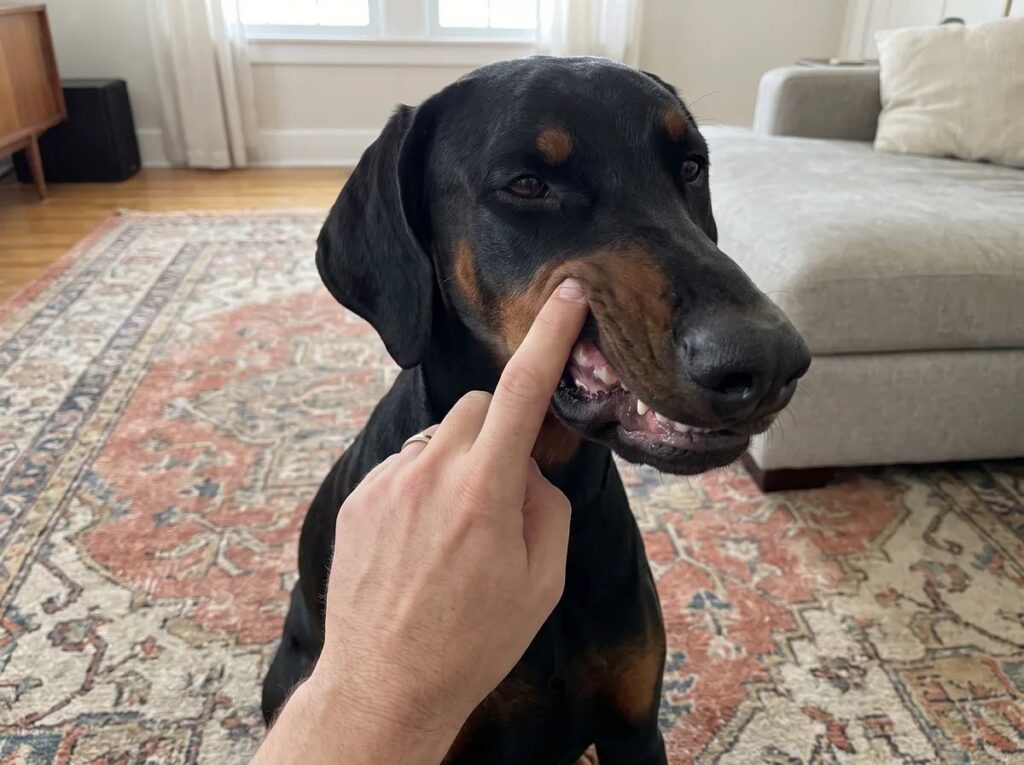
- Mouth and Gums: Lift the dog’s lips gently to inspect the teeth and gums. Look for heavy tartar accumulation, bright red or bleeding gums, broken or loose teeth, or visible mouth sores. Healthy gums should typically appear pink.
- Abdominal Comfort: Observe whether the belly appears distended or swollen, and note if the dog winces, guards its stomach, or shows discomfort when touched.
- Body Temperature and Posture: Check for signs of fever, such as warm ears and dry, hot gums, or unusual postures like hunched backing, which can signal abdominal pain.
It is important to note that a dog refusing food while continuing to drink water is not necessarily out of danger. Water intake alone does not rule out underlying nausea, internal organ dysfunction, or oral pain. Similarly, if a dog appears unusually lethargic yet continues to eat and drink, the lethargy itself remains a significant medical concern that warrants a professional evaluation.
Veterinarians emphasize that immediate professional care is required if an adult dog goes without any food for 24 hours. Emergency intervention is needed even sooner—after just one or two missed meals—for puppies, senior dogs, and toy breeds, as these groups are particularly vulnerable to dangerous drops in blood sugar and rapid dehydration. Immediate veterinary contact is also imperative if food refusal is accompanied by vomiting, diarrhea, listlessness, an inability to drink water, or a visibly swollen abdomen.
Identifying the Root Causes of Kibble Refusal in Healthy Dogs
When medical issues have been definitively ruled out, understanding why a healthy dog turns up its nose at dry food is the key to fixing the problem. In the vast majority of cases, kibble refusal is an unintentional, learned behavior driven by routine and environment.
The single most common culprit behind picky eating is an excess of treats and table scraps. When dogs receive frequent human food or high-value treats throughout the day, they quickly learn that holding out and ignoring dry kibble will eventually prompt their owners to offer something tastier. The dog has not lost its appetite; rather, it has learned to manage its menu.
Another frequent factor is food freshness and storage. Dry dog food is not indestructible. Once a bag of kibble is opened, exposure to air, light, and humidity causes it to gradually lose its aroma. Furthermore, the fats and oils sprayed onto kibble can oxidize and go rancid over time, particularly if the food is stored in warm environments, kept in unsealed bags, or poured into storage containers that are not thoroughly washed between uses. Because a dog’s sense of smell is exponentially more sensitive than a human’s, kibble that smells fine to an owner may smell unappealing or off to the dog.
Mealtime structure also plays a major role. Dogs that are free-fed—meaning kibble is left out in a bowl all day for continuous grazing—rarely develop the strong, acute hunger drive that prompts a dog to clean its bowl at set times. Grazing often leads to indifference toward dry food.
Practical Texture, Warmth, and Freshness Adjustments
To encourage a healthy dog to resume eating dry food, owners should implement simple, low-cost modifications one at a time. Testing changes systematically makes it easy to identify precisely which adjustment solved the problem.
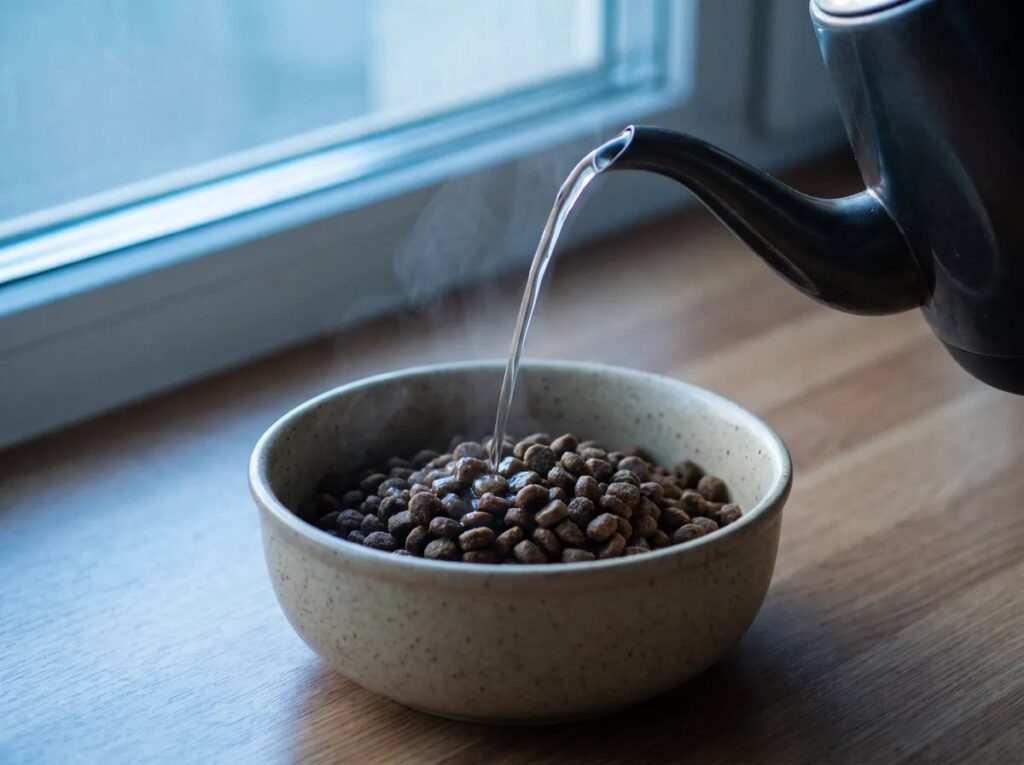
The simplest and most effective initial fix is adding warm water to the kibble. Warm water serves a dual purpose: it softens hard kibble pieces for dogs that prefer a tender texture, and the heat volatilizes the fats within the food, dramatically enhancing its aroma. Water should be warm to the touch, never hot, and stirred into the kibble immediately before serving. Any softened kibble that remains uneaten after 15 to 20 minutes must be picked up and discarded, as moistened dry food can rapidly harbor bacteria if left at room temperature.
Addressing food storage is equally critical. Owners should verify that dry food is fresh, ideally consumed within a few weeks of opening the bag. To preserve quality, kibble should be kept in its original bag, tightly sealed, and placed inside a cool, dry cabinet or airtight container. If using a plastic storage bin, the bin should be washed with soap and hot water and dried completely before refilling to prevent residual rancid oils from corrupting the new batch.
Establishing realistic evaluation periods for each modification helps track progress effectively:
- Switching to a Fresh, Properly Sealed Bag: Addresses stale or rancid kibble issues; effect should be noticeable immediately upon offering.
- Adding Warm Water to Kibble: Addresses low aroma or minor preference for softer texture; test consistently for three to five days.
- Implementing Scheduled Meals (15–20 Minute Limit): Addresses grazing and lack of mealtime drive; implement strictly for one to two weeks.
- Restricting Treats and Eliminating Table Scraps: Addresses learned pickiness and holding-out behavior; enforce strictly for one to two weeks.
- Adding a Fresh Food Topper: Addresses low interest in dry kibble in healthy dogs; evaluate over one to two weeks.
Enhancing the Bowl with Fresh Food Toppers
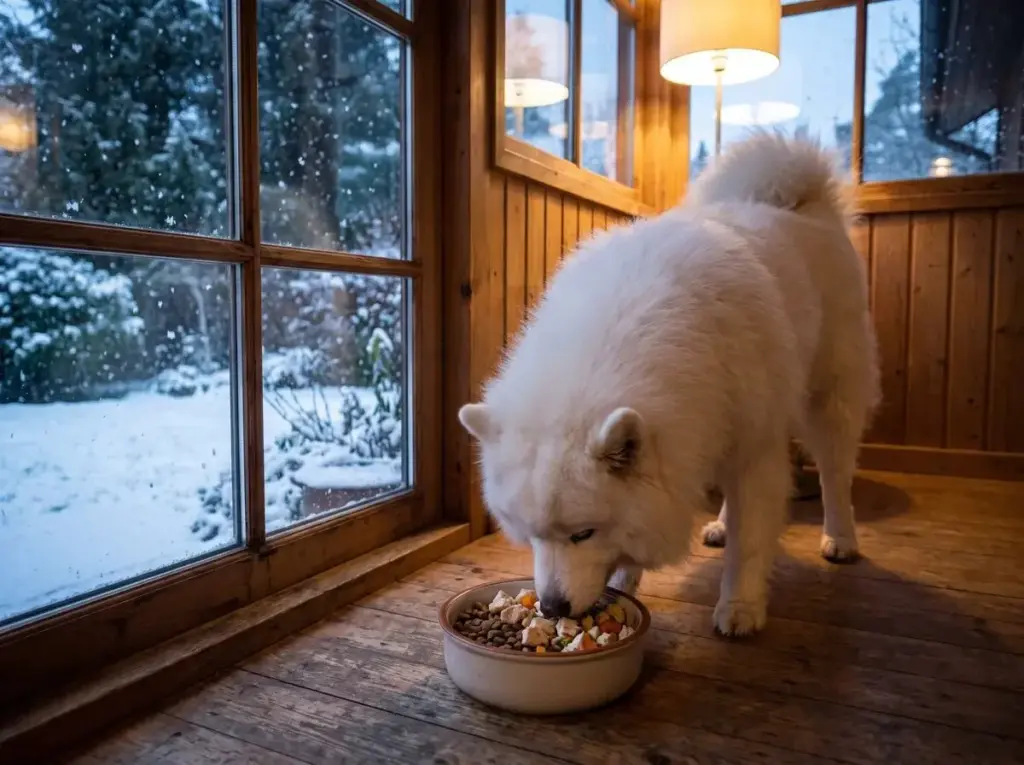
When structural changes and warm water are not enough to entice a healthy, picky dog back to its bowl, incorporating a small fresh food topper offers a reliable solution. A quality topper introduces rich, natural aromas and moisture to the bowl while maintaining proper dietary balance.
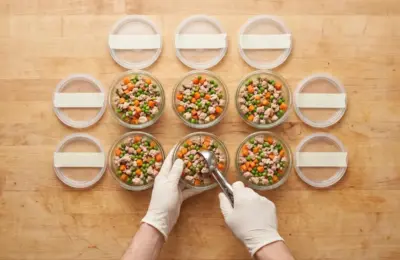
The goal of a topper is to enhance the existing complete-and-balanced kibble rather than replace it entirely. A single spoonful of gently cooked fresh food thoroughly mixed into the dry kibble coats the pieces, making it impossible for the dog to lick off the topper while ignoring the dry food underneath.
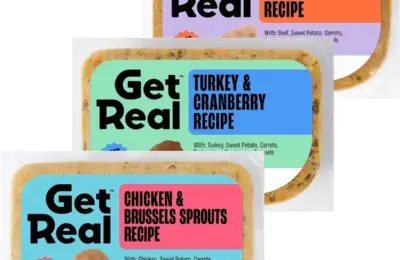
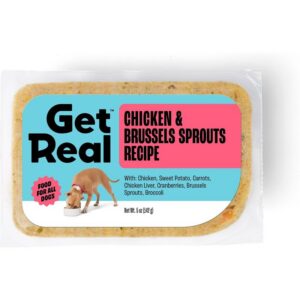
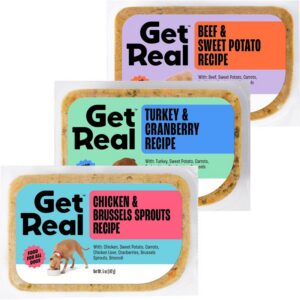
A notable option designed for this purpose is Get Real, Chewy’s line of gently cooked fresh dog food. Formulated as complete and balanced meals that meet AAFCO nutrient profiles for all life stages, Get Real recipes are gently cooked, frozen, and crafted with 10 ingredients or fewer plus essential vitamins and minerals. Because they utilize simple, human-grade protein sources, they offer an easy bridge for picky dogs without introducing unnecessary fillers. (Note: This article is sponsored by Get Real, Chewy’s gently cooked fresh dog food line; Vetstreet may earn a commission through purchase links).
Different protein options can cater to specific canine preferences:
- Get Real Chicken & Brussels Sprouts Recipe: Featuring chicken as a familiar, mild protein source, this recipe provides a palatable entry point for dogs transitioning from plain kibble.
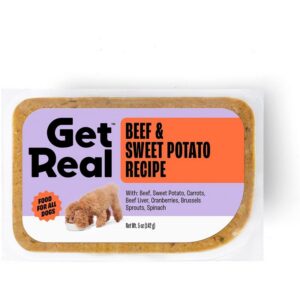
- Get Real Beef & Sweet Potato Recipe: Led by beef, sweet potato, carrots, and beef liver, this formula offers a robust, rich scent that appeals strongly to dogs accustomed to human foods.
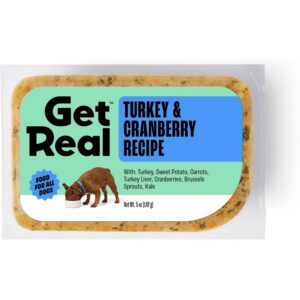
- Get Real Turkey & Cranberry Recipe: As the most calorie-dense option among the recipes, a small portion of turkey and cranberry adds novelty for dogs that have grown tired of common chicken or beef diets.
- Get Real Sampler Pack: For owners uncertain of their dog’s preferences, a variety bundle containing multiple recipes allows for short, low-risk tasting trials before committing to a larger quantity of one protein.
When introducing fresh food toppers, proper handling and storage are essential. Fresh toppers should be thawed slowly in the refrigerator rather than at room temperature or in a microwave. Once thawed, unused portions must be kept refrigerated and used within three to four days.
Re-Establishing Mealtime Structure and Behavioral Boundaries
Fixing picky eating requires adjusting human behavior just as much as changing the dog’s food. Dogs thrive on routine, and clear boundaries around mealtimes prevent feeding from becoming a prolonged behavioral struggle.
To establish an effective mealtime routine, put the food bowl down in a quiet, low-traffic area and walk away. Leave the bowl down for exactly 15 to 20 minutes. If the dog has not eaten the food within that window, quietly pick the bowl up and put it away until the next scheduled mealtime. Do not offer treats, snacks, or alternative foods between meals to compensate for the skipped food.
Consistency across the entire household is paramount. If one family member strictly enforces scheduled mealtimes while another sneaks snacks from the dinner table, the dog will continue to hold out for human food. Everyone in the home must adhere to the same plan.
Equally important is avoiding hover feeding, verbal coaxing, hand-feeding, or constantly adding more enticing ingredients while the dog watches. Coaxing teaches the dog that refusing food yields attention and better offerings, turning mealtimes into a negotiation. A healthy dog presented with a consistent routine will generally resume eating regularly within a few days once it realizes that food arrives only at set times and no secondary options are coming.
Transitioning to Fresh Food When Kibble Refusal Persists
In some instances, a healthy dog may simply show a persistent, long-term disinterest in dry kibble despite consistent routine management and texture adjustments. When dry food consistently fails to keep a dog properly nourished and engaged at mealtime, making a complete switch to a fresh, gently cooked diet is a practical alternative.
A full transition from dry kibble to fresh food should always be conducted gradually to allow the dog’s digestive system to adapt without upset. A standard transition plan spans 7 to 10 days, though dogs with known gastrointestinal sensitivities benefit from a slower 10 to 14 day process:
- Days 1–3: Serve 75 percent of the dog’s current kibble mixed with 25 percent of the new fresh food.
- Days 4–6: Serve an equal blend of 50 percent kibble and 50 percent fresh food.
- Days 7–9: Serve 25 percent kibble mixed with 75 percent fresh food.
- Day 10 Onward: Transition completely to 100 percent fresh food.
When feeding fresh food like Get Real as a full daily diet, portion sizes should be determined based on the dog’s target weight, age, breed, and overall activity level.
Regardless of whether a dog eats dry kibble, fresh food, or a combination of both, the true measure of a successful diet lies in long-term health metrics. A proper diet manifests as a consistent appetite, steady energy levels, firm and regular stools, a healthy skin and coat, and a stable, appropriate body weight.
Frequently Asked Questions
How long is it okay for a dog not to eat?
A healthy adult dog can safely skip a single meal without any negative health effects, but going more than 24 hours without eating warrants a call to a veterinarian. Puppies, senior dogs, pregnant females, and toy breeds have significantly lower metabolic reserves and should be evaluated by a professional if they skip even one or two meals. Any food refusal accompanied by vomiting, diarrhea, extreme lethargy, or weakness requires immediate veterinary attention regardless of duration.
Can stress cause a dog to lose its appetite?
Yes, stress and appetite are closely linked in dogs. Major routine disruption—such as moving to a new home, the addition of a new pet or baby, household visitors, travel, or time spent in a boarding kennel—can cause a dog to temporarily refuse food for a day or two. In these situations, mealtimes should be kept quiet, calm, and predictable. If the dog’s appetite does not return within 24 hours as it settles into the environment, consult a veterinarian.
Will a dog starve itself if it doesn’t like its food?
A healthy adult dog will rarely starve itself out of stubbornness and will usually eat its dry food once its hunger drive becomes strong enough. Short-term "food strikes" designed to hold out for treats or table scraps are common and generally harmless in healthy adult animals. However, owners should not engage in prolonged battles of will over several days. If a dog refuses all food for more than 24 hours, a medical check is necessary to rule out underlying illness.
Can a dog live healthily on dry food alone?
Yes. A dog can fully thrive on a diet consisting exclusively of dry kibble, provided the food is complete and balanced for its specific life stage and carries an official AAFCO (Association of American Feed Control Officials) nutritional adequacy statement on the package. While wet foods, fresh toppers, and warm water can add moisture and palatability, they are optional additions rather than nutritional requirements for a healthy dog.
My dog is not eating or drinking and just lies around listlessly. What should I do?
A dog that stops eating and drinking while exhibiting severe lethargy is demonstrating clear signs of a medical emergency. Potential causes range from severe systemic illness, organ dysfunction, and dangerous infections to intestinal blockages or acute poisoning. This situation cannot be managed at home with diet changes or food toppers. The dog should be taken to a veterinarian or emergency animal clinic immediately for diagnostic evaluation and supportive care.